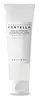
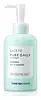
SKIN1004 Madagascar Centella Tone Brightening Cleansing Gel Foam Versus Thank You Farmer Back To Pure Daily Foaming Gel Cleanser
This gel cleanser uses mild cleansing ingredients, but contains alcohol that may feel drying for some.

What's inside
What's inside
 Key Ingredients
Benefits
Concerns
Ingredients Side-by-side
Centella Asiatica Extract 41%
Cleansing





Water
Skin ConditioningLauryl Hydroxysultaine
CleansingGlycerin
Humectant
Disodium Cocoamphodiacetate
CleansingPotassium Cocoyl Glycinate
Surfactant
Sodium Chloride
MaskingPotassium Cocoate
Emulsifying

Sodium Lauroyl Glutamate
SurfactantVitis Vinifera Fruit Extract
Skin ConditioningPyrus Malus Fruit Extract
Skin Conditioning
Carica Papaya Fruit Extract
Skin ConditioningPrunus Mume Fruit Extract
Humectant
Madecassoside
Antioxidant
1,2-Hexanediol
Skin Conditioning
Xylitylglucoside
Humectant
Anhydroxylitol
Humectant
Xylitol
Humectant
Niacinamide
Smoothing




Acrylates/C10-30 Alkyl Acrylate Crosspolymer
Emulsion Stabilising3-O-Ethyl Ascorbic Acid
Skin Conditioning
Trehalose
Humectant
Butylene Glycol
Humectant
Panthenol
Skin Conditioning
Agave Tequilana Leaf Extract
AstringentGlucose
Humectant
Caprylic/Capric Triglyceride
Masking
Hexylene Glycol
EmulsifyingPentylene Glycol
Skin Conditioning
Citric Acid
Buffering

Potassium Benzoate
Preservative
Ethylhexylglycerin
Skin ConditioningDisodium EDTA
Centella Asiatica Extract 41%, Water, Lauryl Hydroxysultaine, Glycerin, Disodium Cocoamphodiacetate, Potassium Cocoyl Glycinate, Sodium Chloride, Potassium Cocoate, Sodium Lauroyl Glutamate, Vitis Vinifera Fruit Extract, Pyrus Malus Fruit Extract, Carica Papaya Fruit Extract, Prunus Mume Fruit Extract, Madecassoside, 1,2-Hexanediol, Xylitylglucoside, Anhydroxylitol, Xylitol, Niacinamide, Acrylates/C10-30 Alkyl Acrylate Crosspolymer, 3-O-Ethyl Ascorbic Acid, Trehalose, Butylene Glycol, Panthenol, Agave Tequilana Leaf Extract, Glucose, Caprylic/Capric Triglyceride, Hexylene Glycol, Pentylene Glycol, Citric Acid, Potassium Benzoate, Ethylhexylglycerin, Disodium EDTA
Water
Skin ConditioningCocamidopropyl Betaine
Cleansing
Disodium Cocoamphodiacetate
CleansingPotassium Cocoyl Glycinate
Surfactant
Acrylates Copolymer
PEG-7 Glyceryl Cocoate
Emulsifying
Glycerin
Humectant
Pentylene Glycol
Skin Conditioning
Centella Asiatica Extract
Cleansing
Ficus Carica Fruit Extract
Humectant
Punica Granatum Extract
AstringentPortulaca Oleracea Extract
Skin Conditioning
Pueraria Thunbergiana Root Extract
Skin ConditioningGlycyrrhiza Glabra Root Extract
Bleaching
Paeonia Lactiflora Root Extract
Skin ConditioningCnidium Officinale Root Extract
Skin ConditioningSoluble Collagen
Humectant
Aloe Barbadensis Leaf Juice
Skin Conditioning
Hydrogenated Lecithin
Emulsifying
Argania Spinosa Kernel Oil
Emollient
Sodium Hyaluronate
Humectant
Ethylhexylglycerin
Skin ConditioningDimethicone
Emollient
Squalane
Emollient
Hydrogenated Polyisobutene
EmollientAlcohol
Antimicrobial
Isononyl Isononanoate
EmollientPolyglyceryl-10 Stearate
Skin Conditioning
Betaine
Humectant
1,2-Hexanediol
Skin Conditioning
Cetearyl Alcohol
Emollient


Butyrospermum Parkii Butter
Skin Conditioning
Stearic Acid
Cleansing
Polyglyceryl-2 Dipolyhydroxystearate
Skin Conditioning
Xanthan Gum
EmulsifyingInulin Lauryl Carbamate
Emulsion StabilisingCeramide NP
Skin Conditioning
Disodium Stearoyl Glutamate
CleansingParfum
Masking

Phenoxyethanol
Preservative
Water, Cocamidopropyl Betaine, Disodium Cocoamphodiacetate, Potassium Cocoyl Glycinate, Acrylates Copolymer, PEG-7 Glyceryl Cocoate, Glycerin, Pentylene Glycol, Centella Asiatica Extract, Ficus Carica Fruit Extract, Punica Granatum Extract, Portulaca Oleracea Extract, Pueraria Thunbergiana Root Extract, Glycyrrhiza Glabra Root Extract, Paeonia Lactiflora Root Extract, Cnidium Officinale Root Extract, Soluble Collagen, Aloe Barbadensis Leaf Juice, Hydrogenated Lecithin, Argania Spinosa Kernel Oil, Sodium Hyaluronate, Ethylhexylglycerin, Dimethicone, Squalane, Hydrogenated Polyisobutene, Alcohol, Isononyl Isononanoate, Polyglyceryl-10 Stearate, Betaine, 1,2-Hexanediol, Cetearyl Alcohol, Butyrospermum Parkii Butter, Stearic Acid, Polyglyceryl-2 Dipolyhydroxystearate, Xanthan Gum, Inulin Lauryl Carbamate, Ceramide NP, Disodium Stearoyl Glutamate, Parfum, Phenoxyethanol
Reviews
Ingredients Explained
These ingredients are found in both products.
Ingredients higher up in an ingredient list are typically present in a larger amount.
1,2-Hexanediol is a synthetic liquid and another multi-functional powerhouse.
It is a:
- Humectant, drawing moisture into the skin
- Emollient, helping to soften skin
- Solvent, dispersing and stabilizing formulas
- Preservative booster, enhancing the antimicrobial activity of other preservatives
Centella Asiatica Extract (Centella) is one of the most researched botanical extracts in skincare with decades of studies backing its effects on inflammation, collagen, and the skin barrier.
That research keeps pointing back to the same four triterpenoid saponins: Asiaticoside, Madecassoside, Asiatic Acid, and Madecassic Acid.
These compounds allow centella to dial back inflammation, encourage the skin to build and hold onto collagen, support the barrier and hydration, and bring solid antioxidant activity to protect against signs of aging.
Centella also carries a nice supporting cast of Vitamin A, vitamin C, several B vitamins, and amino acids. Put it all together and you get an ingredient that soothes, hydrates, and protects, all at once.
Most of centella's magic comes from the four big compounds (Asiaticoside, Madecassoside, Asiatic Acid, and Madecassic Acid). These are the actives doing the heavy lifting in almost every centella study.
Here is the short version of what they do in the skin:
So it is not just soothing for the sake of soothing. Centella calms the skin AND helps it rebuild.
Just FYI, not all centella on an ingredient list is the same. What you are getting actually depends on the extract:
Fun fact on the ratios: the leaves tend to be richest in Madecassoside and Asiaticoside, and lower in the two acids. The exact amounts shift with where the plant is grown and how it is processed. This means purity really does vary brand to brand.
Centella is one of the most easygoing actives out there.
It layers well with basically everything: niacinamide, hyaluronic acid, peptides, and vitamin C, and also pairs nicely with stronger actives like retinoids and exfoliating acids where it can help take the edge off irritation.
On the safety side, centella and its triterpenes are classified as weak sensitizers, meaning allergic reactions are possible but uncommon.
Patch tests at 1% and 5% came back negative in test panels, and creams at typical use levels did not cause allergic reactions across large groups of people.
But as with any new active, a patch test is still a smart move for very reactive skin.
Centella is widely used because it is effective at low percentages. For context, human safety testing found no meaningful irritation from creams containing centella extract at everyday use levels (the tested amounts were well under 1%).
The irritancy threshold in animal testing was also above 30% (so real-world formulas sit far below anything concerning).
In collagen lab studies, higher concentrations drove more collagen synthesis, so serums built around centella tend to feature it more prominently.
Bottom line: you will find centella working nicely anywhere from a fraction of a percent up to hero-ingredient levels depending on whether it is a supporting soother or the main event.
Fun fact: Centella has been used as a medicine and in food for many centuries. As a medicine, it is used to treat burns, scratches, and wounds.
Learn more about Centella Asiatica ExtractDisodium Cocoamphodiacetate is a surfactant and helps cleanse skin. It is created from the fatty acids of coconut oil.
Surfactants help rinse oil, dirt, and other pollutants easily from skin. It has a faint fruit-like scent.
Ethylhexylglycerin is created from glycerin. It is a multitasker ingredient that:
The CIR Expert Panel found minimal skin absorption or sensitization of any kind in a safety assessment. Though this ingredient is considered well-tolerated, a small number of cases of allergic dermatitis have been published since 2002. Just be sure to patch test if you are unsure.
Industry-reported use ranges from 8% in rinse-off products and 2% in leave-on formulations.
Learn more about EthylhexylglycerinGlycerin (or glycerol) is a compound naturally found in your skin. It's a powerhouse humectant that pulls water into the stratum corneum.
Topically, glycerin does several things at once:
Your skin makes glycerin on its own (mostly from sebaceous oil breakdown) and shuttles it to your outermost layer of skin, or your epidermis, via aquaporin-3.
Aquaporin-3 is a transporter that is essential for normal skin hydration, elasticity, and repair. Interestingly, mice lacking in AQP3 have dry and less elastic skin that can be fully corrected with glycerin.
This ingredient is non-irritating, plays well with almost every ingredient, and works across all skin types. Typical use is anywhere between 3-10% but can go up to 79% in some leave-on products.
Just know very high concentrations (>40%) can feel tacky in low humidity.
Glycerin is the name for this ingredient in American English. British English uses Glycerol/Glycerine.
Learn more about GlycerinPentylene Glycol (1,2-pentanediol) is a multitasking little diol with three main roles in a formula:
Research on alkanediols (the family pentylene glycol belongs to) show they work by disrupting microbial cell membranes. This disruption helps the primary preservative system in a product work more effectively at lower doses.
On the safety side, the Cosmetic Ingredient Review Expert Panel has concluded this ingredient to be safe as used in current cosmetic practices + concentrations.
Typical use levels in a formula run about 1-5%.
Learn more about Pentylene GlycolPotassium Cocoyl Glycinate is an amino acid-based surfactant and cleaning agent. This ingredient can be derived from animals or plants. It may also be synthetically created from fatty acids of the coconut and glycine.
Potassium Cocoyl Glycinate is a gentle surfactant. Surfactants help gather the dirt, oil, and other pollutants from your skin to be rinsed away. It is a mild cleanser and naturally produces foam.
Water. It's the most common cosmetic ingredient of all. You'll usually see it at the top of ingredient lists, meaning that it makes up the largest part of the product.
So why is it so popular? Water most often acts as a solvent - this means that it helps dissolve other ingredients into the formulation.
You'll also recognize water as that liquid we all need to stay alive. If you see this, drink a glass of water. Remember to stay hydrated!
Learn more about Water

