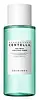
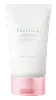
SKIN1004 Madagascar Centella Tea-Trica Purifying Toner Versus SKIN1004 Madagascar Centella Poremizing Light Gel Cream
This acne toner is formulated around Melaleuca Alternifolia Leaf Water and Centella Asiatica Extract to clear breakouts and balance excess oil.
This pore-care moisturizer is formulated around Centella Asiatica Extract and Niacinamide to refine the look of pores and calm redness.

What's inside
What's inside
 Key Ingredients
Benefits
Concerns
Ingredients Side-by-side
Water
Skin ConditioningChamaecyparis Obtusa Water
MaskingMelaleuca Alternifolia Leaf Water
Antimicrobial


Butylene Glycol
Humectant

Centella Asiatica Extract
Cleansing



Propanediol
Solvent
Pinus Palustris Leaf Extract
TonicMethyl Gluceth-20
Humectant
1,2-Hexanediol
Skin Conditioning
Hydroxyacetophenone
Antioxidant
Carbomer
Emulsion StabilisingPolyglyceryl-10 Laurate
Skin Conditioning

Tromethamine
BufferingPentylene Glycol
Skin Conditioning
Ethylhexylglycerin
Skin ConditioningCaprylyl Glycol
Emollient
Citric Acid
Buffering

Disodium EDTA
ChelatingMelaleuca Alternifolia Leaf Oil
Antioxidant




Sodium Citrate
BufferingSalicylic Acid
Masking



Castanea Crenata Shell Extract
Skin ConditioningLavandula Angustifolia Flower Extract
Cleansing
Water, Chamaecyparis Obtusa Water, Melaleuca Alternifolia Leaf Water, Butylene Glycol, Centella Asiatica Extract, Propanediol, Pinus Palustris Leaf Extract, Methyl Gluceth-20, 1,2-Hexanediol, Hydroxyacetophenone, Carbomer, Polyglyceryl-10 Laurate, Tromethamine, Pentylene Glycol, Ethylhexylglycerin, Caprylyl Glycol, Citric Acid, Disodium EDTA, Melaleuca Alternifolia Leaf Oil, Sodium Citrate, Salicylic Acid, Castanea Crenata Shell Extract, Lavandula Angustifolia Flower Extract
Centella Asiatica Extract
Cleansing
Water
Skin ConditioningPropanediol
Solvent
Aloe Barbadensis Leaf Extract
Emollient
1,2-Hexanediol
Skin Conditioning
Niacinamide
Smoothing

Glycerin
Humectant
Xylitol
Humectant
Butylene Glycol
Humectant
Carbomer
Emulsion StabilisingTromethamine
BufferingSodium Polyacryloyldimethyl Taurate
Emulsion StabilisingBiosaccharide Gum-1
Humectant
Betaine
Humectant
Pvp
Emulsion StabilisingSedum Sarmentosum Extract
HumectantHydrogenated Polydecene
EmollientEthylhexylglycerin
Skin ConditioningAdenosine
Skin Conditioning
Hydroxyethylcellulose
Emulsion StabilisingCoccinia Indica Fruit Extract
Skin Conditioning
Eclipta Prostrata Extract
Skin Conditioning
Hydrolyzed Gardenia Florida Extract
Antioxidant
Hydrolyzed Malt Extract
Skin ConditioningDisodium EDTA
ChelatingHydrolyzed Viola Tricolor Extract
Skin ProtectingMelia Azadirachta Flower Extract
Skin ConditioningOcimum Sanctum Leaf Extract
Skin ConditioningMelia Azadirachta Leaf Extract
Skin ConditioningTrideceth-10
CleansingSea Water
HumectantPanthenol
Skin Conditioning
Curcuma Longa Root Extract
Antioxidant
Hyaluronic Acid
Humectant
Hydrolyzed Hyaluronic Acid
Humectant
Sodium Hyaluronate
Humectant
Xylitylglucoside
Humectant
Corallina Officinalis Extract
Skin Conditioning
Anhydroxylitol
Humectant
Oenothera Biennis Flower Extract
AstringentPueraria Lobata Root Extract
HumectantPinus Palustris Leaf Extract
TonicUlmus Davidiana Root Extract
Skin Conditioning
Castanea Crenata Shell Extract
Skin ConditioningHamamelis Virginiana Leaf Water
Astringent
Lavandula Angustifolia Flower Extract
Cleansing
Chamaecyparis Obtusa Water
MaskingChenopodium Quinoa Seed Extract
Skin Conditioning
Allantoin
Skin Conditioning
CI 77004
Cosmetic ColorantMineral Salts
Skin ConditioningCentella Asiatica Extract, Water, Propanediol, Aloe Barbadensis Leaf Extract, 1,2-Hexanediol, Niacinamide, Glycerin, Xylitol, Butylene Glycol, Carbomer, Tromethamine, Sodium Polyacryloyldimethyl Taurate, Biosaccharide Gum-1, Betaine, Pvp, Sedum Sarmentosum Extract, Hydrogenated Polydecene, Ethylhexylglycerin, Adenosine, Hydroxyethylcellulose, Coccinia Indica Fruit Extract, Eclipta Prostrata Extract, Hydrolyzed Gardenia Florida Extract, Hydrolyzed Malt Extract, Disodium EDTA, Hydrolyzed Viola Tricolor Extract, Melia Azadirachta Flower Extract, Ocimum Sanctum Leaf Extract, Melia Azadirachta Leaf Extract, Trideceth-10, Sea Water, Panthenol, Curcuma Longa Root Extract, Hyaluronic Acid, Hydrolyzed Hyaluronic Acid, Sodium Hyaluronate, Xylitylglucoside, Corallina Officinalis Extract, Anhydroxylitol, Oenothera Biennis Flower Extract, Pueraria Lobata Root Extract, Pinus Palustris Leaf Extract, Ulmus Davidiana Root Extract, Castanea Crenata Shell Extract, Hamamelis Virginiana Leaf Water, Lavandula Angustifolia Flower Extract, Chamaecyparis Obtusa Water, Chenopodium Quinoa Seed Extract, Allantoin, CI 77004, Mineral Salts
Reviews
Ingredients Explained
These ingredients are found in both products.
Ingredients higher up in an ingredient list are typically present in a larger amount.
1,2-Hexanediol is a synthetic liquid and another multi-functional powerhouse.
It is a:
- Humectant, drawing moisture into the skin
- Emollient, helping to soften skin
- Solvent, dispersing and stabilizing formulas
- Preservative booster, enhancing the antimicrobial activity of other preservatives
Butylene Glycol (or BG) is used within cosmetic products for a few different reasons:
Overall, Butylene Glycol is a safe and well-rounded ingredient that works well with other ingredients.
Though this ingredient works well with most skin types, some people with sensitive skin may experience a reaction such as allergic rashes, closed comedones, or itchiness.
Learn more about Butylene GlycolCarbomer is a synthetic thickening and gelling agent. It's basically the ingredient that gives a lot of serums, gels, creams, and sunscreens their smooth, non-sticky texture.
Although legally permitted at very high levels, carbomers are normally used at concentrations below 1%.
It also needs to be neutralized to actually thicken, and because it is a large molecule, it doesn't really penetrate the skin barrier.
Allergy-wise, the risk is very low. Clinical studies show carbomers have low potential for skin irritation/sensitization even at concentrations up to 100%.
A 2024 UK study patch-tested 1,302 patients and found true allergy to the parent group of carbomer to be rare with no confirmed relevant reactions.
Learn more about CarbomerCastanea Crenata Shell Extract comes from the shell of the chestnut.
Studies show chestnut shells to have antioxidant and anti-inflammatory properties.
Antioxidants protect your skin against damaging molecules. This may help reduce the signs of aging.
Learn more about Castanea Crenata Shell ExtractCentella Asiatica Extract (Centella) is one of the most researched botanical extracts in skincare with decades of studies backing its effects on inflammation, collagen, and the skin barrier.
That research keeps pointing back to the same four triterpenoid saponins: Asiaticoside, Madecassoside, Asiatic Acid, and Madecassic Acid.
These compounds allow centella to dial back inflammation, encourage the skin to build and hold onto collagen, support the barrier and hydration, and bring solid antioxidant activity to protect against signs of aging.
Centella also carries a nice supporting cast of Vitamin A, vitamin C, several B vitamins, and amino acids. Put it all together and you get an ingredient that soothes, hydrates, and protects, all at once.
Most of centella's magic comes from the four big compounds (Asiaticoside, Madecassoside, Asiatic Acid, and Madecassic Acid). These are the actives doing the heavy lifting in almost every centella study.
Here is the short version of what they do in the skin:
So it is not just soothing for the sake of soothing. Centella calms the skin AND helps it rebuild.
Just FYI, not all centella on an ingredient list is the same. What you are getting actually depends on the extract:
Fun fact on the ratios: the leaves tend to be richest in Madecassoside and Asiaticoside, and lower in the two acids. The exact amounts shift with where the plant is grown and how it is processed. This means purity really does vary brand to brand.
Centella is one of the most easygoing actives out there.
It layers well with basically everything: niacinamide, hyaluronic acid, peptides, and vitamin C, and also pairs nicely with stronger actives like retinoids and exfoliating acids where it can help take the edge off irritation.
On the safety side, centella and its triterpenes are classified as weak sensitizers, meaning allergic reactions are possible but uncommon.
Patch tests at 1% and 5% came back negative in test panels, and creams at typical use levels did not cause allergic reactions across large groups of people.
But as with any new active, a patch test is still a smart move for very reactive skin.
Centella is widely used because it is effective at low percentages. For context, human safety testing found no meaningful irritation from creams containing centella extract at everyday use levels (the tested amounts were well under 1%).
The irritancy threshold in animal testing was also above 30% (so real-world formulas sit far below anything concerning).
In collagen lab studies, higher concentrations drove more collagen synthesis, so serums built around centella tend to feature it more prominently.
Bottom line: you will find centella working nicely anywhere from a fraction of a percent up to hero-ingredient levels depending on whether it is a supporting soother or the main event.
Fun fact: Centella has been used as a medicine and in food for many centuries. As a medicine, it is used to treat burns, scratches, and wounds.
Learn more about Centella Asiatica ExtractThis ingredient is also known as Hinoki water. It is made by steam distilling the Japanese cypress tree.
Functionally, this ingredient is often used as a water replacement and concentrations can go as high up as 65%; this just means its more-so used to shape the base of a formula than as a star active.
The water carries small amounts of the tree's volatile compounds that give it a soft and woody scent.
Most of the published skin research is related to the essential oil or leaf extract rather than this water form; these cell and mice studies should antioxidant, antibacterial, and anti-inflammatory effects.
This ingredient only contains a small amount of these beneficial compounds but can still provide some soothing.
The Hinokitiol compound in this water is also antifungal against Malassezia; this can make it a great option for those with fungal acne.
However, those with fragrance sensitivity should patch test.
Fun fact: The Japanese 'Hinoki' Cypress tree is traditionally used to build shrines and temples.
Learn more about Chamaecyparis Obtusa WaterDisodium EDTA is a chelating agent. It grabs onto and deactivates metal ions that sneak into your products from water, packaging, or air.
This ingredient mainly works behind the scenes and helps with:
On top of that, this ingredient can counteract the effects of hard water by binding to the minerals in it.
One thing worth knowing is that Disodium EDTA has been shown to be a mild penetration enhancer. It can help other ingredients absorb into skin more effectively which can be a double-edged sword (great for actives, but can also make the active too strong if you have sensitive skin).
Clinical patch testing showed no significant skin irritation at typical use concentrations and minimal dermal absorption.
You'll most likely see this ingredient near the end of an ingredient list. It's typically found in concentrations less than 1%.
Learn more about Disodium EDTAEthylhexylglycerin is created from glycerin. It is a multitasker ingredient that:
The CIR Expert Panel found minimal skin absorption or sensitization of any kind in a safety assessment. Though this ingredient is considered well-tolerated, a small number of cases of allergic dermatitis have been published since 2002. Just be sure to patch test if you are unsure.
Industry-reported use ranges from 8% in rinse-off products and 2% in leave-on formulations.
Learn more about EthylhexylglycerinLavandula Angustifolia Flower Extract comes from the lavender plant.
Many components of lavender flowers are antioxidants, such as ferulic acid, caffeic acid, and several flavonoids.
Traditional Iranian folk medicine uses Lavender extract to help treat inflammation.
Lavender extract may have a scent.
It contains linalool, a known allergen. However, lavender extract contains less linalool than lavender essential oil.
Learn more about Lavandula Angustifolia Flower ExtractWe don't have a description for Pinus Palustris Leaf Extract yet.
Propanediol is an all-star ingredient. It softens, hydrates, and smooths the skin.
It’s often used to:
Propanediol is not likely to cause sensitivity and considered safe to use. It is derived from corn or petroleum with a clear color and no scent.
Learn more about PropanediolTromethamine (aka THAM) is a synthetic amino acid that shows up in skincare as a helper ingredient.
It functions as a pH adjuster to help neutralize acidic ingredients and set a formula's pH to the right spot.
This matters a lot because a lot of actives (like vitamin C) needs a specific pH to work well and feel comfortable on skin.
Concentration use ranges from 0.1-1.0% depending on the formula.
Learn more about TromethamineWater. It's the most common cosmetic ingredient of all. You'll usually see it at the top of ingredient lists, meaning that it makes up the largest part of the product.
So why is it so popular? Water most often acts as a solvent - this means that it helps dissolve other ingredients into the formulation.
You'll also recognize water as that liquid we all need to stay alive. If you see this, drink a glass of water. Remember to stay hydrated!
Learn more about Water

