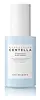
This hydrating serum is formulated around Centella Asiatica Leaf Water and Niacinamide to hydrate skin and calm redness.
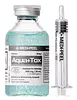
This hydrating ampoule is formulated around Collagen Extract and Adenosine to hydrate skin and soften the look of wrinkles.

What's inside
What's inside
 Key Ingredients
Benefits
Concerns
Ingredients Side-by-side
Water
Skin ConditioningCentella Asiatica Leaf Water 38%
Skin Conditioning


Butylene Glycol
Humectant
1,2-Hexanediol
Skin Conditioning
Niacinamide
Smoothing








Glycerin
Humectant
Pantolactone
Humectant
Hibiscus Esculentus Fruit Extract
Skin ConditioningSodium Hyaluronate
Humectant
Hydrolyzed Hyaluronic Acid
Humectant
Hyaluronic Acid
Humectant
Methylpropanediol
SolventPanthenol
Skin Conditioning
Cetearyl Olivate


Carbomer
Emulsion StabilisingArginine
Masking
Sorbitan Olivate
Emulsifying
Caprylic/Capric Triglyceride
Masking
Pyrus Communis Fruit Extract
Skin ConditioningPentylene Glycol
Skin Conditioning
Adenosine
Skin Conditioning
Polyglutamic Acid
Skin Conditioning
Rosa Damascena Flower Water
Masking
Artemisia Princeps Leaf Extract
Skin ConditioningCucumis Melo Fruit Extract
Skin ConditioningIris Florentina Root Extract
MaskingEthylhexylglycerin
Skin ConditioningHedera Helix Leaf/Stem Extract
AntimicrobialSodium Phytate
ChelatingXanthan Gum
EmulsifyingMaltodextrin
Absorbent
Hydrolyzed Gardenia Florida Extract
Antioxidant
Hydrogenated Lecithin
Emulsifying
Ceramide NP
Skin Conditioning
Sodium Hyaluronate Crosspolymer
Humectant
Hydrolyzed Sodium Hyaluronate
Skin Conditioning
Water, Centella Asiatica Leaf Water 38%, Butylene Glycol, 1,2-Hexanediol, Niacinamide, Glycerin, Pantolactone, Hibiscus Esculentus Fruit Extract, Sodium Hyaluronate, Hydrolyzed Hyaluronic Acid, Hyaluronic Acid, Methylpropanediol, Panthenol, Cetearyl Olivate, Carbomer, Arginine, Sorbitan Olivate, Caprylic/Capric Triglyceride, Pyrus Communis Fruit Extract, Pentylene Glycol, Adenosine, Polyglutamic Acid, Rosa Damascena Flower Water, Artemisia Princeps Leaf Extract, Cucumis Melo Fruit Extract, Iris Florentina Root Extract, Ethylhexylglycerin, Hedera Helix Leaf/Stem Extract, Sodium Phytate, Xanthan Gum, Maltodextrin, Hydrolyzed Gardenia Florida Extract, Hydrogenated Lecithin, Ceramide NP, Sodium Hyaluronate Crosspolymer, Hydrolyzed Sodium Hyaluronate
Water
Skin ConditioningButylene Glycol
Humectant
Dipropylene Glycol
HumectantPropanediol
Solvent
Sea Water
HumectantCollagen Extract
Skin Conditioning
1,2-Hexanediol
Skin Conditioning
Hydroxyacetophenone
Antioxidant
Xylitylglucoside
Humectant
Buteth-3
SolventAnhydroxylitol
Humectant
Carbomer
Emulsion StabilisingSodium Benzotriazolyl Butylphenol Sulfonate
UV AbsorberTromethamine
BufferingPolyglyceryl-10 Laurate
Skin Conditioning
Xylitol
Humectant
Polyglyceryl-10 Myristate
Skin Conditioning
Glycerin
Humectant
Ethylhexylglycerin
Skin ConditioningAcrylates/C10-30 Alkyl Acrylate Crosspolymer
Emulsion StabilisingAdenosine
Skin Conditioning
Glucose
Humectant
CI 77891
Cosmetic ColorantPanthenol
Skin Conditioning
Sodium Hyaluronate Crosspolymer
Humectant
Disodium EDTA
ChelatingSalix Alba Bark Extract
Astringent
Origanum Vulgare Leaf Extract
Skin ConditioningChamaecyparis Obtusa Leaf Extract
Skin ConditioningMelia Azadirachta Leaf Extract
Skin ConditioningMica
Cosmetic ColorantHydrolyzed Glycosaminoglycans
HumectantMelia Azadirachta Flower Extract
Skin ConditioningTributyl Citrate
SolventLactobacillus/Soybean Ferment Extract
Skin ConditioningCinnamomum Cassia Bark Extract
Masking
Scutellaria Baicalensis Root Extract
Astringent
Portulaca Oleracea Extract
Skin Conditioning
Calcium Alginate
MaskingGellan Gum
Agar
MaskingSodium Hyaluronate
Humectant
Coccinia Indica Fruit Extract
Skin Conditioning
Caprylyl Glycol
Emollient
Hydrolyzed Corn Starch
HumectantBenzyl Glycol
SolventSucrose
Humectant
Citrus Aurantium Bergamia Fruit Oil
Masking



Solanum Melongena Fruit Extract
Skin ConditioningAloe Barbadensis Flower Extract
EmollientHydrolyzed Hyaluronic Acid
Humectant
Ocimum Sanctum Leaf Extract
Skin ConditioningCurcuma Longa Root Extract
Antioxidant
Corallina Officinalis Extract
Skin Conditioning
Aphanothece Sacrum Polysaccharide
AbsorbentHydrolyzed Collagen
Emollient
Hyaluronic Acid
Humectant
Colloidal Silver
AntimicrobialSodium Guaiazulene Sulfonate
SurfactantWater, Butylene Glycol, Dipropylene Glycol, Propanediol, Sea Water, Collagen Extract, 1,2-Hexanediol, Hydroxyacetophenone, Xylitylglucoside, Buteth-3, Anhydroxylitol, Carbomer, Sodium Benzotriazolyl Butylphenol Sulfonate, Tromethamine, Polyglyceryl-10 Laurate, Xylitol, Polyglyceryl-10 Myristate, Glycerin, Ethylhexylglycerin, Acrylates/C10-30 Alkyl Acrylate Crosspolymer, Adenosine, Glucose, CI 77891, Panthenol, Sodium Hyaluronate Crosspolymer, Disodium EDTA, Salix Alba Bark Extract, Origanum Vulgare Leaf Extract, Chamaecyparis Obtusa Leaf Extract, Melia Azadirachta Leaf Extract, Mica, Hydrolyzed Glycosaminoglycans, Melia Azadirachta Flower Extract, Tributyl Citrate, Lactobacillus/Soybean Ferment Extract, Cinnamomum Cassia Bark Extract, Scutellaria Baicalensis Root Extract, Portulaca Oleracea Extract, Calcium Alginate, Gellan Gum, Agar, Sodium Hyaluronate, Coccinia Indica Fruit Extract, Caprylyl Glycol, Hydrolyzed Corn Starch, Benzyl Glycol, Sucrose, Citrus Aurantium Bergamia Fruit Oil, Solanum Melongena Fruit Extract, Aloe Barbadensis Flower Extract, Hydrolyzed Hyaluronic Acid, Ocimum Sanctum Leaf Extract, Curcuma Longa Root Extract, Corallina Officinalis Extract, Aphanothece Sacrum Polysaccharide, Hydrolyzed Collagen, Hyaluronic Acid, Colloidal Silver, Sodium Guaiazulene Sulfonate
Reviews
Ingredients Explained
These ingredients are found in both products.
Ingredients higher up in an ingredient list are typically present in a larger amount.
1,2-Hexanediol is a synthetic liquid and another multi-functional powerhouse.
It is a:
- Humectant, drawing moisture into the skin
- Emollient, helping to soften skin
- Solvent, dispersing and stabilizing formulas
- Preservative booster, enhancing the antimicrobial activity of other preservatives
Adenosine is a purine nucleoside that your body already makes in every cell. In skincare, it acts mainly as a skin conditioning and anti-aging agent.
The way it works is fairly well mapped out:
Your skin has cells called fibroblasts that build collagen (the stuff that keeps skin firm and smooth). Adenosine basically flips a switch on these cells that tells them to get to work making more collagen and other proteins. These cells slow down on their own as skin ages, so Adenosine helps give them a little nudge to keep going.
The clinical backing is pretty solid too.
A blind, randomized, placebo-controlled trial of 126 women aged 45-65 tested a 0.1% cream twice daily and found real improvements in crow's feet and frown lines using a precise 3D skin-mapping technique; these changes showed up by week 3 and held at 2 months.
A later study using Adenosine-loaded dissolving microneedle patches reported gains in wrinkle depth, dermal density, elasticity, and hydration.
On concentrations, South Korea's Ministry of Food and Drug Safety has set 0.04% as the approved functional anti-wrinkle level. You'll typically see this ingredient used somewhere in the 0.04-0.1% range since it works at low doses.
This ingredient has been found safe for cosmetics with the data showing no irritation or sensitization.
Overall, this is a great ingredient for any anti-aging routine and has no photosensitizing effect, so it suits both AM and PM use.
Learn more about AdenosineButylene Glycol (or BG) is used within cosmetic products for a few different reasons:
Overall, Butylene Glycol is a safe and well-rounded ingredient that works well with other ingredients.
Though this ingredient works well with most skin types, some people with sensitive skin may experience a reaction such as allergic rashes, closed comedones, or itchiness.
Learn more about Butylene GlycolCarbomer is a synthetic thickening and gelling agent. It's basically the ingredient that gives a lot of serums, gels, creams, and sunscreens their smooth, non-sticky texture.
Although legally permitted at very high levels, carbomers are normally used at concentrations below 1%.
It also needs to be neutralized to actually thicken, and because it is a large molecule, it doesn't really penetrate the skin barrier.
Allergy-wise, the risk is very low. Clinical studies show carbomers have low potential for skin irritation/sensitization even at concentrations up to 100%.
A 2024 UK study patch-tested 1,302 patients and found true allergy to the parent group of carbomer to be rare with no confirmed relevant reactions.
Learn more about CarbomerEthylhexylglycerin is created from glycerin. It is a multitasker ingredient that:
The CIR Expert Panel found minimal skin absorption or sensitization of any kind in a safety assessment. Though this ingredient is considered well-tolerated, a small number of cases of allergic dermatitis have been published since 2002. Just be sure to patch test if you are unsure.
Industry-reported use ranges from 8% in rinse-off products and 2% in leave-on formulations.
Learn more about EthylhexylglycerinGlycerin (or glycerol) is a compound naturally found in your skin. It's a powerhouse humectant that pulls water into the stratum corneum.
Topically, glycerin does several things at once:
Your skin makes glycerin on its own (mostly from sebaceous oil breakdown) and shuttles it to your outermost layer of skin, or your epidermis, via aquaporin-3.
Aquaporin-3 is a transporter that is essential for normal skin hydration, elasticity, and repair. Interestingly, mice lacking in AQP3 have dry and less elastic skin that can be fully corrected with glycerin.
This ingredient is non-irritating, plays well with almost every ingredient, and works across all skin types. Typical use is anywhere between 3-10% but can go up to 79% in some leave-on products.
Just know very high concentrations (>40%) can feel tacky in low humidity.
Glycerin is the name for this ingredient in American English. British English uses Glycerol/Glycerine.
Learn more about GlycerinHyaluronic acid (HA) is a glycosaminoglycan (basically a long sugar chain) that your skin already makes on its own. In your skin, HA lives in the extracellular matrix and acts as the body's moisture reservoir.
Topically, HA is a humectant that binds water and helps skin look more plump, smooth, and hydrated.
The only catch is that HA isn't a single thing; it actually comes in a wide range of molecular weights (~50 - 2,000+ kDA) and size matters.
Some clinical evidence links low molecular weight versions to improved wrinkle depth, elasticity, anti-inflammatory effects, and barrier repair.
This is why the best HA serums blend the two sizes together so you get the best of both worlds.
The majority of cosmetic HA is produced by bacterial fermentation, typically using Streptococcus or Bacillus strains. Typical use levels in skincare sit around 0.1-2%.
A clinical study using a 0.2% low-molecular weight HA gel showed improvement in facial seborrheic dermatitis with excellent tolerance.
These are some other common types of Hyaluronic Acid:
Learn more about Hyaluronic AcidHydrolyzed Hyaluronic Acid is hyaluronic acid (HA) that is broken down into lower molecular weight fragments.
It's a humectant that pulls and holds water in the skin to help with hydration, plumpness, and reduce transepidermal water loss.
Because hydrolyzed hyaluronic acid is smaller in size, it can slip past your outermost layer of skin more easily than full-sized HA.
Most formulations will combine all sizes to get the best of both worlds.
Typical usage levels range from 0.01-1%. Any percentage higher than 2% might become goopy and tacky.
Learn more about Hydrolyzed Hyaluronic AcidPanthenol is a common ingredient that helps hydrate and soothe the skin. It is found naturally in our skin and hair.
There are two forms of panthenol: D and L.
D-panthenol is also known as dexpanthenol. Most cosmetics use dexpanthenol or a mixture of D and L-panthenol.
Panthenol is famous due to its ability to go deeper into the skin's layers. Using this ingredient has numerous pros (and no cons):
Like hyaluronic acid, panthenol is a humectant. Humectants are able to bind and hold large amounts of water to keep skin hydrated.
This ingredient works well for wound healing. It works by increasing tissue in the wound and helps close open wounds.
Once oxidized, panthenol converts to pantothenic acid. Panthothenic acid is found in all living cells.
This ingredient is also referred to as pro-vitamin B5.
Learn more about PanthenolSodium Hyaluronate is the salt form of hyaluronic acid. It is a long sugar chain that is naturally found in your skin, joints, and connective tissue that maintains hydration and elasticity.
In skincare, it works as a humectant. It pulls water from the environment and deeper layers of skin and binds it to the surface.
Interestingly, the size of the molecule affects its behavior:
Some clinical evidence links low molecular weight versions to improved wrinkle depth, elasticity, anti-inflammatory effects, and barrier repair.
Many serums use a blend of both weights so you can get surface hydration plus longer-lasting and deeper effects.
You'll typically see concentrations between 0.1-2% for this ingredient.
Learn more about Sodium HyaluronateSodium Hyaluronate Crosspolymer is a crosslinked version of sodium hyaluronate. This just means it's linked into a 3D mesh network that lets it be more stable and sit on skin as a cohesive, gel-like film rather than sinking into skin.
A 2016 human skin study found crosslinked HA increased epidermal water content by 7.6% over the control group and reduced transepidermal water loss by 27.8%.
A follow-up clinical trial found that a topical crosslinked HA serum applied after fillers, microneedling, or chemical peels was well-tolerated and enhanced skin quality at 14 / 28 days.
More recent research suggests that concentrations as low as 0.03% can act as a penetration enhancer for other skincare actives.
Learn more about Sodium Hyaluronate CrosspolymerWater. It's the most common cosmetic ingredient of all. You'll usually see it at the top of ingredient lists, meaning that it makes up the largest part of the product.
So why is it so popular? Water most often acts as a solvent - this means that it helps dissolve other ingredients into the formulation.
You'll also recognize water as that liquid we all need to stay alive. If you see this, drink a glass of water. Remember to stay hydrated!
Learn more about Water

