

What's inside
What's inside
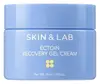 Key Ingredients
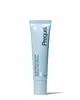
Benefits
Concerns
No concerns
Ingredients Side-by-side
Water
Skin ConditioningButylene Glycol
Humectant

Dipropylene Glycol
HumectantGlycerin
Humectant
Ectoin
Skin Conditioning



Niacinamide
Smoothing






Pentylene Glycol
Skin Conditioning
1,2-Hexanediol
Skin Conditioning
Carbomer
Emulsion StabilisingTromethamine
BufferingPanthenol
Skin Conditioning
PEG-240/Hdi Copolymer Bis-Decyltetradeceth-20 Ether
StabilisingCaprylic/Capric Triglyceride
Masking
Ethylhexylglycerin
Skin ConditioningAdenosine
Skin Conditioning
Hydrogenated Lecithin
Emulsifying
Sodium Phytate
Ceramide NP
Skin Conditioning
Beta-Glucan
Skin Conditioning
Allantoin
Skin Conditioning
Tocopherol
Antioxidant

Potassium Laurate
EmulsifyingMadecassoside
Antioxidant
Water, Butylene Glycol, Dipropylene Glycol, Glycerin, Ectoin, Niacinamide, Pentylene Glycol, 1,2-Hexanediol, Carbomer, Tromethamine, Panthenol, PEG-240/Hdi Copolymer Bis-Decyltetradeceth-20 Ether, Caprylic/Capric Triglyceride, Ethylhexylglycerin, Adenosine, Hydrogenated Lecithin, Sodium Phytate, Ceramide NP, Beta-Glucan, Allantoin, Tocopherol, Potassium Laurate, Madecassoside
Water
Skin ConditioningGlycerin
Humectant
Dimethicone
Emollient
Simmondsia Chinensis Seed Oil
Emollient

Squalane
Emollient
Glyceryl Stearate
Emollient
Cetyl Alcohol
Emollient
Stearyl Alcohol
Emollient
Oleic/Linoleic/Linolenic Polyglycerides
Emollient
Ceramide NP
Skin Conditioning
Polyglyceryl-6 Laurate
Emulsifying
Polyglyceryl-6 Oleate
Emulsifying
Saccharide Isomerate
Humectant
Lecithin
Emollient
Sorbitan Oleate
Emulsifying
Hydrogenated Lecithin
Emulsifying
Linoleic Acid
Cleansing
Sodium Hyaluronate
Humectant
Acetyl Heptapeptide-4
Humectant
Stearic Acid
Cleansing
Hydroxyacetophenone
Antioxidant
Acrylamide/Sodium Acryloyldimethyltaurate Copolymer
Emulsion StabilisingCeramide As
Skin Conditioning
Ceramide Ns
Skin Conditioning
Ceramide EOP
Skin Conditioning
Ceramide AP
Skin Conditioning
Linolenic Acid
Cleansing
Palmitic Acid
Emollient
Bacillus/Sea Salt Ferment Filtrate
Skin ConditioningIsohexadecane
EmollientBoron Nitride
Absorbent
1,2-Hexanediol
Skin Conditioning
Caprylyl Glycol
Emollient
Chlorphenesin
Antimicrobial
Tocopheryl Acetate
Antioxidant
Acrylates/C10-30 Alkyl Acrylate Crosspolymer
Emulsion StabilisingDicaprylyl Ether
Emollient
Polysorbate 80
Emulsifying
Aluminum Starch Octenylsuccinate
Absorbent
Sodium Hydroxide
BufferingCitric Acid
Buffering

Phenoxyethanol
Preservative
Myristic Acid
Cleansing
Tocopherol
Antioxidant
Sodium Citrate
BufferingWater, Glycerin, Dimethicone, Simmondsia Chinensis Seed Oil, Squalane, Glyceryl Stearate, Cetyl Alcohol, Stearyl Alcohol, Oleic/Linoleic/Linolenic Polyglycerides, Ceramide NP, Polyglyceryl-6 Laurate, Polyglyceryl-6 Oleate, Saccharide Isomerate, Lecithin, Sorbitan Oleate, Hydrogenated Lecithin, Linoleic Acid, Sodium Hyaluronate, Acetyl Heptapeptide-4, Stearic Acid, Hydroxyacetophenone, Acrylamide/Sodium Acryloyldimethyltaurate Copolymer, Ceramide As, Ceramide Ns, Ceramide EOP, Ceramide AP, Linolenic Acid, Palmitic Acid, Bacillus/Sea Salt Ferment Filtrate, Isohexadecane, Boron Nitride, 1,2-Hexanediol, Caprylyl Glycol, Chlorphenesin, Tocopheryl Acetate, Acrylates/C10-30 Alkyl Acrylate Crosspolymer, Dicaprylyl Ether, Polysorbate 80, Aluminum Starch Octenylsuccinate, Sodium Hydroxide, Citric Acid, Phenoxyethanol, Myristic Acid, Tocopherol, Sodium Citrate
Reviews
Ingredients Explained
These ingredients are found in both products.
Ingredients higher up in an ingredient list are typically present in a larger amount.
1,2-Hexanediol is a synthetic liquid and another multi-functional powerhouse.
It is a:
- Humectant, drawing moisture into the skin
- Emollient, helping to soften skin
- Solvent, dispersing and stabilizing formulas
- Preservative booster, enhancing the antimicrobial activity of other preservatives
Ceramide NP (formerly known as Ceramide 3) is one of the skin's naturally occurring lipids.
Since ceramides are the major lipid components of the skin, they are crucial for maintaining skin barrier and hydration. Ceramide NP most closely mirrors the dominant kind in human skin amongst ceramide subtypes.
This ceramide works by slotting into gaps within the stratum corneum's lipid matrix to limit trans-epidermal water loss (TEWL) and shield the skin against external irritants.
A study with 312 patients found that using a ceramide-containing routine for 4 weeks reduced the severity of atopic dermatitis by over 61%.
Another clinical study in subjects aged 60 and older found that a ceramide body wash and moisturizer improved skin dryness and itchy skin in 15 days.
Overall, ceramides are considered non-irritating and safety tests have found little to no observable adverse effects from using this ingredient.
Ceramide NP is usually sourced from plants (like soybean or rice bran), or produced synthetically.
Learn more about Ceramide NPGlycerin (or glycerol) is a compound naturally found in your skin. It's a powerhouse humectant that pulls water into the stratum corneum.
Topically, glycerin does several things at once:
Your skin makes glycerin on its own (mostly from sebaceous oil breakdown) and shuttles it to your outermost layer of skin, or your epidermis, via aquaporin-3.
Aquaporin-3 is a transporter that is essential for normal skin hydration, elasticity, and repair. Interestingly, mice lacking in AQP3 have dry and less elastic skin that can be fully corrected with glycerin.
This ingredient is non-irritating, plays well with almost every ingredient, and works across all skin types. Typical use is anywhere between 3-10% but can go up to 79% in some leave-on products.
Just know very high concentrations (>40%) can feel tacky in low humidity.
Glycerin is the name for this ingredient in American English. British English uses Glycerol/Glycerine.
Learn more about GlycerinHydrogenated Lecithin is a more stable version of lecithin.
It's made by taking lecithin (a phospholipid commonly found in soybeans and egg yolks) and hydrogenating it. This just means the unsaturated fatty acids are turned into saturated ones so they don't go bad as easily.
This ingredient is an emollient, emulsifier, and penetration enhancer. As an emollient, it helps soften and hydrate skin by trapping moisture within. As an emulsifier, it prevents oil and water ingredients from separating.
Hydrogenated Lecithin can form tiny spherical structures made of phospholipid bilayers called liposomes. These liposomes are able to capture compounds inside their structure and deliver them through the skin barrier.
Because phospholipids are a natural component of our cell membranes, this ingredient is inherently compatible with skin.
A 2021 study found lecithin-based surfactants were less harsh and more tolerable comared to Sodium Lauryl Sulfate (SLS).
Learn more about Hydrogenated LecithinTocopherol is a fat-soluble antioxidant known as Vitamin E.
You'll find this ingredient in the vast majority of skincare (for good reason). It works to neutralize free radicals, or unstable molecules generated by UV exposure, pollution, and other environmental stressors, before they can cause oxidative damage to your skin cells.
Topically applied tocopherol has been shown to protect against UV damage by ramping up the skin's own natural defense enzymes.
It also acts as a skin conditioning agent; some studies show that regular topical use can improve the skin's water-binding capacity over 2-4 weeks.
This ingredient is especially loved for being a team player. When combined with Vitamin C, the photoprotective effect of both ingredients roughly doubles and the combo also helps reduce UV-induced DNA damage.
This ingredient has some brightening potential but it's more of a prevention ingredient than spot-fader. Cell studies show it can slow down melanin production but it's worth noting that it's not the most powerful brightener out there.
In formulations, it also serves as a stabilizer that helps protect other oxidation-prone ingredients from degrading.
Concentrations usually range from 0.1-1% in most leave-on products.
Learn more about TocopherolWater. It's the most common cosmetic ingredient of all. You'll usually see it at the top of ingredient lists, meaning that it makes up the largest part of the product.
So why is it so popular? Water most often acts as a solvent - this means that it helps dissolve other ingredients into the formulation.
You'll also recognize water as that liquid we all need to stay alive. If you see this, drink a glass of water. Remember to stay hydrated!
Learn more about Water

