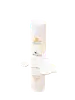
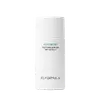
Skin Game Panthenol Chemical Sunscreen SPF 50 Versus ELFORMULA Mugwort Soothing Sun Gel SPF 40 PA+++
This chemical sunscreen covers most of the UV range, lighter on the deep UVA that drives aging.
This chemical sunscreen covers burning UVB and near UVA but not the deep UVA that drives aging.

What's inside
What's inside
 Key Ingredients
Benefits
Concerns
No concerns
Ingredients Side-by-side
Water
Skin ConditioningGlycerin
Humectant


Dibutyl Adipate
EmollientButyloctyl Salicylate
Skin Conditioning

Butyl Methoxydibenzoylmethane
UV Absorber
Ethylhexyl Salicylate
UV Absorber
Octocrylene
UV Absorber

Homosalate
Skin Conditioning
Polymethylsilsesquioxane

Terephthalylidene Dicamphor Sulfonic Acid
UV Absorber
Butylene Glycol
Humectant
Methyl Methacrylate Crosspolymer

Pentylene Glycol
Skin Conditioning
Tromethamine
Buffering1,2-Hexanediol
Skin Conditioning
Panthenol
Skin Conditioning

Silica
Abrasive

Glyceryl Glucoside
Humectant
Inulin Lauryl Carbamate
Emulsion StabilisingAcrylates/C10-30 Alkyl Acrylate Crosspolymer
Emulsion StabilisingSodium Acrylate/Sodium Acryloyldimethyl Taurate Copolymer
Emulsion StabilisingGlyceryl Caprylate
EmollientCaprylyl Glycol
Emollient
Hydroxyacetophenone
Antioxidant
Isohexadecane
EmollientPolysorbate 80
Emulsifying

Propanediol
Solvent
Sorbitan Oleate
Emulsifying
Ethyl Hexanediol
SolventTremella Fuciformis Extract
Humectant
Solanum Lycopersicum Fruit Extract
Antioxidant
Ascorbyl Glucoside
Antioxidant


Ethylhexylglycerin
Skin ConditioningMagnesium Chloride
Calcium Gluconate
HumectantPyridoxine Hcl
Skin ConditioningAllantoin
Skin Conditioning
Yeast Extract
Skin ConditioningCentella Asiatica Leaf Water
Skin Conditioning
Camellia Sinensis Leaf Extract
Antimicrobial
Cyanocobalamin
Skin ConditioningBiosaccharide Gum-4
Skin Conditioning
Phenoxyethanol
Preservative
Dimethylsilanol Hyaluronate
Humectant
Hydrolyzed Hyaluronic Acid
Humectant
Hydrolyzed Sodium Hyaluronate
Skin Conditioning
Sodium Hyaluronate
Humectant
Hyaluronic Acid
Humectant
Potassium Hyaluronate
Skin ConditioningSodium Hyaluronate Crosspolymer
Humectant
Hydroxypropyltrimonium Hyaluronate
Sodium Hyaluronate Dimethylsilanol
HumectantSodium Acetylated Hyaluronate
Humectant
Water, Glycerin, Dibutyl Adipate, Butyloctyl Salicylate, Butyl Methoxydibenzoylmethane, Ethylhexyl Salicylate, Octocrylene, Homosalate, Polymethylsilsesquioxane, Terephthalylidene Dicamphor Sulfonic Acid, Butylene Glycol, Methyl Methacrylate Crosspolymer, Pentylene Glycol, Tromethamine, 1,2-Hexanediol, Panthenol, Silica, Glyceryl Glucoside, Inulin Lauryl Carbamate, Acrylates/C10-30 Alkyl Acrylate Crosspolymer, Sodium Acrylate/Sodium Acryloyldimethyl Taurate Copolymer, Glyceryl Caprylate, Caprylyl Glycol, Hydroxyacetophenone, Isohexadecane, Polysorbate 80, Propanediol, Sorbitan Oleate, Ethyl Hexanediol, Tremella Fuciformis Extract, Solanum Lycopersicum Fruit Extract, Ascorbyl Glucoside, Ethylhexylglycerin, Magnesium Chloride, Calcium Gluconate, Pyridoxine Hcl, Allantoin, Yeast Extract, Centella Asiatica Leaf Water, Camellia Sinensis Leaf Extract, Cyanocobalamin, Biosaccharide Gum-4, Phenoxyethanol, Dimethylsilanol Hyaluronate, Hydrolyzed Hyaluronic Acid, Hydrolyzed Sodium Hyaluronate, Sodium Hyaluronate, Hyaluronic Acid, Potassium Hyaluronate, Sodium Hyaluronate Crosspolymer, Hydroxypropyltrimonium Hyaluronate, Sodium Hyaluronate Dimethylsilanol, Sodium Acetylated Hyaluronate
Water
Skin ConditioningCyclopentasiloxane
Emollient
Phenylbenzimidazole Sulfonic Acid
UV Absorber
Glycerin
Humectant
Centella Asiatica Leaf Water
Skin Conditioning
Dimethicone
Emollient
Tromethamine
BufferingPolyphenylsilsesquioxane
Terephthalylidene Dicamphor Sulfonic Acid
UV Absorber
Vinyl Dimethicone
Panthenol
Skin Conditioning
PEG/PPG-17/6 Copolymer
SolventDimethicone/Vinyl Dimethicone Crosspolymer
Skin Conditioning
Glyceryl Glucoside
Humectant
Dimethicone/PEG-10/15 Crosspolymer
PEG-10 Dimethicone
Skin Conditioning
Hexylene Glycol
EmulsifyingHydroxyacetophenone
Antioxidant
Dipotassium Glycyrrhizate
Humectant
Dipropylene Glycol
HumectantSodium Citrate
BufferingTocopherol
Antioxidant

Artemisia Vulgaris Extract
Skin Conditioning
1,2-Hexanediol
Skin Conditioning
Water, Cyclopentasiloxane, Phenylbenzimidazole Sulfonic Acid, Glycerin, Centella Asiatica Leaf Water, Dimethicone, Tromethamine, Polyphenylsilsesquioxane, Terephthalylidene Dicamphor Sulfonic Acid, Vinyl Dimethicone, Panthenol, PEG/PPG-17/6 Copolymer, Dimethicone/Vinyl Dimethicone Crosspolymer, Glyceryl Glucoside, Dimethicone/PEG-10/15 Crosspolymer, PEG-10 Dimethicone, Hexylene Glycol, Hydroxyacetophenone, Dipotassium Glycyrrhizate, Dipropylene Glycol, Sodium Citrate, Tocopherol, Artemisia Vulgaris Extract, 1,2-Hexanediol
Reviews
Ingredients Explained
These ingredients are found in both products.
Ingredients higher up in an ingredient list are typically present in a larger amount.
1,2-Hexanediol is a synthetic liquid and another multi-functional powerhouse.
It is a:
- Humectant, drawing moisture into the skin
- Emollient, helping to soften skin
- Solvent, dispersing and stabilizing formulas
- Preservative booster, enhancing the antimicrobial activity of other preservatives
Centella Asiatica Leaf Water is created by distilling centella asiatica leaves. Centella Asiatica is a herb native to Southeast Asia.
Many active components found in Centella Asiatica Extract, such as Madecassic Acid and Asiaticoside, encourage the skin to naturally produce hyaluronic acid. This helps keep our skin hydrated. Many of these components also show antioxidant activity and may help reduce the signs of aging.
Other components of Centella Asiatic Extract include Vitamin A, vitamin C, several B vitamins, and Asiatic Acid.
Learn more about Centella Asiatica Leaf WaterGlycerin (or glycerol) is a compound naturally found in your skin. It's a powerhouse humectant that pulls water into the stratum corneum.
Topically, glycerin does several things at once:
Your skin makes glycerin on its own (mostly from sebaceous oil breakdown) and shuttles it to your outermost layer of skin, or your epidermis, via aquaporin-3.
Aquaporin-3 is a transporter that is essential for normal skin hydration, elasticity, and repair. Interestingly, mice lacking in AQP3 have dry and less elastic skin that can be fully corrected with glycerin.
This ingredient is non-irritating, plays well with almost every ingredient, and works across all skin types. Typical use is anywhere between 3-10% but can go up to 79% in some leave-on products.
Just know very high concentrations (>40%) can feel tacky in low humidity.
Glycerin is the name for this ingredient in American English. British English uses Glycerol/Glycerine.
Learn more about GlycerinGlyceryl Glucoside is made from glycerol and glucose.
It is a humectant. Humectants help hydrate your skin by drawing moisture to it from the air.
Some foods that contain glyceryl glucoside include sake, miso, and wines.
Learn more about Glyceryl GlucosideHydroxyacetophenone is a small phenolic molecule that earns its place in a formulas as an antioxidant and preservative booster.
As a phenol, it is able to neutralize free radicals to protect both the product and the skin from oxidative stress.
Though it can't kill microbes on its own, it works as a good supporting agent when combined with other preservatives like Phenoxyethanol or 1,2-Hexanediol.
This ingredient naturally occurs as piceol in Norwegian spruce needles (~0.4-1.1% dry weight and in cloudberries). Though the cosmetic-grade material is synthesized for purity and consistency.
You'll usually see it used at low levels and suppliers recommend up to 1% added to a water phase.
Safety testing was done at concentrations like 0.05% in SPF products and 0.5% in a Human Repeated Insult Patch Test. The safety evidence is assuring; this ingredient is safe for cosmetics in current use and also holds safety status as a food flavoring as well.
An honest caveat: the "soothing" and "anti-inflammatory" claims come mostly from supplier marketing rather than published clinical trials. The Cosmetic Ingredient Review's own literature search found no useful efficacy studies on this ingredient.
So the antioxidant and preservative-boosting roles are the well supported ones while the calming benefit is plausible but thinly evidenced.
Overall, this is a well-tolerated, low-irritation multitasker that quietly helps a formula stay fresh and stable.
Learn more about HydroxyacetophenonePanthenol is a common ingredient that helps hydrate and soothe the skin. It is found naturally in our skin and hair.
There are two forms of panthenol: D and L.
D-panthenol is also known as dexpanthenol. Most cosmetics use dexpanthenol or a mixture of D and L-panthenol.
Panthenol is famous due to its ability to go deeper into the skin's layers. Using this ingredient has numerous pros (and no cons):
Like hyaluronic acid, panthenol is a humectant. Humectants are able to bind and hold large amounts of water to keep skin hydrated.
This ingredient works well for wound healing. It works by increasing tissue in the wound and helps close open wounds.
Once oxidized, panthenol converts to pantothenic acid. Panthothenic acid is found in all living cells.
This ingredient is also referred to as pro-vitamin B5.
Learn more about PanthenolTerephthalylidene Dicamphor Sulfonic Acid (aka ecamsule or Mexoryl SX) is a water-soluble organic UV filter developed and patented by L'Oreal back in 1982.
It's one of the better UVA protectors out there and shields skin across a broad UVA range (~290-390 nm) with peak absorption right around 345 nm.
This peak absorption happens to be the exact type of UVA light that sinks deepest into skin and does the most to cause aging and dark spots.
Ecamsule works by soaking up UV rays and turning them into a tiny bit of harmless heat. The molecule basically flips, releases that energy as heat, then snaps back to its original shape and does it all over again. This is also why it's so stable in sunlight and doesn't break down or wear out the way some filters do.
The clinical backing for this ingredient is solid as well:
A large 2008 review by Fourtanier & colleagues (2008) pulled together human trials showing ecamsule-containing sunscreens prevented UV-induced pigmentation, DNA damage, and signs of aging.
That built on earlier work by Seite et al. (1998) that found it protected skin from repeated low-level UVA exposure. And a controlled study by DeLeo et al. (2009) showed that even an SPF 40 cream with ecamsule helped prevent sun-triggered rash even under the real sun.
On concentrations:
Because this ingredient is an acid, it has to be neutralized so it doesn't tank the product's pH.
Safety-wise, it's pretty well tolerated. There are some rare cases of mild irritation mostly in people with sensitivities towards camphor derivatives.
A 2019 FDA study found that volunteers who slathered on sunscreen heavily for several days had tiny amounts of ecamsule show up in their blood. This was slightly above the level at which the FDA asks for extra safety testing; this just means the FDA wants more safety studies done and not evidence that anything harmful actually happens. No problems were found and dermatologists still recommend using sunscreen.
Learn more about Terephthalylidene Dicamphor Sulfonic AcidTromethamine (aka THAM) is a synthetic amino acid that shows up in skincare as a helper ingredient.
It functions as a pH adjuster to help neutralize acidic ingredients and set a formula's pH to the right spot.
This matters a lot because a lot of actives (like vitamin C) needs a specific pH to work well and feel comfortable on skin.
Concentration use ranges from 0.1-1.0% depending on the formula.
Learn more about TromethamineWater. It's the most common cosmetic ingredient of all. You'll usually see it at the top of ingredient lists, meaning that it makes up the largest part of the product.
So why is it so popular? Water most often acts as a solvent - this means that it helps dissolve other ingredients into the formulation.
You'll also recognize water as that liquid we all need to stay alive. If you see this, drink a glass of water. Remember to stay hydrated!
Learn more about Water

