Shiseido Benefiance Wrinkle Smoothing Eye Cream Versus Estée Lauder Advanced Night Repair Eye Supercharged Complex
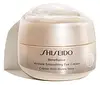
This anti-aging eye moisturizer is formulated around Squalane and Carnosine to soften the look of wrinkles and hydrate skin.
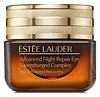
This barrier-repair eye moisturizer is formulated around Bifida Ferment Lysate and Caffeine to strengthen the skin barrier and soften the look of wrinkles.


What's inside
What's inside
 Key Ingredients
Benefits
Concerns
Ingredients Side-by-side
Water
Skin ConditioningHydrogenated Polydecene
EmollientGlycerin
Humectant


Paraffinum Liquidum
Emollient


Petrolatum
Emollient
Butylene Glycol
Humectant
Paraffin
Skin Conditioning
Polyglyceryl-2 Diisostearate
Emulsifying

Squalane
Emollient
Glyceryl Oleate
Emollient

Sodium PCA
Humectant
Glutamic Acid
Humectant
Dipropylene Glycol
HumectantCarnosine
Skin Conditioning
Beeswax
Emulsion Stabilising

Microcrystalline Wax
Emulsion StabilisingSodium Hydroxide
BufferingAlcohol
Antimicrobial

Polyethylene
Abrasive
Methylparaben
Preservative


Tocopheryl Acetate
Antioxidant


Ethylparaben
Preservative
Phytosteryl/Octyldodecyl Lauroyl Glutamate
Skin ConditioningParfum
Masking
Trisodium EDTA
Tocopherol
Antioxidant

Sodium Metabisulfite
Antioxidant
Caffeine
Skin Conditioning
CI 77492
Cosmetic ColorantPEG/PPG-14/7 Dimethyl Ether
Skin ConditioningPPG-3 Dipivalate
Skin ConditioningLinalool
Perfuming
Limonene
Perfuming
Sapindus Mukorossi Peel Extract
Skin ConditioningCitronellol
Perfuming
Uncaria Gambir Extract
AstringentGeraniol
Perfuming
Angelica Keiskei Leaf/Stem Extract
Skin ConditioningAlpha-Isomethyl Ionone
Perfuming
Sanguisorba Officinalis Root Extract
CleansingCrataegus Monogyna Flower Extract
Skin ConditioningCamellia Sinensis Leaf Extract
Antimicrobial

Sodium Acetylated Hyaluronate
Humectant
Hydroxyproline
Skin ConditioningCI 77491
Cosmetic ColorantCitrus Junos Seed Extract
Antioxidant
Cinnamomum Cassia Bark Extract
Masking
Ziziphus Jujuba Fruit Extract
Skin ConditioningChlorella Vulgaris Extract
Skin ConditioningEucheuma Serra/Grateloupia Sparsa/Saccharina Angustata/Ulva Linza/Undaria Pinnatifida Extract
EmollientCarbomer
Emulsion StabilisingSodium Lactate
Buffering
BHT
Antioxidant
Curcuma Longa Rhizome Extract
Skin ConditioningPolysorbate 20
Emulsifying
Saccharina Angustata/Undaria Pinnatifida Extract
EmollientPalmitoyl Tripeptide-1
Skin Conditioning

Palmitoyl Tetrapeptide-7
Skin Conditioning
Water, Hydrogenated Polydecene, Glycerin, Paraffinum Liquidum, Petrolatum, Butylene Glycol, Paraffin, Polyglyceryl-2 Diisostearate, Squalane, Glyceryl Oleate, Sodium PCA, Glutamic Acid, Dipropylene Glycol, Carnosine, Beeswax, Microcrystalline Wax, Sodium Hydroxide, Alcohol, Polyethylene, Methylparaben, Tocopheryl Acetate, Ethylparaben, Phytosteryl/Octyldodecyl Lauroyl Glutamate, Parfum, Trisodium EDTA, Tocopherol, Sodium Metabisulfite, Caffeine, CI 77492, PEG/PPG-14/7 Dimethyl Ether, PPG-3 Dipivalate, Linalool, Limonene, Sapindus Mukorossi Peel Extract, Citronellol, Uncaria Gambir Extract, Geraniol, Angelica Keiskei Leaf/Stem Extract, Alpha-Isomethyl Ionone, Sanguisorba Officinalis Root Extract, Crataegus Monogyna Flower Extract, Camellia Sinensis Leaf Extract, Sodium Acetylated Hyaluronate, Hydroxyproline, CI 77491, Citrus Junos Seed Extract, Cinnamomum Cassia Bark Extract, Ziziphus Jujuba Fruit Extract, Chlorella Vulgaris Extract, Eucheuma Serra/Grateloupia Sparsa/Saccharina Angustata/Ulva Linza/Undaria Pinnatifida Extract, Carbomer, Sodium Lactate, BHT, Curcuma Longa Rhizome Extract, Polysorbate 20, Saccharina Angustata/Undaria Pinnatifida Extract, Palmitoyl Tripeptide-1, Palmitoyl Tetrapeptide-7
Methyl Trimethicone
Skin Conditioning
Water
Skin ConditioningBifida Ferment Lysate
Skin Conditioning
Dimethicone
Emollient
Dimethicone/Vinyl Dimethicone Crosspolymer
Skin Conditioning
Propanediol
Solvent
Sucrose
Humectant
Petrolatum
Emollient
Polysorbate 40
Emulsifying
Trehalose
Humectant
Algae Extract
Emollient
Morus Bombycis Root Extract
Skin ConditioningScutellaria Baicalensis Root Extract
Astringent
Lactobacillus Ferment
Skin Conditioning
Triticum Vulgare Germ Extract
Skin ConditioningAcrylamide/Sodium Acryloyldimethyltaurate Copolymer
Emulsion StabilisingBetula Alba Bark Extract
Masking
Hydrolyzed Algin
Poria Cocos Sclerotium Extract
AstringentJojoba Alcohol
Emollient
Ethylhexylglycerin
Skin ConditioningGlycine Soja Seed Extract
Skin Conditioning
Isopropyl Jojobate
EmollientJojoba Esters
Emollient
Isohexadecane
EmollientFaex Extract
Skin ConditioningHydrogenated Lecithin
Emulsifying
Hordeum Vulgare Extract
EmollientPEG/PPG-18/18 Dimethicone
Emulsifying
Cholesterol
Emollient
Anthemis Nobilis Flower Extract
Masking
Tocopheryl Acetate
Antioxidant
Sodium Rna
Skin ConditioningCaffeine
Skin Conditioning
Polysorbate 80
Emulsifying
Caprylyl Glycol
Emollient
Phytosphingosine
Skin Conditioning
Squalane
Emollient
Potassium Sulfate
Sodium Hyaluronate
Humectant
Acrylates/C10-30 Alkyl Acrylate Crosspolymer
Emulsion StabilisingTripeptide-32
Skin Conditioning
Butylene Glycol
Humectant
Tromethamine
BufferingDisodium EDTA
BHT
Antioxidant
Phenoxyethanol
Preservative
CI 77491
Cosmetic ColorantCI 77492
Cosmetic ColorantCI 77499
Cosmetic ColorantMethyl Trimethicone, Water, Bifida Ferment Lysate, Dimethicone, Dimethicone/Vinyl Dimethicone Crosspolymer, Propanediol, Sucrose, Petrolatum, Polysorbate 40, Trehalose, Algae Extract, Morus Bombycis Root Extract, Scutellaria Baicalensis Root Extract, Lactobacillus Ferment, Triticum Vulgare Germ Extract, Acrylamide/Sodium Acryloyldimethyltaurate Copolymer, Betula Alba Bark Extract, Hydrolyzed Algin, Poria Cocos Sclerotium Extract, Jojoba Alcohol, Ethylhexylglycerin, Glycine Soja Seed Extract, Isopropyl Jojobate, Jojoba Esters, Isohexadecane, Faex Extract, Hydrogenated Lecithin, Hordeum Vulgare Extract, PEG/PPG-18/18 Dimethicone, Cholesterol, Anthemis Nobilis Flower Extract, Tocopheryl Acetate, Sodium Rna, Caffeine, Polysorbate 80, Caprylyl Glycol, Phytosphingosine, Squalane, Potassium Sulfate, Sodium Hyaluronate, Acrylates/C10-30 Alkyl Acrylate Crosspolymer, Tripeptide-32, Butylene Glycol, Tromethamine, Disodium EDTA, BHT, Phenoxyethanol, CI 77491, CI 77492, CI 77499
Reviews
Ingredients Explained
These ingredients are found in both products.
Ingredients higher up in an ingredient list are typically present in a larger amount.
BHT is a synthetic antioxidant and preservative.
As an antioxidant, it helps your body fight off free-radicals. Free-radicals are molecules that may damage your skin cells.
As a preservative, it is used to stabilize products and prevent them from degrading. Specifically, BHT prevents degradation from oxidation.
The concerns related to BHT come from oral studies; this ingredient is currently allowed for use by both the FDA and EU.
However, it was recently restricted for use in the UK as of April 2024.
Learn more about BHTButylene Glycol (or BG) is used within cosmetic products for a few different reasons:
Overall, Butylene Glycol is a safe and well-rounded ingredient that works well with other ingredients.
Though this ingredient works well with most skin types, some people with sensitive skin may experience a reaction such as allergic rashes, closed comedones, or itchiness.
Learn more about Butylene GlycolCaffeine is a naturally occurring plant compound found in coffee beans, tea leaves, cocoa pods, and guarana.
As an antioxidant, caffeine protects your skin from free radical damage caused by UV exposure and envionrmnetal stressors.
Early research also shows that caffeine can help calm redness, soothe irritated skin, and support hair growth by stimulating microcirculation in the scalp.
You might have seen eye creams marketing caffeine as a depuffing ingredient. This is because it is a vasoconstrictor meaning it can temporarily constrict blood vessels, though clinical evidence for this specific use is still limited.
Most skincare products contain this ingredient at concentrations between 1-6%. It is able to penetrate skin easily regardless of skin type or thickness.
Just so you know, a very small number of case reports describe caffeine-induced allergy. This ingredient is generally well-tolerated, non-irritating, and non-sensitizing for the majority of people.
Learn more about CaffeineCi 77491 is also hydrated iron III oxide. It's sole purpose is to give a red/pink hue to products.
Iron III oxides are classified as inorganic chemicals for coloring.
Synthetically created Ci 77491 is considered safer than those naturally found. This is because the synthetically created version may contain less impurities. Iron oxides are generally non-toxic and non-allergenic.
Learn more about CI 77491CI 77492 is also hydrated iron III oxide. It's sole purpose is to give a yellow hue to products.
Iron III oxides are classified as inorganic chemicals for coloring.
Synthetically created CI 77492 is considered safer than those naturally found. This is because the synthetically created version may contain less impurities. Iron oxides are generally non-toxic and non-allergenic.
Learn more about CI 77492Petrolatum is more commonly known as petroleum jelly. It is created by mixing waxes and mineral oils.
This ingredient is effective at reducing water loss by 99%. This is because it is an occlusive. Occlusives create a hydrophobic barrier on the skin to prevent evaporation. This property makes it great for hydrating dry skin.
Pro tip: Use occlusives, such as this ingredient, on damp skin for the best results.
The quality or origin of petrolatum is only known when disclosed by the brand. Most cosmetic petrolatum has gone through several purification stages.
Another benefit of occlusives is it protects your skin against infection or allergies.
Petrolatum is fungal acne safe. It is a hydrocarbon with no fatty acid structure, so Malassezia cannot metabolize it. In-vitro studies support negligible growth stimulation as well.
It's also worth noting that petrolatum has a comedogenic rating of 0. In updated rabbit ear testing (and in human testing), petrolatum was found to be not comedogenic. This means it didn’t promote comedone formation in standard models.
Learn more about PetrolatumSqualane is the hydrogenated and shelf-stable form of squalene (a lipid that naturally occurs in human sebum).
It is an emollient and skin conditioning agent that is able to integrate seamlessly into the skin's lipid barrier without clogging pores.
This is due to how structurally similar it is to what your skin already produces.
Though it is mostly an emollient that helps soften and hydrate skin, it also has some humectant and occlusive action. Humectants help the skin retain moisture while occlusives seal it in, making squalane a triple-threat moisturizer.
Research shows it has antioxidant capabilities that help protect against stressors like UV exposure, specifically UVA induced oxidative stress. This study also found that it supports collagen biosynthesis in human dermal fibroblasts.
No clinical study has reported significant adverse effects and irritation reactions are very rare from this ingredient (even at 100% concentration).
Overall, it's a fantastic ingredient for hydration and is suitable for all skin types.
This depends on the source. Squalane can be derived from both plants and animals. Most squalane used in skincare comes from plants.
Please note: the source of squalane is only known if disclosed by the brand. We recommend reaching out to the brand if you have any questions about their squalane.
Read more about squalene with an "e".
Though squalane is often called an oil, it’s technically not one. It is a hydrocarbon, meaning it is only made of carbon and hydrogen. True oils are triglycerides and made of fatty acids and glycerol.
The term “oil-free” isn’t regulated so companies can define it however they want. Some exclude all oils, while others just avoid mineral oil or comedogenic oils.
Squalane has a comedogenic rating of 1 from the original 1972 study that tested raw ingredients under occlusion on rabbit ears. This system is not standardized or peer-reviewed, and using the raw ingredients is very different from how diluted cosmetic formulations are used on human skin.
A comedogenic rating of 1 means it is "unlikely to clog pores" according to the original rating system.
The overall formula of a product matters more than the individual ingredients on whether or not it will cause clogged pores.
Learn more about SqualaneTocopheryl Acetate is a stable, shelf-friendly form of vitamin E.
Formulators love it because plain vitamin E oxidizes quickly once it hits air. This acetate version stays stable and resists going off, helping to extend a product's shelf life.
It's actually inactive on its own and works like a slow-release "storage" form; the enzymes in your skin called esterases gradually convert it into active vitamin E over time.
One in vivo study showed 5% of the acetate in the living layer of the epidermis converted to vitamin E after 5 days of application. This study also found the skin gained protection against UV damage even though the conversion was slow and small.
Once converted, vitamin E acts as a skin's main fat-soluble antioxidant that fights free radicals to protect skin from damage.
Topical vitamin E generally boosts the skin's photoprotection, and it reduced UV-damage in animal models.
This ingredient has some brightening potential but it's more of a prevention ingredient than spot-fader. Cell studies show it can slow down melanin production but it's worth noting that it's not the most powerful brightener out there.
Overall, it has a pretty solid safety profile and has been found to be non-irritating and non-comedogenic. Allergic reactions may happen but stay rare due to how widely the ingredient gets used.
The concentration will vary depending on the formula; industry data shows 0.1% in baby lotions, 3% in lipsticks, and 5% in foot powders. You can also find this ingredient at 100% in a pure vitamin E oil.
Most leave-on skincare keeps it at the lower end, often between 0.5-1%.
Learn more about Tocopheryl AcetateWater. It's the most common cosmetic ingredient of all. You'll usually see it at the top of ingredient lists, meaning that it makes up the largest part of the product.
So why is it so popular? Water most often acts as a solvent - this means that it helps dissolve other ingredients into the formulation.
You'll also recognize water as that liquid we all need to stay alive. If you see this, drink a glass of water. Remember to stay hydrated!
Learn more about Water

