
What's inside
What's inside
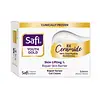 Key Ingredients
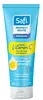
Benefits
Concerns
Ingredients Side-by-side
Water
Skin ConditioningNiacinamide
Smoothing











Glycerin
Humectant
Betaine
Humectant
Butylene Glycol
Humectant
Biosaccharide Gum-1
Humectant
Dimethicone
Emollient
Cyclopentasiloxane
Emollient
Carbomer
Emulsion StabilisingEthylhexylglycerin
Skin ConditioningBisabolol
Antioxidant
Aminomethyl Propanol
BufferingSodium Polyacrylate
Absorbent
Xanthan Gum
EmulsifyingDisodium EDTA
Sodium Hyaluronate
Humectant
Diethylhexyl Syringylidenemalonate
Skin ProtectingTrideceth-6
EmulsifyingPEG/PPG-18/18 Dimethicone
Emulsifying
Alpha-Glucan Oligosaccharide
Cleansing
Caprylic/Capric Triglyceride
Masking
Sodium Lauroyl Lactylate
EmulsifyingPolymnia Sonchifolia Root Juice
Skin ConditioningMaltodextrin
Absorbent
Ceteareth-25
CleansingZingiber Officinale Root Extract
Masking
Lactobacillus Ferment
Skin Conditioning
Panicum Miliaceum Seed Extract
Skin ConditioningCeramide NP
Skin Conditioning
Cetearyl Alcohol
Emollient



Cholesterol
Emollient
Ceramide AP
Skin Conditioning
Phytosphingosine
Skin Conditioning
Lactobacillus
Skin ConditioningSorbitol
Humectant
Propanediol
Solvent
Behenic Acid
Cleansing
Ceramide Ns
Skin Conditioning
Ceramide Eos
Skin Conditioning
Ceramide EOP
Skin Conditioning
1,2-Hexanediol
Skin Conditioning
Caprylyl Glycol
Emollient
Caprooyl Phytosphingosine
Skin Conditioning
Caprooyl Sphingosine
Skin ConditioningAcetyl Heptapeptide-9
Skin Conditioning
Colloidal Gold
AntimicrobialAscorbic Acid
Antioxidant
Glutathione
Phenoxyethanol
Preservative
Chlorphenesin
Antimicrobial
Potassium Sorbate
Preservative
Sodium Benzoate
Masking
Water, Niacinamide, Glycerin, Betaine, Butylene Glycol, Biosaccharide Gum-1, Dimethicone, Cyclopentasiloxane, Carbomer, Ethylhexylglycerin, Bisabolol, Aminomethyl Propanol, Sodium Polyacrylate, Xanthan Gum, Disodium EDTA, Sodium Hyaluronate, Diethylhexyl Syringylidenemalonate, Trideceth-6, PEG/PPG-18/18 Dimethicone, Alpha-Glucan Oligosaccharide, Caprylic/Capric Triglyceride, Sodium Lauroyl Lactylate, Polymnia Sonchifolia Root Juice, Maltodextrin, Ceteareth-25, Zingiber Officinale Root Extract, Lactobacillus Ferment, Panicum Miliaceum Seed Extract, Ceramide NP, Cetearyl Alcohol, Cholesterol, Ceramide AP, Phytosphingosine, Lactobacillus, Sorbitol, Propanediol, Behenic Acid, Ceramide Ns, Ceramide Eos, Ceramide EOP, 1,2-Hexanediol, Caprylyl Glycol, Caprooyl Phytosphingosine, Caprooyl Sphingosine, Acetyl Heptapeptide-9, Colloidal Gold, Ascorbic Acid, Glutathione, Phenoxyethanol, Chlorphenesin, Potassium Sorbate, Sodium Benzoate
Glycerin
Humectant
Water
Skin ConditioningSodium Cocoyl Glycinate
Cleansing
Cocamidopropyl Betaine
Cleansing

Decyl Glucoside
Cleansing
Citric Acid
Buffering
Xanthan Gum
EmulsifyingTerminalia Ferdinandiana Fruit Extract
Antioxidant
Borago Officinalis Seed Oil
Emollient
Arginine
Masking
Lithothamnion Calcareum Extract
Skin ConditioningPerfluorodecalin
Skin Conditioning4-Butylresorcinol
Antioxidant
Dextrin
AbsorbentMannitol
Humectant
Simmondsia Chinensis Seed Oil
Emollient
Diatomaceous Earth
Abrasive
Lecithin
Emollient
Glycosphingolipids
EmollientSucrose Palmitate
EmollientZinc Sulfate
Antimicrobial
Phenoxyethanol
Preservative
Chlorphenesin
Antimicrobial
Potassium Sorbate
Preservative
Sodium Benzoate
Masking
Glycerin, Water, Sodium Cocoyl Glycinate, Cocamidopropyl Betaine, Decyl Glucoside, Citric Acid, Xanthan Gum, Terminalia Ferdinandiana Fruit Extract, Borago Officinalis Seed Oil, Arginine, Lithothamnion Calcareum Extract, Perfluorodecalin, 4-Butylresorcinol, Dextrin, Mannitol, Simmondsia Chinensis Seed Oil, Diatomaceous Earth, Lecithin, Glycosphingolipids, Sucrose Palmitate, Zinc Sulfate, Phenoxyethanol, Chlorphenesin, Potassium Sorbate, Sodium Benzoate
Ingredients Explained
These ingredients are found in both products.
Ingredients higher up in an ingredient list are typically present in a larger amount.
Chlorphenesin is a synthetic preservative. It helps protect a product against bacteria in order to extend shelf life. In most cases, Chlorphenesin is paired with other preservatives such as phenoxyethanol and caprylyl glycol.
Chlorphenesin is a biocide. This means it is able to help fight the microorganisms on our skin. It is also able to fight odor-releasing bacteria.
Chlorphenesin is soluble in both water and glycerin.
Studies show Chlorphenesin is easily absorbed by our skin. You should speak with a skincare professional if you have concerns about using Chlorphenesin.
Learn more about ChlorphenesinGlycerin (or glycerol) is a compound naturally found in your skin. It's a powerhouse humectant that pulls water into the stratum corneum.
Topically, glycerin does several things at once:
Your skin makes glycerin on its own (mostly from sebaceous oil breakdown) and shuttles it to your outermost layer of skin, or your epidermis, via aquaporin-3.
Aquaporin-3 is a transporter that is essential for normal skin hydration, elasticity, and repair. Interestingly, mice lacking in AQP3 have dry and less elastic skin that can be fully corrected with glycerin.
This ingredient is non-irritating, plays well with almost every ingredient, and works across all skin types. Typical use is anywhere between 3-10% but can go up to 79% in some leave-on products.
Just know very high concentrations (>40%) can feel tacky in low humidity.
Glycerin is the name for this ingredient in American English. British English uses Glycerol/Glycerine.
Learn more about GlycerinPhenoxyethanol is a preservative that has germicide, antimicrobial, and aromatic properties. Studies show that phenoxyethanol can prevent microbial growth. By itself, it has a scent that is similar to that of a rose.
It's often used in formulations along with Caprylyl Glycol to preserve the shelf life of products.
Potassium Sorbate is a preservative used to prevent yeast and mold in products. It is commonly found in both cosmetic and food products.
This ingredient comes from potassium salt derived from sorbic acid. Sorbic acid is a natural antibiotic and effective against fungus.
Both potassium sorbate and sorbic acid can be found in baked goods, cheeses, dried meats, dried fruit, ice cream, pickles, wine, yogurt, and more.
You'll often find this ingredient used with other preservatives.
Learn more about Potassium SorbateSodium Benzoate is a preservative. It's used in both cosmetic and food products to inhibit the growth of mold and bacteria. It is typically produced synthetically.
Both the US FDA and EU Health Committee have approved the use of sodium benzoate. In the US, levels of 0.1% (of the total product) are allowed.
Sodium benzoate works as a preservative by inhibiting the growth of bacteria inside of cells. It prevents the cell from fermenting a type of sugar using an enzyme called phosphofructokinase.
It is the salt of benzoic acid. Foods containing sodium benzoate include soda, salad dressings, condiments, fruit juices, wines, and snack foods.
Studies for using ascorbic acid and sodium benzoate in cosmetics are lacking, especially in skincare routines with multiple steps.
We always recommend speaking with a professional, such as a dermatologist, if you have any concerns.
Learn more about Sodium BenzoateWater. It's the most common cosmetic ingredient of all. You'll usually see it at the top of ingredient lists, meaning that it makes up the largest part of the product.
So why is it so popular? Water most often acts as a solvent - this means that it helps dissolve other ingredients into the formulation.
You'll also recognize water as that liquid we all need to stay alive. If you see this, drink a glass of water. Remember to stay hydrated!
Learn more about WaterXanthan gum is used as a stabilizer and thickener within cosmetic products. It helps give products a sticky, thick feeling - preventing them from being too runny.
On the technical side of things, xanthan gum is a polysaccharide - a combination consisting of multiple sugar molecules bonded together.
Xanthan gum is a pretty common and great ingredient. It is a natural, non-toxic, non-irritating ingredient that is also commonly used in food products.
Learn more about Xanthan Gum
