

What's inside
What's inside
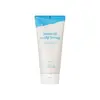 Key Ingredients
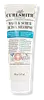
No key ingredients
Benefits
Concerns
Ingredients Side-by-side
Sodium Chloride
MaskingWater
Skin ConditioningGlycerin
Humectant


Sodium Lauroyl Glutamate
SurfactantCocamide Mipa
Emulsifying
Sodium C14-16 Olefin Sulfonate
Cleansing

Lauryl Hydroxysultaine
CleansingLauryl Glucoside
CleansingGlycol Distearate
Emollient

Sea Water
HumectantCaprylyl Glycol
Emollient
Panthenol
Skin Conditioning

Menthol
Masking

Salicylic Acid
Masking






Guar Hydroxypropyltrimonium Chloride
Skin ConditioningButylene Glycol
Humectant
Dipropylene Glycol
HumectantNiacinamide
Smoothing


Sea Salt
Abrasive
Disodium EDTA
ChelatingGlyceryl Caprylate
EmollientHouttuynia Cordata Powder
Skin Conditioning1,2-Hexanediol
Skin Conditioning
Candida Bombicola/Glucose/Methyl Rapeseedate Ferment
AntimicrobialHelianthus Annuus Seed Oil
Emollient
Diospyros Kaki Fruit Extract
Skin ConditioningCamellia Japonica Leaf Extract
Skin ConditioningCeratonia Siliqua Fruit Extract
MaskingCentella Asiatica Leaf Extract
Skin Conditioning
Camellia Japonica Seed Oil
Emollient
Moringa Oleifera Seed Oil
Emollient
Oenothera Biennis Oil
Emollient
Carthamus Tinctorius Seed Oil
Masking
Sodium Hyaluronate
Humectant
Lactococcus Ferment Lysate
Skin Conditioning
Bifida Ferment Lysate
Skin Conditioning
Lactobacillus Ferment Lysate
Skin Conditioning
Tocopherol
Antioxidant

Hydrogenated Lecithin
Emulsifying
Asiaticoside
Antioxidant
Madecassic Acid
Skin Conditioning
Asiatic Acid
Skin Conditioning
Hydrolyzed Wheat Protein
Skin ConditioningHydrolyzed Barley Protein
Skin ConditioningHydrolyzed Corn Protein
Skin ConditioningHydrolyzed Potato Protein
Skin ConditioningHydrolyzed Rice Protein
Skin ConditioningHydrolyzed Rice Bran Protein
Skin ConditioningHydrolyzed Soy Protein
Humectant
Hydrolyzed Oat Protein
Skin ConditioningHydrolyzed Pea Protein
EmollientHydrolyzed Sweet Almond Protein
Skin ConditioningBeta-Glucan
Skin Conditioning
Ceramide NP
Skin Conditioning
Linalool
Perfuming
Benzyl Benzoate
Antimicrobial
Limonene
Perfuming
Citronellol
Perfuming
Parfum
Masking
Sodium Chloride, Water, Glycerin, Sodium Lauroyl Glutamate, Cocamide Mipa, Sodium C14-16 Olefin Sulfonate, Lauryl Hydroxysultaine, Lauryl Glucoside, Glycol Distearate, Sea Water, Caprylyl Glycol, Panthenol, Menthol, Salicylic Acid, Guar Hydroxypropyltrimonium Chloride, Butylene Glycol, Dipropylene Glycol, Niacinamide, Sea Salt, Disodium EDTA, Glyceryl Caprylate, Houttuynia Cordata Powder, 1,2-Hexanediol, Candida Bombicola/Glucose/Methyl Rapeseedate Ferment, Helianthus Annuus Seed Oil, Diospyros Kaki Fruit Extract, Camellia Japonica Leaf Extract, Ceratonia Siliqua Fruit Extract, Centella Asiatica Leaf Extract, Camellia Japonica Seed Oil, Moringa Oleifera Seed Oil, Oenothera Biennis Oil, Carthamus Tinctorius Seed Oil, Sodium Hyaluronate, Lactococcus Ferment Lysate, Bifida Ferment Lysate, Lactobacillus Ferment Lysate, Tocopherol, Hydrogenated Lecithin, Asiaticoside, Madecassic Acid, Asiatic Acid, Hydrolyzed Wheat Protein, Hydrolyzed Barley Protein, Hydrolyzed Corn Protein, Hydrolyzed Potato Protein, Hydrolyzed Rice Protein, Hydrolyzed Rice Bran Protein, Hydrolyzed Soy Protein, Hydrolyzed Oat Protein, Hydrolyzed Pea Protein, Hydrolyzed Sweet Almond Protein, Beta-Glucan, Ceramide NP, Linalool, Benzyl Benzoate, Limonene, Citronellol, Parfum
Water
Skin ConditioningPerlite
Absorbent
Sodium Methyl Cocoyl Taurate
Cleansing
Cocamidopropyl Betaine
Cleansing
Decyl Glucoside
Cleansing
Lactobacillus Ferment Lysate
Skin Conditioning
Leuconostoc/Radish Root Ferment Filtrate
Antimicrobial
Hylocereus Undatus Fruit Extract
Skin ConditioningPaullinia Cupana Seed Extract
Skin ConditioningUrtica Dioica Leaf Extract
Skin ConditioningZingiber Officinale Root Extract
Masking
Malva Sylvestris Flower Extract
Skin ConditioningVinegar
Acrylates/C10-30 Alkyl Acrylate Crosspolymer
Emulsion StabilisingGuar Hydroxypropyltrimonium Chloride
Skin ConditioningPolyquaternium-10
Glycerin
Humectant
Citric Acid
Buffering
Potassium Sorbate
Preservative
Sodium Hydroxide
BufferingPhenoxyethanol
Preservative
Sodium Chloride
MaskingSodium Benzoate
Masking
Parfum
Masking
Linalool
Perfuming
Limonene
Perfuming
Water, Perlite, Sodium Methyl Cocoyl Taurate, Cocamidopropyl Betaine, Decyl Glucoside, Lactobacillus Ferment Lysate, Leuconostoc/Radish Root Ferment Filtrate, Hylocereus Undatus Fruit Extract, Paullinia Cupana Seed Extract, Urtica Dioica Leaf Extract, Zingiber Officinale Root Extract, Malva Sylvestris Flower Extract, Vinegar, Acrylates/C10-30 Alkyl Acrylate Crosspolymer, Guar Hydroxypropyltrimonium Chloride, Polyquaternium-10, Glycerin, Citric Acid, Potassium Sorbate, Sodium Hydroxide, Phenoxyethanol, Sodium Chloride, Sodium Benzoate, Parfum, Linalool, Limonene
Ingredients Explained
These ingredients are found in both products.
Ingredients higher up in an ingredient list are typically present in a larger amount.
Glycerin (or glycerol) is a compound naturally found in your skin. It's a powerhouse humectant that pulls water into the stratum corneum.
Topically, glycerin does several things at once:
Your skin makes glycerin on its own (mostly from sebaceous oil breakdown) and shuttles it to your outermost layer of skin, or your epidermis, via aquaporin-3.
Aquaporin-3 is a transporter that is essential for normal skin hydration, elasticity, and repair. Interestingly, mice lacking in AQP3 have dry and less elastic skin that can be fully corrected with glycerin.
This ingredient is non-irritating, plays well with almost every ingredient, and works across all skin types. Typical use is anywhere between 3-10% but can go up to 79% in some leave-on products.
Just know very high concentrations (>40%) can feel tacky in low humidity.
Glycerin is the name for this ingredient in American English. British English uses Glycerol/Glycerine.
Learn more about GlycerinThis ingredient is derived from guar gum. It is a skin conditioning agent that creates a thin, breathable film to reduce water loss during cleansing.
This leaves the skin feeling soft rather than stripped and also contributes to a creamier lather.
Due to the large molecule size, this ingredient is unlikely to penetrate skin.
Learn more about Guar Hydroxypropyltrimonium ChlorideLactobacillus Ferment Lysate is a postbiotic with skin soothing properties. Postbiotics are inactive molecules produced by probiotic bacteria that provide skin benefits.
This ingredient comes from the secretion of the bacteria, Lactobacillus.
Studies show this ingredient can help calm redness and may help treat the signs of photoaging; however, the evidence is inconclusive and further studies are needed.
Lactobacillus Ferment is generally considered safe for fungal-acne prone skin. The key thing to understand is that it comes from bacteria, not yeast or fungus.
Yeast-derived ferments (like galactomyces) have been shown to activate a protein that's linked to Malassezia-related skin issues whereas lactobacillus doesn't have that problem.
Its byproducts also don't contain the types of fatty acids (C11-24 chain lengths) that Malassezia feeds on.
Learn more about Lactobacillus Ferment LysateLimonene is the compound that gives citrus peel its smell.
In skincare, it shows up as a standalone fragrance ingredient or as a natural compound of citrus and other essential oils.
You'll typically see this ingredient used in very small amounts; anything above 0.001% in a leave-on product or 0.01% in a rinse-off has to be named on the label in the EU. The citrus oils that carry it sit around 0.5-1% in a finished formula.
Fresh limonene is a weak allergen; the real issue is that it slowly reacts with air and then breaks down from oxidation to create hydroperoxides (which are strong sensitizers). This is why suppliers are required to keep the peroxide value below 20 mmol.
Positive reactions in people being investigated for eczema vary:
It's worth skipping if you have a known fragrance allergy or a compromised barrier, but the risk is low for most people.
Older or long-opened products are also more likely to bother you than fresh ones due to oxidation.
Learn more about LimoneneLinalool is a small, naturally occurring scent molecule found in plants like lavender, coriander, bergamot, and more.
It is one of the two most-used fragrance ingredients in cosmetics and added purely for smell. Since it's not used for a skin benefit, there's no "effective dose". Concentration depends on the fragrance load of the product.
The EU requires it to be named on the label above 0.001% in leave-on and 0.01% in rinse-off products.
Fresh linalool is a weak sensitizer but air exposure turns some of it into hydroperoxides, which are strong sensitizers. Those oxidation products are the actual allergy concern.
Patch-test clinics see positive reactions to linalool hydroperoxides in about 4% to 12% of dermatitis patients depending on country and test concentration.
Resassuringly, one analytical study found hydroperoxide levels in real fragranced products to be orders of magnitude below what induced sensitization in animal studies with no evidence of oxidation building up during normal storage.
The practical takeaway is that linalool is fine for most people but worth avoiding if you have a confirmed fragrance contact allergy or a badly compromised barrier.
Products stored a long time after opening are also the high-risk scenario since that is when oxidation happens.
The scent of linalool is described as floral, spicy tropical, and citrus-like.
Learn more about LinaloolParfum is a catch-all term for an ingredient or more that is used to give a scent to products.
Also called "fragrance", this ingredient can be a blend of hundreds of chemicals or plant oils. This means every product with "fragrance" or "parfum" in the ingredients list is a different mixture.
For instance, Habanolide is a proprietary trade name for a specific aroma chemical. When used as a fragrance ingredient in cosmetics, most aroma chemicals fall under the broad labeling category of “FRAGRANCE” or “PARFUM” according to EU and US regulations.
The term 'parfum' or 'fragrance' is not regulated in many countries. In many cases, it is up to the brand to define this term.
For instance, many brands choose to label themselves as "fragrance-free" because they are not using synthetic fragrances. However, their products may still contain ingredients such as essential oils that are considered a fragrance by INCI standards.
One example is Calendula flower extract. Calendula is an essential oil that still imparts a scent or 'fragrance'.
Depending on the blend, the ingredients in the mixture can cause allergies and sensitivities on the skin. Some ingredients that are known EU allergens include linalool and citronellol.
Parfum can also be used to mask or cover an unpleasant scent.
The bottom line is: not all fragrances/parfum/ingredients are created equally. If you are worried about fragrances, we recommend taking a closer look at an ingredient. And of course, we always recommend speaking with a professional.
Learn more about ParfumChances are, you eat sodium chloride every day. Sodium Chloride is also known as table salt. This ingredient has many purposes in skincare: thickener, emulsifier, and exfoliator.
You'll most likely find this ingredient in cleansers where it is used to create a gel-like texture. As an emulsifier, it also prevents ingredients from separating.
You might see people debate whether Sodium Chloride is comedogenic, but there actually haven't been any comedogenic tests done on it. Either way, the overall formulation of a product matters a lot more than any single ingredient.
You might see this ingredient used in scrubs as a primary exfoliating ingredient.
Learn more about Sodium ChlorideWater. It's the most common cosmetic ingredient of all. You'll usually see it at the top of ingredient lists, meaning that it makes up the largest part of the product.
So why is it so popular? Water most often acts as a solvent - this means that it helps dissolve other ingredients into the formulation.
You'll also recognize water as that liquid we all need to stay alive. If you see this, drink a glass of water. Remember to stay hydrated!
Learn more about Water

