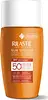
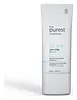
Rilastil Sun System Water Touch Fluid SPF 50+ Versus The Purest Solutions Matte Finish Sunscreen for Oily Skin 50+ SPF Dry Touch
This chemical sunscreen covers the full UV range and blocks ~98% of UVB at SPF 50.
This hybrid sunscreen covers the full UV range and blocks ~98% of UVB at SPF 50.


What's inside
What's inside
 Key Ingredients
Benefits
Concerns
Ingredients Side-by-side
Water
Skin ConditioningDibutyl Adipate
EmollientButylene Glycol
Humectant

Butyl Methoxydibenzoylmethane
UV Absorber
Ethylhexyl Salicylate
UV Absorber
Bis-Ethylhexyloxyphenol Methoxyphenyl Triazine
UV Absorber
Silica
Abrasive


Ethylhexyl Triazone
UV Absorber
Polyester-7
Skin ConditioningGlycerin
Humectant
Neopentyl Glycol Diheptanoate
Emollient1,2-Hexanediol
Skin Conditioning
Cetyl Alcohol
Emollient



CI 77891
Cosmetic ColorantMicrocrystalline Cellulose
AbsorbentAllantoin
Skin Conditioning

Tocopheryl Acetate
Antioxidant


Acrylates/C10-30 Alkyl Acrylate Crosspolymer
Emulsion StabilisingCellulose Gum
Emulsion StabilisingAluminum Hydroxide
EmollientSchisandra Chinensis Fruit Extract
Skin Conditioning
Sodium Hyaluronate
Humectant

Diglycerin
Humectant
Sodium Lauroyl Glutamate
SurfactantArtemisia Umbelliformis Extract
Skin ConditioningBuddleja Davidii Leaf Extract
Skin ConditioningPeucedanum Ostruthium Leaf Extract
Skin ConditioningLysine
Skin ConditioningMagnesium Chloride
Pinus Pinaster Bark/Bud Extract
Antimicrobial
Sodium Hydroxide
BufferingTetrasodium Glutamate Diacetate
ChelatingHydroxyacetophenone
Antioxidant
Sodium Benzoate
Masking
Potassium Sorbate
Preservative
Parfum
Masking



Water, Dibutyl Adipate, Butylene Glycol, Butyl Methoxydibenzoylmethane, Ethylhexyl Salicylate, Bis-Ethylhexyloxyphenol Methoxyphenyl Triazine, Silica, Ethylhexyl Triazone, Polyester-7, Glycerin, Neopentyl Glycol Diheptanoate, 1,2-Hexanediol, Cetyl Alcohol, CI 77891, Microcrystalline Cellulose, Allantoin, Tocopheryl Acetate, Acrylates/C10-30 Alkyl Acrylate Crosspolymer, Cellulose Gum, Aluminum Hydroxide, Schisandra Chinensis Fruit Extract, Sodium Hyaluronate, Diglycerin, Sodium Lauroyl Glutamate, Artemisia Umbelliformis Extract, Buddleja Davidii Leaf Extract, Peucedanum Ostruthium Leaf Extract, Lysine, Magnesium Chloride, Pinus Pinaster Bark/Bud Extract, Sodium Hydroxide, Tetrasodium Glutamate Diacetate, Hydroxyacetophenone, Sodium Benzoate, Potassium Sorbate, Parfum
Water
Skin ConditioningEthylhexyl Methoxycinnamate
UV Absorber
Octocrylene
UV Absorber
Polymethylsilsesquioxane

C12-15 Alkyl Benzoate
AntimicrobialCaprylic/Capric Triglyceride
Masking
Coco-Caprylate/Caprate
Emollient
Glycerin
Humectant
Bis-Ethylhexyloxyphenol Methoxyphenyl Triazine
UV Absorber
Diethylamino Hydroxybenzoyl Hexyl Benzoate
UV Filter
Cetearyl Alcohol
Emollient

Potassium Cetyl Phosphate
EmulsifyingIsononyl Isononanoate
EmollientTitanium Dioxide
Cosmetic Colorant
Zinc Oxide
Cosmetic Colorant
Glyceryl Stearate
Emollient
PEG-100 Stearate
Surfactant
Butylene Glycol
Humectant
Scenedesmus Rubescens Extract
Skin ConditioningPhenoxyethanol
Preservative
Saccharide Isomerate
Humectant
Butyrospermum Parkii Butter
Skin Conditioning
Sodium Hyaluronate Crosspolymer
Humectant
Sodium Hyaluronate
Humectant
Sodium Acetylated Hyaluronate
Humectant
Hydrolyzed Sodium Hyaluronate
Skin Conditioning
Sodium Acrylates Copolymer
Lecithin
Emollient
Xanthan Gum
EmulsifyingTocopheryl Acetate
Antioxidant
Aloe Barbadensis Leaf Juice
Skin Conditioning
Vaccinium Myrtillus Fruit Extract
Skin ConditioningHamamelis Virginiana Extract
Antiseborrhoeic
Centella Asiatica Extract
Cleansing
Ethylhexylglycerin
Skin ConditioningPropylene Glycol
Humectant
Chlorphenesin
Antimicrobial
Pentylene Glycol
Skin Conditioning
Polyhydroxystearic Acid
Emulsifying
Citric Acid
Buffering
Sodium Citrate
BufferingWater, Ethylhexyl Methoxycinnamate, Octocrylene, Polymethylsilsesquioxane, C12-15 Alkyl Benzoate, Caprylic/Capric Triglyceride, Coco-Caprylate/Caprate, Glycerin, Bis-Ethylhexyloxyphenol Methoxyphenyl Triazine, Diethylamino Hydroxybenzoyl Hexyl Benzoate, Cetearyl Alcohol, Potassium Cetyl Phosphate, Isononyl Isononanoate, Titanium Dioxide, Zinc Oxide, Glyceryl Stearate, PEG-100 Stearate, Butylene Glycol, Scenedesmus Rubescens Extract, Phenoxyethanol, Saccharide Isomerate, Butyrospermum Parkii Butter, Sodium Hyaluronate Crosspolymer, Sodium Hyaluronate, Sodium Acetylated Hyaluronate, Hydrolyzed Sodium Hyaluronate, Sodium Acrylates Copolymer, Lecithin, Xanthan Gum, Tocopheryl Acetate, Aloe Barbadensis Leaf Juice, Vaccinium Myrtillus Fruit Extract, Hamamelis Virginiana Extract, Centella Asiatica Extract, Ethylhexylglycerin, Propylene Glycol, Chlorphenesin, Pentylene Glycol, Polyhydroxystearic Acid, Citric Acid, Sodium Citrate
Reviews
Ingredients Explained
These ingredients are found in both products.
Ingredients higher up in an ingredient list are typically present in a larger amount.
This ingredient is better known as bemotrizinol or Tinosorb S and is one of the best broad-spectrum UV filters in modern sunscreen.
It works by absorbing UV light across a whole range (280-400 nm) with peaks around 310 nm (UVB) and 340-345 nm (UVA). This means it covers UVB plus the deeper UVA wavelengths that drive photoaging and pigmentation.
Another pro?
It's exceptionally photostable, barely degrades in sunlight, and acts as a "bodyguard" for less stable filters.
That's why you'll see it paired with avobenzone or octinoxate; this team up ensures they keep working through sun exposure.
Safety reviews have been reassuring across the board. This ingredient shows low absorption through the skin, rarely irritates, and lab studies found it doesn't act like a hormone in the body (a concern that's been raised about some older sunscreen filters).
On maximum concentrations:
In 2026, the US F.D.A finally added it as an OTC sunscreen ingredient at concentrations up to 6% for adults / children 6 months and older
Learn more about Bis-Ethylhexyloxyphenol Methoxyphenyl TriazineButylene Glycol (or BG) is used within cosmetic products for a few different reasons:
Overall, Butylene Glycol is a safe and well-rounded ingredient that works well with other ingredients.
Though this ingredient works well with most skin types, some people with sensitive skin may experience a reaction such as allergic rashes, closed comedones, or itchiness.
Learn more about Butylene GlycolGlycerin (or glycerol) is a compound naturally found in your skin. It's a powerhouse humectant that pulls water into the stratum corneum.
Topically, glycerin does several things at once:
Your skin makes glycerin on its own (mostly from sebaceous oil breakdown) and shuttles it to your outermost layer of skin, or your epidermis, via aquaporin-3.
Aquaporin-3 is a transporter that is essential for normal skin hydration, elasticity, and repair. Interestingly, mice lacking in AQP3 have dry and less elastic skin that can be fully corrected with glycerin.
This ingredient is non-irritating, plays well with almost every ingredient, and works across all skin types. Typical use is anywhere between 3-10% but can go up to 79% in some leave-on products.
Just know very high concentrations (>40%) can feel tacky in low humidity.
Glycerin is the name for this ingredient in American English. British English uses Glycerol/Glycerine.
Learn more about GlycerinSodium Hyaluronate is the salt form of hyaluronic acid. It is a long sugar chain that is naturally found in your skin, joints, and connective tissue that maintains hydration and elasticity.
In skincare, it works as a humectant. It pulls water from the environment and deeper layers of skin and binds it to the surface.
Interestingly, the size of the molecule affects its behavior:
Some clinical evidence links low molecular weight versions to improved wrinkle depth, elasticity, anti-inflammatory effects, and barrier repair.
Many serums use a blend of both weights so you can get surface hydration plus longer-lasting and deeper effects.
You'll typically see concentrations between 0.1-2% for this ingredient.
Learn more about Sodium HyaluronateTocopheryl Acetate is a stable, shelf-friendly form of vitamin E.
Formulators love it because plain vitamin E oxidizes quickly once it hits air. This acetate version stays stable and resists going off, helping to extend a product's shelf life.
It's actually inactive on its own and works like a slow-release "storage" form; the enzymes in your skin called esterases gradually convert it into active vitamin E over time.
One in vivo study showed 5% of the acetate in the living layer of the epidermis converted to vitamin E after 5 days of application. This study also found the skin gained protection against UV damage even though the conversion was slow and small.
Once converted, vitamin E acts as a skin's main fat-soluble antioxidant that fights free radicals to protect skin from damage.
Topical vitamin E generally boosts the skin's photoprotection, and it reduced UV-damage in animal models.
This ingredient has some brightening potential but it's more of a prevention ingredient than spot-fader. Cell studies show it can slow down melanin production but it's worth noting that it's not the most powerful brightener out there.
Overall, it has a pretty solid safety profile and has been found to be non-irritating and non-comedogenic. Allergic reactions may happen but stay rare due to how widely the ingredient gets used.
The concentration will vary depending on the formula; industry data shows 0.1% in baby lotions, 3% in lipsticks, and 5% in foot powders. You can also find this ingredient at 100% in a pure vitamin E oil.
Most leave-on skincare keeps it at the lower end, often between 0.5-1%.
Learn more about Tocopheryl AcetateWater. It's the most common cosmetic ingredient of all. You'll usually see it at the top of ingredient lists, meaning that it makes up the largest part of the product.
So why is it so popular? Water most often acts as a solvent - this means that it helps dissolve other ingredients into the formulation.
You'll also recognize water as that liquid we all need to stay alive. If you see this, drink a glass of water. Remember to stay hydrated!
Learn more about Water

