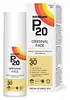
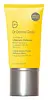
P20 Original Face Sun Cream SPF 30 Versus Dr. Dennis Gross Skincare All-Physical Ultimate Defense Broad Spectrum Sunscreen SPF 50
This chemical sunscreen covers the full UV range and blocks ~97% of UVB at SPF 30.
This mineral sunscreen covers the full UV range and blocks ~98% of UVB at SPF 50.


What's inside
What's inside
 Key Ingredients
Benefits
Concerns
Ingredients Side-by-side
Water
Skin ConditioningDiethylamino Hydroxybenzoyl Hexyl Benzoate
UV Filter
Dibutyl Adipate
EmollientBis-Ethylhexyloxyphenol Methoxyphenyl Triazine
Skin Conditioning
Dicaprylyl Carbonate
EmollientTris-Biphenyl Triazine
UV Absorber
Glycerin
Humectant


Phenoxyethyl Caprylate
Caprylyl Caprylate/Caprate
Emollient
Canola Oil
Emollient





Silica
Abrasive


Potassium Cetyl Phosphate
EmulsifyingPanthenol
Skin Conditioning

Trehalose
Humectant
Cetearyl Alcohol
Emollient

Ethylhexyl Triazone
UV Absorber
Vp/Eicosene Copolymer
Phenoxyethanol
Preservative
Squalane
Emollient
Glyceryl Stearate
Emollient
Sodium Olivoyl Glutamate
CleansingSorbitan Caprylate
EmulsifyingTocopheryl Acetate
Antioxidant


Decyl Glucoside
Cleansing
Benzoic Acid
Masking
Caprylyl Glycol
Emollient
Propanediol
Solvent
Acacia Senegal Gum
MaskingXanthan Gum
EmulsifyingSodium Phytate
Tocopherol
Antioxidant
Dehydroacetic Acid
Preservative
Ascorbyl Palmitate
Antioxidant
Ethylhexylglycerin
Skin ConditioningButylene Glycol
Humectant
Disodium Phosphate
BufferingCitric Acid
Buffering
Biosaccharide Gum-1
Humectant
Potassium Sorbate
Preservative
Sodium Benzoate
Masking
Glyceryl Caprylate
EmollientSodium Levulinate
Skin ConditioningSodium Anisate
AntimicrobialSodium Hydroxide
BufferingWater, Diethylamino Hydroxybenzoyl Hexyl Benzoate, Dibutyl Adipate, Bis-Ethylhexyloxyphenol Methoxyphenyl Triazine, Dicaprylyl Carbonate, Tris-Biphenyl Triazine, Glycerin, Phenoxyethyl Caprylate, Caprylyl Caprylate/Caprate, Canola Oil, Silica, Potassium Cetyl Phosphate, Panthenol, Trehalose, Cetearyl Alcohol, Ethylhexyl Triazone, Vp/Eicosene Copolymer, Phenoxyethanol, Squalane, Glyceryl Stearate, Sodium Olivoyl Glutamate, Sorbitan Caprylate, Tocopheryl Acetate, Decyl Glucoside, Benzoic Acid, Caprylyl Glycol, Propanediol, Acacia Senegal Gum, Xanthan Gum, Sodium Phytate, Tocopherol, Dehydroacetic Acid, Ascorbyl Palmitate, Ethylhexylglycerin, Butylene Glycol, Disodium Phosphate, Citric Acid, Biosaccharide Gum-1, Potassium Sorbate, Sodium Benzoate, Glyceryl Caprylate, Sodium Levulinate, Sodium Anisate, Sodium Hydroxide
Water
Skin ConditioningZinc Oxide
Cosmetic Colorant
Caprylic/Capric Triglyceride
Masking
Dimethicone
Emollient
Dicaprylyl Carbonate
EmollientCoco-Caprylate/Caprate
Emollient
Butyloctyl Salicylate
Skin Conditioning
Propanediol
Solvent
Lauryl Polyglyceryl-3 Polydimethylsiloxyethyl Dimethicone
Skin Conditioning
Polyhydroxystearic Acid
Emulsifying
Polymethylsilsesquioxane
Tranexamic Acid
Astringent
Aloe Barbadensis Leaf Juice
Skin Conditioning
Hibiscus Sabdariffa Flower Extract
Skin ConditioningPongamia Pinnata Seed Extract
Skin ConditioningSaccharide Isomerate
Humectant
Sodium Hyaluronate
Humectant
Ethylhexylglycerin
Skin ConditioningDimethicone/Polyglycerin-3 Crosspolymer
Cleansing
Magnesium Hydroxide
AbsorbentTriethoxycaprylylsilane
Magnesium Sulfate
Disteardimonium Hectorite
StabilisingSodium Chloride
MaskingTriethyl Citrate
Masking

Sodium Citrate
BufferingTetrasodium Glutamate Diacetate
Phenoxyethanol
Preservative
Potassium Sorbate
Preservative
Water, Zinc Oxide, Caprylic/Capric Triglyceride, Dimethicone, Dicaprylyl Carbonate, Coco-Caprylate/Caprate, Butyloctyl Salicylate, Propanediol, Lauryl Polyglyceryl-3 Polydimethylsiloxyethyl Dimethicone, Polyhydroxystearic Acid, Polymethylsilsesquioxane, Tranexamic Acid, Aloe Barbadensis Leaf Juice, Hibiscus Sabdariffa Flower Extract, Pongamia Pinnata Seed Extract, Saccharide Isomerate, Sodium Hyaluronate, Ethylhexylglycerin, Dimethicone/Polyglycerin-3 Crosspolymer, Magnesium Hydroxide, Triethoxycaprylylsilane, Magnesium Sulfate, Disteardimonium Hectorite, Sodium Chloride, Triethyl Citrate, Sodium Citrate, Tetrasodium Glutamate Diacetate, Phenoxyethanol, Potassium Sorbate
Reviews
Ingredients Explained
These ingredients are found in both products.
Ingredients higher up in an ingredient list are typically present in a larger amount.
Dicaprylyl Carbonate comes from carbonic acid and caprylyl alcohol, a fatty alcohol. It is an emollient and gives skin a velvet feel. The sources of Dicaprylyl Carbonate may be synthetic or from animals.
As an emollient, Dicaprylyl Carbonate creates a film on the skin. This film traps moisture in, keeping your skin soft and hydrated.
Ethylhexylglycerin is created from glycerin. It is a multitasker ingredient that:
The CIR Expert Panel found minimal skin absorption or sensitization of any kind in a safety assessment. Though this ingredient is considered well-tolerated, a small number of cases of allergic dermatitis have been published since 2002. Just be sure to patch test if you are unsure.
Industry-reported use ranges from 8% in rinse-off products and 2% in leave-on formulations.
Learn more about EthylhexylglycerinPhenoxyethanol is one of the most widely used preservatives in skincare (and for good reason!).
It has a large spectrum of antimicrobial activity and especially effective bacteria, yeast, and mold while only having a weak effect on your skin's natural microbiome.
On a cellular level, it disrupts the cell membranes of microbes by poking holes that make the cell leak. This shuts down the chemical reactions the microbe needs to make energy so it can no longer survive.
Another perk of this ingredient is that it stays functional across a wide pH range (3-10).
You'll often see it paired with boosters like Ethylhexylglycerin; one study showed that a 1:9 ratio of Ethylhexylglycerin to Phenoxyethanol damages bacterial membranes as effectively as doubling the Phenoxyethanol concentration on its own.
Typical use concentrations range from 0.3-1% depending on the formula, and this ingredient is capped at 1% int the EU.
Safety-wise, the fear mongering does not hold up to the evidence. The EU's Scientific Committee on Consumer Safety and FDA consider it safe as a preservative at up to 1%, including for children of all ages.
Adverse systemic effects only showed up in animal studies at exposures roughly 200x higher than what people get from cosmetics. And despite its very widespread use, this ingredient is a rare sensitizer and allergic reactions are uncommon.
Learn more about PhenoxyethanolPotassium Sorbate is a preservative used to prevent yeast and mold in products. It is commonly found in both cosmetic and food products.
This ingredient comes from potassium salt derived from sorbic acid. Sorbic acid is a natural antibiotic and effective against fungus.
Both potassium sorbate and sorbic acid can be found in baked goods, cheeses, dried meats, dried fruit, ice cream, pickles, wine, yogurt, and more.
You'll often find this ingredient used with other preservatives.
Learn more about Potassium SorbatePropanediol is an all-star ingredient. It softens, hydrates, and smooths the skin.
It’s often used to:
Propanediol is not likely to cause sensitivity and considered safe to use. It is derived from corn or petroleum with a clear color and no scent.
Learn more about PropanediolWater. It's the most common cosmetic ingredient of all. You'll usually see it at the top of ingredient lists, meaning that it makes up the largest part of the product.
So why is it so popular? Water most often acts as a solvent - this means that it helps dissolve other ingredients into the formulation.
You'll also recognize water as that liquid we all need to stay alive. If you see this, drink a glass of water. Remember to stay hydrated!
Learn more about Water

