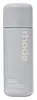
This hydrating essence is formulated around Sodium Hyaluronate and Ceramide NP to hydrate skin and strengthen the skin barrier.

What's inside
What's inside
 Key Ingredients
Benefits
Concerns
Ingredients Side-by-side
Water
Skin ConditioningC12-15 Alkyl Benzoate
AntimicrobialCoconut Alkanes
Emollient


Glycerin
Humectant


Polyglyceryl-3 Oleate
Emulsifying

Polyglyceryl-10 Mono/Dioleate
Skin ConditioningTocopheryl Acetate
Antioxidant


Sodium Hyaluronate
Humectant


Sodium Hyaluronate Crosspolymer
Humectant
Hydrolyzed Sodium Hyaluronate
Skin Conditioning
Sodium Acetylated Hyaluronate
Humectant
Ceramide NP
Skin Conditioning
Ceramide AP
Skin Conditioning
Ceramide EOP
Skin Conditioning
Beta-Glucan
Skin Conditioning
Copper Gluconate
Skin Conditioning
Magnesium Aspartate
Skin ConditioningOleic Acid
Emollient
Linoleic Acid
Cleansing
Linolenic Acid
Cleansing

Xanthan Gum
EmulsifyingZinc Gluconate
Skin Conditioning



Euterpe Oleracea Sterols
Skin ConditioningPhosphatidylglycerol
Phytosphingosine
Skin Conditioning
Caprylyl Glycol
Emollient
Cholesterol
Emollient
Coco-Caprylate/Caprate
Emollient
PEG-7 Glyceryl Cocoate
Emulsifying
Cetyl Hydroxyethylcellulose
Emulsion StabilisingCarbomer
Emulsion StabilisingSodium Lauroyl Lactylate
EmulsifyingPentylene Glycol
Skin Conditioning
1,2-Hexanediol
Skin Conditioning
Sodium Phytate
ChelatingPhenoxyethanol
Preservative
Ethylhexylglycerin
Skin ConditioningSodium Benzoate
Masking
Chlorphenesin
Antimicrobial
Citric Acid
Buffering
Water, C12-15 Alkyl Benzoate, Coconut Alkanes, Glycerin, Polyglyceryl-3 Oleate, Polyglyceryl-10 Mono/Dioleate, Tocopheryl Acetate, Sodium Hyaluronate, Sodium Hyaluronate Crosspolymer, Hydrolyzed Sodium Hyaluronate, Sodium Acetylated Hyaluronate, Ceramide NP, Ceramide AP, Ceramide EOP, Beta-Glucan, Copper Gluconate, Magnesium Aspartate, Oleic Acid, Linoleic Acid, Linolenic Acid, Xanthan Gum, Zinc Gluconate, Euterpe Oleracea Sterols, Phosphatidylglycerol, Phytosphingosine, Caprylyl Glycol, Cholesterol, Coco-Caprylate/Caprate, PEG-7 Glyceryl Cocoate, Cetyl Hydroxyethylcellulose, Carbomer, Sodium Lauroyl Lactylate, Pentylene Glycol, 1,2-Hexanediol, Sodium Phytate, Phenoxyethanol, Ethylhexylglycerin, Sodium Benzoate, Chlorphenesin, Citric Acid
Mica
Cosmetic ColorantSynthetic Fluorphlogopite
Calcium Silicate
AbsorbentSilica
Abrasive
Octyldodecyl Stearoyl Stearate
Emollient
Zea Mays Starch
Absorbent
Polyglyceryl-2 Dipolyhydroxystearate
Skin Conditioning
Caprylic/Capric Triglyceride
Masking
Cucumis Sativus Fruit Extract
Emollient
Glyceryl Triacetyl Ricinoleate
Emollient
Helianthus Annuus Seed Extract
Skin Conditioning
Hordeum Vulgare Extract
EmollientHydrogenated Lecithin
Emulsifying
Octyldodecanol
Emollient
Pentylene Glycol
Skin Conditioning
Phenethyl Alcohol
MaskingPolyglyceryl-3 Diisostearate
Emulsifying
Potassium Sorbate
Preservative
Propanediol
Solvent
Butyrospermum Parkii Butter
Skin Conditioning
Squalane
Emollient
Tocopherol
Antioxidant
Tridecane
Perfuming
Trimyristin
Skin Conditioning
Undecane
EmollientZinc Stearate
Cosmetic ColorantCI 77891
Cosmetic ColorantCI 77491
Cosmetic ColorantCI 77492
Cosmetic ColorantCI 77499
Cosmetic ColorantCI 77007
Cosmetic ColorantCI 16035
Cosmetic ColorantSucrose Acetate Isobutyrate
Polyhydroxystearic Acid
Emulsifying
Coconut Alkanes
Emollient
Oryza Sativa Bran Wax
Skin Conditioning
Coco-Caprylate/Caprate
Emollient
Mica, Synthetic Fluorphlogopite, Calcium Silicate, Silica, Octyldodecyl Stearoyl Stearate, Zea Mays Starch, Polyglyceryl-2 Dipolyhydroxystearate, Caprylic/Capric Triglyceride, Cucumis Sativus Fruit Extract, Glyceryl Triacetyl Ricinoleate, Helianthus Annuus Seed Extract, Hordeum Vulgare Extract, Hydrogenated Lecithin, Octyldodecanol, Pentylene Glycol, Phenethyl Alcohol, Polyglyceryl-3 Diisostearate, Potassium Sorbate, Propanediol, Butyrospermum Parkii Butter, Squalane, Tocopherol, Tridecane, Trimyristin, Undecane, Zinc Stearate, CI 77891, CI 77491, CI 77492, CI 77499, CI 77007, CI 16035, Sucrose Acetate Isobutyrate, Polyhydroxystearic Acid, Coconut Alkanes, Oryza Sativa Bran Wax, Coco-Caprylate/Caprate
Reviews
Ingredients Explained
These ingredients are found in both products.
Ingredients higher up in an ingredient list are typically present in a larger amount.
Coco-Caprylate/Caprate is a lightweight ester created from coconut oil fatty acids, caprylic acid, and capric acid.
It is an emollient that helps soften skin and reduce transepidermal water loss (TEWL). What sets it apart from heavier emollients is its ultralight, non-greasy feel.
Once applied, this ingredient dries down quickly and leaves a dry, silky finish behind. This also helps improve spreadability and texture.
This ingredient has an excellent safety-record and is non-irritating.
Typical concentrations for cosmetics range from 0.5-62%.
Research on Malassezia growth found no growth on fatty acid esters with chain lengths shorter than 12 carbons (it prefers C11-24).
Since Coco-Caprylate/Caprate is built on C8 and C10 fatty acids, it is out of the range that Malassezia metabolizes, and therefore safe for fungal acne.
Learn more about Coco-Caprylate/CaprateThis is a lightweight, plant-derived emollient and solvent made from the fatty acids of coconut oil.
It spreads easily and adds a soft, silky, non-greasy slip, then evaporates rather than sinking into skin. Due to this behavior, it's prized as a natural and renewable replacement for silicones.
Typical use concentrations can go anywhere up to 20%.
The CIR Expert Panel has reviewed coconut oil and its hydrogenated derivatives and found them to be safe as used in cosmetics. It's a low-irritating and well-tolerated ingredient with no notable sensitization concerns.
Because it's a pure saturated hydrocarbon and not a free fatty acid or ester in the C11-24 range that Malassezia can feed on, it doesn't provide the lipids for Malassezia to feed on. This ingredient is generally regarded as safe for fungal acne.
There's no comedogenicity data for this specific ingredient; the "coconut clogs pores" reputation comes from coconut oil which scored high on the old rabbit ear assay.
That method tested pure ingredients on rabbit ears and later work showed the results translate inconsistently to human skin.
Some people still find it breaks them out. So if that's you, definitely trust your skin.
Learn more about Coconut AlkanesPentylene Glycol (1,2-pentanediol) is a multitasking little diol with three main roles in a formula:
Research on alkanediols (the family pentylene glycol belongs to) show they work by disrupting microbial cell membranes. This disruption helps the primary preservative system in a product work more effectively at lower doses.
On the safety side, the Cosmetic Ingredient Review Expert Panel has concluded this ingredient to be safe as used in current cosmetic practices + concentrations.
Typical use levels in a formula run about 1-5%.
Learn more about Pentylene Glycol

