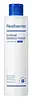
This barrier-repair toner is formulated around Panthenol and Ceramide NP to strengthen the skin barrier and hydrate skin.
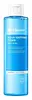
This calming toner is formulated around Chamomilla Recutita Extract and Azulene to calm redness.

What's inside
What's inside
 Key Ingredients
Benefits
Concerns
Ingredients Side-by-side
Water
Skin ConditioningGlycerin
Humectant


Propanediol
Solvent
Dimethicone
Emollient
Helianthus Annuus Seed Oil
Emollient


Glyceryl Stearate
Emollient
Xylitol
Humectant
Sodium Hyaluronate Crosspolymer
Humectant
Hydrolyzed Glycosaminoglycans
HumectantSodium Hyaluronate
Humectant

Hydrolyzed Hyaluronic Acid
Humectant
Hyaluronic Acid
Humectant
Butylene Glycol
Humectant
Sorbitan Laurate
Emulsifying
Hydroxyethylcellulose
Emulsion StabilisingAcetyl Dipeptide-1 Cetyl Ester
Skin Conditioning

Panthenol
Skin Conditioning
Beta-Glucan
Skin Conditioning
Madecassoside
Antioxidant

Myristoyl/Palmitoyl Oxostearamide/Arachamide Mea
Skin ConditioningCeramide NP
Skin Conditioning
Bis-Capryloyloxypalmitamido Isopropanol
EmollientXylitylglucoside
Humectant
Anhydroxylitol
Humectant
Glucose
Humectant
Allantoin
Skin Conditioning
Polyglyceryl-4 Caprate
EmulsifyingHydroxypropyl Methylcellulose
Emulsion StabilisingCarbomer
Emulsion StabilisingSodium Polyacrylate
Absorbent
Caprylic Acid
CleansingRaspberry Ketone
Masking

Ethylhexylglycerin
Skin ConditioningSodium Phytate
ChelatingBenzyl Glycol
SolventCaprylyl Glycol
Emollient
1,2-Hexanediol
Skin Conditioning
Mentha Viridis Leaf Oil
Astringent

Mentha Viridis Extract
MaskingCitrus Nobilis Peel Oil
Masking
Pelargonium Graveolens Flower Oil
Masking
Thymus Vulgaris Oil
Masking
Eucalyptus Globulus Leaf Oil
Perfuming
Barosma Betulina Leaf Extract
Perfuming
Water, Glycerin, Propanediol, Dimethicone, Helianthus Annuus Seed Oil, Glyceryl Stearate, Xylitol, Sodium Hyaluronate Crosspolymer, Hydrolyzed Glycosaminoglycans, Sodium Hyaluronate, Hydrolyzed Hyaluronic Acid, Hyaluronic Acid, Butylene Glycol, Sorbitan Laurate, Hydroxyethylcellulose, Acetyl Dipeptide-1 Cetyl Ester, Panthenol, Beta-Glucan, Madecassoside, Myristoyl/Palmitoyl Oxostearamide/Arachamide Mea, Ceramide NP, Bis-Capryloyloxypalmitamido Isopropanol, Xylitylglucoside, Anhydroxylitol, Glucose, Allantoin, Polyglyceryl-4 Caprate, Hydroxypropyl Methylcellulose, Carbomer, Sodium Polyacrylate, Caprylic Acid, Raspberry Ketone, Ethylhexylglycerin, Sodium Phytate, Benzyl Glycol, Caprylyl Glycol, 1,2-Hexanediol, Mentha Viridis Leaf Oil, Mentha Viridis Extract, Citrus Nobilis Peel Oil, Pelargonium Graveolens Flower Oil, Thymus Vulgaris Oil, Eucalyptus Globulus Leaf Oil, Barosma Betulina Leaf Extract
Water
Skin ConditioningButylene Glycol
Humectant
Dipropylene Glycol
HumectantPropanediol
Solvent
1,2-Hexanediol
Skin Conditioning
Glycerin
Humectant
Chamomilla Recutita Extract
Skin Conditioning
Pentylene Glycol
Skin Conditioning
Polyglyceryl-10 Laurate
Skin Conditioning
Polyglyceryl-10 Myristate
Skin Conditioning
Citrus Aurantium Bergamia Fruit Oil
Masking
Thymus Mastichina Herb Oil
Perfuming
Citrus Limon Fruit Oil
Astringent
Caprylyl Glycol
Emollient
Glyceryl Caprylate
EmollientHydroxyethylcellulose
Emulsion StabilisingSodium Hyaluronate
Humectant
Hydrolyzed Sodium Hyaluronate
Skin Conditioning
Tanacetum Annuum Flower Oil
Masking
Azulene
Skin Conditioning
Erythritol
Humectant
Xylitol
Humectant
Madecassoside
Antioxidant
Myristoyl/Palmitoyl Oxostearamide/Arachamide Mea
Skin ConditioningAllantoin
Skin Conditioning
Phytosterols
Skin Conditioning
Melia Azadirachta Leaf Extract
Skin ConditioningMorinda Citrifolia Flower Extract
Hedera Helix Fruit Extract
Solanum Melongena Fruit Extract
Skin ConditioningAloe Barbadensis Flower Extract
EmollientOcimum Sanctum Leaf Extract
Skin ConditioningCurcuma Longa Root Extract
Antioxidant
Coral Extract
Skin ConditioningLinoleic Acid
Cleansing
Tartaric Acid
Buffering

Sodium Phytate
ChelatingCitric Acid
Buffering
Sodium Citrate
BufferingWater, Butylene Glycol, Dipropylene Glycol, Propanediol, 1,2-Hexanediol, Glycerin, Chamomilla Recutita Extract, Pentylene Glycol, Polyglyceryl-10 Laurate, Polyglyceryl-10 Myristate, Citrus Aurantium Bergamia Fruit Oil, Thymus Mastichina Herb Oil, Citrus Limon Fruit Oil, Caprylyl Glycol, Glyceryl Caprylate, Hydroxyethylcellulose, Sodium Hyaluronate, Hydrolyzed Sodium Hyaluronate, Tanacetum Annuum Flower Oil, Azulene, Erythritol, Xylitol, Madecassoside, Myristoyl/Palmitoyl Oxostearamide/Arachamide Mea, Allantoin, Phytosterols, Melia Azadirachta Leaf Extract, Morinda Citrifolia Flower Extract, Hedera Helix Fruit Extract, Solanum Melongena Fruit Extract, Aloe Barbadensis Flower Extract, Ocimum Sanctum Leaf Extract, Curcuma Longa Root Extract, Coral Extract, Linoleic Acid, Tartaric Acid, Sodium Phytate, Citric Acid, Sodium Citrate
Ingredients Explained
These ingredients are found in both products.
Ingredients higher up in an ingredient list are typically present in a larger amount.
1,2-Hexanediol is a synthetic liquid and another multi-functional powerhouse.
It is a:
- Humectant, drawing moisture into the skin
- Emollient, helping to soften skin
- Solvent, dispersing and stabilizing formulas
- Preservative booster, enhancing the antimicrobial activity of other preservatives
Allantoin is a soothing ingredient known for its protective and moisturizing properties; it's basically a quiet workhorse ingredient you can find in a huge range of cosmetics.
Though it can be derived from the comfrey plant, allantoin is produced synthetically for cosmetic products to ensure purity.
Research shows it can encourage your skin cells to turn over and renew by stimulating keratinocyte and fibroblast proliferation.
It also has mild keratolytic properties to help loosen and shed dead skin cells without being harsh.
Studies also suggest allantoin can help calm inflammation by dialing down some of the chemical signals your skin sends out when it is irritated.
This ingredient is typically used in the 0.1-0.5% range, and the FDA recognizes it as a skin protectant in OTC products up to 2%.
Overall, allantoin is a wonderful addition to most routines; it is stable across a wide pH range (~4-8), works well with other ingredients, and is considered non-sensitizing/non-irritating.
Fun fact: Allantoin is naturally occurring in comfrey root, beets, chamomile, and wheat sprouts. Our bodies even produce it as a byproduct of uric acid metabolism.
Learn more about AllantoinButylene Glycol (or BG) is used within cosmetic products for a few different reasons:
Overall, Butylene Glycol is a safe and well-rounded ingredient that works well with other ingredients.
Though this ingredient works well with most skin types, some people with sensitive skin may experience a reaction such as allergic rashes, closed comedones, or itchiness.
Learn more about Butylene GlycolCaprylyl Glycol is a humectant, skin conditioner, emollient, and preservative booster derived from either caprylic acid or synthetically created.
Typical use levels vary from 0.3-1% as a preservative booster and go up to 2% to condition skin.
Because it is not a free-fatty acid, this ingredient is fungal acne safe (there's nothing for Malassezia to feed on).
Learn more about Caprylyl GlycolGlycerin (or glycerol) is a compound naturally found in your skin. It's a powerhouse humectant that pulls water into the stratum corneum.
Topically, glycerin does several things at once:
Your skin makes glycerin on its own (mostly from sebaceous oil breakdown) and shuttles it to your outermost layer of skin, or your epidermis, via aquaporin-3.
Aquaporin-3 is a transporter that is essential for normal skin hydration, elasticity, and repair. Interestingly, mice lacking in AQP3 have dry and less elastic skin that can be fully corrected with glycerin.
This ingredient is non-irritating, plays well with almost every ingredient, and works across all skin types. Typical use is anywhere between 3-10% but can go up to 79% in some leave-on products.
Just know very high concentrations (>40%) can feel tacky in low humidity.
Glycerin is the name for this ingredient in American English. British English uses Glycerol/Glycerine.
Learn more about GlycerinHydroxyethylcellulose is used to improve the texture of products. It is created from a chemical reaction involving ethylene oxide and alkali-cellulose. Cellulose is a sugar found in plant cell walls and help give plants structure.
This ingredient helps stabilize products by preventing ingredients from separating. It can also help thicken the texture of a product.
This ingredient can also be found in pill medicines to help our bodies digest other ingredients.
Learn more about HydroxyethylcelluloseMadecassoside is one of four active compounds found in Centella asiatica and is one of the main reasons Centella is so effective at calming irritated skin and supporting the moisture barrier.
There's a solid body of peer-reviewed research backing Madecassoside for several skin benefits. Studies have found:
Madecassoside pairs well with other hydrating or antioxidant ingredients like Ascorbic Acid or Hyaluronic Acid.
Learn more about MadecassosideMyristoyl/Palmitoyl Oxostearamide/Arachamide Mea (M/PO/AM) is a synthetic pseudoceramide; it's basically a lab-made ingredient designed to mimic the ceramides that your skin naturally produces.
What makes this ingredient special? It is connected to something called multi-lamellar emulsion (MLE) technology.
Your skin's outermost layer (stratum corneum) is often described as a "brick wall" where skin cells are bricks and lipids hold everything together. Your lipids are Ceramides, Cholesterol, and free fatty acids.
These fatty acids are not just randomly squished together. They're arranged in very specific layered (lamellar) structures. Your barrier suffers when the layer structure gets disrupted from things like eczema, harsh weather, or over-exfoliating.
M/PO/AM is formulated within MLE technology to closely replicate your skin's natural layers, setting it apart from other ceramides.
The research behind M/PO/AM is pretty solid for eczema, aka atopic dermatitis. A 2003 study on children with eczema found that an MLE cream containing M/PO/AM outperformed a standard urea-based moisturizer. The study also found a 31-35% decrease in severity index compared to smaller improvements from the control cream.
Recently, a 2024 trial found that combining M/PO/AM with topical corticosteroid led to better outcomes than using the steroid alone. The trial noted improvements in skin hydration, dryness, itching, and quality of life scores.
Research has also shown that M/PO/AM can help reduce barrier-damaging side effects of long term topical steroid use.
This ingredient also goes by the trade name PC-9S. No notable allergy concerns have been flagged for this ingredient in the published literature.
Learn more about Myristoyl/Palmitoyl Oxostearamide/Arachamide MeaPropanediol is an all-star ingredient. It softens, hydrates, and smooths the skin.
It’s often used to:
Propanediol is not likely to cause sensitivity and considered safe to use. It is derived from corn or petroleum with a clear color and no scent.
Learn more about PropanediolSodium Hyaluronate is the salt form of hyaluronic acid. It is a long sugar chain that is naturally found in your skin, joints, and connective tissue that maintains hydration and elasticity.
In skincare, it works as a humectant. It pulls water from the environment and deeper layers of skin and binds it to the surface.
Interestingly, the size of the molecule affects its behavior:
Some clinical evidence links low molecular weight versions to improved wrinkle depth, elasticity, anti-inflammatory effects, and barrier repair.
Many serums use a blend of both weights so you can get surface hydration plus longer-lasting and deeper effects.
You'll typically see concentrations between 0.1-2% for this ingredient.
Learn more about Sodium HyaluronateSodium Phytate is the sodium salt of Phytic acid, a compound that plants store phosphorus in. It's the plant-derived alternative to ingredients like Disodium EDTA.
In skincare, this ingredient is a chelator that grabs onto trace metal ions like iron and copper that sneak into formulas through water/raw materials.
Those metals speed up oxidation so binding them keeps oils, fragrance, and actives from going off, stops color changes, and helps the preservative system work harder.
Survey data shows usage levels range from 0.0099%-0.5% in leave-on products, 0.025%-0.3% in rinse-off, and up to 0.05% in eye-area products. Suppliers typically recommend a range between 0.05-0.5%.
Learn more about Sodium PhytateWater. It's the most common cosmetic ingredient of all. You'll usually see it at the top of ingredient lists, meaning that it makes up the largest part of the product.
So why is it so popular? Water most often acts as a solvent - this means that it helps dissolve other ingredients into the formulation.
You'll also recognize water as that liquid we all need to stay alive. If you see this, drink a glass of water. Remember to stay hydrated!
Learn more about WaterXylitol is a humectant and prebiotic. It can help with dry skin.
In studies, xylitol has been shown to improve dry skin. It decreased transepidermal water loss, or when water passes through the skin and evaporates. Xylitol also showed to help improve the biomechanical properties of the skin barrier.
The prebiotic property of xylitol may also help reinforce our skin's natural microbiome. Having a healthy microbiome prevents infection by bad bacteria and helps with hydration.
As a humectant, Xylitol helps draw moisture from both the air and from deeper skin layers. This helps keep skin hydrated.
Xylitol is a sugar alcohol and commonly used as a sugar substitute. It is naturally occurring in plants such as strawberries and pumpkin.
Learn more about Xylitol

