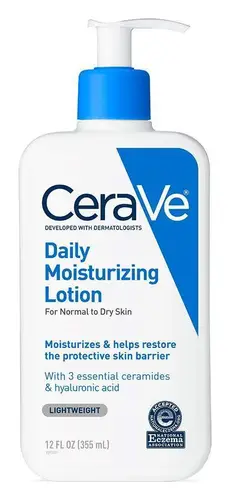
This barrier-repair day moisturizer is formulated around Urea to strengthen the skin barrier and hydrate skin.


What's inside
What's inside
 Key Ingredients
Benefits
Concerns
Ingredients Side-by-side
Water
Skin ConditioningGlycerin
Humectant


Dipropylene Glycol
HumectantCaprylic/Capric Triglyceride
Masking
Isopropyl Palmitate
Emollient




Polyglyceryl-3 Distearate
Emulsifying
Butyrospermum Parkii Butter
Skin Conditioning
Pentaerythrityl Stearate/Caprate/Caprylate/Adipate
EmollientHydroxyethyl Urea
Humectant
Centella Asiatica Extract
Cleansing



Camellia Sinensis Leaf Extract
Antimicrobial



Mentha Viridis Extract
MaskingLonicera Japonica Flower Extract
Skin ConditioningCalendula Officinalis Flower Extract
Masking
Melilotus Officinalis Extract
AstringentTrehalose
Humectant
Helianthus Annuus Seed Oil
Emollient
Macadamia Ternifolia Seed Oil
Emollient
Olea Europaea Fruit Oil
Masking
Sodium Hyaluronate
Humectant
Sodium Acetylated Hyaluronate
Humectant
Hydrolyzed Hyaluronic Acid
Humectant
Hydroxypropyltrimonium Hyaluronate
Sodium Hyaluronate Crosspolymer
Humectant
Ceramide Ns
Skin Conditioning
Ceramide NP
Skin Conditioning
Ceramide EOP
Skin Conditioning
Potassium Cetyl Phosphate
EmulsifyingBrassica Campestris Sterols
EmollientCholesterol
Emollient
Phytosteryl/Behenyl/Octyldodecyl Lauroyl Glutamate
Skin ConditioningPolyglyceryl-10 Oleate
Skin Conditioning
Stearic Acid
Cleansing
Palmitic Acid
Emollient
Oleic Acid
Emollient
Myristic Acid
Cleansing
Arachidic Acid
Cleansing
Sorbitan Stearate
Emulsifying
Stearyl Alcohol
Emollient
Glyceryl Stearate Citrate
Emollient
Sodium Polyacryloyldimethyl Taurate
Emulsion StabilisingCarbomer
Emulsion StabilisingTromethamine
BufferingHydrogenated Polydecene
EmollientHydrogenated Lecithin
Emulsifying
Ethylhexylglycerin
Skin ConditioningXanthan Gum
EmulsifyingDisodium EDTA
ChelatingTrideceth-10
CleansingTocopherol
Antioxidant

Butylene Glycol
Humectant
Caprylyl Glycol
Emollient
Pentylene Glycol
Skin Conditioning
Hydroxyacetophenone
Antioxidant
1,2-Hexanediol
Skin Conditioning
Water, Glycerin, Dipropylene Glycol, Caprylic/Capric Triglyceride, Isopropyl Palmitate, Polyglyceryl-3 Distearate, Butyrospermum Parkii Butter, Pentaerythrityl Stearate/Caprate/Caprylate/Adipate, Hydroxyethyl Urea, Centella Asiatica Extract, Camellia Sinensis Leaf Extract, Mentha Viridis Extract, Lonicera Japonica Flower Extract, Calendula Officinalis Flower Extract, Melilotus Officinalis Extract, Trehalose, Helianthus Annuus Seed Oil, Macadamia Ternifolia Seed Oil, Olea Europaea Fruit Oil, Sodium Hyaluronate, Sodium Acetylated Hyaluronate, Hydrolyzed Hyaluronic Acid, Hydroxypropyltrimonium Hyaluronate, Sodium Hyaluronate Crosspolymer, Ceramide Ns, Ceramide NP, Ceramide EOP, Potassium Cetyl Phosphate, Brassica Campestris Sterols, Cholesterol, Phytosteryl/Behenyl/Octyldodecyl Lauroyl Glutamate, Polyglyceryl-10 Oleate, Stearic Acid, Palmitic Acid, Oleic Acid, Myristic Acid, Arachidic Acid, Sorbitan Stearate, Stearyl Alcohol, Glyceryl Stearate Citrate, Sodium Polyacryloyldimethyl Taurate, Carbomer, Tromethamine, Hydrogenated Polydecene, Hydrogenated Lecithin, Ethylhexylglycerin, Xanthan Gum, Disodium EDTA, Trideceth-10, Tocopherol, Butylene Glycol, Caprylyl Glycol, Pentylene Glycol, Hydroxyacetophenone, 1,2-Hexanediol
Water
Skin ConditioningGlycerin
Humectant
Urea
Buffering
Cetyl Alcohol
Emollient
Caprylic/Capric Triglyceride
Masking
Pentaerythrityl Tetraisostearate
Emollient
Triisostearin
Skin Conditioning
Sodium Lactate
Buffering
Glyceryl Stearate
Emollient
Arginine Hcl
Skin ConditioningDimethicone
Emollient
Potassium Cetyl Phosphate
EmulsifyingXanthan Gum
EmulsifyingBiosaccharide Gum-1
Humectant
Lactic Acid
Buffering

1,2-Hexanediol
Skin Conditioning
Phenoxyethanol
Preservative
Reviews
Ingredients Explained
These ingredients are found in both products.
Ingredients higher up in an ingredient list are typically present in a larger amount.
1,2-Hexanediol is a synthetic liquid and another multi-functional powerhouse.
It is a:
- Humectant, drawing moisture into the skin
- Emollient, helping to soften skin
- Solvent, dispersing and stabilizing formulas
- Preservative booster, enhancing the antimicrobial activity of other preservatives
Caprylic/Capric Triglyceride (aka MCT Oil) is a lightweight emollient, solvent, and texture enhancer. It is considered a skin-softener by helping to prevent moisture loss.
Though it behaves like an oil, it is not technically one due to its chemical composition. One perk of this ingredient is that it is very stable, resistant to oxidation, and unlikely to go rancid.
In practice, that translates to a long shelf life and a consistently elegant skin feel.
While there is an assumption Caprylic Triglyceride can clog pores due to it being derived from coconut oil, there is no research supporting this. Just patch test if you have concerns.
Fractionated coconut oil and MCT Oil are both listed as Caprylic/Capric Triglyceride according to INCI. This is because INCI names are based on the ingredient’s final chemical composition and not its marketing name or source.
This ingredient is treated as the gold standard fungal acne safe oil. Even though it is coconut derived, the problematic lauric acid is stripped out.
This leaves just caprylic (C8) and capric (C10) acid. These chain lengths actually trend antifungal; a 2020 study found caprylic acid was enough to disrupt Malassezia furfur cell membrane, with a caprylic acid derivative damaging membrane structures at concentrations as low as 0.2%.
Learn more about Caprylic/Capric TriglycerideGlycerin (or glycerol) is a compound naturally found in your skin. It's a powerhouse humectant that pulls water into the stratum corneum.
Topically, glycerin does several things at once:
Your skin makes glycerin on its own (mostly from sebaceous oil breakdown) and shuttles it to your outermost layer of skin, or your epidermis, via aquaporin-3.
Aquaporin-3 is a transporter that is essential for normal skin hydration, elasticity, and repair. Interestingly, mice lacking in AQP3 have dry and less elastic skin that can be fully corrected with glycerin.
This ingredient is non-irritating, plays well with almost every ingredient, and works across all skin types. Typical use is anywhere between 3-10% but can go up to 79% in some leave-on products.
Just know very high concentrations (>40%) can feel tacky in low humidity.
Glycerin is the name for this ingredient in American English. British English uses Glycerol/Glycerine.
Learn more about GlycerinPotassium Cetyl Phosphate is the potassium salt of a mixture. This mixture consists of the esters from phosphoricacid and cetyl alcohol.
Potassium Cetyl Phosphate is an emulsifier and cleansing agent. Emulsifiers help stabilize a product. It does this by preventing certain ingredients from separating.
As a cleansing agent, Potassium Cetyl Phosphate helps gather oils, dirts, and pollutants from your skin. This makes it easier to rinse them away with water.
Learn more about Potassium Cetyl PhosphateWater. It's the most common cosmetic ingredient of all. You'll usually see it at the top of ingredient lists, meaning that it makes up the largest part of the product.
So why is it so popular? Water most often acts as a solvent - this means that it helps dissolve other ingredients into the formulation.
You'll also recognize water as that liquid we all need to stay alive. If you see this, drink a glass of water. Remember to stay hydrated!
Learn more about WaterXanthan gum is used as a stabilizer and thickener within cosmetic products. It helps give products a sticky, thick feeling - preventing them from being too runny.
On the technical side of things, xanthan gum is a polysaccharide - a combination consisting of multiple sugar molecules bonded together.
Xanthan gum is a pretty common and great ingredient. It is a natural, non-toxic, non-irritating ingredient that is also commonly used in food products.
Learn more about Xanthan Gum