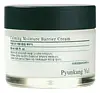
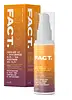
Pyunkang Yul Calming Moisture Barrier Cream Versus Art & Fact Squalane 1% + Niacinamide 0,3% + Sea Buckthorn Oil 0,2% Face Cream Gel
This barrier-repair moisturizer is formulated around Ceramide NP and Centella Asiatica Extract to strengthen the skin barrier and calm redness.
This barrier-repair moisturizer is formulated around Squalane and Niacinamide to strengthen the skin barrier and hydrate skin.


What's inside
What's inside
 Key Ingredients
Benefits
Concerns
Ingredients Side-by-side
Water
Skin ConditioningDipropylene Glycol
HumectantGlycerin
Humectant


Caprylic/Capric Triglyceride
Masking
Isohexadecane
EmollientCetearyl Alcohol
Emollient





Ethylhexyl Palmitate
Emollient
Cetyl Ethylhexanoate
EmollientStearic Acid
Cleansing
Hydroxypropyltrimonium Hyaluronate
Hydrolyzed Hyaluronic Acid
Humectant

Sodium Hyaluronate
Humectant
Lonicera Japonica Flower Extract
Skin ConditioningMelaleuca Alternifolia Leaf Extract
Perfuming
Sodium Hyaluronate Crosspolymer
Humectant
Sodium Acetylated Hyaluronate
Humectant
Ammonium Acryloyldimethyltaurate/Vp Copolymer
Cetearyl Glucoside
Emulsifying
Pentylene Glycol
Skin Conditioning
Trehalose
Humectant
Ceramide NP
Skin Conditioning

Arachidic Acid
Cleansing
Glucose
Humectant
Palmitic Acid
Emollient
Oleic Acid
Emollient
Centella Asiatica Extract
Cleansing
Madecassoside
Antioxidant
Madecassic Acid
Skin Conditioning
Asiaticoside
Antioxidant
Asiatic Acid
Skin Conditioning
Squalane
Emollient
Olea Europaea Fruit Oil
Masking
Butyrospermum Parkii Butter
Skin Conditioning
Camellia Japonica Flower Extract
EmollientSalvia Officinalis Leaf Extract
CleansingHydroxyacetophenone
Antioxidant
Butylene Glycol
Humectant
Caprylyl Glycol
Emollient
Tocopherol
Antioxidant


Disodium EDTA
Chelating1,2-Hexanediol
Skin Conditioning
Tromethamine
BufferingHydrogenated Lecithin
Emulsifying
Ethylhexylglycerin
Skin ConditioningWater, Dipropylene Glycol, Glycerin, Caprylic/Capric Triglyceride, Isohexadecane, Cetearyl Alcohol, Ethylhexyl Palmitate, Cetyl Ethylhexanoate, Stearic Acid, Hydroxypropyltrimonium Hyaluronate, Hydrolyzed Hyaluronic Acid, Sodium Hyaluronate, Lonicera Japonica Flower Extract, Melaleuca Alternifolia Leaf Extract, Sodium Hyaluronate Crosspolymer, Sodium Acetylated Hyaluronate, Ammonium Acryloyldimethyltaurate/Vp Copolymer, Cetearyl Glucoside, Pentylene Glycol, Trehalose, Ceramide NP, Arachidic Acid, Glucose, Palmitic Acid, Oleic Acid, Centella Asiatica Extract, Madecassoside, Madecassic Acid, Asiaticoside, Asiatic Acid, Squalane, Olea Europaea Fruit Oil, Butyrospermum Parkii Butter, Camellia Japonica Flower Extract, Salvia Officinalis Leaf Extract, Hydroxyacetophenone, Butylene Glycol, Caprylyl Glycol, Tocopherol, Disodium EDTA, 1,2-Hexanediol, Tromethamine, Hydrogenated Lecithin, Ethylhexylglycerin
Sodium Acrylates Copolymer
Lecithin
Emollient
Squalane
Emollient
Tocopheryl Acetate
Antioxidant
Sea Water Extract
Skin ConditioningAllantoin
Skin Conditioning
Trifolium Pratense Flower Extract
AstringentCamellia Sinensis Extract
Antioxidant
Strelitzia Nicolai Seed Aril Extract
Skin ConditioningGlucose
Humectant
Sorbitol
Humectant
Sodium Glutamate
MaskingUrea
Buffering
Sodium PCA
Humectant
Glycine
Buffering
Lactic Acid
Buffering


Hydrolyzed Wheat Protein
Skin ConditioningPanthenol
Skin Conditioning
Niacinamide
Smoothing

Hippophae Rhamnoides Oil
Emollient
Phenoxyethanol
Preservative
Ethylhexylglycerin
Skin ConditioningDisodium EDTA
ChelatingSodium Acrylates Copolymer, Lecithin, Squalane, Tocopheryl Acetate, Sea Water Extract, Allantoin, Trifolium Pratense Flower Extract, Camellia Sinensis Extract, Strelitzia Nicolai Seed Aril Extract, Glucose, Sorbitol, Sodium Glutamate, Urea, Sodium PCA, Glycine, Lactic Acid, Hydrolyzed Wheat Protein, Panthenol, Niacinamide, Hippophae Rhamnoides Oil, Phenoxyethanol, Ethylhexylglycerin, Disodium EDTA
Reviews
Ingredients Explained
These ingredients are found in both products.
Ingredients higher up in an ingredient list are typically present in a larger amount.
Disodium EDTA is a chelating agent. It grabs onto and deactivates metal ions that sneak into your products from water, packaging, or air.
This ingredient mainly works behind the scenes and helps with:
On top of that, this ingredient can counteract the effects of hard water by binding to the minerals in it.
One thing worth knowing is that Disodium EDTA has been shown to be a mild penetration enhancer. It can help other ingredients absorb into skin more effectively which can be a double-edged sword (great for actives, but can also make the active too strong if you have sensitive skin).
Clinical patch testing showed no significant skin irritation at typical use concentrations and minimal dermal absorption.
You'll most likely see this ingredient near the end of an ingredient list. It's typically found in concentrations less than 1%.
Learn more about Disodium EDTAEthylhexylglycerin is created from glycerin. It is a multitasker ingredient that:
The CIR Expert Panel found minimal skin absorption or sensitization of any kind in a safety assessment. Though this ingredient is considered well-tolerated, a small number of cases of allergic dermatitis have been published since 2002. Just be sure to patch test if you are unsure.
Industry-reported use ranges from 8% in rinse-off products and 2% in leave-on formulations.
Learn more about EthylhexylglycerinGlucose is a simple sugar (a monosaccharide). In skincare, it is mostly a humectant and skin conditioning agent.
Mechanistically, it has multiple hydroxyl groups that hydrogen-bond to water. This pulls moisture into the upper layers of skin to keep the surface soft and hydrated.
It's worth knowing sugars are already a natural component of the skin's NMF (natural moisturizing factor) so it's a molecule that your stratum corneum is well-acquainted with.
Just so you know, glucose is hydrophilic (water-loving) and the stratum corneum is a strong barrier to hydrophilic compounds. This just means penetration is slow and most of the action is happening on the surface.
Gram-to-gram, glucose is not as efficient as a humectant as glycerin. This is why you'll likely see glycose paired with stronger humectants for a bigger hydration payoff.
In skincare, glucose is typically derived from corn or other starch sources.
Learn more about GlucoseSqualane is the hydrogenated and shelf-stable form of squalene (a lipid that naturally occurs in human sebum).
It is an emollient and skin conditioning agent that is able to integrate seamlessly into the skin's lipid barrier without clogging pores.
This is due to how structurally similar it is to what your skin already produces.
Though it is mostly an emollient that helps soften and hydrate skin, it also has some humectant and occlusive action. Humectants help the skin retain moisture while occlusives seal it in, making squalane a triple-threat moisturizer.
Research shows it has antioxidant capabilities that help protect against stressors like UV exposure, specifically UVA induced oxidative stress. This study also found that it supports collagen biosynthesis in human dermal fibroblasts.
No clinical study has reported significant adverse effects and irritation reactions are very rare from this ingredient (even at 100% concentration).
Overall, it's a fantastic ingredient for hydration and is suitable for all skin types.
This depends on the source. Squalane can be derived from both plants and animals. Most squalane used in skincare comes from plants.
Please note: the source of squalane is only known if disclosed by the brand. We recommend reaching out to the brand if you have any questions about their squalane.
Read more about squalene with an "e".
Though squalane is often called an oil, it’s technically not one. It is a hydrocarbon, meaning it is only made of carbon and hydrogen. True oils are triglycerides and made of fatty acids and glycerol.
The term “oil-free” isn’t regulated so companies can define it however they want. Some exclude all oils, while others just avoid mineral oil or comedogenic oils.
Squalane has a comedogenic rating of 1 from the original 1972 study that tested raw ingredients under occlusion on rabbit ears. This system is not standardized or peer-reviewed, and using the raw ingredients is very different from how diluted cosmetic formulations are used on human skin.
A comedogenic rating of 1 means it is "unlikely to clog pores" according to the original rating system.
The overall formula of a product matters more than the individual ingredients on whether or not it will cause clogged pores.
Learn more about Squalane

