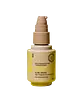
This brightening serum is formulated around 3-O-Ethyl Ascorbic Acid and Kojic Acid to brighten dull-looking skin and fade the look of dark spots.
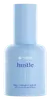
This hydrating serum is formulated around Betula Platyphylla Japonica Juice and Galactomyces Ferment Filtrate to hydrate skin and strengthen the skin barrier.

What's inside
What's inside
 Key Ingredients
Benefits
Concerns
Ingredients Side-by-side
Water
Skin Conditioning3-O-Ethyl Ascorbic Acid
Skin Conditioning





Kojic Acid
Antioxidant


Dipropylheptyl Carbonate
EmollientLactobacillus/Turmeric Ferment Filtrate
HumectantLactobacillus/Aloe Barbadensis Ferment Filtrate
Skin ConditioningCrocus Sativus Flower Extract
MaskingLactobacillus
Skin ConditioningInulin
Skin Conditioning
Phyllanthus Emblica Fruit Extract
HumectantLactococcus Ferment Lysate
Skin Conditioning
Glycyrrhiza Glabra Root Extract
Bleaching
Pyrus Malus Fruit Extract
Skin Conditioning
Punica Granatum Fruit Extract
Antioxidant
Citrus Aurantium Peel Extract
Perfuming
Bifida Ferment Lysate
Skin Conditioning
Prunus Cerasoides Extract
Glycerin
Humectant
Ferulic Acid
Antimicrobial
Polyquaternium-7
Phenoxyethanol
Preservative
Ethylhexylglycerin
Skin ConditioningParfum
Masking



Xanthan Gum
EmulsifyingDisodium EDTA
ChelatingWater, 3-O-Ethyl Ascorbic Acid, Kojic Acid, Dipropylheptyl Carbonate, Lactobacillus/Turmeric Ferment Filtrate, Lactobacillus/Aloe Barbadensis Ferment Filtrate, Crocus Sativus Flower Extract, Lactobacillus, Inulin, Phyllanthus Emblica Fruit Extract, Lactococcus Ferment Lysate, Glycyrrhiza Glabra Root Extract, Pyrus Malus Fruit Extract, Punica Granatum Fruit Extract, Citrus Aurantium Peel Extract, Bifida Ferment Lysate, Prunus Cerasoides Extract, Glycerin, Ferulic Acid, Polyquaternium-7, Phenoxyethanol, Ethylhexylglycerin, Parfum, Xanthan Gum, Disodium EDTA
Betula Platyphylla Japonica Juice
Skin Conditioning
1,2-Hexanediol
Skin Conditioning
Bifida Ferment Lysate
Skin Conditioning
Galactomyces Ferment Filtrate
Humectant
Niacinamide
Smoothing


Water
Skin ConditioningPentylene Glycol
Skin Conditioning
Glycerin
Humectant
Isononyl Isononanoate
EmollientButylene Glycol
Humectant
Panthenol
Skin Conditioning
Sodium Hyaluronate
Humectant
Trideceth-10
CleansingPolyglyceryl-10 Oleate
Skin Conditioning
Acetyl Zingerone
Antioxidant
Hexapeptide-2
Bleaching
Polyglyceryl-6 Laurate
Emulsifying
Sclareolide
Masking
Sorbitan Palmitate
Emulsifying
Arginine
Masking
Ethylhexylglycerin
Skin ConditioningHydroxyethylcellulose
Emulsion StabilisingXanthan Gum
EmulsifyingAdenosine
Skin Conditioning
Disodium EDTA
ChelatingPolyacrylate Crosspolymer-6
Emulsion StabilisingAcrylates/C10-30 Alkyl Acrylate Crosspolymer
Emulsion StabilisingBenzotriazolyl Dodecyl P-Cresol
UV AbsorberSqualane
Emollient
Pentaerythrityl Tetra-Di-T-Butyl Hydroxyhydrocinnamate
Antioxidant
Methylpropanediol
SolventSimmondsia Chinensis Seed Oil
Emollient
Oenothera Biennis Oil
Emollient
Vitis Vinifera Seed Oil
Emollient
Tocopherol
Antioxidant
Hydroxyresveratrol
BleachingPolyglutamic Acid
Skin Conditioning
Rosa Canina Fruit Oil
Emollient
Ricinus Communis Seed Oil
Masking
Carbomer
Emulsion StabilisingSodium Lactate
Buffering
Polysorbate 20
Emulsifying
Palmitoyl Tetrapeptide-7
Skin Conditioning
Palmitoyl Tripeptide-1
Skin Conditioning
Parfum
Masking
Betula Platyphylla Japonica Juice, 1,2-Hexanediol, Bifida Ferment Lysate, Galactomyces Ferment Filtrate, Niacinamide, Water, Pentylene Glycol, Glycerin, Isononyl Isononanoate, Butylene Glycol, Panthenol, Sodium Hyaluronate, Trideceth-10, Polyglyceryl-10 Oleate, Acetyl Zingerone, Hexapeptide-2, Polyglyceryl-6 Laurate, Sclareolide, Sorbitan Palmitate, Arginine, Ethylhexylglycerin, Hydroxyethylcellulose, Xanthan Gum, Adenosine, Disodium EDTA, Polyacrylate Crosspolymer-6, Acrylates/C10-30 Alkyl Acrylate Crosspolymer, Benzotriazolyl Dodecyl P-Cresol, Squalane, Pentaerythrityl Tetra-Di-T-Butyl Hydroxyhydrocinnamate, Methylpropanediol, Simmondsia Chinensis Seed Oil, Oenothera Biennis Oil, Vitis Vinifera Seed Oil, Tocopherol, Hydroxyresveratrol, Polyglutamic Acid, Rosa Canina Fruit Oil, Ricinus Communis Seed Oil, Carbomer, Sodium Lactate, Polysorbate 20, Palmitoyl Tetrapeptide-7, Palmitoyl Tripeptide-1, Parfum
Ingredients Explained
These ingredients are found in both products.
Ingredients higher up in an ingredient list are typically present in a larger amount.
Bifida Ferment Lysate is a postbiotic ingredient made by fermenting Bifidobacterium to extract a nutrient-rich mix of peptides, amino acids, vitamins, organic acids, and polysaccharides.
These components are basically the building blocks that your skin already uses to stay hydrated, repair itself, and maintain its barrier. That's why this ingredient helps your skin hold onto moisture and stay resilient against irritation.
One in-vitro study found that this ingredient tells your skin cells to produce more of the proteins (filaggrin, loricrin, and involucrin) for building a strong and healthy barrier. This study also found this ingredient to be a solid antioxidant that helped neutralize damage against UV and pollution.
A study with people from 2010 found that sensitive, reactive skin using a cream with 10% of this ingredient for a month became noticeably less dry, less reactive, and harder to irritate compared to the group using a plain cream.
In short, this ingredient is a well-tolerated ingredient that can help with barrier repair, antioxidant protection, and calming reactive skin.
This ingredient is generally considered fungal acne (Malassezia) safe; Bifidobacterium is a bacterium, not a yeast or fungus.
The fungal acne concern with fermented ingredients mainly applies to yeast-derived ferments like Saccharomyces and Galactomyces, because those are in the same kingdom as Malassezia and could theoretically contain residual compounds that feed it.
Bifida is a completely different organism, so on its own it doesn't provide a food source for the Malassezia yeast that causes fungal acne.
Learn more about Bifida Ferment LysateDisodium EDTA is a chelating agent. It grabs onto and deactivates metal ions that sneak into your products from water, packaging, or air.
This ingredient mainly works behind the scenes and helps with:
On top of that, this ingredient can counteract the effects of hard water by binding to the minerals in it.
One thing worth knowing is that Disodium EDTA has been shown to be a mild penetration enhancer. It can help other ingredients absorb into skin more effectively which can be a double-edged sword (great for actives, but can also make the active too strong if you have sensitive skin).
Clinical patch testing showed no significant skin irritation at typical use concentrations and minimal dermal absorption.
You'll most likely see this ingredient near the end of an ingredient list. It's typically found in concentrations less than 1%.
Learn more about Disodium EDTAEthylhexylglycerin is created from glycerin. It is a multitasker ingredient that:
The CIR Expert Panel found minimal skin absorption or sensitization of any kind in a safety assessment. Though this ingredient is considered well-tolerated, a small number of cases of allergic dermatitis have been published since 2002. Just be sure to patch test if you are unsure.
Industry-reported use ranges from 8% in rinse-off products and 2% in leave-on formulations.
Learn more about EthylhexylglycerinGlycerin (or glycerol) is a compound naturally found in your skin. It's a powerhouse humectant that pulls water into the stratum corneum.
Topically, glycerin does several things at once:
Your skin makes glycerin on its own (mostly from sebaceous oil breakdown) and shuttles it to your outermost layer of skin, or your epidermis, via aquaporin-3.
Aquaporin-3 is a transporter that is essential for normal skin hydration, elasticity, and repair. Interestingly, mice lacking in AQP3 have dry and less elastic skin that can be fully corrected with glycerin.
This ingredient is non-irritating, plays well with almost every ingredient, and works across all skin types. Typical use is anywhere between 3-10% but can go up to 79% in some leave-on products.
Just know very high concentrations (>40%) can feel tacky in low humidity.
Glycerin is the name for this ingredient in American English. British English uses Glycerol/Glycerine.
Learn more about GlycerinParfum is a catch-all term for an ingredient or more that is used to give a scent to products.
Also called "fragrance", this ingredient can be a blend of hundreds of chemicals or plant oils. This means every product with "fragrance" or "parfum" in the ingredients list is a different mixture.
For instance, Habanolide is a proprietary trade name for a specific aroma chemical. When used as a fragrance ingredient in cosmetics, most aroma chemicals fall under the broad labeling category of “FRAGRANCE” or “PARFUM” according to EU and US regulations.
The term 'parfum' or 'fragrance' is not regulated in many countries. In many cases, it is up to the brand to define this term.
For instance, many brands choose to label themselves as "fragrance-free" because they are not using synthetic fragrances. However, their products may still contain ingredients such as essential oils that are considered a fragrance by INCI standards.
One example is Calendula flower extract. Calendula is an essential oil that still imparts a scent or 'fragrance'.
Depending on the blend, the ingredients in the mixture can cause allergies and sensitivities on the skin. Some ingredients that are known EU allergens include linalool and citronellol.
Parfum can also be used to mask or cover an unpleasant scent.
The bottom line is: not all fragrances/parfum/ingredients are created equally. If you are worried about fragrances, we recommend taking a closer look at an ingredient. And of course, we always recommend speaking with a professional.
Learn more about ParfumWater. It's the most common cosmetic ingredient of all. You'll usually see it at the top of ingredient lists, meaning that it makes up the largest part of the product.
So why is it so popular? Water most often acts as a solvent - this means that it helps dissolve other ingredients into the formulation.
You'll also recognize water as that liquid we all need to stay alive. If you see this, drink a glass of water. Remember to stay hydrated!
Learn more about WaterXanthan gum is used as a stabilizer and thickener within cosmetic products. It helps give products a sticky, thick feeling - preventing them from being too runny.
On the technical side of things, xanthan gum is a polysaccharide - a combination consisting of multiple sugar molecules bonded together.
Xanthan gum is a pretty common and great ingredient. It is a natural, non-toxic, non-irritating ingredient that is also commonly used in food products.
Learn more about Xanthan Gum

