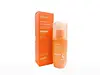
This brightening serum is formulated around Ascorbic Acid and 3-O-Ethyl Ascorbic Acid to brighten dull-looking skin and fade the look of dark spots.
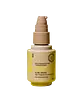
This brightening serum is formulated around 3-O-Ethyl Ascorbic Acid and Kojic Acid to brighten dull-looking skin and fade the look of dark spots.

What's inside
What's inside
 Key Ingredients
Benefits
Concerns
No concerns
Ingredients Side-by-side






Water
Skin Conditioning3-O-Ethyl Ascorbic Acid
Skin Conditioning





Kojic Acid
Antioxidant


Dipropylheptyl Carbonate
EmollientLactobacillus/Turmeric Ferment Filtrate
HumectantLactobacillus/Aloe Barbadensis Ferment Filtrate
Skin ConditioningCrocus Sativus Flower Extract
MaskingLactobacillus
Skin ConditioningInulin
Skin Conditioning
Phyllanthus Emblica Fruit Extract
HumectantLactococcus Ferment Lysate
Skin Conditioning
Glycyrrhiza Glabra Root Extract
Bleaching
Pyrus Malus Fruit Extract
Skin Conditioning
Punica Granatum Fruit Extract
Antioxidant
Citrus Aurantium Peel Extract
Perfuming
Bifida Ferment Lysate
Skin Conditioning
Prunus Cerasoides Extract
Glycerin
Humectant
Ferulic Acid
Antimicrobial
Polyquaternium-7
Phenoxyethanol
Preservative
Ethylhexylglycerin
Skin ConditioningParfum
Masking



Xanthan Gum
EmulsifyingDisodium EDTA
ChelatingWater, 3-O-Ethyl Ascorbic Acid, Kojic Acid, Dipropylheptyl Carbonate, Lactobacillus/Turmeric Ferment Filtrate, Lactobacillus/Aloe Barbadensis Ferment Filtrate, Crocus Sativus Flower Extract, Lactobacillus, Inulin, Phyllanthus Emblica Fruit Extract, Lactococcus Ferment Lysate, Glycyrrhiza Glabra Root Extract, Pyrus Malus Fruit Extract, Punica Granatum Fruit Extract, Citrus Aurantium Peel Extract, Bifida Ferment Lysate, Prunus Cerasoides Extract, Glycerin, Ferulic Acid, Polyquaternium-7, Phenoxyethanol, Ethylhexylglycerin, Parfum, Xanthan Gum, Disodium EDTA
Ingredients Explained
These ingredients are found in both products.
Ingredients higher up in an ingredient list are typically present in a larger amount.
3-O-Ethyl Ascorbic Acid is one of the most popular "stable" vitamin C derivatives in skincare.
Plain ascorbic acid is fantastic but notoriously fragile; it browns, oxidizes, and loses potency fast. So attaching an ethyl group to the third carbon of the molecule gives it some cool perks:
In a formula, it does the 3 classic vitamin C jobs: it acts as an antioxidant, helps brighten skin tone by inhibiting tyrosinase, and supports collagen.
The evidence is reasonably solid for a cosmetic ingredient; Liao and colleagues (2018) showed it's significantly more stable than ascorbic acid while still being effective.
A 2021 study by Zerbinati and colleagues tested a serum with 30% 3-O-ethyl-l-ascorbic acid and 1% lactic acid significantly increased collagen production, reduced UVB-induced DNA damage, and decreased melanin on a reconstructed pigmented skin model.
Typical real world usage sits around 0.5-5% (and 1-2% is common for daily serums).
Amounts up to 30% have been shown to be non-irritating on human skin samples, but two isolated cases reported allergic contact dermatitis so a patch test is sensible if you have reactive skin.
Learn more about 3-O-Ethyl Ascorbic AcidFerulic Acid is a plant based antioxidant that can be naturally found in the cell walls of grains like rice, oats, and corn. It has antioxidant and antimicrobial properties, and has the ability to boost the performance of other antioxidants as well.
A well-known study found that adding Ferulic Acid to a solution of Vitamins C and E doubled the photoprotection of skin. This is why you'll often see it paired with Vitamin C or Vitamin E serums rather than sold on its own.
A 2025 review of 18 human studies found that using Ferulic Acid (0.5-1%) daily for one to three months showed improvements in:
As far as allergies go, Ferulic acid is generally well-tolerated but can cause an allergic reaction in very rare cases. It's also worth noting that Ferulic acid is often extracted from plant sources like rice bran or wheat bran, so be sure to path test if you have known grain allergies.
Outside of skincare, researchers are also looking into Ferulic Acid for its potential benefits in areas like diabetes, Alzheimer's, and heart health.
Learn more about Ferulic Acid

