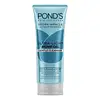
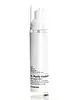
Pond's Hydra Miracle Ultra Light Biome Gel Gentle Cleanser Cera-Hyamino Versus Mr. Skincare Mr. Purifying Hydrating Foam Cleanser
This mild gel cleanser is made to cleanse without leaving your skin tight or dry.
This mild foaming cleanser is made to cleanse without leaving your skin tight or dry.


What's inside
What's inside
 Key Ingredients
Benefits
Concerns
Ingredients Side-by-side
Water
Skin ConditioningSodium Cocoyl Glycinate
Cleansing
Glycerin
Humectant


Hydroxypropyl Starch Phosphate
Sodium Lauroamphoacetate
CleansingAcrylates Copolymer
Sodium Chloride
MaskingDecyl Glucoside
Cleansing
Niacinamide
Smoothing









Sodium Hyaluronate
Humectant
Sodium Hyaluronate Crosspolymer
Humectant
Hydrolyzed Sodium Hyaluronate
Skin Conditioning
Sodium Acetylated Hyaluronate
Humectant
Ceramide NP
Skin Conditioning
Ceramide AP
Skin Conditioning
Ceramide EOP
Skin Conditioning
Cystine
MaskingGlycine
Buffering
Sodium Ascorbyl Phosphate
Antioxidant

Betaine
Humectant
Sodium PCA
Humectant
Hydrolyzed Collagen
Emollient
Panthenol
Skin Conditioning
Saccharide Isomerate
Humectant
Acetyl Dipeptide-1 Cetyl Ester
Skin Conditioning
Phytosphingosine
Skin Conditioning
Lauramidopropyl Betaine
CleansingPhenoxyethanol
Preservative
Caprylyl Glycol
Emollient
Coconut Acid
Cleansing

Sodium Carbonate
BufferingPolyquaternium-6
Citric Acid
Buffering
PEG-150 Distearate
Emulsifying
Stearic Acid
Cleansing
Tetrasodium EDTA
ChelatingBenzophenone-4
UV Absorber
BHT
Antioxidant
Sodium Hydroxide
BufferingTocopheryl Acetate
Antioxidant
Butylene Glycol
Humectant
Sodium Lauroyl Lactylate
EmulsifyingSodium Benzoate
Masking
Pentylene Glycol
Skin Conditioning
Sorbitan Laurate
Emulsifying
Hydroxyethylcellulose
Emulsion StabilisingSodium Citrate
BufferingXanthan Gum
EmulsifyingCarbomer
Emulsion StabilisingEthylhexylglycerin
Skin ConditioningParfum
Masking



Cholesterol
Emollient
Water, Sodium Cocoyl Glycinate, Glycerin, Hydroxypropyl Starch Phosphate, Sodium Lauroamphoacetate, Acrylates Copolymer, Sodium Chloride, Decyl Glucoside, Niacinamide, Sodium Hyaluronate, Sodium Hyaluronate Crosspolymer, Hydrolyzed Sodium Hyaluronate, Sodium Acetylated Hyaluronate, Ceramide NP, Ceramide AP, Ceramide EOP, Cystine, Glycine, Sodium Ascorbyl Phosphate, Betaine, Sodium PCA, Hydrolyzed Collagen, Panthenol, Saccharide Isomerate, Acetyl Dipeptide-1 Cetyl Ester, Phytosphingosine, Lauramidopropyl Betaine, Phenoxyethanol, Caprylyl Glycol, Coconut Acid, Sodium Carbonate, Polyquaternium-6, Citric Acid, PEG-150 Distearate, Stearic Acid, Tetrasodium EDTA, Benzophenone-4, BHT, Sodium Hydroxide, Tocopheryl Acetate, Butylene Glycol, Sodium Lauroyl Lactylate, Sodium Benzoate, Pentylene Glycol, Sorbitan Laurate, Hydroxyethylcellulose, Sodium Citrate, Xanthan Gum, Carbomer, Ethylhexylglycerin, Parfum, Cholesterol
Water
Skin ConditioningDisodium Cocoyl Glutamate
Cleansing
Glycerin
Humectant
Betaine
Humectant
PEG-7 Glyceryl Cocoate
Emulsifying
Coco-Glucoside
Cleansing
Cocamidopropyl Betaine
Cleansing
Saccharide Isomerate
Humectant
Decyl Glucoside
Cleansing
Sodium Hyaluronate
Humectant
Hydrolyzed Collagen
Emollient
PEG/PPG-8/3 Laurate
EmulsifyingPolyquaternium-39
Sorbitan Caprylate
EmulsifyingPropanediol
Solvent
Benzoic Acid
Masking
1,2-Hexanediol
Skin Conditioning
Citric Acid
Buffering
Sodium Citrate
BufferingWater, Disodium Cocoyl Glutamate, Glycerin, Betaine, PEG-7 Glyceryl Cocoate, Coco-Glucoside, Cocamidopropyl Betaine, Saccharide Isomerate, Decyl Glucoside, Sodium Hyaluronate, Hydrolyzed Collagen, PEG/PPG-8/3 Laurate, Polyquaternium-39, Sorbitan Caprylate, Propanediol, Benzoic Acid, 1,2-Hexanediol, Citric Acid, Sodium Citrate
Ingredients Explained
These ingredients are found in both products.
Ingredients higher up in an ingredient list are typically present in a larger amount.
Betaine is a humectant. Like hyaluronic acid, it helps attract and retain moisture in the skin. It’s known for being gentle and for helping the skin maintain balanced hydration.
Betaine is mainly used to improve hydration and support calmer skin. It helps skin cells regulate water balance because it functions as an osmolyte.
Some studies suggest betaine may support making skin tone more even.
Fun fact: Betaine naturally exists in the skin and the body. In cosmetic products, it can be either plant-derived (most commonly from sugar beets) or synthetically produced for consistency and stability.
Betaine is also known as trimethylglycine.
Learn more about BetaineCitric Acid is an alpha hydroxy acid (AHA) naturally found in citrus fruits like oranges, lemons, and limes.
Like other AHAs, citric acid can exfoliate skin by breaking down the bonds that hold dead skin cells together. This helps reveal smoother and brighter skin underneath.
However, this exfoliating effect only happens at high concentrations (20%) which can be hard to find in cosmetic products.
Due to this, citric acid is usually included in small amounts as a pH adjuster. This helps keep products slightly more acidic and compatible with skin's natural pH.
In skincare formulas, citric acid can:
While it can provide some skin benefits, research shows lactic acid and glycolic acid are generally more effective and less irritating exfoliants.
Most citric acid used in skincare today is made by fermenting sugars (usually from molasses). This synthetic version is identical to the natural citrus form but easier to stabilize and use in formulations.
Rosacea skin has a lower threshold for acids generally, with 62.5% of rosacea subjects in one study reacting to lactic acid in a sting test. This is why we mark citric acid as a potential rosacea trigger.
However, this ingredient shows up as a pH adjuster or chelator at roughly 0.1-1% in many products. These low levels are unlikely to be an issue for rosacea skin and becomes a potential trigger at exfoliating concentrations (20%). Because everybody's skin is unique, we recommend a patch test if you are unsure.
Learn more about Citric AcidDecyl Glucoside is a plant-derived surfactant and emulsion stabilizer. It is created by reacting glucose with the fatty acids from plants.
Like all surfactants, it works by lowering the surface tension between water and oil. This makes it so that dirt, sebum, and makeup can be lifted off your skin and rinsed away. It also produces a dense and creamy foam.
Because it has a neutral charge, it is compatible with a wide range of ingredients and stays stable across a broad pH range/water hardiness conditions.
Patch testing has shown it to have the lowest irritation potential among common cleansing surfactants (like SLS).
Typical use levels range from 5-20% in rinse-off cleansers.
One thing worth knowing: The American Contact Dermatitis Society named the parent family, alkyl glucosides, "Allergen of the Year" in 2017. The prevalence of allergy is pretty low but be sure to patch test if you've reacted to "gentle" or sulfate-free cleansers before.
This ingredient is fungal acne safe because the fatty alcohol portion of this ingredient is not within the C11-24 chain length that Malassezia can metabolize.
Learn more about Decyl GlucosideGlycerin (or glycerol) is a compound naturally found in your skin. It's a powerhouse humectant that pulls water into the stratum corneum.
Topically, glycerin does several things at once:
Your skin makes glycerin on its own (mostly from sebaceous oil breakdown) and shuttles it to your outermost layer of skin, or your epidermis, via aquaporin-3.
Aquaporin-3 is a transporter that is essential for normal skin hydration, elasticity, and repair. Interestingly, mice lacking in AQP3 have dry and less elastic skin that can be fully corrected with glycerin.
This ingredient is non-irritating, plays well with almost every ingredient, and works across all skin types. Typical use is anywhere between 3-10% but can go up to 79% in some leave-on products.
Just know very high concentrations (>40%) can feel tacky in low humidity.
Glycerin is the name for this ingredient in American English. British English uses Glycerol/Glycerine.
Learn more about GlycerinHydrolyzed Collagen is Collagen (usually sourced from fish, bovine, or porcine byproducts) that's been broken down into smaller peptides. This makes it water-soluble and easy to blend into formulations.
In a formula, it works mainly as a skin-conditioning and moisturizing agent.
The small peptides and amino acids (including Natural Moisturizing Factor components like Hydroxyproline, Serine, and Aspartic Acid) help the surface of the skin hold onto water, feel softer, and look temporarily plumper.
This ingredient also has mild film-forming and antioxidant properties with research showing the antioxidant effect is stronger the lower the molecular weight of the peptides.
It's worth being realistic here:
Topically applied Hydrolyzed Collagen conditions the upper layers of skin rather than rebuilding the structural collagen deep in your dermis (the wrinkle-and-firmness benefits people associate with Collagen mostly come from oral supplements in studies, not topicals).
However, recent lab and skin-model work on Hydrolyzed Fish Collagen has shown promising effects on cell viability and wound healing when used as an active.
Typical concentrations range from 0.2-2%, but the percentage can go much higher in rinse-off or hair products (sometimes even above 50%).
Clinical studies on this ingredient showed no irritation, sensitization, or phototoxicity.
If you are looking for vegan collagen, it usually goes by a different INCI name like hydrolyzed soy protein. Vegan collagen is derived from yeast, bacteria, or plant sources.
The results are varied.
A study from 2021 found hydrolyzed collagen increased elasticity and improved wrinkles in 1,125 participants between age 20 and 70. Another study found increased skin thickness in participants between the ages of 45 to 59.
However, It is difficult to prove that oral collagen will end up working on your skin. Many of the studies using hydrolyzed collagen also add several vitamins and nutrients into the test mixture as well.
Further studies are needed at this time.
Learn more about Hydrolyzed CollagenSaccharide Isomerate comes from sugars found in corn. It is a skin hydrator.
The structure of this ingredient can be altered to be more similar to the carbohydrates found in our skin. This ability to mimic our skin gives it hydrating properties.
Specifically, saccharide Isomerate is a humectant. Humectants draw moisture from the air to our skin.
Research shows Saccharide Isomerate to be an effective moisturizer.
Learn more about Saccharide IsomerateSodium Citrate is the sodium salts of citric acid. In skincare, it is used to alter pH levels and acts as a preservative.
Its main functions are to maintain the pH of a product and neutralize metal ions.
The acidity of our skin is maintained by our glands and skin biome; normal pH level of skin is slightly acidic (~4.75-5.5).
Being slightly acidic allows our skin to create an "acid mantle". This acid mantle is a thin barrier that protects our skin from bacteria and contaminants.
Learn more about Sodium CitrateSodium Hyaluronate is the salt form of hyaluronic acid. It is a long sugar chain that is naturally found in your skin, joints, and connective tissue that maintains hydration and elasticity.
In skincare, it works as a humectant. It pulls water from the environment and deeper layers of skin and binds it to the surface.
Interestingly, the size of the molecule affects its behavior:
Some clinical evidence links low molecular weight versions to improved wrinkle depth, elasticity, anti-inflammatory effects, and barrier repair.
Many serums use a blend of both weights so you can get surface hydration plus longer-lasting and deeper effects.
You'll typically see concentrations between 0.1-2% for this ingredient.
Learn more about Sodium HyaluronateWater. It's the most common cosmetic ingredient of all. You'll usually see it at the top of ingredient lists, meaning that it makes up the largest part of the product.
So why is it so popular? Water most often acts as a solvent - this means that it helps dissolve other ingredients into the formulation.
You'll also recognize water as that liquid we all need to stay alive. If you see this, drink a glass of water. Remember to stay hydrated!
Learn more about Water

