Pixi Beauty Skintreats Rose Remedy Mask Versus Nature Republic Soothing & Moisture Aloe Vera 92% Gel
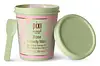
This wash off mask is made with Rosa Damascena Flower Water and Glycyrrhiza Glabra Root Extract for a rinse-off calming boost.
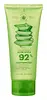
This calming moisturizer is formulated around Aloe Barbadensis Leaf Juice and Sodium Hyaluronate to calm redness and hydrate skin.


What's inside
What's inside
 Key Ingredients
Benefits
Concerns
Ingredients Side-by-side
Water
Skin ConditioningGlycerin
Humectant


Rosa Damascena Flower Water
Masking

Arginine
Masking
Limnanthes Alba Seed Oil
Skin Conditioning


Pelargonium Graveolens Flower Oil
Masking



Glycyrrhiza Glabra Root Extract
Bleaching

Helianthus Annuus Seed Oil
Emollient
Hippophae Rhamnoides Extract
MaskingLactobacillus Ferment
Skin Conditioning
Anthemis Nobilis Flower Extract
Masking
Argania Spinosa Kernel Oil
Emollient
Camellia Sinensis Leaf Extract
Antimicrobial


Centella Asiatica Extract
Cleansing
Rosa Canina Fruit Oil
Emollient
Rosa Damascena Flower Extract
Masking
Polygonum Cuspidatum Root Extract
Antioxidant
Melia Azadirachta Flower Extract
Skin ConditioningCoccinia Indica Fruit Extract
Skin Conditioning
Melia Azadirachta Leaf Extract
Skin ConditioningSolanum Melongena Fruit Extract
Skin ConditioningRosa Damascena Flower Oil
Masking
Aloe Barbadensis Flower Extract
EmollientCorallina Officinalis Extract
Skin Conditioning

Curcuma Longa Root Extract
Antioxidant
Ocimum Sanctum Leaf Extract
Skin ConditioningCeramide NP
Skin Conditioning
Tocopherol
Antioxidant
Carbomer
Emulsion StabilisingPolyester-5
Caprylyl Glycol
Emollient
Ethylhexylglycerin
Skin Conditioning1,2-Hexanediol
Skin Conditioning
Canola Oil
Emollient
Polyglyceryl-10 Stearate
Skin Conditioning
Buteth-3
SolventCaprylhydroxamic Acid
ChelatingSodium Benzotriazolyl Butylphenol Sulfonate
UV AbsorberTributyl Citrate
SolventPhenoxyethanol
Preservative
Citral
Perfuming
Citronellol
Perfuming
Geraniol
Perfuming
Linalool
Perfuming
Water, Glycerin, Rosa Damascena Flower Water, Arginine, Limnanthes Alba Seed Oil, Pelargonium Graveolens Flower Oil, Glycyrrhiza Glabra Root Extract, Helianthus Annuus Seed Oil, Hippophae Rhamnoides Extract, Lactobacillus Ferment, Anthemis Nobilis Flower Extract, Argania Spinosa Kernel Oil, Camellia Sinensis Leaf Extract, Centella Asiatica Extract, Rosa Canina Fruit Oil, Rosa Damascena Flower Extract, Polygonum Cuspidatum Root Extract, Melia Azadirachta Flower Extract, Coccinia Indica Fruit Extract, Melia Azadirachta Leaf Extract, Solanum Melongena Fruit Extract, Rosa Damascena Flower Oil, Aloe Barbadensis Flower Extract, Corallina Officinalis Extract, Curcuma Longa Root Extract, Ocimum Sanctum Leaf Extract, Ceramide NP, Tocopherol, Carbomer, Polyester-5, Caprylyl Glycol, Ethylhexylglycerin, 1,2-Hexanediol, Canola Oil, Polyglyceryl-10 Stearate, Buteth-3, Caprylhydroxamic Acid, Sodium Benzotriazolyl Butylphenol Sulfonate, Tributyl Citrate, Phenoxyethanol, Citral, Citronellol, Geraniol, Linalool
Water
Skin ConditioningAlcohol
Antimicrobial

Propylene Glycol
Humectant
Dipropylene Glycol
HumectantCarbomer
Emulsion StabilisingAloe Barbadensis Leaf Juice
Skin Conditioning
Tromethamine
BufferingC12-14 Pareth-12
Emulsifying1,2-Hexanediol
Skin Conditioning
Butylene Glycol
Humectant
Caprylyl Glycol
Emollient
Pentylene Glycol
Skin Conditioning
Betaine
Humectant
Hydroxyacetophenone
Antioxidant
Parfum
Masking
Linalool
Perfuming
Limonene
Perfuming
Glycerin
Humectant
Disodium EDTA
ChelatingGlyceryl Polyacrylate
Sodium Hyaluronate
Humectant
Polyglutamic Acid
Skin Conditioning
Mentha Viridis Extract
MaskingMelilotus Officinalis Extract
AstringentCalendula Officinalis Flower Extract
Masking
Ethylhexylglycerin
Skin ConditioningWater, Alcohol, Propylene Glycol, Dipropylene Glycol, Carbomer, Aloe Barbadensis Leaf Juice, Tromethamine, C12-14 Pareth-12, 1,2-Hexanediol, Butylene Glycol, Caprylyl Glycol, Pentylene Glycol, Betaine, Hydroxyacetophenone, Parfum, Linalool, Limonene, Glycerin, Disodium EDTA, Glyceryl Polyacrylate, Sodium Hyaluronate, Polyglutamic Acid, Mentha Viridis Extract, Melilotus Officinalis Extract, Calendula Officinalis Flower Extract, Ethylhexylglycerin
Reviews
Ingredients Explained
These ingredients are found in both products.
Ingredients higher up in an ingredient list are typically present in a larger amount.
1,2-Hexanediol is a synthetic liquid and another multi-functional powerhouse.
It is a:
- Humectant, drawing moisture into the skin
- Emollient, helping to soften skin
- Solvent, dispersing and stabilizing formulas
- Preservative booster, enhancing the antimicrobial activity of other preservatives
Caprylyl Glycol is a humectant, skin conditioner, emollient, and preservative booster derived from either caprylic acid or synthetically created.
Typical use levels vary from 0.3-1% as a preservative booster and go up to 2% to condition skin.
Because it is not a free-fatty acid, this ingredient is fungal acne safe (there's nothing for Malassezia to feed on).
Learn more about Caprylyl GlycolCarbomer is a synthetic thickening and gelling agent. It's basically the ingredient that gives a lot of serums, gels, creams, and sunscreens their smooth, non-sticky texture.
Although legally permitted at very high levels, carbomers are normally used at concentrations below 1%.
It also needs to be neutralized to actually thicken, and because it is a large molecule, it doesn't really penetrate the skin barrier.
Allergy-wise, the risk is very low. Clinical studies show carbomers have low potential for skin irritation/sensitization even at concentrations up to 100%.
A 2024 UK study patch-tested 1,302 patients and found true allergy to the parent group of carbomer to be rare with no confirmed relevant reactions.
Learn more about CarbomerEthylhexylglycerin is created from glycerin. It is a multitasker ingredient that:
The CIR Expert Panel found minimal skin absorption or sensitization of any kind in a safety assessment. Though this ingredient is considered well-tolerated, a small number of cases of allergic dermatitis have been published since 2002. Just be sure to patch test if you are unsure.
Industry-reported use ranges from 8% in rinse-off products and 2% in leave-on formulations.
Learn more about EthylhexylglycerinGlycerin (or glycerol) is a compound naturally found in your skin. It's a powerhouse humectant that pulls water into the stratum corneum.
Topically, glycerin does several things at once:
Your skin makes glycerin on its own (mostly from sebaceous oil breakdown) and shuttles it to your outermost layer of skin, or your epidermis, via aquaporin-3.
Aquaporin-3 is a transporter that is essential for normal skin hydration, elasticity, and repair. Interestingly, mice lacking in AQP3 have dry and less elastic skin that can be fully corrected with glycerin.
This ingredient is non-irritating, plays well with almost every ingredient, and works across all skin types. Typical use is anywhere between 3-10% but can go up to 79% in some leave-on products.
Just know very high concentrations (>40%) can feel tacky in low humidity.
Glycerin is the name for this ingredient in American English. British English uses Glycerol/Glycerine.
Learn more about GlycerinLinalool is a small, naturally occurring scent molecule found in plants like lavender, coriander, bergamot, and more.
It is one of the two most-used fragrance ingredients in cosmetics and added purely for smell. Since it's not used for a skin benefit, there's no "effective dose". Concentration depends on the fragrance load of the product.
The EU requires it to be named on the label above 0.001% in leave-on and 0.01% in rinse-off products.
Fresh linalool is a weak sensitizer but air exposure turns some of it into hydroperoxides, which are strong sensitizers. Those oxidation products are the actual allergy concern.
Patch-test clinics see positive reactions to linalool hydroperoxides in about 4% to 12% of dermatitis patients depending on country and test concentration.
Resassuringly, one analytical study found hydroperoxide levels in real fragranced products to be orders of magnitude below what induced sensitization in animal studies with no evidence of oxidation building up during normal storage.
The practical takeaway is that linalool is fine for most people but worth avoiding if you have a confirmed fragrance contact allergy or a badly compromised barrier.
Products stored a long time after opening are also the high-risk scenario since that is when oxidation happens.
The scent of linalool is described as floral, spicy tropical, and citrus-like.
Learn more about LinaloolWater. It's the most common cosmetic ingredient of all. You'll usually see it at the top of ingredient lists, meaning that it makes up the largest part of the product.
So why is it so popular? Water most often acts as a solvent - this means that it helps dissolve other ingredients into the formulation.
You'll also recognize water as that liquid we all need to stay alive. If you see this, drink a glass of water. Remember to stay hydrated!
Learn more about Water

