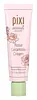
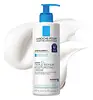
Pixi Beauty Pixi Rose Ceramide Cream Versus La Roche-Posay Lipikar AP+M Triple Repair Body Moisturizer for Extra Dry Skin
This barrier-repair moisturizer is formulated around Bifida Ferment Lysate and Ceramide NP to strengthen the skin barrier and hydrate skin.
This barrier-repair moisturizer is formulated around Butyrospermum Parkii Butter and Niacinamide to strengthen the skin barrier and hydrate skin.


What's inside
What's inside
 Key Ingredients
Benefits
Concerns
Ingredients Side-by-side
Water
Skin ConditioningDipropylene Glycol
HumectantGlycerin
Humectant


Dimethicone
Emollient
Caprylic/Capric Triglyceride
Masking
Hydrogenated Poly(C6-14 Olefin)
EmollientHydrogenated Polydecene
EmollientCetearyl Alcohol
Emollient





PEG-20 Methyl Glucose Sesquistearate
Emulsifying
Betaine
Humectant
Hydroxyethyl Acrylate/Sodium Acryloyldimethyl Taurate Copolymer
Emulsion StabilisingPolysilicone-11

1,2-Hexanediol
Skin Conditioning
Cyclopentasiloxane
Emollient
Glyceryl Stearate
Emollient
PEG-100 Stearate
Surfactant
Caprylyl Glycol
Emollient
Methyl Glucose Sesquistearate
Emollient
Citrus Paradisi Peel Oil
Masking




Sorbitan Stearate
Emulsifying
Butyrospermum Parkii Butter
Skin Conditioning
Octyldodecanol
Emollient
Dimethiconol
Emollient
Butylene Glycol
Humectant
Bifida Ferment Lysate
Skin Conditioning
Ceramide NP
Skin Conditioning

Polysorbate 60
Emulsifying
Sorbitan Isostearate
Emulsifying
Xanthan Gum
EmulsifyingCitrus Aurantium Bergamia Fruit Oil
Masking
Hydrogenated Lecithin
Emulsifying
Portulaca Oleracea Extract
Skin Conditioning
Rosmarinus Officinalis Leaf Oil
Masking
Propanediol
Solvent
Sucrose Cocoate
Emulsifying
Dextrin
AbsorbentDisodium EDTA
ChelatingEchium Plantagineum Seed Oil
Skin Conditioning
Caramel
Cosmetic ColorantCentella Asiatica Extract
Cleansing
Lecithin
Emollient
Phenoxyethanol
Preservative
Rosa Damascena Flower Oil
Masking
Biosaccharide Gum-1
Humectant
Cardiospermum Halicacabum Flower/Leaf/Vine Extract
Skin ConditioningHelianthus Annuus Seed Oil Unsaponifiables
Emollient
Polyglutamic Acid
Skin Conditioning
Tagetes Minuta Flower Oil
Masking
Potassium Sorbate
Preservative
Betula Alba Bud Extract
Skin ConditioningCorylus Avellana Bud Extract
Skin ConditioningJuglans Regia Leaf Extract
Abrasive
Olea Europaea Bud Extract
Antioxidant
Tocopherol
Antioxidant


Water, Dipropylene Glycol, Glycerin, Dimethicone, Caprylic/Capric Triglyceride, Hydrogenated Poly(C6-14 Olefin), Hydrogenated Polydecene, Cetearyl Alcohol, PEG-20 Methyl Glucose Sesquistearate, Betaine, Hydroxyethyl Acrylate/Sodium Acryloyldimethyl Taurate Copolymer, Polysilicone-11, 1,2-Hexanediol, Cyclopentasiloxane, Glyceryl Stearate, PEG-100 Stearate, Caprylyl Glycol, Methyl Glucose Sesquistearate, Citrus Paradisi Peel Oil, Sorbitan Stearate, Butyrospermum Parkii Butter, Octyldodecanol, Dimethiconol, Butylene Glycol, Bifida Ferment Lysate, Ceramide NP, Polysorbate 60, Sorbitan Isostearate, Xanthan Gum, Citrus Aurantium Bergamia Fruit Oil, Hydrogenated Lecithin, Portulaca Oleracea Extract, Rosmarinus Officinalis Leaf Oil, Propanediol, Sucrose Cocoate, Dextrin, Disodium EDTA, Echium Plantagineum Seed Oil, Caramel, Centella Asiatica Extract, Lecithin, Phenoxyethanol, Rosa Damascena Flower Oil, Biosaccharide Gum-1, Cardiospermum Halicacabum Flower/Leaf/Vine Extract, Helianthus Annuus Seed Oil Unsaponifiables, Polyglutamic Acid, Tagetes Minuta Flower Oil, Potassium Sorbate, Betula Alba Bud Extract, Corylus Avellana Bud Extract, Juglans Regia Leaf Extract, Olea Europaea Bud Extract, Tocopherol
Water
Skin ConditioningButyrospermum Parkii Butter
Skin Conditioning
Glycerin
Humectant
Dimethicone
Emollient
Niacinamide
Smoothing


Cetearyl Alcohol
Emollient
Brassica Campestris Seed Oil
Skin Conditioning
Glyceryl Stearate
Emollient
Ammonium Polyacryloyldimethyl Taurate
Emulsion StabilisingPEG-100 Stearate
Surfactant
Propanediol
Solvent
Ophiopogon Japonicus Root Extract
Skin ConditioningCeramide NP
Skin Conditioning
Sorbitan Tristearate
EmulsifyingDimethiconol
Emollient
PEG-20 Methyl Glucose Sesquistearate
Emulsifying
Sodium Chloride
MaskingMannose
HumectantCoco-Betaine
Cleansing
Disodium EDTA
ChelatingCapryloyl Glycine
CleansingCaprylyl Glycol
Emollient
Vitreoscilla Ferment
Skin Conditioning
Citric Acid
Buffering
Maltodextrin
Absorbent
Xanthan Gum
EmulsifyingTocopherol
Antioxidant
Pentaerythrityl Tetra-Di-T-Butyl Hydroxyhydrocinnamate
Antioxidant
Water, Butyrospermum Parkii Butter, Glycerin, Dimethicone, Niacinamide, Cetearyl Alcohol, Brassica Campestris Seed Oil, Glyceryl Stearate, Ammonium Polyacryloyldimethyl Taurate, PEG-100 Stearate, Propanediol, Ophiopogon Japonicus Root Extract, Ceramide NP, Sorbitan Tristearate, Dimethiconol, PEG-20 Methyl Glucose Sesquistearate, Sodium Chloride, Mannose, Coco-Betaine, Disodium EDTA, Capryloyl Glycine, Caprylyl Glycol, Vitreoscilla Ferment, Citric Acid, Maltodextrin, Xanthan Gum, Tocopherol, Pentaerythrityl Tetra-Di-T-Butyl Hydroxyhydrocinnamate
Reviews
Ingredients Explained
These ingredients are found in both products.
Ingredients higher up in an ingredient list are typically present in a larger amount.
This ingredient is also known as shea butter. It is a plant-derived extract from the nuts of the Africa shea tree and one of the most well-studied emollients.
Because it has a high concentration of fatty acids (primarily oleic, stearic, and linoleic) it is able to form a protective barrier on the skin's surface. This helps seal in moisture and prevents transepidermal water loss (TEWL).
In vitro research found an increase in skin hydration by 58% and a decrease in TEWL by 37.8% after 24 hours of applying this ingredient (pretty impressive for a single ingredient!).
Besides hydration, shea butter also contains triterpenes that have anti-inflammatory potential. In particule, lupeol cinnamate has shown the highest anti-inflammatory activity in vivo.
Shea butter also contains vitamins A and E which may contribute to antioxidant activity.
While Shea Butter has an SPF rating of about 3-4, it is not a sunscreen replacement.
This ingredient may not be fungal acne safe because its fatty acids fall within the C11-C24 range that the Malassezia yeast can metabolize.
This ingredient shows up on a lot of "pore-clogging" lists but there's no real evidence behind that. It doesn't even have a comedogenic rating from an actual study; the numbers you'll find online come from blogs citing other blogs.
Ratings for other ingredients mostly come from a 1980s rabbit ear test. This test doesn't translate well to human skin or to real products because the ingredient sits at a much lower percentage.
Some people still find it breaks them out. So if that's you, definitely trust your skin. Just know this one's based on experience and not evidence.
Learn more about Butyrospermum Parkii ButterCaprylyl Glycol is a humectant, skin conditioner, emollient, and preservative booster derived from either caprylic acid or synthetically created.
Typical use levels vary from 0.3-1% as a preservative booster and go up to 2% to condition skin.
Because it is not a free-fatty acid, this ingredient is fungal acne safe (there's nothing for Malassezia to feed on).
Learn more about Caprylyl GlycolCeramide NP (formerly known as Ceramide 3) is one of the skin's naturally occurring lipids.
Since ceramides are the major lipid components of the skin, they are crucial for maintaining skin barrier and hydration. Ceramide NP most closely mirrors the dominant kind in human skin amongst ceramide subtypes.
This ceramide works by slotting into gaps within the stratum corneum's lipid matrix to limit trans-epidermal water loss (TEWL) and shield the skin against external irritants.
A study with 312 patients found that using a ceramide-containing routine for 4 weeks reduced the severity of atopic dermatitis by over 61%.
Another clinical study in subjects aged 60 and older found that a ceramide body wash and moisturizer improved skin dryness and itchy skin in 15 days.
Overall, ceramides are considered non-irritating and safety tests have found little to no observable adverse effects from using this ingredient.
Ceramide NP is usually sourced from plants (like soybean or rice bran), or produced synthetically.
Learn more about Ceramide NPCetearyl alcohol is a waxy mixture of two fatty alcohols: cetyl alcohol and stearyl alcohol. It is an emollient and emulsifier.
Despite having "alcohol" in its name, it has nothing to do with drying solvent alcohols; the FDA also allows "alcohol-free" products to contain fatty alcohols like this ingredient.
It plays several roles in a formula:
Typical use levels for this ingredient sit around 1-10% and the Cosmetic Ingredient Review Expert Panel has affirmed safety at concentrations up to 25% in leave-on products.
Multiple assessments have found it to be non-irritating and non-sensitizing to most people.
However, there have been some cases of allergic contact dermatitis in patients with chronically compromised skin barriers.
Cetearyl alcohol has a comedogenic rating of 2 and irritancy rating of 1. Both of these numbers come from the 1989 study that used rabbit ears; a "2" means mildly comedogenic and a "1" means low irritancy.
Here's the catch: rabbit skin is more sensitive than human skin and throws a lot of false positives. A 1996 reappraisal found that ingredients rated 1-2 in the rabbit ear tests are generally safe for humans.
Remember comedogenic ratings are unable to assess the entire formula of a product or how it will react on your skin. Just be sure to patch test if you are unsure about certain ingredients.
This ingredient is not fungal acne safe. Cetearyl alcohol is a fatty alcohol with chain lengths that fall within the range that Malassezia can metabolize.
A 2019 study has also observed Malassezia growth in the presence of this ingredient, confirming it to be not-fungal acne safe.
Learn more about Cetearyl AlcoholDimethicone is a type of synthetic silicone created from natural materials such as quartz. It is also known as polydimethylsiloxane.
What it does:
Dimethicone comes in different viscosities:
Depending on the viscosity, dimethicone has different properties.
Ingredients lists don't always show which type is used, so we recommend reaching out to the brand if you have questions about the viscosity.
This ingredient is unlikely to cause irritation because it does not get absorbed into skin. However, people with silicone allergies should be careful about using this ingredient.
Note: Dimethicone may contribute to pilling. This is because it is not oil or water soluble, so pilling may occur when layered with products. When mixed with heavy oils in a formula, the outcome is also quite greasy.
Learn more about DimethiconeDimethiconol is a silicone that resembles the popular dimethicone. Like other silicones, it is an emollient. Emollients create a thin film on skin to prevent moisture from escaping.
This ingredient helps to create a silky texture and improve spreadability. Due to its high molecular weight and thickness, it is often combined with cyclopentasiloxane.
Disodium EDTA is a chelating agent. It grabs onto and deactivates metal ions that sneak into your products from water, packaging, or air.
This ingredient mainly works behind the scenes and helps with:
On top of that, this ingredient can counteract the effects of hard water by binding to the minerals in it.
One thing worth knowing is that Disodium EDTA has been shown to be a mild penetration enhancer. It can help other ingredients absorb into skin more effectively which can be a double-edged sword (great for actives, but can also make the active too strong if you have sensitive skin).
Clinical patch testing showed no significant skin irritation at typical use concentrations and minimal dermal absorption.
You'll most likely see this ingredient near the end of an ingredient list. It's typically found in concentrations less than 1%.
Learn more about Disodium EDTAGlycerin (or glycerol) is a compound naturally found in your skin. It's a powerhouse humectant that pulls water into the stratum corneum.
Topically, glycerin does several things at once:
Your skin makes glycerin on its own (mostly from sebaceous oil breakdown) and shuttles it to your outermost layer of skin, or your epidermis, via aquaporin-3.
Aquaporin-3 is a transporter that is essential for normal skin hydration, elasticity, and repair. Interestingly, mice lacking in AQP3 have dry and less elastic skin that can be fully corrected with glycerin.
This ingredient is non-irritating, plays well with almost every ingredient, and works across all skin types. Typical use is anywhere between 3-10% but can go up to 79% in some leave-on products.
Just know very high concentrations (>40%) can feel tacky in low humidity.
Glycerin is the name for this ingredient in American English. British English uses Glycerol/Glycerine.
Learn more about GlycerinGlyceryl Stearate is made by reacting glycerin with stearic acid (typically sourced from plant oils like palm or coconut). It's an emulsifier, emollient, and mild occlusive.
Emulsifiers help ingredients like oil and water stay mixed so your formula stays nicely blended and uniform in texture.
This ingredient is typically used in concentrations between 1-10%. Studies have found it to be non-sensitizing, non-phototoxic, and non-photoallergenic.
A close cousin of this ingredient is Glyceryl Stearate SE ("self-emulsifying"). This just has a small amount of sodium or potassium stearate added so it can emulsify without a co-emulsifier.
Since this ingredient is an ester of a C18 fatty acid, it may not be fungal acne safe. The Malassezia yeast can potentially metabolize within the C11-C24 range.
Fun fact: The human body also creates Glyceryl Stearate naturally.
Learn more about Glyceryl StearatePeg-100 Stearate is an emollient and emulsifier. As an emollient, it helps keep skin soft by trapping moisture in. On the other hand, emulsifiers help prevent oil and water from separating in a product.
PEGS are a hydrophilic polyether compound . There are 100 ethylene oxide monomers in Peg-100 Stearate. Peg-100 Stearate is polyethylene glycol ester of stearic acid.
This is a corn-derived ingredient that acts as an oil-in-water emulsifier. It's great at forming lightweight and elegant emulsions for "milky" products.
In dermal testing, undiluted PEG-20 Methyl Glucose Sesquistearate scored a primary irratation index of zero and human repeated insult patch tests at concentrations up to 80% showed no irritation or sensitization. Because of this low irritation score, you'll likely see it in products designed for the eye area.
You'll typically find it at 0.5-3% in formulations. It's also often paired with its sibling, Methyl Glucose Sesquistearate, to create stable and mild emulsion systems.
The yeast that causes fungal acne loves fats and oils with a carbon chain length between 11 and 24. This ingredient contains stearic acid, which has a chain length of 18. Due to this, we mark this ingredient as not safe for fungal acne.
Learn more about PEG-20 Methyl Glucose SesquistearatePropanediol is an all-star ingredient. It softens, hydrates, and smooths the skin.
It’s often used to:
Propanediol is not likely to cause sensitivity and considered safe to use. It is derived from corn or petroleum with a clear color and no scent.
Learn more about PropanediolTocopherol is a fat-soluble antioxidant known as Vitamin E.
You'll find this ingredient in the vast majority of skincare (for good reason). It works to neutralize free radicals, or unstable molecules generated by UV exposure, pollution, and other environmental stressors, before they can cause oxidative damage to your skin cells.
Topically applied tocopherol has been shown to protect against UV damage by ramping up the skin's own natural defense enzymes.
It also acts as a skin conditioning agent; some studies show that regular topical use can improve the skin's water-binding capacity over 2-4 weeks.
This ingredient is especially loved for being a team player. When combined with Vitamin C, the photoprotective effect of both ingredients roughly doubles and the combo also helps reduce UV-induced DNA damage.
This ingredient has some brightening potential but it's more of a prevention ingredient than spot-fader. Cell studies show it can slow down melanin production but it's worth noting that it's not the most powerful brightener out there.
In formulations, it also serves as a stabilizer that helps protect other oxidation-prone ingredients from degrading.
Concentrations usually range from 0.1-1% in most leave-on products.
Learn more about TocopherolWater. It's the most common cosmetic ingredient of all. You'll usually see it at the top of ingredient lists, meaning that it makes up the largest part of the product.
So why is it so popular? Water most often acts as a solvent - this means that it helps dissolve other ingredients into the formulation.
You'll also recognize water as that liquid we all need to stay alive. If you see this, drink a glass of water. Remember to stay hydrated!
Learn more about WaterXanthan gum is used as a stabilizer and thickener within cosmetic products. It helps give products a sticky, thick feeling - preventing them from being too runny.
On the technical side of things, xanthan gum is a polysaccharide - a combination consisting of multiple sugar molecules bonded together.
Xanthan gum is a pretty common and great ingredient. It is a natural, non-toxic, non-irritating ingredient that is also commonly used in food products.
Learn more about Xanthan Gum

