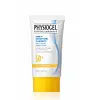
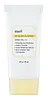
Physiogel Daily Moisture Therapy Mild Relief Sunscreen SPF 50+ Versus Dear, Klairs All-Day Airy Sunscreen SPF 50+
This hybrid sunscreen covers the full UV range and blocks ~98% of UVB at SPF 50.
This chemical sunscreen covers the full UV range and blocks ~98% of UVB at SPF 50.

What's inside
What's inside
 Key Ingredients
Benefits
Concerns
Ingredients Side-by-side
Water
Skin ConditioningZinc Oxide
Cosmetic Colorant


Dimethicone
Emollient

Butyloctyl Salicylate
Skin Conditioning
Polyglyceryl-3 Polydimethylsiloxyethyl Dimethicone
Skin Conditioning
Dipropylene Glycol
HumectantGlycerin
Humectant

Lauryl Polyglyceryl-3 Polydimethylsiloxyethyl Dimethicone
Skin Conditioning
1,2-Hexanediol
Skin Conditioning
Disteardimonium Hectorite
StabilisingPanthenol
Skin Conditioning

Polymethylsilsesquioxane
Dimethicone/Polyglycerin-3 Crosspolymer
Cleansing
Triethoxycaprylylsilane
Benzotriazolyl Dodecyl P-Cresol
UV AbsorberPCA Dimethicone
Skin Conditioning
Caprylic/Capric Triglyceride
Masking
Distearyldimonium Chloride
Acetamide Mea
HumectantVetiveria Zizanoides Root Oil
Masking



Myristica Fragrans Extract
MaskingPalmitamide Mea
Sarcosine
Skin Conditioning
Squalane
Emollient
Sodium Citrate
BufferingPiper Nigrum Fruit Oil
Masking
Tocopherol
Antioxidant



Zingiber Officinale Root Oil
Masking
Madecassoside
Antioxidant
Cinnamomum Cassia Leaf Oil
Masking

Ceramide NP
Skin Conditioning
Hydrogenated Lecithin
Emulsifying
Rosa Damascena Flower Oil
Masking
Water, Zinc Oxide, Dimethicone, Butyloctyl Salicylate, Polyglyceryl-3 Polydimethylsiloxyethyl Dimethicone, Dipropylene Glycol, Glycerin, Lauryl Polyglyceryl-3 Polydimethylsiloxyethyl Dimethicone, 1,2-Hexanediol, Disteardimonium Hectorite, Panthenol, Polymethylsilsesquioxane, Dimethicone/Polyglycerin-3 Crosspolymer, Triethoxycaprylylsilane, Benzotriazolyl Dodecyl P-Cresol, PCA Dimethicone, Caprylic/Capric Triglyceride, Distearyldimonium Chloride, Acetamide Mea, Vetiveria Zizanoides Root Oil, Myristica Fragrans Extract, Palmitamide Mea, Sarcosine, Squalane, Sodium Citrate, Piper Nigrum Fruit Oil, Tocopherol, Zingiber Officinale Root Oil, Madecassoside, Cinnamomum Cassia Leaf Oil, Ceramide NP, Hydrogenated Lecithin, Rosa Damascena Flower Oil
Water
Skin ConditioningDibutyl Adipate
EmollientButyloctyl Salicylate
Skin Conditioning
Diethylamino Hydroxybenzoyl Hexyl Benzoate
UV Filter
Polysilicone-15
UV Filter
C12-15 Alkyl Benzoate
AntimicrobialEthylhexyl Triazone
UV Absorber
Bis-Ethylhexyloxyphenol Methoxyphenyl Triazine
Skin Conditioning
Polymethylsilsesquioxane
Glycerin
Humectant
Niacinamide
Smoothing


Polyglyceryl-6 Stearate
Emollient
Cetearyl Olivate
Microcrystalline Cellulose
AbsorbentPanthenol
Skin Conditioning
Silica
Abrasive
Sorbitan Olivate
Emulsifying
Dipropylene Glycol
HumectantHydroxyacetophenone
Antioxidant
Poly C10-30 Alkyl Acrylate
Emulsion StabilisingPolyglyceryl-6 Behenate
Emulsion Stabilising
Allantoin
Skin Conditioning
Caprylyl Glycol
Emollient
Stearyl Alcohol
Emollient
Glyceryl Stearate
Emollient
Acrylates/C10-30 Alkyl Acrylate Crosspolymer
Emulsion StabilisingTromethamine
BufferingAdenosine
Skin Conditioning
Cetearyl Alcohol
Emollient


Disodium EDTA
Butylene Glycol
Humectant
Portulaca Oleracea Extract
Skin Conditioning
Aloe Barbadensis Leaf Extract
Emollient
Dioscorea Japonica Root Extract
Skin Conditioning
Laminaria Japonica Extract
Skin Protecting
Viola Mandshurica Flower Extract
Antioxidant
Ulmus Davidiana Root Extract
Skin Conditioning
Dipotassium Glycyrrhizate
Humectant
Lepidium Meyenii Root Extract
Skin Conditioning1,2-Hexanediol
Skin Conditioning
Lycium Chinense Fruit Extract
Antioxidant
Fragaria Chiloensis Fruit Extract
Skin Conditioning
Berberis Vulgaris Root Extract
AntimicrobialMorus Nigra Fruit Extract
Skin ConditioningWater, Dibutyl Adipate, Butyloctyl Salicylate, Diethylamino Hydroxybenzoyl Hexyl Benzoate, Polysilicone-15, C12-15 Alkyl Benzoate, Ethylhexyl Triazone, Bis-Ethylhexyloxyphenol Methoxyphenyl Triazine, Polymethylsilsesquioxane, Glycerin, Niacinamide, Polyglyceryl-6 Stearate, Cetearyl Olivate, Microcrystalline Cellulose, Panthenol, Silica, Sorbitan Olivate, Dipropylene Glycol, Hydroxyacetophenone, Poly C10-30 Alkyl Acrylate, Polyglyceryl-6 Behenate, Allantoin, Caprylyl Glycol, Stearyl Alcohol, Glyceryl Stearate, Acrylates/C10-30 Alkyl Acrylate Crosspolymer, Tromethamine, Adenosine, Cetearyl Alcohol, Disodium EDTA, Butylene Glycol, Portulaca Oleracea Extract, Aloe Barbadensis Leaf Extract, Dioscorea Japonica Root Extract, Laminaria Japonica Extract, Viola Mandshurica Flower Extract, Ulmus Davidiana Root Extract, Dipotassium Glycyrrhizate, Lepidium Meyenii Root Extract, 1,2-Hexanediol, Lycium Chinense Fruit Extract, Fragaria Chiloensis Fruit Extract, Berberis Vulgaris Root Extract, Morus Nigra Fruit Extract
Reviews
Ingredients Explained
These ingredients are found in both products.
Ingredients higher up in an ingredient list are typically present in a larger amount.
1,2-Hexanediol is a synthetic liquid and another multi-functional powerhouse.
It is a:
- Humectant, drawing moisture into the skin
- Emollient, helping to soften skin
- Solvent, dispersing and stabilizing formulas
- Preservative booster, enhancing the antimicrobial activity of other preservatives
Butyloctyl Salicylate is a chemical UV filter structurally similar to octisalate. It is a photostabilizer, SPF booster, emollient and solvent. This ingredient helps evenly spread out ingredients.
According to a manufacturer, it is suitable for pairing with micro Titanium Dioxide, Zinc Oxide, and pigments.
Photostabilizers help stabilize UV-filters and prevents them from degrading quickly.
Learn more about Butyloctyl SalicylateDipropylene Glycol is a synthetically created humectant, stabilizer, and solvent.
This ingredient helps:
Dipropylene glycol is technically an alcohol, but it belongs to the glycol family (often considered part of the ‘good’ alcohols). This means it is hydrating and gentle on skin unlike drying solvent alcohols like denatured alcohol.
As a masking agent, Dipropylene Glycol can be used to cover the smell of other ingredients. However, it does not have a scent.
Studies show Dipropylene Glycol is considered safe to use in skincare.
Learn more about Dipropylene GlycolGlycerin (or glycerol) is a compound naturally found in your skin. It's a powerhouse humectant that pulls water into the stratum corneum.
Topically, glycerin does several things at once:
Your skin makes glycerin on its own (mostly from sebaceous oil breakdown) and shuttles it to your outermost layer of skin, or your epidermis, via aquaporin-3.
Aquaporin-3 is a transporter that is essential for normal skin hydration, elasticity, and repair. Interestingly, mice lacking in AQP3 have dry and less elastic skin that can be fully corrected with glycerin.
This ingredient is non-irritating, plays well with almost every ingredient, and works across all skin types. Typical use is anywhere between 3-10% but can go up to 79% in some leave-on products.
Just know very high concentrations (>40%) can feel tacky in low humidity.
Glycerin is the name for this ingredient in American English. British English uses Glycerol/Glycerine.
Learn more about GlycerinPanthenol is a common ingredient that helps hydrate and soothe the skin. It is found naturally in our skin and hair.
There are two forms of panthenol: D and L.
D-panthenol is also known as dexpanthenol. Most cosmetics use dexpanthenol or a mixture of D and L-panthenol.
Panthenol is famous due to its ability to go deeper into the skin's layers. Using this ingredient has numerous pros (and no cons):
Like hyaluronic acid, panthenol is a humectant. Humectants are able to bind and hold large amounts of water to keep skin hydrated.
This ingredient works well for wound healing. It works by increasing tissue in the wound and helps close open wounds.
Once oxidized, panthenol converts to pantothenic acid. Panthothenic acid is found in all living cells.
This ingredient is also referred to as pro-vitamin B5.
Learn more about PanthenolPolymethylsilsesquioxane is a silicone used as a film forming agent.
When applied to the skin, this ingredient creates an invisible film on the surface. This film still allows oxygen to pass through, but prevents moisture from escaping. This can help condition and hydrate the skin. It also leaves a silky feel when applied.
Polymethylsilsesquioxane has not been shown to clog pores. It has been deemed safe to use up to 55%, but most cosmetics use much less.
If you have concerns about using this ingredient, we recommend speaking with a professional.
Learn more about PolymethylsilsesquioxaneWater. It's the most common cosmetic ingredient of all. You'll usually see it at the top of ingredient lists, meaning that it makes up the largest part of the product.
So why is it so popular? Water most often acts as a solvent - this means that it helps dissolve other ingredients into the formulation.
You'll also recognize water as that liquid we all need to stay alive. If you see this, drink a glass of water. Remember to stay hydrated!
Learn more about Water

