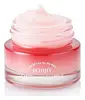
This hydrating lip mask is formulated around Caprylic/Capric Triglyceride and Petrolatum to hydrate lips and strengthen the lip barrier.
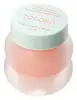
This hydrating lip mask is formulated around Olea Europaea Fruit Oil and Tocopheryl Acetate to hydrate lips.

What's inside
What's inside
 Key Ingredients
Benefits
Concerns
Ingredients Side-by-side
Diisostearyl Malate
EmollientDipentaerythrityl Hexa C5-9 Acid Esters
Skin ConditioningHydrogenated Polyisobutene
EmollientMicrocrystalline Wax
Emulsion StabilisingCaprylic/Capric Triglyceride
Masking


Beeswax
Emulsion Stabilising




Ceresin
Emulsion StabilisingPetrolatum
Emollient

Butyrospermum Parkii Butter
Skin Conditioning
Eclipta Prostrata Leaf Powder
Skin ConditioningEuphorbia Cerifera Wax
Curcuma Longa Root Extract
Antioxidant

Parfum
Masking
Phenoxyethanol
Preservative
Tocopheryl Acetate
Antioxidant

Sorbitan Sesquioleate
Emulsifying
Silica Dimethyl Silylate
EmollientMelia Azadirachta Leaf Extract
Skin ConditioningTitanium Dioxide
Cosmetic Colorant

Melia Azadirachta Flower Extract
Skin ConditioningMoringa Oleifera Butter
Corallina Officinalis Extract
Skin Conditioning
Melia Azadirachta Bark Extract
AntimicrobialOcimum Sanctum Leaf Extract
Skin ConditioningCamellia Japonica Seed Oil
Emollient
Simmondsia Chinensis Seed Oil
Emollient
Argania Spinosa Kernel Oil
Emollient


Limnanthes Alba Seed Oil
Skin Conditioning
Diisostearyl Malate, Dipentaerythrityl Hexa C5-9 Acid Esters, Hydrogenated Polyisobutene, Microcrystalline Wax, Caprylic/Capric Triglyceride, Beeswax, Ceresin, Petrolatum, Butyrospermum Parkii Butter, Eclipta Prostrata Leaf Powder, Euphorbia Cerifera Wax, Curcuma Longa Root Extract, Parfum, Phenoxyethanol, Tocopheryl Acetate, Sorbitan Sesquioleate, Silica Dimethyl Silylate, Melia Azadirachta Leaf Extract, Titanium Dioxide, Melia Azadirachta Flower Extract, Moringa Oleifera Butter, Corallina Officinalis Extract, Melia Azadirachta Bark Extract, Ocimum Sanctum Leaf Extract, Camellia Japonica Seed Oil, Simmondsia Chinensis Seed Oil, Argania Spinosa Kernel Oil, Limnanthes Alba Seed Oil
Hydrogenated Polyisobutene
EmollientEthylene/Propylene/Styrene Copolymer
Butylene/Ethylene/Styrene Copolymer
Pentaerythrityl Tetra-Di-T-Butyl Hydroxyhydrocinnamate
Antioxidant
Phytosteryl/Isostearyl/Cetyl/Stearyl/Behenyl Dimer Dilinoleate
Skin Conditioning
Diisostearyl Malate
EmollientPolyglyceryl-2 Triisostearate
Emulsifying
Microcrystalline Wax
Emulsion StabilisingHydrogenated Poly(C6-14 Olefin)
EmollientOlea Europaea Fruit Oil
Masking
Bis-Behenyl/Isostearyl/Phytosteryl Dimer Dilinoleyl Dimer Dilinoleate
EmollientPolyethylene
Abrasive
Silica Dimethyl Silylate
EmollientSorbitan Sesquioleate
Emulsifying
Tocopheryl Acetate
Antioxidant
Eclipta Prostrata Extract
Skin Conditioning
Melia Azadirachta Leaf Extract
Skin ConditioningMoringa Oleifera Seed Oil
Emollient
Hippophae Rhamnoides Fruit Oil
Skin Protecting
Parfum
Masking
Dehydroacetic Acid
Preservative
Dimethicone
Emollient
Simmondsia Chinensis Seed Oil
Emollient
Punica Granatum Flower Extract
Skin Conditioning
Raspberry Seed Oil/Tocopheryl Succinate Aminopropanediol Esters
Skin Conditioning
Water
Skin ConditioningButylene Glycol
Humectant
1,2-Hexanediol
Skin Conditioning
Lactobionic Acid
Buffering




Hydrogenated Polyisobutene, Ethylene/Propylene/Styrene Copolymer, Butylene/Ethylene/Styrene Copolymer, Pentaerythrityl Tetra-Di-T-Butyl Hydroxyhydrocinnamate, Phytosteryl/Isostearyl/Cetyl/Stearyl/Behenyl Dimer Dilinoleate, Diisostearyl Malate, Polyglyceryl-2 Triisostearate, Microcrystalline Wax, Hydrogenated Poly(C6-14 Olefin), Olea Europaea Fruit Oil, Bis-Behenyl/Isostearyl/Phytosteryl Dimer Dilinoleyl Dimer Dilinoleate, Polyethylene, Silica Dimethyl Silylate, Sorbitan Sesquioleate, Tocopheryl Acetate, Eclipta Prostrata Extract, Melia Azadirachta Leaf Extract, Moringa Oleifera Seed Oil, Hippophae Rhamnoides Fruit Oil, Parfum, Dehydroacetic Acid, Dimethicone, Simmondsia Chinensis Seed Oil, Punica Granatum Flower Extract, Raspberry Seed Oil/Tocopheryl Succinate Aminopropanediol Esters, Water, Butylene Glycol, 1,2-Hexanediol, Lactobionic Acid
Reviews
Ingredients Explained
These ingredients are found in both products.
Ingredients higher up in an ingredient list are typically present in a larger amount.
Diisostearyl Malate is an emollient and most often used in lip products. It comes from isostearyl alcohol, a fatty acid, and malic acid, an AHA.
As an emollient, Diisostearyl Malate helps create a thin film on your skin to trap moisture in. This helps keep your skin soft and smooth.
Hydrogenated Polyisobutene is a synthetic polymer. Polymers are compounds with high molecular weight. Hydrogenated Polyisobutene is an emollient and texture enhancer.
In one study, Hydrogenated Polyisobutene showed better skin hydration levels than Caprylic/Capric Triglyceride. As an emollient, it helps keep your skin soft and hydrated by trapping moisture in.
Hydrogenated Polyisobutene is often used as a mineral oil replacement.
Learn more about Hydrogenated PolyisobuteneThis ingredient is also known as neem leaf extract. It contains natural compounds like nimbidin, quercetin, and other polyphenols that give it antibacterial, antifungal, and anti-inflammatory activity.
Lab studies have shown neem leaf extract can inhibit acne-related bacteria and help calm skin. Animal studies on wound gels using 1-3% neem leaf extract found it sped up healing without causing irritation.
A wound-healing study testing gels with the extract at 1%, 2%, and 3% concentrations and found none of them irritated the skin.
Most commercial products also use it in a similar low range (typically under 5%).
Allergy-wise, there are some case reports on neem oil causing allergic contact dermatitis so people with plant/botanical sensitivities may want to patch test first.
Learn more about Melia Azadirachta Leaf ExtractMicrocrystalline Wax is derived from petroleum through a de-oiling process, then highly refined and purified before use in cosmetics.
In skincare formulations, it is used to improve texture and create a smooth, even consistency. It also helps stabilize products by preventing ingredients from separating.
Parfum is a catch-all term for an ingredient or more that is used to give a scent to products.
Also called "fragrance", this ingredient can be a blend of hundreds of chemicals or plant oils. This means every product with "fragrance" or "parfum" in the ingredients list is a different mixture.
For instance, Habanolide is a proprietary trade name for a specific aroma chemical. When used as a fragrance ingredient in cosmetics, most aroma chemicals fall under the broad labeling category of “FRAGRANCE” or “PARFUM” according to EU and US regulations.
The term 'parfum' or 'fragrance' is not regulated in many countries. In many cases, it is up to the brand to define this term.
For instance, many brands choose to label themselves as "fragrance-free" because they are not using synthetic fragrances. However, their products may still contain ingredients such as essential oils that are considered a fragrance by INCI standards.
One example is Calendula flower extract. Calendula is an essential oil that still imparts a scent or 'fragrance'.
Depending on the blend, the ingredients in the mixture can cause allergies and sensitivities on the skin. Some ingredients that are known EU allergens include linalool and citronellol.
Parfum can also be used to mask or cover an unpleasant scent.
The bottom line is: not all fragrances/parfum/ingredients are created equally. If you are worried about fragrances, we recommend taking a closer look at an ingredient. And of course, we always recommend speaking with a professional.
Learn more about ParfumThis silica is mainly used to thicken oils and suspend particles in oils. It is not water soluble.
According to the manufacturer, it:
The manufacturer also claims this ingredient to be useful in makeup.
In lipstick formulations, this ingredient improves color payoff, reduces pigment settling, and reduces oil bleeding. This ingredient also improves the grip of powder products such as dry shampoos.
Learn more about Silica Dimethyl SilylateJojoba oil is one of the most well-studied plant-derived ingredients in cosmetics. It is an emollient with a special structure.
Because it is made up of 97-98% wax esters, it closely mirrors the linear monoesters found in human sebum. This makes it skin compatible, non-greasy, and lightweight.
Unlike other plant oils, jojoba wax doesn't easily penetrate skin. It mostly works in the uppermost layers as an emollient. This just means it forms a light barrier on the skin to help retain moisture.
Formulations with jojoba esters up to 90% reduced transepidermal water loss (TEWL) and increased barrier recovery by 81% (outperforming bisabolol at 47%).
Besides barrier support, the science also suggests jojoba to have anti-inflammatory effects and potential applications for skin infections, aging, and wound healing.
Fun fact: Indigenous cultures have used jojoba as a moisturizer and to help treat burns for centuries.
Fungal acne: The Malassezia yeast is known to metabolize fatty acids in the C11-24 range and jojoba's dominant fatty acid components fall into this range. This ingredient may not be fungal acne safe.
Learn more about Simmondsia Chinensis Seed OilSorbitan Sesquioleate is derived from sorbitol and oleic acid. It is an emulsifier and prevents ingredients from separating.
Specifically, this ingredient is a water-in-oil emulsifier, meaning it helps water dissolve into oil.
Some studies suggest this ingredient may cause irritation in some people. If you are unsure, it is best to patch test.
This ingredient may not be Malassezia folliculitis, or fungal-acne safe due to the oleic acid. In vitro studies have shown that Oleic Acid is one of the fatty acids that induce rapid Malassezia growth in lab settings.
This ingredient does have a comedogenic rating of 0-1. The original test stated 0-1 meant an ingredient is unlikely to cause comedones.
Just remember human testing has proved that any finished product with a comedogenic ingredient won't automatically make you break out; it really comes down to concentration, formula, and your skin.
Learn more about Sorbitan SesquioleateTocopheryl Acetate is a stable, shelf-friendly form of vitamin E.
Formulators love it because plain vitamin E oxidizes quickly once it hits air. This acetate version stays stable and resists going off, helping to extend a product's shelf life.
It's actually inactive on its own and works like a slow-release "storage" form; the enzymes in your skin called esterases gradually convert it into active vitamin E over time.
One in vivo study showed 5% of the acetate in the living layer of the epidermis converted to vitamin E after 5 days of application. This study also found the skin gained protection against UV damage even though the conversion was slow and small.
Once converted, vitamin E acts as a skin's main fat-soluble antioxidant that fights free radicals to protect skin from damage.
Topical vitamin E generally boosts the skin's photoprotection, and it reduced UV-damage in animal models.
This ingredient has some brightening potential but it's more of a prevention ingredient than spot-fader. Cell studies show it can slow down melanin production but it's worth noting that it's not the most powerful brightener out there.
Overall, it has a pretty solid safety profile and has been found to be non-irritating and non-comedogenic. Allergic reactions may happen but stay rare due to how widely the ingredient gets used.
The concentration will vary depending on the formula; industry data shows 0.1% in baby lotions, 3% in lipsticks, and 5% in foot powders. You can also find this ingredient at 100% in a pure vitamin E oil.
Most leave-on skincare keeps it at the lower end, often between 0.5-1%.
Learn more about Tocopheryl Acetate

