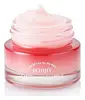
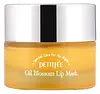
This hydrating lip mask is formulated around Caprylic/Capric Triglyceride and Petrolatum to hydrate lips and strengthen the lip barrier.
This hydrating lip mask is formulated around Petrolatum and Butyrospermum Parkii Butter to hydrate lips and strengthen the lip barrier.

What's inside
What's inside
 Key Ingredients
Benefits
Concerns
Ingredients Side-by-side
Diisostearyl Malate
EmollientDipentaerythrityl Hexa C5-9 Acid Esters
Skin ConditioningHydrogenated Polyisobutene
EmollientMicrocrystalline Wax
Emulsion StabilisingCaprylic/Capric Triglyceride
Masking


Beeswax
Emulsion Stabilising




Ceresin
Emulsion StabilisingPetrolatum
Emollient

Butyrospermum Parkii Butter
Skin Conditioning
Eclipta Prostrata Leaf Powder
Skin ConditioningEuphorbia Cerifera Wax
Curcuma Longa Root Extract
Antioxidant

Parfum
Masking
Phenoxyethanol
Preservative
Tocopheryl Acetate
Antioxidant

Sorbitan Sesquioleate
Emulsifying
Silica Dimethyl Silylate
EmollientMelia Azadirachta Leaf Extract
Skin ConditioningTitanium Dioxide
Cosmetic Colorant

Melia Azadirachta Flower Extract
Skin ConditioningMoringa Oleifera Butter
Corallina Officinalis Extract
Skin Conditioning
Melia Azadirachta Bark Extract
AntimicrobialOcimum Sanctum Leaf Extract
Skin ConditioningCamellia Japonica Seed Oil
Emollient
Simmondsia Chinensis Seed Oil
Emollient
Argania Spinosa Kernel Oil
Emollient


Limnanthes Alba Seed Oil
Skin Conditioning
Diisostearyl Malate, Dipentaerythrityl Hexa C5-9 Acid Esters, Hydrogenated Polyisobutene, Microcrystalline Wax, Caprylic/Capric Triglyceride, Beeswax, Ceresin, Petrolatum, Butyrospermum Parkii Butter, Eclipta Prostrata Leaf Powder, Euphorbia Cerifera Wax, Curcuma Longa Root Extract, Parfum, Phenoxyethanol, Tocopheryl Acetate, Sorbitan Sesquioleate, Silica Dimethyl Silylate, Melia Azadirachta Leaf Extract, Titanium Dioxide, Melia Azadirachta Flower Extract, Moringa Oleifera Butter, Corallina Officinalis Extract, Melia Azadirachta Bark Extract, Ocimum Sanctum Leaf Extract, Camellia Japonica Seed Oil, Simmondsia Chinensis Seed Oil, Argania Spinosa Kernel Oil, Limnanthes Alba Seed Oil
Diisostearyl Malate
EmollientDipentaerythrityl Hexa C5-9 Acid Esters
Skin ConditioningHydrogenated Polyisobutene
EmollientMicrocrystalline Wax
Emulsion StabilisingCeresin
Emulsion StabilisingCaprylic/Capric Triglyceride
Masking
Beeswax
Emulsion Stabilising
Curcuma Longa Root Extract
Antioxidant
Petrolatum
Emollient
Butyrospermum Parkii Butter
Skin Conditioning
Eclipta Prostrata Extract
Skin Conditioning
Euphorbia Cerifera Wax
Parfum
Masking
Phenoxyethanol
Preservative
Tocopheryl Acetate
Antioxidant
Sorbitan Sesquioleate
Emulsifying
Silica Dimethyl Silylate
EmollientMelia Azadirachta Leaf Extract
Skin ConditioningTitanium Dioxide
Cosmetic Colorant
Melia Azadirachta Flower Extract
Skin ConditioningMoringa Oleifera Seed Oil
Emollient
Corallina Officinalis Extract
Skin Conditioning
Melia Azadirachta Bark Extract
AntimicrobialOcimum Sanctum Leaf Extract
Skin ConditioningHippophae Rhamnoides Oil
Emollient
Simmondsia Chinensis Seed Oil
Emollient
Argania Spinosa Kernel Oil
Emollient
Macadamia Ternifolia Seed Oil
Emollient
Limnanthes Alba Seed Oil
Skin Conditioning
Diisostearyl Malate, Dipentaerythrityl Hexa C5-9 Acid Esters, Hydrogenated Polyisobutene, Microcrystalline Wax, Ceresin, Caprylic/Capric Triglyceride, Beeswax, Curcuma Longa Root Extract, Petrolatum, Butyrospermum Parkii Butter, Eclipta Prostrata Extract, Euphorbia Cerifera Wax, Parfum, Phenoxyethanol, Tocopheryl Acetate, Sorbitan Sesquioleate, Silica Dimethyl Silylate, Melia Azadirachta Leaf Extract, Titanium Dioxide, Melia Azadirachta Flower Extract, Moringa Oleifera Seed Oil, Corallina Officinalis Extract, Melia Azadirachta Bark Extract, Ocimum Sanctum Leaf Extract, Hippophae Rhamnoides Oil, Simmondsia Chinensis Seed Oil, Argania Spinosa Kernel Oil, Macadamia Ternifolia Seed Oil, Limnanthes Alba Seed Oil
Reviews
Ingredients Explained
These ingredients are found in both products.
Ingredients higher up in an ingredient list are typically present in a larger amount.
You may know this ingredient as argan oil. It has emollient and skin conditioning properties that help soften skin and reinforce the lipid barrier.
The fatty acid profile of argan oil is roughly 45-55% oleic acid, 28-36% linoleic acid, 10-15% palmitic acid, and 5-7% stearic acid. It also contains vitamin E, sterols, squalene, and polyphenols like ferulic acid.
Two clinical studies in postmenopausal women found that applying argan oil for 60 days significantly improved skin elasticity and moisturization (reduced transepidermal water loss and increased epidermal water content).
Since it is high in oleic and linoleic acid, this ingredient may not be fungal acne safe. Both of these fall in the C11-C24 range that Malassezia yeast can metabolize.
Learn more about Argania Spinosa Kernel OilBeeswax is natural wax produced by honey bees to build their honeycomb.
Because it forms a protective layer on your skin, it can help lock in moisture and reduce water loss. It is also widely used as a thickener and emulsifier in lip balms and lotions. Research suggests beeswax containing moisturizers can support skin barrier integrity.
In comedogenic testing, Beeswax scored a 0-2, which is on the low end. Whether or not a product clogs your pores really comes down to the formula as a whole (not any single ingredient on its own) and your skin.
Cera Alba is the white, bleached form of this ingredient.
Just so you know, beeswax is not vegan since it is animal-derived. It cannot be removed with water, but can be taken off with an oil cleanser.
People with a known Propolis allergy also report to have reactions from beeswax.
Beeswax's wax esters are derived primarily from palmitic and oleic acid (C16 and C18:1). Both of these fall within the C11-C24 feeding window.
The Malassezia yeast can potentially cleave these esters and release usable fatty acids, so this ingredient may not be fungal acne safe. However, not everyone will react to this ingredient.
Learn more about BeeswaxThis ingredient is also known as shea butter. It is a plant-derived extract from the nuts of the Africa shea tree and one of the most well-studied emollients.
Because it has a high concentration of fatty acids (primarily oleic, stearic, and linoleic) it is able to form a protective barrier on the skin's surface. This helps seal in moisture and prevents transepidermal water loss (TEWL).
In vitro research found an increase in skin hydration by 58% and a decrease in TEWL by 37.8% after 24 hours of applying this ingredient (pretty impressive for a single ingredient!).
Besides hydration, shea butter also contains triterpenes that have anti-inflammatory potential. In particule, lupeol cinnamate has shown the highest anti-inflammatory activity in vivo.
Shea butter also contains vitamins A and E which may contribute to antioxidant activity.
While Shea Butter has an SPF rating of about 3-4, it is not a sunscreen replacement.
This ingredient may not be fungal acne safe because its fatty acids fall within the C11-C24 range that the Malassezia yeast can metabolize.
This ingredient shows up on a lot of "pore-clogging" lists but there's no real evidence behind that. It doesn't even have a comedogenic rating from an actual study; the numbers you'll find online come from blogs citing other blogs.
Ratings for other ingredients mostly come from a 1980s rabbit ear test. This test doesn't translate well to human skin or to real products because the ingredient sits at a much lower percentage.
Some people still find it breaks them out. So if that's you, definitely trust your skin. Just know this one's based on experience and not evidence.
Learn more about Butyrospermum Parkii ButterCaprylic/Capric Triglyceride (aka MCT Oil) is a lightweight emollient, solvent, and texture enhancer. It is considered a skin-softener by helping to prevent moisture loss.
Though it behaves like an oil, it is not technically one due to its chemical composition. One perk of this ingredient is that it is very stable, resistant to oxidation, and unlikely to go rancid.
In practice, that translates to a long shelf life and a consistently elegant skin feel.
While there is an assumption Caprylic Triglyceride can clog pores due to it being derived from coconut oil, there is no research supporting this. Just patch test if you have concerns.
Fractionated coconut oil and MCT Oil are both listed as Caprylic/Capric Triglyceride according to INCI. This is because INCI names are based on the ingredient’s final chemical composition and not its marketing name or source.
This ingredient is treated as the gold standard fungal acne safe oil. Even though it is coconut derived, the problematic lauric acid is stripped out.
This leaves just caprylic (C8) and capric (C10) acid. These chain lengths actually trend antifungal; a 2020 study found caprylic acid was enough to disrupt Malassezia furfur cell membrane, with a caprylic acid derivative damaging membrane structures at concentrations as low as 0.2%.
Learn more about Caprylic/Capric TriglycerideCeresin is a wax derived from ozokerite. It is an alternative to beeswax.
The most common process of creating ceresin is by using heat and sulfuric acid.
Corallina Officinalis Extract comes from the small red seaweed that grows on rocky coastlines that feels stiff to the touch because it builds calcium carbonate right into its cell walls.
That mineral content is basically its whole selling point: the extract brings calcium, magnesium, and trace minerals along with sugars (polysaccharides) and proteins. This is why formulators use it as a skin-conditioning and hydrating ingredient.
Lab testing does back up decent antioxidant activity for this species. A study comparing twelve red seaweeds found Corallina Officinalis stood out for its free-radical scavenging capacity. And a separate study found meaningful radical scavenging plus antibacterial activity from the raw biomass.
It's worth being clear that most of this is test-tube work on raw-algae and not a clinical trial on a finished cream.
On concentration, a 2020 industry survey found it's used at up to 2% in makeup and skincare. Safety-wise, it's as boring as it gets: the Cosmetic Ingredient Review Expert Panel concluded this ingredient (along with the powder, Thallus Extract, and Hydrolyzed versions) to be safe as used in cosmetics and cited negative sensitization data.
There's no meaningful record of it causing allergic contact dermatitis, but be sure to patch test if you are unsure.
You'll see algae/seaweed listed as a 5/5 on a lot of pore-clogging charts and that number doesn't come from anywhere; it's not in the original rabbit-ear studies that most comedogenic ratings trace back to.
The reasoning behind the reputation is that seaweed is high in iodine and iodine can trigger acne-like breakouts when eaten. This traces back to a 1976 letter in Archives of Dermatology describing two women whose breakouts cleared after they stopped taking high-dose kelp supplements orally.
And the reaction of these two women wasn't clogged pores at all: it was an iodine-triggered pustular rash. Later research found normal dietary iodine doesn't meaningfully affect acne either and nobody has shown topical seaweed delivers enough iodine to matter.
What we do have is dozens of brown and red algae ingredients found to be non-irritating and non-sensitizing, and a handful of studies that found algae compounds may actually help acne.
However, plenty of people do report breaking out from algae-containing products. Skin is individual and it's worth avoiding if yours has reacted to algae before.
Learn more about Corallina Officinalis ExtractCurcuma Longa Root Extract comes from the rhizome (underground stem) of the turmeric plant.
While the official EU Cosing Database lists this ingredient as a fragrance, it actually does more than give products a scent.
This ingredient contains a group of yellow pigments called curcuminoids (mostly curcumin) that give it genuine antioxidant and anti-inflammatory activity in skin.
Reviews of topical clinical studies have found turmeric/curcumin to be generally well-tolerated and useful across conditions like eczema and mild inflammation.
One thing working in its favor is that curcumin barely penetrates; in lab skin-permeation testing, the curcuminoids mostly stayed in the outermost layer of skin. This is a good thing because its soothing and antioxidant activity is a surface-level job anyway.
At this time, industry data shows there's no single "correct" cosmetic percentage. It's used across a wide range depending on the product and varies from tiny fractions of a percent up to a few percent.
Allergy-wise, curcumin is a documented (but uncommon) contact allergen. It can also cross react with related plants, so anyone with a turmeric/ginger/cinnamon allergy or reactive skin should patch test first.
Learn more about Curcuma Longa Root ExtractDiisostearyl Malate is an emollient and most often used in lip products. It comes from isostearyl alcohol, a fatty acid, and malic acid, an AHA.
As an emollient, Diisostearyl Malate helps create a thin film on your skin to trap moisture in. This helps keep your skin soft and smooth.
We don't have a description for Dipentaerythrityl Hexa C5-9 Acid Esters yet.
Hydrogenated Polyisobutene is a synthetic polymer. Polymers are compounds with high molecular weight. Hydrogenated Polyisobutene is an emollient and texture enhancer.
In one study, Hydrogenated Polyisobutene showed better skin hydration levels than Caprylic/Capric Triglyceride. As an emollient, it helps keep your skin soft and hydrated by trapping moisture in.
Hydrogenated Polyisobutene is often used as a mineral oil replacement.
Learn more about Hydrogenated PolyisobuteneLimnanthes Alba Seed Oil is from the seeds of the meadowfoam plant. It is a skin conditioning agent and emollient that sits on top of skin to soften and hydrate it.
Over 98% of the oil is made up of long-chain fatty acids, mostly aachidic acid (61%), docosenoic acid (~16%), and docosadienoic acid (~18%).
This combination is not really found in any other plant oil and is the reason this is one of the most stable botanical oils available.
Some studies show it to be more stable than jojoba oil, helps a product resist going rancid, and can help extend the shelf life of a formula.
It also naturally contains vitamin E and phytosterols that give it a mild antioxidant benefit.
This ingredient is typically used from around 1% to fairly high levels since it's gentle; it's well-tolerated and low on the irritation scale.
Learn more about Limnanthes Alba Seed OilWe don't have a description for Melia Azadirachta Bark Extract yet.
Melia Azadirachta Flower Extract is from the Neem tree. Neem trees originate from India.
Melia Azadirachta Flower Extract contains antioxidants. Antioxidants help fight free-radicals. Free-radicals are molecules that may damage your skin cells, such as pollution.
The flowers of this tree are lilac colored.
Learn more about Melia Azadirachta Flower ExtractThis ingredient is also known as neem leaf extract. It contains natural compounds like nimbidin, quercetin, and other polyphenols that give it antibacterial, antifungal, and anti-inflammatory activity.
Lab studies have shown neem leaf extract can inhibit acne-related bacteria and help calm skin. Animal studies on wound gels using 1-3% neem leaf extract found it sped up healing without causing irritation.
A wound-healing study testing gels with the extract at 1%, 2%, and 3% concentrations and found none of them irritated the skin.
Most commercial products also use it in a similar low range (typically under 5%).
Allergy-wise, there are some case reports on neem oil causing allergic contact dermatitis so people with plant/botanical sensitivities may want to patch test first.
Learn more about Melia Azadirachta Leaf ExtractMicrocrystalline Wax is derived from petroleum through a de-oiling process, then highly refined and purified before use in cosmetics.
In skincare formulations, it is used to improve texture and create a smooth, even consistency. It also helps stabilize products by preventing ingredients from separating.
Ocimum Sanctum Leaf Extract comes from the Holy Basil plant. Holy Basil is native to India.
Holy Basil is rich in antioxidants due to its high romarinic acid, ferulic acid, and rutin content. This gives it skin brightening and soothing properties.
While Holy Basil has many claims to help fight acne, more research is needed.
One thing to note is the presence of tannins; tannins are naturally found in nature. However, this compound may be skin-sensitizing.
Learn more about Ocimum Sanctum Leaf ExtractParfum is a catch-all term for an ingredient or more that is used to give a scent to products.
Also called "fragrance", this ingredient can be a blend of hundreds of chemicals or plant oils. This means every product with "fragrance" or "parfum" in the ingredients list is a different mixture.
For instance, Habanolide is a proprietary trade name for a specific aroma chemical. When used as a fragrance ingredient in cosmetics, most aroma chemicals fall under the broad labeling category of “FRAGRANCE” or “PARFUM” according to EU and US regulations.
The term 'parfum' or 'fragrance' is not regulated in many countries. In many cases, it is up to the brand to define this term.
For instance, many brands choose to label themselves as "fragrance-free" because they are not using synthetic fragrances. However, their products may still contain ingredients such as essential oils that are considered a fragrance by INCI standards.
One example is Calendula flower extract. Calendula is an essential oil that still imparts a scent or 'fragrance'.
Depending on the blend, the ingredients in the mixture can cause allergies and sensitivities on the skin. Some ingredients that are known EU allergens include linalool and citronellol.
Parfum can also be used to mask or cover an unpleasant scent.
The bottom line is: not all fragrances/parfum/ingredients are created equally. If you are worried about fragrances, we recommend taking a closer look at an ingredient. And of course, we always recommend speaking with a professional.
Learn more about ParfumPetrolatum is more commonly known as petroleum jelly. It is created by mixing waxes and mineral oils.
This ingredient is effective at reducing water loss by 99%. This is because it is an occlusive. Occlusives create a hydrophobic barrier on the skin to prevent evaporation. This property makes it great for hydrating dry skin.
Pro tip: Use occlusives, such as this ingredient, on damp skin for the best results.
The quality or origin of petrolatum is only known when disclosed by the brand. Most cosmetic petrolatum has gone through several purification stages.
Another benefit of occlusives is it protects your skin against infection or allergies.
Petrolatum is fungal acne safe. It is a hydrocarbon with no fatty acid structure, so Malassezia cannot metabolize it. In-vitro studies support negligible growth stimulation as well.
It's also worth noting that petrolatum has a comedogenic rating of 0. In updated rabbit ear testing (and in human testing), petrolatum was found to be not comedogenic. This means it didn’t promote comedone formation in standard models.
Learn more about PetrolatumPhenoxyethanol is one of the most widely used preservatives in skincare (and for good reason!).
It has a large spectrum of antimicrobial activity and especially effective bacteria, yeast, and mold while only having a weak effect on your skin's natural microbiome.
On a cellular level, it disrupts the cell membranes of microbes by poking holes that make the cell leak. This shuts down the chemical reactions the microbe needs to make energy so it can no longer survive.
Another perk of this ingredient is that it stays functional across a wide pH range (3-10).
You'll often see it paired with boosters like Ethylhexylglycerin; one study showed that a 1:9 ratio of Ethylhexylglycerin to Phenoxyethanol damages bacterial membranes as effectively as doubling the Phenoxyethanol concentration on its own.
Typical use concentrations range from 0.3-1% depending on the formula, and this ingredient is capped at 1% int the EU.
Safety-wise, the fear mongering does not hold up to the evidence. The EU's Scientific Committee on Consumer Safety and FDA consider it safe as a preservative at up to 1%, including for children of all ages.
Adverse systemic effects only showed up in animal studies at exposures roughly 200x higher than what people get from cosmetics. And despite its very widespread use, this ingredient is a rare sensitizer and allergic reactions are uncommon.
Learn more about PhenoxyethanolThis silica is mainly used to thicken oils and suspend particles in oils. It is not water soluble.
According to the manufacturer, it:
The manufacturer also claims this ingredient to be useful in makeup.
In lipstick formulations, this ingredient improves color payoff, reduces pigment settling, and reduces oil bleeding. This ingredient also improves the grip of powder products such as dry shampoos.
Learn more about Silica Dimethyl SilylateJojoba oil is one of the most well-studied plant-derived ingredients in cosmetics. It is an emollient with a special structure.
Because it is made up of 97-98% wax esters, it closely mirrors the linear monoesters found in human sebum. This makes it skin compatible, non-greasy, and lightweight.
Unlike other plant oils, jojoba wax doesn't easily penetrate skin. It mostly works in the uppermost layers as an emollient. This just means it forms a light barrier on the skin to help retain moisture.
Formulations with jojoba esters up to 90% reduced transepidermal water loss (TEWL) and increased barrier recovery by 81% (outperforming bisabolol at 47%).
Besides barrier support, the science also suggests jojoba to have anti-inflammatory effects and potential applications for skin infections, aging, and wound healing.
Fun fact: Indigenous cultures have used jojoba as a moisturizer and to help treat burns for centuries.
Fungal acne: The Malassezia yeast is known to metabolize fatty acids in the C11-24 range and jojoba's dominant fatty acid components fall into this range. This ingredient may not be fungal acne safe.
Learn more about Simmondsia Chinensis Seed OilSorbitan Sesquioleate is derived from sorbitol and oleic acid. It is an emulsifier and prevents ingredients from separating.
Specifically, this ingredient is a water-in-oil emulsifier, meaning it helps water dissolve into oil.
Some studies suggest this ingredient may cause irritation in some people. If you are unsure, it is best to patch test.
This ingredient may not be Malassezia folliculitis, or fungal-acne safe due to the oleic acid. In vitro studies have shown that Oleic Acid is one of the fatty acids that induce rapid Malassezia growth in lab settings.
Learn more about Sorbitan SesquioleateTitanium Dioxide (TD) is a mineral UV filter widely used in sunscreens and cosmetics.
It's one of only two UV filters officially classified as "mineral" by regulatory agencies (the other being Zinc Oxide).
A really common myth is that mineral filters work by reflecting UV light off your skin like tiny mirrors.
They don't only do that; modern research shows TD protects mostly by absorbing UV radiation, the same way chemical filters do.
When researchers measured this, reflection accounted for only about 4-5% of the protection (and less than SPF 2 on its own). The other ~95% comes from absorption: the UV photons hit the particle and their energy gets soaked up by its semiconductor band gap rather than bouncing off.
So "reflects vs. absorbs" was never really the right way to split mineral from chemical filters.
TD gives broad-spectrum protection that's strongest in the UVB and UVA-2 range and weaker in the UVA-1 range. Its UVA protection isn't quite as strong as Zinc Oxide's which is why you'll often see the two paired together.
Together, they make a solid broad-spectrum system.
TD is a great pick for sensitive, acne-prone, or redness-prone skin because it's non-irritating and chemically inert. Regulatory reviews classify it as a non-sensitizer and mild-to-non-irritant.
It's also unlikely to cause the "eye sting" some chemical filters are known for.
The main trade-off is cosmetic; TD can leave a white cast and has a thicker texture. This is why mineral sunscreens are often less cosmetically elegant than chemical or hybrid formulas (and harder to shade-match on deeper skin tones).
Formulators often use micronized or nano-sized TD to cut down on white case and improve spreadability. Smaller particles scatter less visible light so the formula looks less chalky while still filtering UV.
TD is almost always bundled with coatings like Alumina, Silica, Stearic Acid, or Dimethicone. These coatings do two important jobs:
TD can be used at up to 25% in a finished sunscreen; this is the regulatory ceiling in both the US and the EU.
In practice, the amount in any given product varies a lot depending on the target SPF and whether it's paired with other UV filters.
TD is one of the most heavily vetted sunscreen ingredients out there. It is approved as a UV filter in all major markets worldwide, including the US, EU, UK, Japan, Korea, China, Australia, and Canada.
The safety evidence is solid. There was an old worry that nano particles might absorb through skin into the body but multiple studies (including on damaged, sunburned, and UV-irradiated skin) have shown that TD stays on the surface and the layer of dead skin cells on top of everything else.
There's also no evidence of carcinogenicity, mutagenicity, or reproductive toxicity from dermal exposure of this ingredient.
For those who have seen the headline about a 2022 EU ban on TD, that was on TD as a food additive (a complete separate use from topical sunscreen).
There are ongoing questions about how nano-TD might affect marine ecosystems. As of now, there has been no conclusive evidence that any form of TD (or any other sunscreen filter) harms coral reefs or marine life.
The science is still developing and it's a space worth watching rather than packing over.
However, several destinations have reef-safety sunscreen rules that restrict certain chemical filters and steer visitors toward mineral, non-nano options. If you're traveling somewhere with these rules, a non-nano mineral sunscreen is the safe bet.
Learn more about Titanium DioxideTocopheryl Acetate is a stable, shelf-friendly form of vitamin E.
Formulators love it because plain vitamin E oxidizes quickly once it hits air. This acetate version stays stable and resists going off, helping to extend a product's shelf life.
It's actually inactive on its own and works like a slow-release "storage" form; the enzymes in your skin called esterases gradually convert it into active vitamin E over time.
One in vivo study showed 5% of the acetate in the living layer of the epidermis converted to vitamin E after 5 days of application. This study also found the skin gained protection against UV damage even though the conversion was slow and small.
Once converted, vitamin E acts as a skin's main fat-soluble antioxidant that fights free radicals to protect skin from damage.
Topical vitamin E generally boosts the skin's photoprotection, and it reduced UV-damage in animal models.
This ingredient has some brightening potential but it's more of a prevention ingredient than spot-fader. Cell studies show it can slow down melanin production but it's worth noting that it's not the most powerful brightener out there.
Overall, it has a pretty solid safety profile and has been found to be non-irritating and non-comedogenic. Allergic reactions may happen but stay rare due to how widely the ingredient gets used.
The concentration will vary depending on the formula; industry data shows 0.1% in baby lotions, 3% in lipsticks, and 5% in foot powders. You can also find this ingredient at 100% in a pure vitamin E oil.
Most leave-on skincare keeps it at the lower end, often between 0.5-1%.
Learn more about Tocopheryl AcetateEuphorbia Cerifera Wax (aka candelilla wax) is a vegan stand-in for beeswax. It is a plant-derived wax that functions as an astringent, emulsion stabilizer, film-former, and skin conditioner.
On skin, it forms a protective barrier that helps lock in moisture while it enhances product stability, prevents separation, and helps color last longer in makeup.
This ingredient is generally safe for use in cosmetics with one nuance: some grades of candelilla wax can naturally contain benzyl alcohol at concentrations high enough to require declaration under EU labeling rules. This isn't a concern for most people but relevant for those with fragrance sensitivities.
Candelilla wax contains fatty acids (mainly C31) and wax esters that can be used by the Malassezia yeast, so this ingredient may not be fungal acne safe.
You might see Euphorbia Cerifera "Cera" instead of "wax". This is because some brands, databases, or labels use it interchangeably; they're the same ingredient.
Learn more about Euphorbia Cerifera Wax

