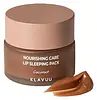
This hydrating lip mask is formulated around Ricinus Communis Seed Oil and Camellia Japonica Seed Oil to hydrate lips.
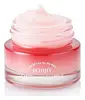
This hydrating lip mask is formulated around Caprylic/Capric Triglyceride and Petrolatum to hydrate lips and strengthen the lip barrier.

What's inside
What's inside
 Key Ingredients
Benefits
Concerns
Ingredients Side-by-side
Polybutene
Dipentaerythrityl Hexahydroxystearate/Hexastearate/Hexarosinate
Skin ConditioningDiisostearyl Malate
EmollientRicinus Communis Seed Oil
Masking




Octyldodecanol
Emollient
Methyl Hydrogenated Rosinate
Perfuming
Ceresin
Emulsion StabilisingSynthetic Wax
Abrasive

Pyrus Malus Seed Oil
Emollient
Camellia Japonica Seed Oil
Emollient
Copernicia Cerifera Wax
Calophyllum Inophyllum Seed Oil
Antimicrobial


Cocos Nucifera Oil
Masking


Persea Gratissima Oil
Skin Conditioning
Ananas Sativus Fruit Extract
Skin ConditioningCarica Papaya Fruit Extract
Skin ConditioningGarcinia Mangostana Peel Extract
Skin ConditioningMangifera Indica Fruit Extract
Skin ConditioningMorinda Citrifolia Extract
AstringentMusa Sapientum Fruit Extract
Skin ConditioningNephelium Lappaceum Branch/Fruit/Leaf Extract
Skin ConditioningPsidium Guajava Fruit Extract
AstringentHydrogenated Castor Oil
Emollient
Ethylene/Propylene Copolymer
Abrasive
Beeswax
Emulsion Stabilising
Disteardimonium Hectorite
StabilisingTocopherol
Antioxidant




Propylene Carbonate
SolventPolyglyceryl-2 Triisostearate
Emulsifying
Caprylic/Capric Triglyceride
Masking
Dehydroacetic Acid
Preservative
Parfum
Masking
CI 77492
Cosmetic ColorantCI 77491
Cosmetic ColorantCI 77499
Cosmetic ColorantPolybutene, Dipentaerythrityl Hexahydroxystearate/Hexastearate/Hexarosinate, Diisostearyl Malate, Ricinus Communis Seed Oil, Octyldodecanol, Methyl Hydrogenated Rosinate, Ceresin, Synthetic Wax, Pyrus Malus Seed Oil, Camellia Japonica Seed Oil, Copernicia Cerifera Wax, Calophyllum Inophyllum Seed Oil, Cocos Nucifera Oil, Persea Gratissima Oil, Ananas Sativus Fruit Extract, Carica Papaya Fruit Extract, Garcinia Mangostana Peel Extract, Mangifera Indica Fruit Extract, Morinda Citrifolia Extract, Musa Sapientum Fruit Extract, Nephelium Lappaceum Branch/Fruit/Leaf Extract, Psidium Guajava Fruit Extract, Hydrogenated Castor Oil, Ethylene/Propylene Copolymer, Beeswax, Disteardimonium Hectorite, Tocopherol, Propylene Carbonate, Polyglyceryl-2 Triisostearate, Caprylic/Capric Triglyceride, Dehydroacetic Acid, Parfum, CI 77492, CI 77491, CI 77499
Diisostearyl Malate
EmollientDipentaerythrityl Hexa C5-9 Acid Esters
Skin ConditioningHydrogenated Polyisobutene
EmollientMicrocrystalline Wax
Emulsion StabilisingCaprylic/Capric Triglyceride
Masking
Beeswax
Emulsion Stabilising
Ceresin
Emulsion StabilisingPetrolatum
Emollient
Butyrospermum Parkii Butter
Skin Conditioning
Eclipta Prostrata Leaf Powder
Skin ConditioningEuphorbia Cerifera Wax
Curcuma Longa Root Extract
Antioxidant
Parfum
Masking
Phenoxyethanol
Preservative
Tocopheryl Acetate
Antioxidant
Sorbitan Sesquioleate
Emulsifying
Silica Dimethyl Silylate
EmollientMelia Azadirachta Leaf Extract
Skin ConditioningTitanium Dioxide
Cosmetic Colorant

Melia Azadirachta Flower Extract
Skin ConditioningMoringa Oleifera Butter
Corallina Officinalis Extract
Skin Conditioning
Melia Azadirachta Bark Extract
AntimicrobialOcimum Sanctum Leaf Extract
Skin ConditioningCamellia Japonica Seed Oil
Emollient
Simmondsia Chinensis Seed Oil
Emollient
Argania Spinosa Kernel Oil
Emollient
Limnanthes Alba Seed Oil
Skin Conditioning
Diisostearyl Malate, Dipentaerythrityl Hexa C5-9 Acid Esters, Hydrogenated Polyisobutene, Microcrystalline Wax, Caprylic/Capric Triglyceride, Beeswax, Ceresin, Petrolatum, Butyrospermum Parkii Butter, Eclipta Prostrata Leaf Powder, Euphorbia Cerifera Wax, Curcuma Longa Root Extract, Parfum, Phenoxyethanol, Tocopheryl Acetate, Sorbitan Sesquioleate, Silica Dimethyl Silylate, Melia Azadirachta Leaf Extract, Titanium Dioxide, Melia Azadirachta Flower Extract, Moringa Oleifera Butter, Corallina Officinalis Extract, Melia Azadirachta Bark Extract, Ocimum Sanctum Leaf Extract, Camellia Japonica Seed Oil, Simmondsia Chinensis Seed Oil, Argania Spinosa Kernel Oil, Limnanthes Alba Seed Oil
Reviews
Ingredients Explained
These ingredients are found in both products.
Ingredients higher up in an ingredient list are typically present in a larger amount.
Beeswax is natural wax produced by honey bees to build their honeycomb.
Because it forms a protective layer on your skin, it can help lock in moisture and reduce water loss. It is also widely used as a thickener and emulsifier in lip balms and lotions. Research suggests beeswax containing moisturizers can support skin barrier integrity.
In comedogenic testing, Beeswax scored a 0-2, which is on the low end. Whether or not a product clogs your pores really comes down to the formula as a whole (not any single ingredient on its own) and your skin.
Cera Alba is the white, bleached form of this ingredient.
Just so you know, beeswax is not vegan since it is animal-derived. It cannot be removed with water, but can be taken off with an oil cleanser.
People with a known Propolis allergy also report to have reactions from beeswax.
Beeswax's wax esters are derived primarily from palmitic and oleic acid (C16 and C18:1). Both of these fall within the C11-C24 feeding window.
The Malassezia yeast can potentially cleave these esters and release usable fatty acids, so this ingredient may not be fungal acne safe. However, not everyone will react to this ingredient.
Learn more about BeeswaxThis ingredient is also known as Tsubaki oil, or the fixed oil from the seeds of the Japanese camellia.
It's basically a fatty acid delivery system (~75-85% oleic acid) plus some minor extras like squalene, tocopherols, and phytosterols.
That profile makes it a classic emollient; it works by hanging out with the skin's surface lipids, softens, and slows down water loss.
The most cited study on it was done on skin cells in a dish where this oil got them to make more of the building blocks for collagen while also slowing down the enzyme that breaks collagen down. Researchers tested this on human skin too; it didn't cause irritation and helped skin hold onto moisture better.
Another study done on cells and mice found this oil quieted down some of the body's inflammation signals.
These studies are still small, early, and not done on humans, so it's best to think of this ingredient as a great supporting ingredient for the rest of your routine and not the main active.
Concentrations can range from 1-5% in serums to 100% as a single face oil (how it's most traditionally used).
Because this ingredient is a triglyceride of long-chain fatty acids, this ingredient may not be Malassezia safe.
Allergies to this protein are quite rare as the refined seed oil contains very little residual protein. Human irritation testing also came back clean. But it is a plant and as with any botanical ingredient, contact allergy is possible.
Learn more about Camellia Japonica Seed OilCaprylic/Capric Triglyceride (aka MCT Oil) is a lightweight emollient, solvent, and texture enhancer. It is considered a skin-softener by helping to prevent moisture loss.
Though it behaves like an oil, it is not technically one due to its chemical composition. One perk of this ingredient is that it is very stable, resistant to oxidation, and unlikely to go rancid.
In practice, that translates to a long shelf life and a consistently elegant skin feel.
While there is an assumption Caprylic Triglyceride can clog pores due to it being derived from coconut oil, there is no research supporting this. Just patch test if you have concerns.
Fractionated coconut oil and MCT Oil are both listed as Caprylic/Capric Triglyceride according to INCI. This is because INCI names are based on the ingredient’s final chemical composition and not its marketing name or source.
This ingredient is treated as the gold standard fungal acne safe oil. Even though it is coconut derived, the problematic lauric acid is stripped out.
This leaves just caprylic (C8) and capric (C10) acid. These chain lengths actually trend antifungal; a 2020 study found caprylic acid was enough to disrupt Malassezia furfur cell membrane, with a caprylic acid derivative damaging membrane structures at concentrations as low as 0.2%.
Learn more about Caprylic/Capric TriglycerideCeresin is a wax derived from ozokerite. It is an alternative to beeswax.
The most common process of creating ceresin is by using heat and sulfuric acid.
Diisostearyl Malate is an emollient and most often used in lip products. It comes from isostearyl alcohol, a fatty acid, and malic acid, an AHA.
As an emollient, Diisostearyl Malate helps create a thin film on your skin to trap moisture in. This helps keep your skin soft and smooth.
Parfum is a catch-all term for an ingredient or more that is used to give a scent to products.
Also called "fragrance", this ingredient can be a blend of hundreds of chemicals or plant oils. This means every product with "fragrance" or "parfum" in the ingredients list is a different mixture.
For instance, Habanolide is a proprietary trade name for a specific aroma chemical. When used as a fragrance ingredient in cosmetics, most aroma chemicals fall under the broad labeling category of “FRAGRANCE” or “PARFUM” according to EU and US regulations.
The term 'parfum' or 'fragrance' is not regulated in many countries. In many cases, it is up to the brand to define this term.
For instance, many brands choose to label themselves as "fragrance-free" because they are not using synthetic fragrances. However, their products may still contain ingredients such as essential oils that are considered a fragrance by INCI standards.
One example is Calendula flower extract. Calendula is an essential oil that still imparts a scent or 'fragrance'.
Depending on the blend, the ingredients in the mixture can cause allergies and sensitivities on the skin. Some ingredients that are known EU allergens include linalool and citronellol.
Parfum can also be used to mask or cover an unpleasant scent.
The bottom line is: not all fragrances/parfum/ingredients are created equally. If you are worried about fragrances, we recommend taking a closer look at an ingredient. And of course, we always recommend speaking with a professional.
Learn more about Parfum

