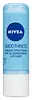
This barrier-repair lip moisturizer is formulated around Ricinus Communis Seed Oil and Butyrospermum Parkii Butter to strengthen the lip barrier and hydrate lips.
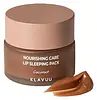
This hydrating lip mask is formulated around Ricinus Communis Seed Oil and Camellia Japonica Seed Oil to hydrate lips.


What's inside
What's inside
 Key Ingredients
Benefits
Concerns
Ingredients Side-by-side
Butyl Methoxydibenzoylmethane 2.5%
UV Absorber
Octocrylene 7%
UV Absorber


Octyldodecanol
Emollient
Hydrogenated Rapeseed Oil
Emollient


Beeswax
Emulsion Stabilising

Cetyl Palmitate
Emollient
Ricinus Communis Seed Oil
Masking

Polyglyceryl-3 Diisostearate
Emulsifying
Butyrospermum Parkii Butter
Skin Conditioning
Glycerin
Humectant
Water
Skin ConditioningSimmondsia Chinensis Seed Oil
Emollient
Persea Gratissima Oil
Skin Conditioning
Aloe Barbadensis Leaf Juice
Skin Conditioning

Aroma

BHT
Antioxidant
Butyl Methoxydibenzoylmethane 2.5%, Octocrylene 7%, Octyldodecanol, Hydrogenated Rapeseed Oil, Beeswax, Cetyl Palmitate, Ricinus Communis Seed Oil, Polyglyceryl-3 Diisostearate, Butyrospermum Parkii Butter, Glycerin, Water, Simmondsia Chinensis Seed Oil, Persea Gratissima Oil, Aloe Barbadensis Leaf Juice, Aroma, BHT
Polybutene
Dipentaerythrityl Hexahydroxystearate/Hexastearate/Hexarosinate
Skin ConditioningDiisostearyl Malate
EmollientRicinus Communis Seed Oil
Masking
Octyldodecanol
Emollient
Methyl Hydrogenated Rosinate
Perfuming
Ceresin
Emulsion StabilisingSynthetic Wax
Abrasive
Pyrus Malus Seed Oil
Emollient
Camellia Japonica Seed Oil
Emollient
Copernicia Cerifera Wax
Calophyllum Inophyllum Seed Oil
Antimicrobial
Cocos Nucifera Oil
Masking
Persea Gratissima Oil
Skin Conditioning
Ananas Sativus Fruit Extract
Skin ConditioningCarica Papaya Fruit Extract
Skin ConditioningGarcinia Mangostana Peel Extract
Skin ConditioningMangifera Indica Fruit Extract
Skin ConditioningMorinda Citrifolia Extract
AstringentMusa Sapientum Fruit Extract
Skin ConditioningNephelium Lappaceum Branch/Fruit/Leaf Extract
Skin ConditioningPsidium Guajava Fruit Extract
AstringentHydrogenated Castor Oil
Emollient
Ethylene/Propylene Copolymer
Abrasive
Beeswax
Emulsion Stabilising
Disteardimonium Hectorite
StabilisingTocopherol
Antioxidant



Propylene Carbonate
SolventPolyglyceryl-2 Triisostearate
Emulsifying
Caprylic/Capric Triglyceride
Masking
Dehydroacetic Acid
Preservative
Parfum
Masking
CI 77492
Cosmetic ColorantCI 77491
Cosmetic ColorantCI 77499
Cosmetic ColorantPolybutene, Dipentaerythrityl Hexahydroxystearate/Hexastearate/Hexarosinate, Diisostearyl Malate, Ricinus Communis Seed Oil, Octyldodecanol, Methyl Hydrogenated Rosinate, Ceresin, Synthetic Wax, Pyrus Malus Seed Oil, Camellia Japonica Seed Oil, Copernicia Cerifera Wax, Calophyllum Inophyllum Seed Oil, Cocos Nucifera Oil, Persea Gratissima Oil, Ananas Sativus Fruit Extract, Carica Papaya Fruit Extract, Garcinia Mangostana Peel Extract, Mangifera Indica Fruit Extract, Morinda Citrifolia Extract, Musa Sapientum Fruit Extract, Nephelium Lappaceum Branch/Fruit/Leaf Extract, Psidium Guajava Fruit Extract, Hydrogenated Castor Oil, Ethylene/Propylene Copolymer, Beeswax, Disteardimonium Hectorite, Tocopherol, Propylene Carbonate, Polyglyceryl-2 Triisostearate, Caprylic/Capric Triglyceride, Dehydroacetic Acid, Parfum, CI 77492, CI 77491, CI 77499
Reviews
Ingredients Explained
These ingredients are found in both products.
Ingredients higher up in an ingredient list are typically present in a larger amount.
Beeswax is natural wax produced by honey bees to build their honeycomb.
Because it forms a protective layer on your skin, it can help lock in moisture and reduce water loss. It is also widely used as a thickener and emulsifier in lip balms and lotions. Research suggests beeswax containing moisturizers can support skin barrier integrity.
In comedogenic testing, Beeswax scored a 0-2, which is on the low end. Whether or not a product clogs your pores really comes down to the formula as a whole (not any single ingredient on its own) and your skin.
Cera Alba is the white, bleached form of this ingredient.
Just so you know, beeswax is not vegan since it is animal-derived. It cannot be removed with water, but can be taken off with an oil cleanser.
People with a known Propolis allergy also report to have reactions from beeswax.
Beeswax's wax esters are derived primarily from palmitic and oleic acid (C16 and C18:1). Both of these fall within the C11-C24 feeding window.
The Malassezia yeast can potentially cleave these esters and release usable fatty acids, so this ingredient may not be fungal acne safe. However, not everyone will react to this ingredient.
Learn more about BeeswaxOctyldodecanol is a fatty alcohol sourced from plant oils like coconut or palm (or made synthetically).
It is:
You'll likely see this in many BHA products because this is the go-to solvent for salicylic acid.
This ingredient is typically used at levels between 2-20%.
Regarding fungal acne:
In 2019, this ingredient was tested against multiple Malassezia species (the yeast that causes fungal acne) and showed no growth.
This ingredient is also known as Avocado oil. It's the cold-pressed oil from the flesh of the avocado fruit packed with fatty acids (mostly oleic acid).
The rich fatty acid profile allows it to function as a skin conditioning agent and emollient; it helps soften and smooth skin while reducing water loss.
Preclinical research has found that topical avocado oil increased collagen synthesis and reduced inflammation during wound healing, giving it some skin-repairing credibility.
The unsaponifiable fraction of the oil is also interesting: studies on avocado unsaponifiables showed that it helped skin produce more collagen and other structural compounds that support healing.
The CIR Expert Panel has found this ingredient to be non-irritating in formulations.
It's a great ingredient for dry or compromised skin. Just know it may not be fungal acne safe. This is because the oleic acid content falls within the range that Malassezia can use as a food source.
Learn more about Persea Gratissima OilThis ingredient is also known as castor oil. It is a skin conditioning ingredient.
The star component of castor oil is ricinoleic acid, an unusual fatty acid that makes up ~80-92% of its composition.
In skincare, it is an emollient that dries down to a solid film with water-binding properties. This helps keep skin hydrated and helps reduce transepidermal water loss (TEWL).
A 2026 dermatology review pulls together its broader uses:
Human clinical testing found this ingredient to be non-irritating and non-sensitizing.
Because castor oil contains fatty acids in the C11-24 range, this ingredient may not be fungal acne safe.
At this time, the literature does not support castor oil in regrowing hair. A 2022 systematic review found no strong evidence that it supports hair growth and only weak evidence that it improves hair shine.
Castor oil itself carries "perfuming" and "masking" function tags according to the official CosIng database. This is because of its mild odor and odor-dampening properties.
Learn more about Ricinus Communis Seed Oil

