
What's inside
What's inside
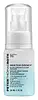 Key Ingredients
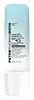
Benefits
Concerns
Ingredients Side-by-side
Water
Skin ConditioningSaccharide Isomerate
Humectant


Sodium Hyaluronate
Humectant

Sodium PCA
Humectant
Hydrolyzed Silk
Humectant
Algae Extract
EmollientMel Extract
MoisturisingSaccharomyces/Iron Ferment
Skin Conditioning
Saccharomyces/Copper Ferment
Skin Conditioning
Saccharomyces/Silicon Ferment
Skin Conditioning
Saccharomyces/Zinc Ferment
Skin Conditioning
Saccharomyces/Magnesium Ferment
Eriodictyon Crassifolium Leaf Extract
Skin ConditioningOlea Europaea Leaf Extract
Perfuming
Opuntia Tuna Flower/Stem Extract
Skin ConditioningUrea
Buffering

Trehalose
Humectant
Sorbitol
Humectant
Glycerin
Humectant
Citric Acid
Buffering


Sodium Citrate
BufferingPropylene Glycol
Humectant
Hexylene Glycol
EmulsifyingButylene Glycol
Humectant
Polyquaternium-51
Skin Conditioning
Triacetin
AntimicrobialPentylene Glycol
Skin Conditioning
Caprylyl Glycol
Emollient
Sodium Benzoate
Masking
Potassium Sorbate
Preservative
Disodium EDTA
Potassium Benzoate
Preservative
Phenoxyethanol
Preservative
Water, Saccharide Isomerate, Sodium Hyaluronate, Sodium PCA, Hydrolyzed Silk, Algae Extract, Mel Extract, Saccharomyces/Iron Ferment, Saccharomyces/Copper Ferment, Saccharomyces/Silicon Ferment, Saccharomyces/Zinc Ferment, Saccharomyces/Magnesium Ferment, Eriodictyon Crassifolium Leaf Extract, Olea Europaea Leaf Extract, Opuntia Tuna Flower/Stem Extract, Urea, Trehalose, Sorbitol, Glycerin, Citric Acid, Sodium Citrate, Propylene Glycol, Hexylene Glycol, Butylene Glycol, Polyquaternium-51, Triacetin, Pentylene Glycol, Caprylyl Glycol, Sodium Benzoate, Potassium Sorbate, Disodium EDTA, Potassium Benzoate, Phenoxyethanol
Butyl Methoxydibenzoylmethane 3%
UV Absorber
Homosalate 5%
Skin Conditioning
Ethylhexyl Salicylate 5%
UV Absorber
Octocrylene 10%
UV Absorber
Water
Skin ConditioningPolymethylsilsesquioxane

Glycerin
Humectant
Dipropylene Glycol
HumectantDimethicone
Emollient
Argania Spinosa Kernel Oil
Emollient


Tocopheryl Acetate
Antioxidant

Yeast Extract
Skin ConditioningCyclopentasiloxane
Emollient
Cyclohexasiloxane
Emollient
Phenoxyethanol
Preservative
Lauryl PEG-9 Polydimethylsiloxyethyl Dimethicone
Skin Conditioning
Isododecane
EmollientDimethicone/PEG-10/15 Crosspolymer
Saccharide Isomerate
Humectant
Methyl Gluceth-20
Humectant
Sodium Chloride
MaskingSodium Hyaluronate
Humectant
Bisabolol
Antioxidant
PEG-15/Lauryl Dimethicone Crosspolymer
Stabilising
Sodium PCA
Humectant
Propylene Glycol
Humectant
Ceteareth-25
CleansingSodium Benzoate
Masking
Potassium Sorbate
Preservative
Sodium Citrate
BufferingCitric Acid
Buffering
Sambucus Nigra Fruit Extract
AstringentCetyl Alcohol
Emollient
Saccharomyces/Magnesium Ferment
Hydrolyzed Silk
Humectant
Behenic Acid
Cleansing
Ceramide NP
Skin Conditioning
Cholesterol
Emollient
Ethylhexylglycerin
Skin ConditioningTocopherol
Antioxidant
Ceramide Ns
Skin Conditioning
Saccharomyces/Iron Ferment
Skin Conditioning
Saccharomyces/Copper Ferment
Skin Conditioning
Saccharomyces/Silicon Ferment
Skin Conditioning
Saccharomyces/Zinc Ferment
Skin Conditioning
Butylene Glycol
Humectant
Ceramide AP
Skin Conditioning
Ceramide EOP
Skin Conditioning
Ceramide Eos
Skin Conditioning
Olea Europaea Leaf Extract
Perfuming
Caprooyl Phytosphingosine
Skin Conditioning
Caprooyl Sphingosine
Skin ConditioningDisodium EDTA
Ascorbyl Palmitate
Antioxidant
Mica
Cosmetic ColorantButyl Methoxydibenzoylmethane 3%, Homosalate 5%, Ethylhexyl Salicylate 5%, Octocrylene 10%, Water, Polymethylsilsesquioxane, Glycerin, Dipropylene Glycol, Dimethicone, Argania Spinosa Kernel Oil, Tocopheryl Acetate, Yeast Extract, Cyclopentasiloxane, Cyclohexasiloxane, Phenoxyethanol, Lauryl PEG-9 Polydimethylsiloxyethyl Dimethicone, Isododecane, Dimethicone/PEG-10/15 Crosspolymer, Saccharide Isomerate, Methyl Gluceth-20, Sodium Chloride, Sodium Hyaluronate, Bisabolol, PEG-15/Lauryl Dimethicone Crosspolymer, Sodium PCA, Propylene Glycol, Ceteareth-25, Sodium Benzoate, Potassium Sorbate, Sodium Citrate, Citric Acid, Sambucus Nigra Fruit Extract, Cetyl Alcohol, Saccharomyces/Magnesium Ferment, Hydrolyzed Silk, Behenic Acid, Ceramide NP, Cholesterol, Ethylhexylglycerin, Tocopherol, Ceramide Ns, Saccharomyces/Iron Ferment, Saccharomyces/Copper Ferment, Saccharomyces/Silicon Ferment, Saccharomyces/Zinc Ferment, Butylene Glycol, Ceramide AP, Ceramide EOP, Ceramide Eos, Olea Europaea Leaf Extract, Caprooyl Phytosphingosine, Caprooyl Sphingosine, Disodium EDTA, Ascorbyl Palmitate, Mica
Reviews
Ingredients Explained
These ingredients are found in both products.
Ingredients higher up in an ingredient list are typically present in a larger amount.
Butylene Glycol (or BG) is used within cosmetic products for a few different reasons:
Overall, Butylene Glycol is a safe and well-rounded ingredient that works well with other ingredients.
Though this ingredient works well with most skin types, some people with sensitive skin may experience a reaction such as allergic rashes, closed comedones, or itchiness.
Learn more about Butylene GlycolCitric Acid is an alpha hydroxy acid (AHA) naturally found in citrus fruits like oranges, lemons, and limes.
Like other AHAs, citric acid can exfoliate skin by breaking down the bonds that hold dead skin cells together. This helps reveal smoother and brighter skin underneath.
However, this exfoliating effect only happens at high concentrations (20%) which can be hard to find in cosmetic products.
Due to this, citric acid is usually included in small amounts as a pH adjuster. This helps keep products slightly more acidic and compatible with skin's natural pH.
In skincare formulas, citric acid can:
While it can provide some skin benefits, research shows lactic acid and glycolic acid are generally more effective and less irritating exfoliants.
Most citric acid used in skincare today is made by fermenting sugars (usually from molasses). This synthetic version is identical to the natural citrus form but easier to stabilize and use in formulations.
Read more about some other popular AHA's here:
Learn more about Citric AcidDisodium EDTA is a chelating agent. It grabs onto and deactivates metal ions that sneak into your products from water, packaging, or air.
This ingredient mainly works behind the scenes and helps with:
On top of that, this ingredient can counteract the effects of hard water by binding to the minerals in it.
One thing worth knowing is that Disodium EDTA has been shown to be a mild penetration enhancer. It can help other ingredients absorb into skin more effectively which can be a double-edged sword (great for actives, but can also make the active too strong if you have sensitive skin).
Clinical patch testing showed no significant skin irritation at typical use concentrations and minimal dermal absorption.
You'll most likely see this ingredient near the end of an ingredient list. It's typically found in concentrations less than 1%.
Learn more about Disodium EDTAGlycerin (or glycerol) is a compound naturally found in your skin. It's a powerhouse humectant that pulls water into the stratum corneum.
Topically, glycerin does several things at once:
Your skin makes glycerin on its own (mostly from sebaceous oil breakdown) and shuttles it to your outermost layer of skin, or your epidermis, via aquaporin-3.
Aquaporin-3 is a transporter that is essential for normal skin hydration, elasticity, and repair. Interestingly, mice lacking in AQP3 have dry and less elastic skin that can be fully corrected with glycerin.
This ingredient is non-irritating, plays well with almost every ingredient, and works across all skin types. Typical use is anywhere between 3-10% but can go up to 79% in some leave-on products.
Just know very high concentrations (>40%) can feel tacky in low humidity.
Glycerin is the name for this ingredient in American English. British English uses Glycerol/Glycerine.
Learn more about GlycerinYou can find hydrolyzed silk in both haircare and skincare products. According to a manufacturer, it can help improve skin and hair hydration.
This ingredient is created by adding acid or enzymes to 'hydrolyze' silk protein.
Due to the origins of this ingredient, it is not vegan. Silk is an animal product from silkworms.
Depending on the source, this ingredient can be considered cruelty-free. It is created from left-over cocoons of silkworms. We recommend reaching out to the brand if you have questions about where their hydrolyzed silk comes from.
Learn more about Hydrolyzed SilkOlive tree leaves contain more antioxidants than olive fruit.
This is due to its rich flavonoid and polyphenol content. However, the antioxidant content varies depending on plant variety, harvesting method, leaf maturity, and extraction method.
This ingredient also has a natural fragrance. Read more about fragrance in cosmetics here.
Learn more about Olea Europaea Leaf ExtractPhenoxyethanol is a preservative that has germicide, antimicrobial, and aromatic properties. Studies show that phenoxyethanol can prevent microbial growth. By itself, it has a scent that is similar to that of a rose.
It's often used in formulations along with Caprylyl Glycol to preserve the shelf life of products.
Potassium Sorbate is a preservative used to prevent yeast and mold in products. It is commonly found in both cosmetic and food products.
This ingredient comes from potassium salt derived from sorbic acid. Sorbic acid is a natural antibiotic and effective against fungus.
Both potassium sorbate and sorbic acid can be found in baked goods, cheeses, dried meats, dried fruit, ice cream, pickles, wine, yogurt, and more.
You'll often find this ingredient used with other preservatives.
Learn more about Potassium SorbatePropylene Glycol is a synthetic, colorless, odorless liquid that has been a staple in cosmetics for decades. It is a skin conditioning agent, humectant, and solvent.
As a humectant, it draw water to the skin to reduce flaking and restore suppleness. It's also a solvent that helps dissolve other actives and keeps formulas stable across temperature changes.
The CIR Expert Panel has confirmed this ingredient to be nontoxic and clinical studies show no sensitization at cosmetic use concentrations.
True allergic reactions are quite rare: a 15-year retrospective study of 6,751 patients found only 0.31% had a positive reaction (and less than half were considered clinically relevant).
It seemed that when sensitization does occur, it's most commonly linked to topical medication (like corticosteroids) and not cosmetics. Allergic contact dermatitis also appears largely limited to individuals with underlying skin conditions.
Overall, propylene glycol is a well-studied ingredient that most people can tolerate without issue.
Learn more about Propylene GlycolSaccharide Isomerate comes from sugars found in corn. It is a skin hydrator.
The structure of this ingredient can be altered to be more similar to the carbohydrates found in our skin. This ability to mimic our skin gives it hydrating properties.
Specifically, saccharide Isomerate is a humectant. Humectants draw moisture from the air to our skin.
Research shows Saccharide Isomerate to be an effective moisturizer.
Learn more about Saccharide IsomerateThis ingredient comes from fermenting yeast (Saccharomyces) with copper ions.
Saccharomyces/Iron Ferment isn't fungal acne safe.
Saccharomyces/Magnesium Ferment isn't fungal acne safe.
Saccharomyces/Silicon Ferment isn't fungal acne safe.
Saccharomyces/Zinc Ferment isn't fungal acne safe.
Sodium Benzoate is a preservative. It's used in both cosmetic and food products to inhibit the growth of mold and bacteria. It is typically produced synthetically.
Both the US FDA and EU Health Committee have approved the use of sodium benzoate. In the US, levels of 0.1% (of the total product) are allowed.
Sodium benzoate works as a preservative by inhibiting the growth of bacteria inside of cells. It prevents the cell from fermenting a type of sugar using an enzyme called phosphofructokinase.
It is the salt of benzoic acid. Foods containing sodium benzoate include soda, salad dressings, condiments, fruit juices, wines, and snack foods.
Studies for using ascorbic acid and sodium benzoate in cosmetics are lacking, especially in skincare routines with multiple steps.
We always recommend speaking with a professional, such as a dermatologist, if you have any concerns.
Learn more about Sodium BenzoateSodium Citrate is the sodium salts of citric acid. In skincare, it is used to alter pH levels and acts as a preservative.
Its main functions are to maintain the pH of a product and neutralize metal ions.
The acidity of our skin is maintained by our glands and skin biome; normal pH level of skin is slightly acidic (~4.75-5.5).
Being slightly acidic allows our skin to create an "acid mantle". This acid mantle is a thin barrier that protects our skin from bacteria and contaminants.
Learn more about Sodium CitrateSodium Hyaluronate is the salt form of hyaluronic acid. It is a long sugar chain that is naturally found in your skin, joints, and connective tissue that maintains hydration and elasticity.
In skincare, it works as a humectant. It pulls water from the environment and deeper layers of skin and binds it to the surface.
Interestingly, the size of the molecule affects its behavior:
Some clinical evidence links low molecular weight versions to improved wrinkle depth, elasticity, anti-inflammatory effects, and barrier repair.
Many serums use a blend of both weights so you can get surface hydration plus longer-lasting and deeper effects.
You'll typically see concentrations between 0.1-2% for this ingredient.
Learn more about Sodium HyaluronateSodium PCA is the sodium salt of pyroglutamic acid. It is naturally occurring in our skin's natural moisturizing factors where it works to maintain hydration.
The PCA stands for pyrrolidone carboxylic acid, a natural amino acid derivative.
This ingredient has skin conditioning, anti-inflammatory, and humectant properties. Humectants help hydrate your skin by drawing moisture from the air. This helps keep your skin moisturized.
Learn more about Sodium PCAWater. It's the most common cosmetic ingredient of all. You'll usually see it at the top of ingredient lists, meaning that it makes up the largest part of the product.
So why is it so popular? Water most often acts as a solvent - this means that it helps dissolve other ingredients into the formulation.
You'll also recognize water as that liquid we all need to stay alive. If you see this, drink a glass of water. Remember to stay hydrated!
Learn more about Water
