This anti-aging eye moisturizer is formulated around Dipeptide Diaminobutyroyl Benzylamide Diacetate and Acetyl Octapeptide-3 to soften the look of wrinkles.
This anti-aging eye moisturizer is formulated around Caffeine and Palmitoyl Tripeptide-1 to soften the look of wrinkles and refine skin texture.

What's inside
What's inside
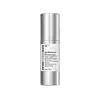 Key Ingredients
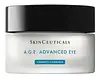
Benefits
Concerns
Ingredients Side-by-side
Water
Skin ConditioningGlycerin
Humectant


Boron Nitride
Absorbent
Cyclomethicone
Emollient
Polysorbate 20
Emulsifying

C12-15 Alkyl Benzoate
AntimicrobialCyclopentasiloxane
Emollient
Prunus Amygdalus Dulcis Oil
Skin Conditioning


Dipeptide Diaminobutyroyl Benzylamide Diacetate
Skin Conditioning

Acetyl Octapeptide-3
Humectant
Acetyl Hexapeptide-8
Humectant
Palmitoyl Oligopeptide
Cleansing
Palmitoyl Tetrapeptide-7
Skin Conditioning
Palmitoyl Tripeptide-5
Skin Conditioning
Tocopheryl Acetate
Antioxidant


Retinyl Palmitate
Skin Conditioning

Sodium Hyaluronate
Humectant

Aloe Barbadensis Leaf Juice
Skin Conditioning
Allantoin
Skin Conditioning
BHT
Antioxidant
Prunus Amygdalus Dulcis Seed Extract
Skin ConditioningHelianthus Annuus Seed Oil
Emollient
Ethylhexylglycerin
Skin ConditioningHexylene Glycol
EmulsifyingPropylene Glycol
Humectant
PEG-12 Dimethicone
Skin Conditioning
Methyl Gluceth-20
Humectant
Carbomer
Emulsion StabilisingDimethicone
Emollient
Disodium EDTA
Sodium Hydroxide
BufferingSilica Dimethyl Silylate
EmollientButylene Glycol
Humectant
Triethanolamine
BufferingPotassium Sorbate
Preservative
Caprylyl Glycol
Emollient
Sodium Benzoate
Masking
Phenoxyethanol
Preservative
Water, Glycerin, Boron Nitride, Cyclomethicone, Polysorbate 20, C12-15 Alkyl Benzoate, Cyclopentasiloxane, Prunus Amygdalus Dulcis Oil, Dipeptide Diaminobutyroyl Benzylamide Diacetate, Acetyl Octapeptide-3, Acetyl Hexapeptide-8, Palmitoyl Oligopeptide, Palmitoyl Tetrapeptide-7, Palmitoyl Tripeptide-5, Tocopheryl Acetate, Retinyl Palmitate, Sodium Hyaluronate, Aloe Barbadensis Leaf Juice, Allantoin, BHT, Prunus Amygdalus Dulcis Seed Extract, Helianthus Annuus Seed Oil, Ethylhexylglycerin, Hexylene Glycol, Propylene Glycol, PEG-12 Dimethicone, Methyl Gluceth-20, Carbomer, Dimethicone, Disodium EDTA, Sodium Hydroxide, Silica Dimethyl Silylate, Butylene Glycol, Triethanolamine, Potassium Sorbate, Caprylyl Glycol, Sodium Benzoate, Phenoxyethanol
Hexyl Laurate
Emollient
Cellulose
Absorbent
Polyethylene
Abrasive
Caprylic/Capric Triglyceride
Masking
Octyldodecanol
Emollient
Phenoxyethanol
Preservative
Butylene Glycol
Humectant
Caffeine
Skin Conditioning
Silica Silylate
Emollient
Tocopheryl Acetate
Antioxidant
Ammonium Polyacryloyldimethyl Taurate
Emulsion StabilisingSodium Citrate
BufferingDimethicone/Polyglycerin-3 Crosspolymer
Cleansing
Chlorphenesin
Antimicrobial
Boron Nitride
Absorbent
Alumina
Abrasive
Glycyrrhetinic Acid
Skin Conditioning
CI 77891
Cosmetic ColorantMenthoxypropanediol
Masking
Sorbitol
Humectant
Vaccinium Myrtillus Fruit Extract
Skin ConditioningSynthetic Fluorphlogopite
Sodium Phytate
Carbomer
Emulsion StabilisingSodium Lactate
Buffering
Polysorbate 20
Emulsifying
Punica Granatum Fruit Extract
Antioxidant
Glycol
HumectantAlcohol
Antimicrobial

Palmitoyl Tripeptide-1
Skin Conditioning
Tocopherol
Antioxidant
Palmitoyl Tetrapeptide-7
Skin Conditioning
Pentaerythrityl Tetra-Di-T-Butyl Hydroxyhydrocinnamate
Antioxidant
Hexyl Laurate, Cellulose, Polyethylene, Caprylic/Capric Triglyceride, Octyldodecanol, Phenoxyethanol, Butylene Glycol, Caffeine, Silica Silylate, Tocopheryl Acetate, Ammonium Polyacryloyldimethyl Taurate, Sodium Citrate, Dimethicone/Polyglycerin-3 Crosspolymer, Chlorphenesin, Boron Nitride, Alumina, Glycyrrhetinic Acid, CI 77891, Menthoxypropanediol, Sorbitol, Vaccinium Myrtillus Fruit Extract, Synthetic Fluorphlogopite, Sodium Phytate, Carbomer, Sodium Lactate, Polysorbate 20, Punica Granatum Fruit Extract, Glycol, Alcohol, Palmitoyl Tripeptide-1, Tocopherol, Palmitoyl Tetrapeptide-7, Pentaerythrityl Tetra-Di-T-Butyl Hydroxyhydrocinnamate
Ingredients Explained
These ingredients are found in both products.
Ingredients higher up in an ingredient list are typically present in a larger amount.
Boron Nitride is compound consisting of boron and nitrogen. It is used to absorb oil and modify adherence/ slip in products.
This means it is often used in makeup products to help them last longer.
Butylene Glycol (or BG) is used within cosmetic products for a few different reasons:
Overall, Butylene Glycol is a safe and well-rounded ingredient that works well with other ingredients.
Though this ingredient works well with most skin types, some people with sensitive skin may experience a reaction such as allergic rashes, closed comedones, or itchiness.
Learn more about Butylene GlycolCarbomer is a synthetic thickening and gelling agent. It's basically the ingredient that gives a lot of serums, gels, creams, and sunscreens their smooth, non-sticky texture.
Although legally permitted at very high levels, carbomers are normally used at concentrations below 1%.
It also needs to be neutralized to actually thicken, and because it is a large molecule, it doesn't really penetrate the skin barrier.
Allergy-wise, the risk is very low. Clinical studies show carbomers have low potential for skin irritation/sensitization even at concentrations up to 100%.
A 2024 UK study patch-tested 1,302 patients and found true allergy to the parent group of carbomer to be rare with no confirmed relevant reactions.
Learn more about CarbomerPalmitoyl Tetrapeptide-7 (formerly Palmitoyl Tetrapeptide-3) is a synthetic peptide. Its main job is to fight what researchers call "inflammaging".
"Inflammaging" is the slow, low-grade chronic inflammation that quietly breaks down collagen as we age.
This ingredient calms down a specific inflammation signal in your skin cells (called IL-6). When left unchecked, this signal triggers enzymes that break down collagen and elastin.
Clinical testing showed statistically significant improvements in:
Studies also found the more of this ingredient used, the more your skin produces Collagen I, fibronectin, and hyaluronic acid.
You'll likely see this ingredient paired with Palmitoyl Tripeptide-1 in the well-known Matrixyl 3000 complex for enhanced anti-aging effects.
A 3% concentration applied twice daily for two months showed meaningful skin rejuvenation results in clinical panels.
Fungal acne note:
Usually a palmitic acid component can feed Malassezia in unbound form, but here is is covalently bonded to the peptide. This means it is very difficult for Malassezia to access, and therefore very unlikely to cause fungal acne.
Phenoxyethanol is one of the most widely used preservatives in skincare (and for good reason!).
It has a large spectrum of antimicrobial activity and especially effective bacteria, yeast, and mold while only having a weak effect on your skin's natural microbiome.
On a cellular level, it disrupts the cell membranes of microbes by poking holes that make the cell leak. This shuts down the chemical reactions the microbe needs to make energy so it can no longer survive.
Another perk of this ingredient is that it stays functional across a wide pH range (3-10).
You'll often see it paired with boosters like Ethylhexylglycerin; one study showed that a 1:9 ratio of Ethylhexylglycerin to Phenoxyethanol damages bacterial membranes as effectively as doubling the Phenoxyethanol concentration on its own.
Typical use concentrations range from 0.3-1% depending on the formula, and this ingredient is capped at 1% int the EU.
Safety-wise, the fear mongering does not hold up to the evidence. The EU's Scientific Committee on Consumer Safety and FDA consider it safe as a preservative at up to 1%, including for children of all ages.
Adverse systemic effects only showed up in animal studies at exposures roughly 200x higher than what people get from cosmetics. And despite its very widespread use, this ingredient is a rare sensitizer and allergic reactions are uncommon.
Learn more about PhenoxyethanolPolysorbate 20 is a gentle, water-soluble emulsifier and mild surfactant. It stops oil and water from separating to keep your formulas blended and stable.
It also acts as a mild penetration enhancer by helping active ingredients absorb slightly better.
The common safety discussion around this ingredient involves a manufacturing byproduct called 1,4-dioxane.
Trace amounts can form during production but the EU's Scientific Committee on Consumer Safety has concluded that levels at/below 10 ppm in finished products are safe (commercial products consistently fall within acceptable margins).
True allergic reactions are uncommon and the CIR Expert Panel has confirmed this ingredient to be safe as used in cosmetics.
Because it is derived from lauric acid, it may not be fungal acne safe.
Learn more about Polysorbate 20Tocopheryl Acetate is a stable, shelf-friendly form of vitamin E.
Formulators love it because plain vitamin E oxidizes quickly once it hits air. This acetate version stays stable and resists going off, helping to extend a product's shelf life.
It's actually inactive on its own and works like a slow-release "storage" form; the enzymes in your skin called esterases gradually convert it into active vitamin E over time.
One in vivo study showed 5% of the acetate in the living layer of the epidermis converted to vitamin E after 5 days of application. This study also found the skin gained protection against UV damage even though the conversion was slow and small.
Once converted, vitamin E acts as a skin's main fat-soluble antioxidant that fights free radicals to protect skin from damage.
Topical vitamin E generally boosts the skin's photoprotection, and it reduced UV-damage in animal models.
This ingredient has some brightening potential but it's more of a prevention ingredient than spot-fader. Cell studies show it can slow down melanin production but it's worth noting that it's not the most powerful brightener out there.
Overall, it has a pretty solid safety profile and has been found to be non-irritating and non-comedogenic. Allergic reactions may happen but stay rare due to how widely the ingredient gets used.
The concentration will vary depending on the formula; industry data shows 0.1% in baby lotions, 3% in lipsticks, and 5% in foot powders. You can also find this ingredient at 100% in a pure vitamin E oil.
Most leave-on skincare keeps it at the lower end, often between 0.5-1%.
Learn more about Tocopheryl Acetate

