Estée Lauder Advanced Night Repair Supercharged Eye Gel-Cream Versus SkinCeuticals A.G.E. Advanced Eye
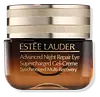
This barrier-repair eye moisturizer is formulated around Bifida Ferment Lysate and Caffeine to strengthen the skin barrier and soften the look of wrinkles.
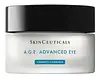
This anti-aging eye moisturizer is formulated around Caffeine and Palmitoyl Tripeptide-1 to soften the look of wrinkles and refine skin texture.

What's inside
What's inside
 Key Ingredients
Benefits
Concerns
Ingredients Side-by-side
Water
Skin ConditioningDimethicone
Emollient

Methyl Trimethicone
Skin Conditioning
Bifida Ferment Lysate
Skin Conditioning



Dimethicone/Vinyl Dimethicone Crosspolymer
Skin Conditioning
Propanediol
Solvent
Petrolatum
Emollient


Sucrose
Humectant
Glycerin
Humectant
Butylene Glycol
Humectant
Acrylamide/Sodium Acryloyldimethyltaurate Copolymer
Emulsion StabilisingTrehalose
Humectant
Tripeptide-32
Skin Conditioning
Adansonia Digitata Seed Extract
Skin ConditioningLavandula Angustifolia Flower Extract
Cleansing
Sodium Hyaluronate
Humectant
Lactobacillus Ferment
Skin Conditioning
Tocopheryl Acetate
Antioxidant


Faex Extract
Skin ConditioningHypnea Musciformis Extract
Skin Protecting

Sodium Rna
Skin ConditioningCaffeine
Skin Conditioning
Squalane
Emollient
Anthemis Nobilis Flower Oil
Masking

Poria Cocos Sclerotium Extract
AstringentCitrullus Lanatus Fruit Extract
Skin Conditioning
Lens Esculenta Fruit Extract
Skin ConditioningPyrus Malus Fruit Extract
Skin Conditioning
Ethylhexylglycerin
Skin ConditioningSodium PCA
Humectant
Phytosphingosine
Skin Conditioning
Hydrolyzed Algin
Hordeum Distichon Extract
Skin ProtectingJojoba Esters
Emollient

Triticum Vulgare Germ Oil
Emollient
Hydrogenated Lecithin
Emulsifying
Lecithin
Emollient
Isohexadecane
EmollientJojoba Alcohol
Emollient
Isopropyl Jojobate
EmollientPEG/PPG-18/18 Dimethicone
Emulsifying
Polysorbate 80
Emulsifying
Acrylates/C10-30 Alkyl Acrylate Crosspolymer
Emulsion StabilisingTromethamine
BufferingSorbitan Oleate
Emulsifying
Sodium Lactate
Buffering
Polysorbate 40
Emulsifying
Potassium Gluconate
ChelatingTocopherol
Antioxidant
BHT
Antioxidant
Phenoxyethanol
Preservative
Potassium Sorbate
Preservative
Sodium Benzoate
Masking
CI 77491
Cosmetic ColorantCI 77492
Cosmetic ColorantWater, Dimethicone, Methyl Trimethicone, Bifida Ferment Lysate, Dimethicone/Vinyl Dimethicone Crosspolymer, Propanediol, Petrolatum, Sucrose, Glycerin, Butylene Glycol, Acrylamide/Sodium Acryloyldimethyltaurate Copolymer, Trehalose, Tripeptide-32, Adansonia Digitata Seed Extract, Lavandula Angustifolia Flower Extract, Sodium Hyaluronate, Lactobacillus Ferment, Tocopheryl Acetate, Faex Extract, Hypnea Musciformis Extract, Sodium Rna, Caffeine, Squalane, Anthemis Nobilis Flower Oil, Poria Cocos Sclerotium Extract, Citrullus Lanatus Fruit Extract, Lens Esculenta Fruit Extract, Pyrus Malus Fruit Extract, Ethylhexylglycerin, Sodium PCA, Phytosphingosine, Hydrolyzed Algin, Hordeum Distichon Extract, Jojoba Esters, Triticum Vulgare Germ Oil, Hydrogenated Lecithin, Lecithin, Isohexadecane, Jojoba Alcohol, Isopropyl Jojobate, PEG/PPG-18/18 Dimethicone, Polysorbate 80, Acrylates/C10-30 Alkyl Acrylate Crosspolymer, Tromethamine, Sorbitan Oleate, Sodium Lactate, Polysorbate 40, Potassium Gluconate, Tocopherol, BHT, Phenoxyethanol, Potassium Sorbate, Sodium Benzoate, CI 77491, CI 77492
Hexyl Laurate
Emollient
Cellulose
Absorbent
Polyethylene
Abrasive
Caprylic/Capric Triglyceride
Masking
Octyldodecanol
Emollient
Phenoxyethanol
Preservative
Butylene Glycol
Humectant
Caffeine
Skin Conditioning
Silica Silylate
Emollient
Tocopheryl Acetate
Antioxidant
Ammonium Polyacryloyldimethyl Taurate
Emulsion StabilisingSodium Citrate
BufferingDimethicone/Polyglycerin-3 Crosspolymer
Cleansing
Chlorphenesin
Antimicrobial
Boron Nitride
Absorbent
Alumina
Abrasive
Glycyrrhetinic Acid
Skin Conditioning
CI 77891
Cosmetic ColorantMenthoxypropanediol
Masking
Sorbitol
Humectant
Vaccinium Myrtillus Fruit Extract
Skin ConditioningSynthetic Fluorphlogopite
Sodium Phytate
ChelatingCarbomer
Emulsion StabilisingSodium Lactate
Buffering
Polysorbate 20
Emulsifying
Punica Granatum Fruit Extract
Antioxidant
Glycol
HumectantAlcohol
Antimicrobial

Palmitoyl Tripeptide-1
Skin Conditioning
Tocopherol
Antioxidant
Palmitoyl Tetrapeptide-7
Skin Conditioning
Pentaerythrityl Tetra-Di-T-Butyl Hydroxyhydrocinnamate
Antioxidant
Hexyl Laurate, Cellulose, Polyethylene, Caprylic/Capric Triglyceride, Octyldodecanol, Phenoxyethanol, Butylene Glycol, Caffeine, Silica Silylate, Tocopheryl Acetate, Ammonium Polyacryloyldimethyl Taurate, Sodium Citrate, Dimethicone/Polyglycerin-3 Crosspolymer, Chlorphenesin, Boron Nitride, Alumina, Glycyrrhetinic Acid, CI 77891, Menthoxypropanediol, Sorbitol, Vaccinium Myrtillus Fruit Extract, Synthetic Fluorphlogopite, Sodium Phytate, Carbomer, Sodium Lactate, Polysorbate 20, Punica Granatum Fruit Extract, Glycol, Alcohol, Palmitoyl Tripeptide-1, Tocopherol, Palmitoyl Tetrapeptide-7, Pentaerythrityl Tetra-Di-T-Butyl Hydroxyhydrocinnamate
Reviews
Ingredients Explained
These ingredients are found in both products.
Ingredients higher up in an ingredient list are typically present in a larger amount.
Butylene Glycol (or BG) is used within cosmetic products for a few different reasons:
Overall, Butylene Glycol is a safe and well-rounded ingredient that works well with other ingredients.
Though this ingredient works well with most skin types, some people with sensitive skin may experience a reaction such as allergic rashes, closed comedones, or itchiness.
Learn more about Butylene GlycolCaffeine is a naturally occurring plant compound found in coffee beans, tea leaves, cocoa pods, and guarana.
As an antioxidant, caffeine protects your skin from free radical damage caused by UV exposure and envionrmnetal stressors.
Early research also shows that caffeine can help calm redness, soothe irritated skin, and support hair growth by stimulating microcirculation in the scalp.
You might have seen eye creams marketing caffeine as a depuffing ingredient. This is because it is a vasoconstrictor meaning it can temporarily constrict blood vessels, though clinical evidence for this specific use is still limited.
Most skincare products contain this ingredient at concentrations between 1-6%. It is able to penetrate skin easily regardless of skin type or thickness.
Just so you know, a very small number of case reports describe caffeine-induced allergy. This ingredient is generally well-tolerated, non-irritating, and non-sensitizing for the majority of people.
Learn more about CaffeinePhenoxyethanol is one of the most widely used preservatives in skincare (and for good reason!).
It has a large spectrum of antimicrobial activity and especially effective bacteria, yeast, and mold while only having a weak effect on your skin's natural microbiome.
On a cellular level, it disrupts the cell membranes of microbes by poking holes that make the cell leak. This shuts down the chemical reactions the microbe needs to make energy so it can no longer survive.
Another perk of this ingredient is that it stays functional across a wide pH range (3-10).
You'll often see it paired with boosters like Ethylhexylglycerin; one study showed that a 1:9 ratio of Ethylhexylglycerin to Phenoxyethanol damages bacterial membranes as effectively as doubling the Phenoxyethanol concentration on its own.
Typical use concentrations range from 0.3-1% depending on the formula, and this ingredient is capped at 1% int the EU.
Safety-wise, the fear mongering does not hold up to the evidence. The EU's Scientific Committee on Consumer Safety and FDA consider it safe as a preservative at up to 1%, including for children of all ages.
Adverse systemic effects only showed up in animal studies at exposures roughly 200x higher than what people get from cosmetics. And despite its very widespread use, this ingredient is a rare sensitizer and allergic reactions are uncommon.
Learn more about PhenoxyethanolSodium Lactate is the sodium salt of lactic acid, an AHA. It is a humectant and sometimes used to adjust the pH of a product.
This ingredient is part of our skin's NMF, or natural moisturizing factor. Our NMF is essential for the hydration of our top skin layers and plasticity of skin. NMF also influences our skin's natural acid mantle and pH, which protects our skin from harmful bacteria.
High percentages of Sodium Lactate can have an exfoliating effect.
Fun fact: Sodium Lactate is produced from fermented sugar.
Learn more about Sodium LactateTocopherol is a fat-soluble antioxidant known as Vitamin E.
You'll find this ingredient in the vast majority of skincare (for good reason). It works to neutralize free radicals, or unstable molecules generated by UV exposure, pollution, and other environmental stressors, before they can cause oxidative damage to your skin cells.
Topically applied tocopherol has been shown to protect against UV damage by ramping up the skin's own natural defense enzymes.
It also acts as a skin conditioning agent; some studies show that regular topical use can improve the skin's water-binding capacity over 2-4 weeks.
This ingredient is especially loved for being a team player. When combined with Vitamin C, the photoprotective effect of both ingredients roughly doubles and the combo also helps reduce UV-induced DNA damage.
This ingredient has some brightening potential but it's more of a prevention ingredient than spot-fader. Cell studies show it can slow down melanin production but it's worth noting that it's not the most powerful brightener out there.
In formulations, it also serves as a stabilizer that helps protect other oxidation-prone ingredients from degrading.
Concentrations usually range from 0.1-1% in most leave-on products.
Learn more about TocopherolTocopheryl Acetate is a stable, shelf-friendly form of vitamin E.
Formulators love it because plain vitamin E oxidizes quickly once it hits air. This acetate version stays stable and resists going off, helping to extend a product's shelf life.
It's actually inactive on its own and works like a slow-release "storage" form; the enzymes in your skin called esterases gradually convert it into active vitamin E over time.
One in vivo study showed 5% of the acetate in the living layer of the epidermis converted to vitamin E after 5 days of application. This study also found the skin gained protection against UV damage even though the conversion was slow and small.
Once converted, vitamin E acts as a skin's main fat-soluble antioxidant that fights free radicals to protect skin from damage.
Topical vitamin E generally boosts the skin's photoprotection, and it reduced UV-damage in animal models.
This ingredient has some brightening potential but it's more of a prevention ingredient than spot-fader. Cell studies show it can slow down melanin production but it's worth noting that it's not the most powerful brightener out there.
Overall, it has a pretty solid safety profile and has been found to be non-irritating and non-comedogenic. Allergic reactions may happen but stay rare due to how widely the ingredient gets used.
The concentration will vary depending on the formula; industry data shows 0.1% in baby lotions, 3% in lipsticks, and 5% in foot powders. You can also find this ingredient at 100% in a pure vitamin E oil.
Most leave-on skincare keeps it at the lower end, often between 0.5-1%.
Learn more about Tocopheryl Acetate

