
What's inside
What's inside
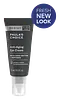 Key Ingredients
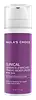
Benefits
Concerns
Ingredients Side-by-side
Water
Skin ConditioningDimethicone
Emollient

Sodium PCA
Humectant


Hydrogenated Polyisobutene
EmollientAscorbyl Glucoside
Antioxidant



Sodium Polyacrylate
Absorbent
Hydrogenated Lecithin
Emulsifying
Glucosyl Hesperidin
HumectantCopper Gluconate
Skin Conditioning
Troxerutin
Skin Conditioning
Disodium Rutinyl Disulfate
Antioxidant
Resveratrol
Antioxidant
Palmitoyl Tripeptide-38
Skin Conditioning

Caprooyl Tetrapeptide-3
Skin Protecting
Glycyrrhiza Glabra Root Extract
Bleaching
Phytic Acid

Beta-Glucan
Skin Conditioning
Acetyl Glucosamine
Skin Conditioning
Tocopherol
Antioxidant
Allantoin
Skin Conditioning
Adenosine
Skin Conditioning
Dextran
Caprylic/Capric Triglyceride
Masking
Sea Whip Extract
Skin ConditioningArctostaphylos Uva Ursi Leaf Extract
Skin Conditioning
Salix Alba Bark Extract
Astringent
Polyacrylate Crosspolymer-6
Emulsion StabilisingHydroxypropyl Cyclodextrin
MaskingXanthan Gum
EmulsifyingCetearyl Alcohol
Emollient





Maltodextrin
Absorbent
Benzyl Alcohol
Perfuming





Phenoxyethanol
Preservative
Water, Dimethicone, Sodium PCA, Hydrogenated Polyisobutene, Ascorbyl Glucoside, Sodium Polyacrylate, Hydrogenated Lecithin, Glucosyl Hesperidin, Copper Gluconate, Troxerutin, Disodium Rutinyl Disulfate, Resveratrol, Palmitoyl Tripeptide-38, Caprooyl Tetrapeptide-3, Glycyrrhiza Glabra Root Extract, Phytic Acid, Beta-Glucan, Acetyl Glucosamine, Tocopherol, Allantoin, Adenosine, Dextran, Caprylic/Capric Triglyceride, Sea Whip Extract, Arctostaphylos Uva Ursi Leaf Extract, Salix Alba Bark Extract, Polyacrylate Crosspolymer-6, Hydroxypropyl Cyclodextrin, Xanthan Gum, Cetearyl Alcohol, Maltodextrin, Benzyl Alcohol, Phenoxyethanol
Water
Skin ConditioningSodium Ascorbyl Phosphate
Antioxidant
Cetyl Alcohol
Emollient
Neopentyl Glycol Diheptanoate
EmollientPotassium Cetyl Phosphate
EmulsifyingGlyceryl Stearate
Emollient
PEG-100 Stearate
Surfactant
Glycerin
Humectant
PEG-12 Glyceryl Dimyristate
Skin ConditioningBis-Diglyceryl Polyacyladipate-2
Emollient
Dimethicone
Emollient
Glyceryl Ascorbate
Antioxidant
Tetrahexyldecyl Ascorbate
Antioxidant
Retinol
Skin Conditioning

Ceramide NP
Skin Conditioning
Ceramide Ns
Skin Conditioning
Ceramide AP
Skin Conditioning
Ceramide EOP
Skin Conditioning
Ceramide Eos
Skin Conditioning
Cholesterol
Emollient
Caprooyl Phytosphingosine
Skin Conditioning
Caprooyl Sphingosine
Skin ConditioningSqualane
Emollient
Punica Granatum Extract
AstringentPongamia Glabra Seed Oil
Skin Conditioning
Glycyrrhiza Glabra Root
Skin ConditioningVitis Vinifera
MaskingTocopheryl Acetate
Antioxidant
Carnosine
Skin Conditioning
Panthenol
Skin Conditioning
Sodium PCA
Humectant
Butylene Glycol
Humectant
Sodium Citrate
BufferingCeteareth-25
CleansingPolysorbate 20
Emulsifying
Ethylhexyl Stearate
Emollient
Sodium Hydroxide
BufferingTrideceth-6
EmulsifyingPropyl Gallate
Antioxidant
Ammonium Acryloyldimethyltaurate/Vp Copolymer
Sodium Polyacrylate
Absorbent
Behenic Acid
Cleansing
Disodium EDTA
Phenoxyethanol
Preservative
Caprylyl Glycol
Emollient
Chlorphenesin
Antimicrobial
Water, Sodium Ascorbyl Phosphate, Cetyl Alcohol, Neopentyl Glycol Diheptanoate, Potassium Cetyl Phosphate, Glyceryl Stearate, PEG-100 Stearate, Glycerin, PEG-12 Glyceryl Dimyristate, Bis-Diglyceryl Polyacyladipate-2, Dimethicone, Glyceryl Ascorbate, Tetrahexyldecyl Ascorbate, Retinol, Ceramide NP, Ceramide Ns, Ceramide AP, Ceramide EOP, Ceramide Eos, Cholesterol, Caprooyl Phytosphingosine, Caprooyl Sphingosine, Squalane, Punica Granatum Extract, Pongamia Glabra Seed Oil, Glycyrrhiza Glabra Root, Vitis Vinifera, Tocopheryl Acetate, Carnosine, Panthenol, Sodium PCA, Butylene Glycol, Sodium Citrate, Ceteareth-25, Polysorbate 20, Ethylhexyl Stearate, Sodium Hydroxide, Trideceth-6, Propyl Gallate, Ammonium Acryloyldimethyltaurate/Vp Copolymer, Sodium Polyacrylate, Behenic Acid, Disodium EDTA, Phenoxyethanol, Caprylyl Glycol, Chlorphenesin
Reviews
Alternatives
Ingredients Explained
These ingredients are found in both products.
Ingredients higher up in an ingredient list are typically present in a larger amount.
Dimethicone is a type of synthetic silicone created from natural materials such as quartz. It is also known as polydimethylsiloxane.
What it does:
Dimethicone comes in different viscosities:
Depending on the viscosity, dimethicone has different properties.
Ingredients lists don't always show which type is used, so we recommend reaching out to the brand if you have questions about the viscosity.
This ingredient is unlikely to cause irritation because it does not get absorbed into skin. However, people with silicone allergies should be careful about using this ingredient.
Note: Dimethicone may contribute to pilling. This is because it is not oil or water soluble, so pilling may occur when layered with products. When mixed with heavy oils in a formula, the outcome is also quite greasy.
Learn more about DimethiconePhenoxyethanol is one of the most widely used preservatives in skincare (and for good reason!).
It has a large spectrum of antimicrobial activity and especially effective bacteria, yeast, and mold while only having a weak effect on your skin's natural microbiome.
On a cellular level, it disrupts the cell membranes of microbes by poking holes that make the cell leak. This shuts down the chemical reactions the microbe needs to make energy so it can no longer survive.
Another perk of this ingredient is that it stays functional across a wide pH range (3-10).
You'll often see it paired with boosters like Ethylhexylglycerin; one study showed that a 1:9 ratio of Ethylhexylglycerin to Phenoxyethanol damages bacterial membranes as effectively as doubling the Phenoxyethanol concentration on its own.
Typical use concentrations range from 0.3-1% depending on the formula, and this ingredient is capped at 1% int the EU.
Safety-wise, the fear mongering does not hold up to the evidence. The EU's Scientific Committee on Consumer Safety and FDA consider it safe as a preservative at up to 1%, including for children of all ages.
Adverse systemic effects only showed up in animal studies at exposures roughly 200x higher than what people get from cosmetics. And despite its very widespread use, this ingredient is a rare sensitizer and allergic reactions are uncommon.
Learn more about PhenoxyethanolSodium PCA (the salt of PCA) is one of the most well-established humectants in skincare.
Why is it so special? Your skin already makes it naturally; it's a natural component of your skin's Natural Moisturizing Factor (NMF), or the mix of water-binding compounds inside your skin cells that keeps things soft and hydrated.
As a cosmetic ingredient, it grabs water and holds it in the upper layers of skin to smooth roughness and ease dehydration.
There's some clinical support for the NMF approach with a study showing that a cream built to mimic the skin's NMF significantly boosted hydration.
Safety-wise, this ingredient non-irritating, non-comedogenic, and non-phototoxic in testing, with minimal skin absorption.
It also works really well with other hydrators like glycerin or hyaluronic acid, and typical usage is somewhere between 0.2-4%.
Learn more about Sodium PCASodium Polyacrylate is the sodium salt of polyacrylic acid. It is used as an absorber, emollient, and stabilizer.
This ingredient is a super-absorbent polymer - meaning it can absorb 100 to 1000 times its mass in water. As an emollient, Sodium Polyacrylate helps soften and soothe skin. Emollients work by creating a barrier to trap moisture in. This helps keep your skin hydrated.
Water. It's the most common cosmetic ingredient of all. You'll usually see it at the top of ingredient lists, meaning that it makes up the largest part of the product.
So why is it so popular? Water most often acts as a solvent - this means that it helps dissolve other ingredients into the formulation.
You'll also recognize water as that liquid we all need to stay alive. If you see this, drink a glass of water. Remember to stay hydrated!
Learn more about Water

