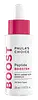
This anti-aging treatment is formulated around Tripeptide-1 and Palmitoyl Tripeptide-1 to soften the look of wrinkles and refine skin texture.
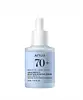
This hydrating serum is formulated around Betula Platyphylla Japonica Juice and Panthenol to hydrate skin and strengthen the skin barrier.


What's inside
What's inside
 Key Ingredients
Benefits
Concerns
No concerns
Ingredients Side-by-side
Water
Skin ConditioningGlycerin
Humectant


PEG-8 Dimethicone
Emulsifying
Tripeptide-1
Skin Conditioning

Palmitoyl Tripeptide-1
Skin Conditioning
Palmitoyl Tetrapeptide-7
Skin Conditioning
Palmitoyl Hexapeptide-12
Skin Conditioning
Myristoyl Hexapeptide-16
Skin Conditioning
Myristoyl Pentapeptide-17
Skin Conditioning
Hexanoyl Dipeptide-3 Norleucine Acetate
Skin Conditioning
Azelaoyl Bis-Dipeptide-10
Skin Conditioning
Glycoproteins
Skin Conditioning
Phospholipids
Skin Conditioning
Adenosine
Skin Conditioning
Dipotassium Glycyrrhizate
Humectant
Arginine
Masking
Valine
MaskingGlycine
Buffering
Alanine
Masking
Glutamic Acid
Humectant
Serine
Masking
Threonine
Yeast Extract
Skin ConditioningIsoleucine
Skin ConditioningProline
Skin Conditioning
Histidine
Humectant
Phenylalanine
Masking
PCA
Humectant
Phytic Acid
Chelating

Panax Ginseng Root Extract
Emollient
Sodium PCA
Humectant
Psidium Guajava Fruit Extract
AstringentEuterpe Oleracea Fruit Extract
Ahnfeltiopsis Concinna Extract
Skin Conditioning

Dextran
Hydrolyzed Silk
Humectant
Lecithin
Emollient
Glyceryl Polymethacrylate
C12-16 Pareth-9
EmulsifyingTrideceth-12
EmulsifyingSodium Lactate
Buffering
Carbomer
Emulsion StabilisingAspartic Acid
Masking
Polysorbate 20
Emulsifying

Butylene Glycol
Humectant
Caprylyl Glycol
Emollient
PEG-8
HumectantC11-15 Pareth-7
EmulsifyingGuar Hydroxypropyltrimonium Chloride
Skin ConditioningPhytosteryl/Octyldodecyl Lauroyl Glutamate
Skin ConditioningEctoin
Skin Conditioning
Citrate Buffer
Trimethylsiloxyamodimethicone
Phenoxyethanol
Preservative
Sodium Hydroxide
BufferingEthylhexylglycerin
Skin ConditioningWater, Glycerin, PEG-8 Dimethicone, Tripeptide-1, Palmitoyl Tripeptide-1, Palmitoyl Tetrapeptide-7, Palmitoyl Hexapeptide-12, Myristoyl Hexapeptide-16, Myristoyl Pentapeptide-17, Hexanoyl Dipeptide-3 Norleucine Acetate, Azelaoyl Bis-Dipeptide-10, Glycoproteins, Phospholipids, Adenosine, Dipotassium Glycyrrhizate, Arginine, Valine, Glycine, Alanine, Glutamic Acid, Serine, Threonine, Yeast Extract, Isoleucine, Proline, Histidine, Phenylalanine, PCA, Phytic Acid, Panax Ginseng Root Extract, Sodium PCA, Psidium Guajava Fruit Extract, Euterpe Oleracea Fruit Extract, Ahnfeltiopsis Concinna Extract, Dextran, Hydrolyzed Silk, Lecithin, Glyceryl Polymethacrylate, C12-16 Pareth-9, Trideceth-12, Sodium Lactate, Carbomer, Aspartic Acid, Polysorbate 20, Butylene Glycol, Caprylyl Glycol, PEG-8, C11-15 Pareth-7, Guar Hydroxypropyltrimonium Chloride, Phytosteryl/Octyldodecyl Lauroyl Glutamate, Ectoin, Citrate Buffer, Trimethylsiloxyamodimethicone, Phenoxyethanol, Sodium Hydroxide, Ethylhexylglycerin
Betula Platyphylla Japonica Juice 70%
Skin Conditioning
Butylene Glycol
Humectant
Dipropylene Glycol
HumectantWater
Skin ConditioningGlycerin
Humectant
Diglycerin
Humectant
1,2-Hexanediol
Skin Conditioning
Trehalose
Humectant
Hydroxyacetophenone
Antioxidant
Carbomer
Emulsion StabilisingCaprylyl Glycol
Emollient
Tromethamine
BufferingAllantoin
Skin Conditioning
Betaine
Humectant
Cucumis Sativus Fruit Extract
Emollient
Glyceryl Acrylate/Acrylic Acid Copolymer
HumectantDextrin
AbsorbentGardenia Florida Fruit Extract
Skin ConditioningOenothera Biennis Flower Extract
AstringentUlmus Davidiana Root Extract
Skin Conditioning
Biosaccharide Gum-1
Humectant
Pinus Palustris Leaf Extract
TonicPanthenol
Skin Conditioning
Pueraria Lobata Root Extract
HumectantGluconolactone
Chelating



Dipotassium Glycyrrhizate
Humectant
Malachite Extract
Antioxidant
Tocopherol
Antioxidant

Sodium Hyaluronate
Humectant
Hydroxypropyltrimonium Hyaluronate
Sodium Acetylated Hyaluronate
Humectant
Hydrolyzed Hyaluronic Acid
Humectant
Hyaluronic Acid
Humectant
Sodium Hyaluronate Crosspolymer
Humectant
Hydrolyzed Sodium Hyaluronate
Skin Conditioning
Potassium Hyaluronate
Skin ConditioningSodium Phytate
ChelatingEthylhexylglycerin
Skin ConditioningBetula Platyphylla Japonica Juice 70%, Butylene Glycol, Dipropylene Glycol, Water, Glycerin, Diglycerin, 1,2-Hexanediol, Trehalose, Hydroxyacetophenone, Carbomer, Caprylyl Glycol, Tromethamine, Allantoin, Betaine, Cucumis Sativus Fruit Extract, Glyceryl Acrylate/Acrylic Acid Copolymer, Dextrin, Gardenia Florida Fruit Extract, Oenothera Biennis Flower Extract, Ulmus Davidiana Root Extract, Biosaccharide Gum-1, Pinus Palustris Leaf Extract, Panthenol, Pueraria Lobata Root Extract, Gluconolactone, Dipotassium Glycyrrhizate, Malachite Extract, Tocopherol, Sodium Hyaluronate, Hydroxypropyltrimonium Hyaluronate, Sodium Acetylated Hyaluronate, Hydrolyzed Hyaluronic Acid, Hyaluronic Acid, Sodium Hyaluronate Crosspolymer, Hydrolyzed Sodium Hyaluronate, Potassium Hyaluronate, Sodium Phytate, Ethylhexylglycerin
Reviews
Ingredients Explained
These ingredients are found in both products.
Ingredients higher up in an ingredient list are typically present in a larger amount.
Butylene Glycol (or BG) is used within cosmetic products for a few different reasons:
Overall, Butylene Glycol is a safe and well-rounded ingredient that works well with other ingredients.
Though this ingredient works well with most skin types, some people with sensitive skin may experience a reaction such as allergic rashes, closed comedones, or itchiness.
Learn more about Butylene GlycolCaprylyl Glycol is a humectant, skin conditioner, emollient, and preservative booster derived from either caprylic acid or synthetically created.
Typical use levels vary from 0.3-1% as a preservative booster and go up to 2% to condition skin.
Because it is not a free-fatty acid, this ingredient is fungal acne safe (there's nothing for Malassezia to feed on).
Learn more about Caprylyl GlycolCarbomer is a synthetic thickening and gelling agent. It's basically the ingredient that gives a lot of serums, gels, creams, and sunscreens their smooth, non-sticky texture.
Although legally permitted at very high levels, carbomers are normally used at concentrations below 1%.
It also needs to be neutralized to actually thicken, and because it is a large molecule, it doesn't really penetrate the skin barrier.
Allergy-wise, the risk is very low. Clinical studies show carbomers have low potential for skin irritation/sensitization even at concentrations up to 100%.
A 2024 UK study patch-tested 1,302 patients and found true allergy to the parent group of carbomer to be rare with no confirmed relevant reactions.
Learn more about CarbomerDipotassium Glycyrrhizate comes from licorice root.
Extracts of licorice have demonstrated to have antibacterial, anti‐inflammatory, antiviral, antioxidant properties.
One component, glabridin, has extra potent antioxidant and soothing properties. It has also been found to block pigmentation from UVB rays in guinea pigs.
Licorice Root also contains a flavonoid. Flavonoids are a natural substance from in plants. Flavonoids also have antioxidant properties.
Another component, glycyrrhizin, has been found to have anti-inflammatory and antimicrobial benefits. This may make licorice root extract effective at treating acne. However, more research is needed to support this.
Liquiritin is one of the flavone compounds found in licorice. It has been found to help lighten skin by preventing tyrosinase from reacting with tyrosine. When the two react, protein is converted to melanin. Melanin is the substance in your body that gives your features pigmentation.
Licorice root is native to Southern Europe and Asia. It has been used in traditional Chinese medicine to help with respiratory issues.
Learn more about Dipotassium GlycyrrhizateEthylhexylglycerin is created from glycerin. It is a multitasker ingredient that:
The CIR Expert Panel found minimal skin absorption or sensitization of any kind in a safety assessment. Though this ingredient is considered well-tolerated, a small number of cases of allergic dermatitis have been published since 2002. Just be sure to patch test if you are unsure.
Industry-reported use ranges from 8% in rinse-off products and 2% in leave-on formulations.
Learn more about EthylhexylglycerinGlycerin (or glycerol) is a compound naturally found in your skin. It's a powerhouse humectant that pulls water into the stratum corneum.
Topically, glycerin does several things at once:
Your skin makes glycerin on its own (mostly from sebaceous oil breakdown) and shuttles it to your outermost layer of skin, or your epidermis, via aquaporin-3.
Aquaporin-3 is a transporter that is essential for normal skin hydration, elasticity, and repair. Interestingly, mice lacking in AQP3 have dry and less elastic skin that can be fully corrected with glycerin.
This ingredient is non-irritating, plays well with almost every ingredient, and works across all skin types. Typical use is anywhere between 3-10% but can go up to 79% in some leave-on products.
Just know very high concentrations (>40%) can feel tacky in low humidity.
Glycerin is the name for this ingredient in American English. British English uses Glycerol/Glycerine.
Learn more about GlycerinWater. It's the most common cosmetic ingredient of all. You'll usually see it at the top of ingredient lists, meaning that it makes up the largest part of the product.
So why is it so popular? Water most often acts as a solvent - this means that it helps dissolve other ingredients into the formulation.
You'll also recognize water as that liquid we all need to stay alive. If you see this, drink a glass of water. Remember to stay hydrated!
Learn more about Water

