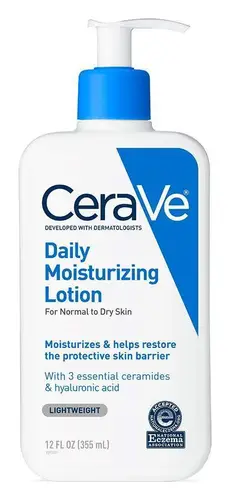
Paula's Choice Earth Sourced Antioxidant Enriched Natural Moisturizer Versus Lancôme Hydra Zen Anti-Stress Glow Moisturiser
This barrier-repair moisturizer is formulated around Borago Officinalis Seed Oil and Sodium Hyaluronate to strengthen the skin barrier and hydrate skin.
This calming moisturizer is formulated around Butyrospermum Parkii Butter and Squalane to calm redness and hydrate skin.


What's inside
What's inside
 Key Ingredients
Benefits
Concerns
Ingredients Side-by-side
Water
Skin ConditioningTheobroma Cacao Seed Butter
Emollient




Glycerin
Humectant


Vitis Vinifera
MaskingCanola Oil
Emollient
Olea Europaea Fruit Oil
Masking
Butyrospermum Parkii Butter Unsaponifiables
Skin Conditioning
Benzyl Alcohol
Perfuming




Propanediol
Solvent
Borago Officinalis Seed Oil
Emollient

Oenothera Biennis Oil
Emollient
Sodium Hyaluronate
Humectant

Rubus Idaeus Fruit Extract
AstringentVaccinium Macrocarpon Fruit Extract
AstringentVaccinium Myrtillus Fruit Extract
Skin ConditioningMalpighia Emarginata Fruit Extract
Skin ConditioningLycium Barbarum Fruit Extract
Astringent
Aloe Barbadensis Leaf Juice
Skin Conditioning
Tocopherol
Antioxidant



Hydrogenated Lecithin
Emulsifying
Thermus Thermophillus Ferment
Skin ConditioningLinum Usitatissimum Seed Oil
Perfuming
Caprylic/Capric Triglyceride
Masking
Arginine
Masking
Glycine
Buffering
Alanine
Masking
Serine
Masking
Valine
MaskingProline
Skin Conditioning
Threonine
Isoleucine
Skin ConditioningHistidine
Humectant
Phenylalanine
Masking
Aspartic Acid
Masking
Helianthus Annuus Seed Oil
Emollient
Carrageenan
Sodium Lactate
Buffering
Sodium PCA
Humectant
Silica
Abrasive


Xanthan Gum
EmulsifyingLeuconostoc/Radish Root Ferment Filtrate
Antimicrobial
Caprylyl Glycol
Emollient
Glyceryl Stearate
Emollient
PCA
Humectant
Phenoxyethanol
Preservative
Potassium Sorbate
Preservative
Sodium Benzoate
Masking
Water, Theobroma Cacao Seed Butter, Glycerin, Vitis Vinifera, Canola Oil, Olea Europaea Fruit Oil, Butyrospermum Parkii Butter Unsaponifiables, Benzyl Alcohol, Propanediol, Borago Officinalis Seed Oil, Oenothera Biennis Oil, Sodium Hyaluronate, Rubus Idaeus Fruit Extract, Vaccinium Macrocarpon Fruit Extract, Vaccinium Myrtillus Fruit Extract, Malpighia Emarginata Fruit Extract, Lycium Barbarum Fruit Extract, Aloe Barbadensis Leaf Juice, Tocopherol, Hydrogenated Lecithin, Thermus Thermophillus Ferment, Linum Usitatissimum Seed Oil, Caprylic/Capric Triglyceride, Arginine, Glycine, Alanine, Serine, Valine, Proline, Threonine, Isoleucine, Histidine, Phenylalanine, Aspartic Acid, Helianthus Annuus Seed Oil, Carrageenan, Sodium Lactate, Sodium PCA, Silica, Xanthan Gum, Leuconostoc/Radish Root Ferment Filtrate, Caprylyl Glycol, Glyceryl Stearate, PCA, Phenoxyethanol, Potassium Sorbate, Sodium Benzoate
Water
Skin ConditioningGlycerin
Humectant
Pentylene Glycol
Skin Conditioning
Octyldodecanol
Emollient
Butylene Glycol
Humectant
Caprylic/Capric Triglyceride
Masking
Butyrospermum Parkii Butter
Skin Conditioning
Simmondsia Chinensis Seed Oil
Emollient
Beheneth-10
EmulsifyingSqualane
Emollient
Glycol Palmitate
Emulsifying
PCA
Humectant
Alanine
Masking
Cocos Nucifera Oil
Masking
Tocopherol
Antioxidant
Macadamia Ternifolia Seed Oil
Emollient
Hydroxyacetophenone
Antioxidant
Sodium Polyacrylate
Absorbent
Sodium Hyaluronate
Humectant
Sodium PCA
Humectant
Sodium Lactate
Buffering
Paeonia Suffruticosa Root Extract
Skin ProtectingPhenylalanine
Masking
Arginine
Masking
Helianthus Annuus Seed Oil
Emollient
Valine
MaskingPalmitoyl Tripeptide-8
Skin Conditioning
Xanthan Gum
EmulsifyingMenthol
Masking
Aloe Barbadensis Leaf Juice Powder
Skin Conditioning
Propylene Glycol
Humectant
Proline
Skin Conditioning
Isoleucine
Skin ConditioningAspartic Acid
Masking
Coriandrum Sativum Fruit Oil
Masking
Sorbitol
Humectant
Serine
Masking
Threonine
Passiflora Edulis Seed Oil
Emollient
Rosa Gallica Flower Extract
AstringentHistidine
Humectant
Citric Acid
Buffering
Prunus Armeniaca Kernel Oil
Masking
Dextran
Glycine
Buffering
Parfum
Masking
Water, Glycerin, Pentylene Glycol, Octyldodecanol, Butylene Glycol, Caprylic/Capric Triglyceride, Butyrospermum Parkii Butter, Simmondsia Chinensis Seed Oil, Beheneth-10, Squalane, Glycol Palmitate, PCA, Alanine, Cocos Nucifera Oil, Tocopherol, Macadamia Ternifolia Seed Oil, Hydroxyacetophenone, Sodium Polyacrylate, Sodium Hyaluronate, Sodium PCA, Sodium Lactate, Paeonia Suffruticosa Root Extract, Phenylalanine, Arginine, Helianthus Annuus Seed Oil, Valine, Palmitoyl Tripeptide-8, Xanthan Gum, Menthol, Aloe Barbadensis Leaf Juice Powder, Propylene Glycol, Proline, Isoleucine, Aspartic Acid, Coriandrum Sativum Fruit Oil, Sorbitol, Serine, Threonine, Passiflora Edulis Seed Oil, Rosa Gallica Flower Extract, Histidine, Citric Acid, Prunus Armeniaca Kernel Oil, Dextran, Glycine, Parfum
Reviews
Ingredients Explained
These ingredients are found in both products.
Ingredients higher up in an ingredient list are typically present in a larger amount.
Alanine is an amino acid and is already found in the human body. Our skin uses alanine to build collagen, elastin, and keratin.
Arginine is a semi-essential amino acid. This just means our bodies can product a bit on its own, but sometimes needs a little boost from food sources.
It is a part of your skin's natural moisturizing factor (NMF), or the water-loving molecules in your outermost layer of skin (stratum corneum) that keeps everything hydrated and happy.
Here's an interesting thing about Arginine: your skin converts it into urea through the Krebs-Henseleit urea cycle. Urea is one of the most effective humectants your skin naturally produces.
A clinical study showed applying 2.5% arginine hydrochloride to atopic dermatitis skin showed significant urea levels in the stratum corneum and improved moisture in just four weeks.
Arginine is also a precursor to nitric oxide; nitric oxide improves microcirculation and supports wound healing and collagen synthesis.
One study found that an amino acid complex containing Arginine reduced skin irritation, improved hydration, and accelerated skin repair in clinical / in-vivo studies.
Arginine itself is an amino acid and not a fatty acid, oil, or ester. On its own, it's not a direct food source for Malassezia, or the yeast that causes fungal acne.
Learn more about ArginineAspartic Acid is an amino acid that our bodies produce naturally. It is an antioxidant.
Our body uses Aspartic Acid to help build collagen and elastin. It also plays a role in hydrating skin.
Caprylic/Capric Triglyceride (aka MCT Oil) is a lightweight emollient, solvent, and texture enhancer. It is considered a skin-softener by helping to prevent moisture loss.
Though it behaves like an oil, it is not technically one due to its chemical composition. One perk of this ingredient is that it is very stable, resistant to oxidation, and unlikely to go rancid.
In practice, that translates to a long shelf life and a consistently elegant skin feel.
While there is an assumption Caprylic Triglyceride can clog pores due to it being derived from coconut oil, there is no research supporting this. Just patch test if you have concerns.
Fractionated coconut oil and MCT Oil are both listed as Caprylic/Capric Triglyceride according to INCI. This is because INCI names are based on the ingredient’s final chemical composition and not its marketing name or source.
This ingredient is treated as the gold standard fungal acne safe oil. Even though it is coconut derived, the problematic lauric acid is stripped out.
This leaves just caprylic (C8) and capric (C10) acid. These chain lengths actually trend antifungal; a 2020 study found caprylic acid was enough to disrupt Malassezia furfur cell membrane, with a caprylic acid derivative damaging membrane structures at concentrations as low as 0.2%.
Learn more about Caprylic/Capric TriglycerideGlycerin (or glycerol) is a compound naturally found in your skin. It's a powerhouse humectant that pulls water into the stratum corneum.
Topically, glycerin does several things at once:
Your skin makes glycerin on its own (mostly from sebaceous oil breakdown) and shuttles it to your outermost layer of skin, or your epidermis, via aquaporin-3.
Aquaporin-3 is a transporter that is essential for normal skin hydration, elasticity, and repair. Interestingly, mice lacking in AQP3 have dry and less elastic skin that can be fully corrected with glycerin.
This ingredient is non-irritating, plays well with almost every ingredient, and works across all skin types. Typical use is anywhere between 3-10% but can go up to 79% in some leave-on products.
Just know very high concentrations (>40%) can feel tacky in low humidity.
Glycerin is the name for this ingredient in American English. British English uses Glycerol/Glycerine.
Learn more about GlycerinGlycine is the smallest amino acid and a key building block of collagen. It's part if your skin's Natural Moisturizing Factor (NMF), or the water-loving molecules in your outermost layer of skin (stratum corneum) that keeps everything hydrated and happy.
A study from 2022 found that an amino acid complex featuring taurine, arginine, and glycine significantly reduced skin irritation, improved redness, and accelerated the skin repair process.
Helianthus Annuus Seed Oil is a plant oil derived from the seeds of a sunflower.
It is rich in fatty acids, primarily linoleic acid and oleic acid. This gives it emollient and skin conditioning properties.
The reason this ingredient is so effective is because it forms a thin film on the skin that reduces transepidermal water loss (TEWL) while supplying linoleic acid to the stratum corneum to improve barrier strength.
The high linoleic acid content is particularly noteworthy for acne-prone skin.
Research suggests that acne-prone skin tends to be deficient in linoleic acid in sebum. Topical application may help replenish this to support a healthier follicular environment and less comedone-promoting sebum.
One randomized study found sunflower seed oil preserved skin barrier integrity in adult volunteers with and without atopic dermatitis (outperforming olive oil).
This ingredient is well-studied, gentle, and an effective emollient suitable for most skin types.
On fungal acne: This ingredient may not be Fungal acne (Malassezia folliculitis) safe. This is because it contains fatty acids with carbon chain lengths in the C11-C24 range.
Learn more about Helianthus Annuus Seed OilHistidine is a semi-essential amino acid used by our bodies to create protein. It has humectant and skin conditioning properties.
Our bodies use histidine to create filaggrin - filaggrin is a structural protein that the skin uses in maintaining skin barrier.
One study found histidine and carnosine to be a dynamic duo for your skin:
Oral histidine has also been found to help with filaggrin-deficit skin disorders such as atopic dermatitis.
Why is it considered a semi-essential amino acid? This is because adults are able to create it but children must get it from their diet.
Learn more about HistidineIsoleucine is an amino acid that helps reinforce our skin barrier. This amino acid plays a role in creating protein for the body.
Fun fact: Isoleucine is found in meat, fish, dairy, legumes, and nuts.
PCA is an amino acid derivative and one of the star players in your skin's own Natural Moisturizing Factor (NMF).
The NMF is the built-in cocktail of small molecules that keeps your outer layer of skin hydrated and your body makes it naturally.
This is why it works so well topically; PCA is a humectant that holds water in the stratum corneum and studies link higher skin PCA levels to better hydration + lower water loss. Interestingly, people show more PCA in summer and in normal vs dry skin.
Most of the benefits of this ingredient are related to hydration, softness, and barrier support.
A long-running review found that formulas with at least 2% PCA or its salts improved dry skin over both the short and long term. And the zinc salt is also used for its mild antimicrobial and astringent properties.
The salt forms are more common in cosmetics (like sodium PCA).
This ingredient is compatible with basically everything and pairs well with other humectants like glycerin or hyaluronic acid.
Usage-wise, it's typically used at low percentages (~0.2-2%).
The Cosmetic Ingredient Review Expert Panel has concluded PCA and its salts are safe as used and is non-irritating on skin even at high concentrations.
Learn more about PCAPhenylalanine is an amino acid. It is a skin soothing and hydrating ingredient. Amino acids play a crucial role in wound healing and skin hydration.
This ingredient is also used to help even out skin tone due to its ability to disrupt the melanin production process.
Two structures of phenylalanine exist: L-phenylalanine and D-phenylalanine. L-phenylalanine is essential, this means our bodies cannot produce it naturally and we must get it from foods. Our bodies convert D-phenylalanine to neurotransmitters, and D-phenylalanine is found in our bodies naturally.
Some foods that contain L-phenylalanine include eggs, soybeans, beef, milk.
Learn more about PhenylalanineProline is a non-essential amino acid, meaning your body can make it on its own. In skincare, it is a skin conditioning ingredient that keeps skin soft and hydrated.
It makes up about 23% of the collagen molecule (collagen is the protein responsible for keeping your skin firm) and is involved in your skin's natural hyaluronic acid production. When applied topically, proline can penetrate the skin fairly well due to its small molecular size.
Reviews of this ingredient have found it to be neither a dermal irritant nor a sensitizer.
Fun fact: Proline can be found in protein-rich foods like meat, fish, eggs, and dairy.
Learn more about ProlineSerine is a non-essential amino acid (your body makes it on its own!). It is a major player in your skin's natural moisturizing factor (NMF), or the water-loving molecules in your outermost layer of skin (stratum corneum) that keeps everything hydrated and happy.
Serine is one of your NMF's most abundant components that works as a skin-identical humectant. Its hydroxyl group grabs onto water molecules to boost hydration without any heaviness or occlusion.
Research on a hydrogel with serine confirmed this serine got delivered to your stratum corneum and demonstrated enhanced skin moisturization.
Interestingly serine also helps your skin produce filaggrin, a protein that keeps your skin barrier strong and used to create collagen.
Learn more about SerineSodium Hyaluronate is the salt form of hyaluronic acid. It is a long sugar chain that is naturally found in your skin, joints, and connective tissue that maintains hydration and elasticity.
In skincare, it works as a humectant. It pulls water from the environment and deeper layers of skin and binds it to the surface.
Interestingly, the size of the molecule affects its behavior:
Some clinical evidence links low molecular weight versions to improved wrinkle depth, elasticity, anti-inflammatory effects, and barrier repair.
Many serums use a blend of both weights so you can get surface hydration plus longer-lasting and deeper effects.
You'll typically see concentrations between 0.1-2% for this ingredient.
Learn more about Sodium HyaluronateSodium Lactate is the sodium salt of lactic acid, an AHA. It is a humectant and sometimes used to adjust the pH of a product.
This ingredient is part of our skin's NMF, or natural moisturizing factor. Our NMF is essential for the hydration of our top skin layers and plasticity of skin. NMF also influences our skin's natural acid mantle and pH, which protects our skin from harmful bacteria.
High percentages of Sodium Lactate can have an exfoliating effect.
Fun fact: Sodium Lactate is produced from fermented sugar.
Learn more about Sodium LactateSodium PCA (the salt of PCA) is one of the most well-established humectants in skincare.
Why is it so special? Your skin already makes it naturally; it's a natural component of your skin's Natural Moisturizing Factor (NMF), or the mix of water-binding compounds inside your skin cells that keeps things soft and hydrated.
As a cosmetic ingredient, it grabs water and holds it in the upper layers of skin to smooth roughness and ease dehydration.
There's some clinical support for the NMF approach with a study showing that a cream built to mimic the skin's NMF significantly boosted hydration.
Safety-wise, this ingredient non-irritating, non-comedogenic, and non-phototoxic in testing, with minimal skin absorption.
It also works really well with other hydrators like glycerin or hyaluronic acid, and typical usage is somewhere between 0.2-4%.
Learn more about Sodium PCAThreonine is an amino-acid. It helps hydrate the skin and has antioxidant benefits.
Our skin uses threonine for creating collagen and elastin. Humans are not able to create threonine and must get it through eating foods such as fish, lentils, poultry, sesame seeds, and more.
Tocopherol is a fat-soluble antioxidant known as Vitamin E.
You'll find this ingredient in the vast majority of skincare (for good reason). It works to neutralize free radicals, or unstable molecules generated by UV exposure, pollution, and other environmental stressors, before they can cause oxidative damage to your skin cells.
Topically applied tocopherol has been shown to protect against UV damage by ramping up the skin's own natural defense enzymes.
It also acts as a skin conditioning agent; some studies show that regular topical use can improve the skin's water-binding capacity over 2-4 weeks.
This ingredient is especially loved for being a team player. When combined with Vitamin C, the photoprotective effect of both ingredients roughly doubles and the combo also helps reduce UV-induced DNA damage.
This ingredient has some brightening potential but it's more of a prevention ingredient than spot-fader. Cell studies show it can slow down melanin production but it's worth noting that it's not the most powerful brightener out there.
In formulations, it also serves as a stabilizer that helps protect other oxidation-prone ingredients from degrading.
Concentrations usually range from 0.1-1% in most leave-on products.
Learn more about TocopherolValine is one of the essential amino acids (meaning your body can't make it on its own and has to get it from food).
In skincare, it's usually synthetically-made or pulled from plant proteins like soy.
It's one of the small building blocks that make up your skin's natural moisturizing factor (NMF), or the built-in system that helps skin hold onto water. So its main job in a formula is to give the skin gentle hydration and help it feel more comfortable.
Typical amounts are very tiny: roughly 0.00004%-0.5% in leave on products and up to 1% in rinse-off ones.
The Cosmetic Ingredient Review panel has looked at this ingredient and found no evidence of it being a skin irritant or allergen at cosmetic levels.
Learn more about ValineWater. It's the most common cosmetic ingredient of all. You'll usually see it at the top of ingredient lists, meaning that it makes up the largest part of the product.
So why is it so popular? Water most often acts as a solvent - this means that it helps dissolve other ingredients into the formulation.
You'll also recognize water as that liquid we all need to stay alive. If you see this, drink a glass of water. Remember to stay hydrated!
Learn more about WaterXanthan gum is used as a stabilizer and thickener within cosmetic products. It helps give products a sticky, thick feeling - preventing them from being too runny.
On the technical side of things, xanthan gum is a polysaccharide - a combination consisting of multiple sugar molecules bonded together.
Xanthan gum is a pretty common and great ingredient. It is a natural, non-toxic, non-irritating ingredient that is also commonly used in food products.
Learn more about Xanthan Gum