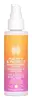
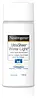
Pacifica Sea & C Mattify & Protect Daily Priming Lotion SPF 35 Versus Neutrogena Ultra Sheer Water-Light Daily Face Sunscreen SPF 60
This hybrid sunscreen covers the full UV range and blocks ~97% of UVB at SPF 35.
This chemical sunscreen covers burning UVB and near UVA but not the deep UVA that drives aging.

What's inside
What's inside
 Key Ingredients
Benefits
Concerns
Ingredients Side-by-side
Octocrylene 7.6%
UV Absorber



Zinc Oxide 6%
Cosmetic Colorant
Water
Skin ConditioningCoconut Alkanes
Emollient

Calcium Sodium Borosilicate
Butyloctyl Salicylate
Skin Conditioning
Propanediol
Solvent

Cetearyl Alcohol
Emollient



Parfum
Masking

Niacinamide
Smoothing









Tetrahexyldecyl Ascorbate
Antioxidant

Jojoba Esters
Emollient
Laminaria Digitata Extract
Skin Protecting
Ascophyllum Nodosum Extract
Skin Conditioning
Tocopherol
Antioxidant
Caprylhydroxamic Acid
ChelatingCaprylyl Glycol
Emollient
Cetyl Alcohol
Emollient
Citric Acid
Buffering
Coco-Caprylate/Caprate
Emollient
Coco-Glucoside
Cleansing
Ethyl Ferulate
Antioxidant
Glycerin
Humectant
Montmorillonite
AbsorbentSclerotium Gum
Emulsion StabilisingSodium Gluconate
ChelatingSodium Stearoyl Glutamate
CleansingSucrose Distearate
Emollient
Sucrose Stearate
EmollientXanthan Gum
EmulsifyingOctocrylene 7.6%, Zinc Oxide 6%, Water, Coconut Alkanes, Calcium Sodium Borosilicate, Butyloctyl Salicylate, Propanediol, Cetearyl Alcohol, Parfum, Niacinamide, Tetrahexyldecyl Ascorbate, Jojoba Esters, Laminaria Digitata Extract, Ascophyllum Nodosum Extract, Tocopherol, Caprylhydroxamic Acid, Caprylyl Glycol, Cetyl Alcohol, Citric Acid, Coco-Caprylate/Caprate, Coco-Glucoside, Ethyl Ferulate, Glycerin, Montmorillonite, Sclerotium Gum, Sodium Gluconate, Sodium Stearoyl Glutamate, Sucrose Distearate, Sucrose Stearate, Xanthan Gum
Homosalate 10%
Skin Conditioning
Octocrylene 7.5%
UV Absorber
Ethylhexyl Salicylate 5%
UV Absorber
Benzophenone-3 5%
UV Absorber
Acrylates/Dimethicone Methacrylate Copolymer 3%
Emollient
Ascorbic Acid
Antioxidant
BHT
Antioxidant
Bisabolol
Antioxidant
Butylene Glycol
Humectant
C12-15 Alkyl Benzoate
AntimicrobialCamellia Oleifera Leaf Extract
AstringentCaprylyl Glycol
Emollient
Cetyl Dimethicone
Emollient
Chlorphenesin
Antimicrobial
Cyclopentasiloxane
Emollient
Diethylhexyl 2,6-Naphthalate
EmollientDisodium EDTA
ChelatingEthylhexylglycerin
Skin ConditioningMannan
Neopentyl Glycol Diheptanoate
EmollientPantothenic Acid
Skin ConditioningParfum
Masking
Pentylene Glycol
Skin Conditioning
Phenoxyethanol
Preservative
Polyester-7
Skin ConditioningPolymethyl Methacrylate
Portulaca Oleracea Extract
Skin Conditioning
Retinyl Palmitate
Skin Conditioning
Silica
Abrasive
Steareth-100
Gel FormingSteareth-2
EmulsifyingStyrene/Acrylates Copolymer
Tocopheryl Acetate
Antioxidant
Water
Skin ConditioningXanthan Gum
EmulsifyingHomosalate 10%, Octocrylene 7.5%, Ethylhexyl Salicylate 5%, Benzophenone-3 5%, Acrylates/Dimethicone Methacrylate Copolymer 3%, Ascorbic Acid, BHT, Bisabolol, Butylene Glycol, C12-15 Alkyl Benzoate, Camellia Oleifera Leaf Extract, Caprylyl Glycol, Cetyl Dimethicone, Chlorphenesin, Cyclopentasiloxane, Diethylhexyl 2,6-Naphthalate, Disodium EDTA, Ethylhexylglycerin, Mannan, Neopentyl Glycol Diheptanoate, Pantothenic Acid, Parfum, Pentylene Glycol, Phenoxyethanol, Polyester-7, Polymethyl Methacrylate, Portulaca Oleracea Extract, Retinyl Palmitate, Silica, Steareth-100, Steareth-2, Styrene/Acrylates Copolymer, Tocopheryl Acetate, Water, Xanthan Gum
Ingredients Explained
These ingredients are found in both products.
Ingredients higher up in an ingredient list are typically present in a larger amount.
Caprylyl Glycol is a humectant, skin conditioner, emollient, and preservative booster derived from either caprylic acid or synthetically created.
Typical use levels vary from 0.3-1% as a preservative booster and go up to 2% to condition skin.
Because it is not a free-fatty acid, this ingredient is fungal acne safe (there's nothing for Malassezia to feed on).
Learn more about Caprylyl GlycolOctocrylene is an oil-soluble organic UV filter that mainly absorbs UVB and short wave UVA II light.
Its real superpower is teamwork: octocrylene is remarkably photostable and is most famous for stabilizing avobenzone (the workhorse UVA filter).
This ingredient is commonly used to enhance both UVB and UVA protection due to its unique property in stabilizing avobenzone. It also pulls double duty by boosting water resistance and giving formulas a smooth, spreadable feel.
The EU's Scientific Committee on Consumer Safety (SCCS) has deemed octocrylene to be safe as a UV-filter at concentrations up to 10% (capped at 9% in propellant sprays). The US also permits it up to 10%.
Two things worth knowing:
You'll usually see this ingredient used in concentrations between 2-10% (higher amounts when used as a stabilizer for avobenzone).
Learn more about OctocryleneParfum is a catch-all term for an ingredient or more that is used to give a scent to products.
Also called "fragrance", this ingredient can be a blend of hundreds of chemicals or plant oils. This means every product with "fragrance" or "parfum" in the ingredients list is a different mixture.
For instance, Habanolide is a proprietary trade name for a specific aroma chemical. When used as a fragrance ingredient in cosmetics, most aroma chemicals fall under the broad labeling category of “FRAGRANCE” or “PARFUM” according to EU and US regulations.
The term 'parfum' or 'fragrance' is not regulated in many countries. In many cases, it is up to the brand to define this term.
For instance, many brands choose to label themselves as "fragrance-free" because they are not using synthetic fragrances. However, their products may still contain ingredients such as essential oils that are considered a fragrance by INCI standards.
One example is Calendula flower extract. Calendula is an essential oil that still imparts a scent or 'fragrance'.
Depending on the blend, the ingredients in the mixture can cause allergies and sensitivities on the skin. Some ingredients that are known EU allergens include linalool and citronellol.
Parfum can also be used to mask or cover an unpleasant scent.
The bottom line is: not all fragrances/parfum/ingredients are created equally. If you are worried about fragrances, we recommend taking a closer look at an ingredient. And of course, we always recommend speaking with a professional.
Learn more about ParfumWater. It's the most common cosmetic ingredient of all. You'll usually see it at the top of ingredient lists, meaning that it makes up the largest part of the product.
So why is it so popular? Water most often acts as a solvent - this means that it helps dissolve other ingredients into the formulation.
You'll also recognize water as that liquid we all need to stay alive. If you see this, drink a glass of water. Remember to stay hydrated!
Learn more about WaterXanthan gum is used as a stabilizer and thickener within cosmetic products. It helps give products a sticky, thick feeling - preventing them from being too runny.
On the technical side of things, xanthan gum is a polysaccharide - a combination consisting of multiple sugar molecules bonded together.
Xanthan gum is a pretty common and great ingredient. It is a natural, non-toxic, non-irritating ingredient that is also commonly used in food products.
Learn more about Xanthan Gum

