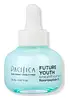
This anti-aging eye moisturizer is formulated around Aloe Barbadensis Leaf Juice and Acetyl Hexapeptide-8 to soften the look of wrinkles and hydrate skin.
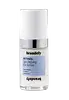
This anti-aging eye moisturizer is formulated around Niacinamide and Caffeine to soften the look of wrinkles and refine skin texture.

What's inside
What's inside
 Key Ingredients
Benefits
Concerns
Ingredients Side-by-side
Water
Skin ConditioningAloe Barbadensis Leaf Juice
Skin Conditioning


Glycerin
Humectant

Caprylic/Capric Triglyceride
Masking
Helianthus Annuus Seed Oil
Emollient


Acetyl Hexapeptide-8
Humectant

Acetic Acid
BufferingGlyceryl Stearate
Emollient
Cetyl Alcohol
Emollient
Leuconostoc/Radish Root Ferment Filtrate
Antimicrobial
Phaseolus Angularis Seed Extract
Antioxidant
Citric Acid
Buffering

Albizia Julibrissin Bark Extract
MaskingDarutoside
Skin ConditioningStearic Acid
Cleansing
Palmitoyl Tripeptide-5
Skin Conditioning
Trifluoroacetyl Tripeptide-2
Skin Conditioning
Acmella Oleracea Extract
Skin ProtectingCaprooyl Tetrapeptide-3
Skin Protecting
Lactobacillus Ferment Lysate
Skin Conditioning
Fragaria Ananassa Seed Oil
Antioxidant
Ectoin
Skin Conditioning
Caffeine
Skin Conditioning
Sh-Polypeptide-50
Skin Conditioning
Potassium Sorbate
Preservative
Xanthan Gum
EmulsifyingTocopherol
Antioxidant

Glyceryl Stearate Citrate
Emollient
Dextran
Leontopodium Alpinum Flower/Leaf Extract
Skin ConditioningSaccharomyces/Xylinum/Black Tea Ferment
Skin Conditioning
Camellia Oleifera Seed Oil
Skin Conditioning
Vanilla Planifolia Fruit Extract
Skin Conditioning
Sodium Hyaluronate
Humectant
Ethylhexylglycerin
Skin ConditioningPassiflora Incarnata Flower Extract
Skin ConditioningPhenoxyethanol
Preservative
Paeonia Albiflora Root Extract
Skin ConditioningOryza Sativa Extract
Absorbent
Saccharomyces/Malus Pumila Fruit Ferment Filtrate
Emollient
Camellia Sinensis Leaf Extract
Antimicrobial

Punica Granatum Extract
AstringentWater, Aloe Barbadensis Leaf Juice, Glycerin, Caprylic/Capric Triglyceride, Helianthus Annuus Seed Oil, Acetyl Hexapeptide-8, Acetic Acid, Glyceryl Stearate, Cetyl Alcohol, Leuconostoc/Radish Root Ferment Filtrate, Phaseolus Angularis Seed Extract, Citric Acid, Albizia Julibrissin Bark Extract, Darutoside, Stearic Acid, Palmitoyl Tripeptide-5, Trifluoroacetyl Tripeptide-2, Acmella Oleracea Extract, Caprooyl Tetrapeptide-3, Lactobacillus Ferment Lysate, Fragaria Ananassa Seed Oil, Ectoin, Caffeine, Sh-Polypeptide-50, Potassium Sorbate, Xanthan Gum, Tocopherol, Glyceryl Stearate Citrate, Dextran, Leontopodium Alpinum Flower/Leaf Extract, Saccharomyces/Xylinum/Black Tea Ferment, Camellia Oleifera Seed Oil, Vanilla Planifolia Fruit Extract, Sodium Hyaluronate, Ethylhexylglycerin, Passiflora Incarnata Flower Extract, Phenoxyethanol, Paeonia Albiflora Root Extract, Oryza Sativa Extract, Saccharomyces/Malus Pumila Fruit Ferment Filtrate, Camellia Sinensis Leaf Extract, Punica Granatum Extract
Water
Skin ConditioningGlycerin
Humectant
Cyclopentasiloxane
Emollient
Butylene Glycol
Humectant
Caprylic/Capric Triglyceride
Masking
Glyceryl Stearate
Emollient
Polyacrylamide
Niacinamide
Smoothing

Sodium PCA
Humectant
Sodium Hyaluronate
Humectant
Hydrolyzed Sodium Hyaluronate
Skin Conditioning
Caffeine
Skin Conditioning
Ceramide Ng
Skin Conditioning
Phospholipids
Skin Conditioning
Camellia Sinensis Polyphenols
Antioxidant
Ascorbic Acid
Antioxidant
Tocopheryl Acetate
Antioxidant
Retinol
Skin Conditioning

Heterotheca Inuloides Flower Extract
MaskingPhytonadione Epoxide
AstringentTetrahexyldecyl Ascorbate
Antioxidant
C13-14 Isoparaffin
Emollient
Phyllanthus Emblica Fruit Extract
HumectantN-Hydroxysuccinimide
Skin ConditioningChrysin
Skin ConditioningSteareth-20
CleansingPalmitoyl Tripeptide-1
Skin Conditioning
Palmitoyl Tetrapeptide-7
Skin Conditioning
Hesperidin Methyl Chalcone
Antioxidant
Dipeptide-2
Skin Conditioning
Albizia Julibrissin Bark Extract
MaskingDarutoside
Skin ConditioningC12-15 Alkyl Benzoate
AntimicrobialTribehenin
Emollient
Polysorbate 20
Emulsifying
Hydrogenated Polyisobutene
EmollientButylated Pvp
PEG-10 Rapeseed Sterol
CleansingPalmitoyl Hexapeptide-12
Skin Conditioning
Palmitoyl Pentapeptide-4
Skin Conditioning
Carbomer
Emulsion StabilisingCetyl Alcohol
Emollient
Behenyl Alcohol
Emollient
Laureth-7
EmulsifyingPEG-100 Stearate
Surfactant
Caprylyl Glycol
Emollient
Phenoxyethanol
Preservative
Sorbic Acid
Preservative
Titanium Dioxide
Cosmetic Colorant

Potassium Hydroxide
BufferingDisodium EDTA
ChelatingWater, Glycerin, Cyclopentasiloxane, Butylene Glycol, Caprylic/Capric Triglyceride, Glyceryl Stearate, Polyacrylamide, Niacinamide, Sodium PCA, Sodium Hyaluronate, Hydrolyzed Sodium Hyaluronate, Caffeine, Ceramide Ng, Phospholipids, Camellia Sinensis Polyphenols, Ascorbic Acid, Tocopheryl Acetate, Retinol, Heterotheca Inuloides Flower Extract, Phytonadione Epoxide, Tetrahexyldecyl Ascorbate, C13-14 Isoparaffin, Phyllanthus Emblica Fruit Extract, N-Hydroxysuccinimide, Chrysin, Steareth-20, Palmitoyl Tripeptide-1, Palmitoyl Tetrapeptide-7, Hesperidin Methyl Chalcone, Dipeptide-2, Albizia Julibrissin Bark Extract, Darutoside, C12-15 Alkyl Benzoate, Tribehenin, Polysorbate 20, Hydrogenated Polyisobutene, Butylated Pvp, PEG-10 Rapeseed Sterol, Palmitoyl Hexapeptide-12, Palmitoyl Pentapeptide-4, Carbomer, Cetyl Alcohol, Behenyl Alcohol, Laureth-7, PEG-100 Stearate, Caprylyl Glycol, Phenoxyethanol, Sorbic Acid, Titanium Dioxide, Potassium Hydroxide, Disodium EDTA
Reviews
Ingredients Explained
These ingredients are found in both products.
Ingredients higher up in an ingredient list are typically present in a larger amount.
We don't have a description for Albizia Julibrissin Bark Extract yet.
Caffeine is a naturally occurring plant compound found in coffee beans, tea leaves, cocoa pods, and guarana.
As an antioxidant, caffeine protects your skin from free radical damage caused by UV exposure and envionrmnetal stressors.
Early research also shows that caffeine can help calm redness, soothe irritated skin, and support hair growth by stimulating microcirculation in the scalp.
You might have seen eye creams marketing caffeine as a depuffing ingredient. This is because it is a vasoconstrictor meaning it can temporarily constrict blood vessels, though clinical evidence for this specific use is still limited.
Most skincare products contain this ingredient at concentrations between 1-6%. It is able to penetrate skin easily regardless of skin type or thickness.
Just so you know, a very small number of case reports describe caffeine-induced allergy. This ingredient is generally well-tolerated, non-irritating, and non-sensitizing for the majority of people.
Learn more about CaffeineCaprylic/Capric Triglyceride (aka MCT Oil) is a lightweight emollient, solvent, and texture enhancer. It is considered a skin-softener by helping to prevent moisture loss.
Though it behaves like an oil, it is not technically one due to its chemical composition. One perk of this ingredient is that it is very stable, resistant to oxidation, and unlikely to go rancid.
In practice, that translates to a long shelf life and a consistently elegant skin feel.
While there is an assumption Caprylic Triglyceride can clog pores due to it being derived from coconut oil, there is no research supporting this. Just patch test if you have concerns.
Fractionated coconut oil and MCT Oil are both listed as Caprylic/Capric Triglyceride according to INCI. This is because INCI names are based on the ingredient’s final chemical composition and not its marketing name or source.
This ingredient is treated as the gold standard fungal acne safe oil. Even though it is coconut derived, the problematic lauric acid is stripped out.
This leaves just caprylic (C8) and capric (C10) acid. These chain lengths actually trend antifungal; a 2020 study found caprylic acid was enough to disrupt Malassezia furfur cell membrane, with a caprylic acid derivative damaging membrane structures at concentrations as low as 0.2%.
Learn more about Caprylic/Capric TriglycerideCetyl Alcohol is a fatty alcohol. Fatty Alcohols are most often used as an emollient or to thicken a product.
Its main roles are:
Though it has "alcohol" in the name, it is not related to denatured alcohol or ethyl alcohol.
The FDA allows products labeled "alcohol-free" to have fatty alcohols.
This ingredient may not be fungal acne safe. It is a primary fatty alcohol with a chain length above 12 carbons. A study from 2019 show Malassezia can feed on fatty alcohols in this range, so it may trigger fungal acne in those prone to it.
Learn more about Cetyl AlcoholWe don't have a description for Darutoside yet.
Glycerin (or glycerol) is a compound naturally found in your skin. It's a powerhouse humectant that pulls water into the stratum corneum.
Topically, glycerin does several things at once:
Your skin makes glycerin on its own (mostly from sebaceous oil breakdown) and shuttles it to your outermost layer of skin, or your epidermis, via aquaporin-3.
Aquaporin-3 is a transporter that is essential for normal skin hydration, elasticity, and repair. Interestingly, mice lacking in AQP3 have dry and less elastic skin that can be fully corrected with glycerin.
This ingredient is non-irritating, plays well with almost every ingredient, and works across all skin types. Typical use is anywhere between 3-10% but can go up to 79% in some leave-on products.
Just know very high concentrations (>40%) can feel tacky in low humidity.
Glycerin is the name for this ingredient in American English. British English uses Glycerol/Glycerine.
Learn more about GlycerinGlyceryl Stearate is made by reacting glycerin with stearic acid (typically sourced from plant oils like palm or coconut). It's an emulsifier, emollient, and mild occlusive.
Emulsifiers help ingredients like oil and water stay mixed so your formula stays nicely blended and uniform in texture.
This ingredient is typically used in concentrations between 1-10%. Studies have found it to be non-sensitizing, non-phototoxic, and non-photoallergenic.
A close cousin of this ingredient is Glyceryl Stearate SE ("self-emulsifying"). This just has a small amount of sodium or potassium stearate added so it can emulsify without a co-emulsifier.
Since this ingredient is an ester of a C18 fatty acid, it may not be fungal acne safe. The Malassezia yeast can potentially metabolize within the C11-C24 range.
Fun fact: The human body also creates Glyceryl Stearate naturally.
Learn more about Glyceryl StearatePhenoxyethanol is one of the most widely used preservatives in skincare (and for good reason!).
It has a large spectrum of antimicrobial activity and especially effective bacteria, yeast, and mold while only having a weak effect on your skin's natural microbiome.
On a cellular level, it disrupts the cell membranes of microbes by poking holes that make the cell leak. This shuts down the chemical reactions the microbe needs to make energy so it can no longer survive.
Another perk of this ingredient is that it stays functional across a wide pH range (3-10).
You'll often see it paired with boosters like Ethylhexylglycerin; one study showed that a 1:9 ratio of Ethylhexylglycerin to Phenoxyethanol damages bacterial membranes as effectively as doubling the Phenoxyethanol concentration on its own.
Typical use concentrations range from 0.3-1% depending on the formula, and this ingredient is capped at 1% int the EU.
Safety-wise, the fear mongering does not hold up to the evidence. The EU's Scientific Committee on Consumer Safety and FDA consider it safe as a preservative at up to 1%, including for children of all ages.
Adverse systemic effects only showed up in animal studies at exposures roughly 200x higher than what people get from cosmetics. And despite its very widespread use, this ingredient is a rare sensitizer and allergic reactions are uncommon.
Learn more about PhenoxyethanolSodium Hyaluronate is the salt form of hyaluronic acid. It is a long sugar chain that is naturally found in your skin, joints, and connective tissue that maintains hydration and elasticity.
In skincare, it works as a humectant. It pulls water from the environment and deeper layers of skin and binds it to the surface.
Interestingly, the size of the molecule affects its behavior:
Some clinical evidence links low molecular weight versions to improved wrinkle depth, elasticity, anti-inflammatory effects, and barrier repair.
Many serums use a blend of both weights so you can get surface hydration plus longer-lasting and deeper effects.
You'll typically see concentrations between 0.1-2% for this ingredient.
Learn more about Sodium HyaluronateWater. It's the most common cosmetic ingredient of all. You'll usually see it at the top of ingredient lists, meaning that it makes up the largest part of the product.
So why is it so popular? Water most often acts as a solvent - this means that it helps dissolve other ingredients into the formulation.
You'll also recognize water as that liquid we all need to stay alive. If you see this, drink a glass of water. Remember to stay hydrated!
Learn more about Water

