Pacifica Future Youth Time Shift Eye Serum Versus Nourish Organic Renewing & Hydrating Eye Treatment
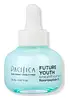
This anti-aging eye moisturizer is formulated around Aloe Barbadensis Leaf Juice and Acetyl Hexapeptide-8 to soften the look of wrinkles and hydrate skin.
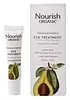
This barrier-repair eye moisturizer is formulated around Aloe Barbadensis Leaf Juice and Argania Spinosa Kernel Oil to strengthen the skin barrier and hydrate skin.

What's inside
What's inside
 Key Ingredients
Benefits
Concerns
Ingredients Side-by-side
Water
Skin ConditioningAloe Barbadensis Leaf Juice
Skin Conditioning


Glycerin
Humectant

Caprylic/Capric Triglyceride
Masking
Helianthus Annuus Seed Oil
Emollient


Acetyl Hexapeptide-8
Humectant

Acetic Acid
BufferingGlyceryl Stearate
Emollient
Cetyl Alcohol
Emollient
Leuconostoc/Radish Root Ferment Filtrate
Antimicrobial
Phaseolus Angularis Seed Extract
Antioxidant
Citric Acid
Buffering

Albizia Julibrissin Bark Extract
MaskingDarutoside
Skin ConditioningStearic Acid
Cleansing
Palmitoyl Tripeptide-5
Skin Conditioning
Trifluoroacetyl Tripeptide-2
Skin Conditioning
Acmella Oleracea Extract
Skin ProtectingCaprooyl Tetrapeptide-3
Skin Protecting
Lactobacillus Ferment Lysate
Skin Conditioning
Fragaria Ananassa Seed Oil
Antioxidant
Ectoin
Skin Conditioning
Caffeine
Skin Conditioning
Sh-Polypeptide-50
Skin Conditioning
Potassium Sorbate
Preservative
Xanthan Gum
EmulsifyingTocopherol
Antioxidant

Glyceryl Stearate Citrate
Emollient
Dextran
Leontopodium Alpinum Flower/Leaf Extract
Skin ConditioningSaccharomyces/Xylinum/Black Tea Ferment
Skin Conditioning
Camellia Oleifera Seed Oil
Skin Conditioning
Vanilla Planifolia Fruit Extract
Skin Conditioning
Sodium Hyaluronate
Humectant
Ethylhexylglycerin
Skin ConditioningPassiflora Incarnata Flower Extract
Skin ConditioningPhenoxyethanol
Preservative
Paeonia Albiflora Root Extract
Skin ConditioningOryza Sativa Extract
Absorbent
Saccharomyces/Malus Pumila Fruit Ferment Filtrate
Emollient
Camellia Sinensis Leaf Extract
Antimicrobial

Punica Granatum Extract
AstringentWater, Aloe Barbadensis Leaf Juice, Glycerin, Caprylic/Capric Triglyceride, Helianthus Annuus Seed Oil, Acetyl Hexapeptide-8, Acetic Acid, Glyceryl Stearate, Cetyl Alcohol, Leuconostoc/Radish Root Ferment Filtrate, Phaseolus Angularis Seed Extract, Citric Acid, Albizia Julibrissin Bark Extract, Darutoside, Stearic Acid, Palmitoyl Tripeptide-5, Trifluoroacetyl Tripeptide-2, Acmella Oleracea Extract, Caprooyl Tetrapeptide-3, Lactobacillus Ferment Lysate, Fragaria Ananassa Seed Oil, Ectoin, Caffeine, Sh-Polypeptide-50, Potassium Sorbate, Xanthan Gum, Tocopherol, Glyceryl Stearate Citrate, Dextran, Leontopodium Alpinum Flower/Leaf Extract, Saccharomyces/Xylinum/Black Tea Ferment, Camellia Oleifera Seed Oil, Vanilla Planifolia Fruit Extract, Sodium Hyaluronate, Ethylhexylglycerin, Passiflora Incarnata Flower Extract, Phenoxyethanol, Paeonia Albiflora Root Extract, Oryza Sativa Extract, Saccharomyces/Malus Pumila Fruit Ferment Filtrate, Camellia Sinensis Leaf Extract, Punica Granatum Extract
Water
Skin ConditioningAloe Barbadensis Leaf Juice
Skin Conditioning
Caprylic/Capric Triglyceride
Masking
Alcohol Denat. Sd Alcohol 38-D
Solvent
Lavandula Angustifolia Oil
Masking



Lavandula Hybrida Oil
Emollient
Cetyl Alcohol
Emollient
Polyglyceryl-6 Distearate
Emulsifying
Helianthus Annuus Seed Oil
Emollient
Glycerin
Humectant
Pentylene Glycol
Skin Conditioning
Stearyl Alcohol
Emollient
Isoamyl Laurate
Emollient
Diheptyl Succinate
EmollientCapryloyl Glycerin/Sebacic Acid Copolymer
Skin ConditioningGlyceryl Caprylate
EmollientGlyceryl Undecylenate
Emollient
Citrus Aurantium Dulcis Peel Oil
Masking
Hamamelis Virginiana Leaf Extract
Skin Conditioning

Argania Spinosa Kernel Oil
Emollient
Persea Gratissima Oil
Skin Conditioning
Theobroma Grandiflorum Seed Butter
Skin Conditioning
Butyrospermum Parkii Butter
Skin Conditioning
Rosa Canina Fruit Oil
Emollient
Rosa Damascena Flower Water
Masking
Xanthan Gum
EmulsifyingAscorbic Acid
Antioxidant
Tocopheryl Acetate
Antioxidant
Betaine
Humectant
Sodium Phytate
ChelatingSodium Stearoyl Glutamate
CleansingWater, Aloe Barbadensis Leaf Juice, Caprylic/Capric Triglyceride, Alcohol Denat. Sd Alcohol 38-D, Lavandula Angustifolia Oil, Lavandula Hybrida Oil, Cetyl Alcohol, Polyglyceryl-6 Distearate, Helianthus Annuus Seed Oil, Glycerin, Pentylene Glycol, Stearyl Alcohol, Isoamyl Laurate, Diheptyl Succinate, Capryloyl Glycerin/Sebacic Acid Copolymer, Glyceryl Caprylate, Glyceryl Undecylenate, Citrus Aurantium Dulcis Peel Oil, Hamamelis Virginiana Leaf Extract, Argania Spinosa Kernel Oil, Persea Gratissima Oil, Theobroma Grandiflorum Seed Butter, Butyrospermum Parkii Butter, Rosa Canina Fruit Oil, Rosa Damascena Flower Water, Xanthan Gum, Ascorbic Acid, Tocopheryl Acetate, Betaine, Sodium Phytate, Sodium Stearoyl Glutamate
Reviews
Ingredients Explained
These ingredients are found in both products.
Ingredients higher up in an ingredient list are typically present in a larger amount.
Aloe Barbadensis Leaf Juice is the filtered, stabilized liquid pressed from the inner gel of the aloe vera leaf.
In cosmetics, it shows up as either soothing active or a water-replacement base. It is roughly 98-99% water and the last 1-2% is an interesting mix of polysaccharides, amino acids, vitamins, minerals, and enzymes.
The polysaccharides do most of the work: they bind water at the skin surface for a light, non-greasy hydration boost. And one of the polysaccharides, glycomannan, is linked to fibroblast stimulation + collagen synthesis. This is also why aloe has such a long track record in wound and burn healing.
This ingredient is also calming with anti-inflammatory and mild antimicrobial activity, making it a great pick for sensitive, irritated, or post-sun skin.
Realistic expectations matter though; the solid evidence is mostly limited to hydration, soothing, and wound support. Deeper claims about anti-aging or sun protection are not well backed, and science reviews note it does not prevent radiation-induced skin injury.
Because it plays well with almost everything, it's commonly used as a base alongside other actives like niacinamide or vitamin C.
Typical usage concentrations range from 0.5% (where hydration benefits already show up) all the way to 90%+ (where it replaces water as the main base).
The safety for this ingredient is well-establish as well. Overall, this is a great supporting ingredient for those who want a boost in hydration.
Learn more about Aloe Barbadensis Leaf JuiceCaprylic/Capric Triglyceride (aka MCT Oil) is a lightweight emollient, solvent, and texture enhancer. It is considered a skin-softener by helping to prevent moisture loss.
Though it behaves like an oil, it is not technically one due to its chemical composition. One perk of this ingredient is that it is very stable, resistant to oxidation, and unlikely to go rancid.
In practice, that translates to a long shelf life and a consistently elegant skin feel.
While there is an assumption Caprylic Triglyceride can clog pores due to it being derived from coconut oil, there is no research supporting this. Just patch test if you have concerns.
Fractionated coconut oil and MCT Oil are both listed as Caprylic/Capric Triglyceride according to INCI. This is because INCI names are based on the ingredient’s final chemical composition and not its marketing name or source.
This ingredient is treated as the gold standard fungal acne safe oil. Even though it is coconut derived, the problematic lauric acid is stripped out.
This leaves just caprylic (C8) and capric (C10) acid. These chain lengths actually trend antifungal; a 2020 study found caprylic acid was enough to disrupt Malassezia furfur cell membrane, with a caprylic acid derivative damaging membrane structures at concentrations as low as 0.2%.
Learn more about Caprylic/Capric TriglycerideCetyl Alcohol is a fatty alcohol. Fatty Alcohols are most often used as an emollient or to thicken a product.
Its main roles are:
Though it has "alcohol" in the name, it is not related to denatured alcohol or ethyl alcohol.
The FDA allows products labeled "alcohol-free" to have fatty alcohols.
This ingredient may not be fungal acne safe. It is a primary fatty alcohol with a chain length above 12 carbons. A study from 2019 show Malassezia can feed on fatty alcohols in this range, so it may trigger fungal acne in those prone to it.
Learn more about Cetyl AlcoholGlycerin (or glycerol) is a compound naturally found in your skin. It's a powerhouse humectant that pulls water into the stratum corneum.
Topically, glycerin does several things at once:
Your skin makes glycerin on its own (mostly from sebaceous oil breakdown) and shuttles it to your outermost layer of skin, or your epidermis, via aquaporin-3.
Aquaporin-3 is a transporter that is essential for normal skin hydration, elasticity, and repair. Interestingly, mice lacking in AQP3 have dry and less elastic skin that can be fully corrected with glycerin.
This ingredient is non-irritating, plays well with almost every ingredient, and works across all skin types. Typical use is anywhere between 3-10% but can go up to 79% in some leave-on products.
Just know very high concentrations (>40%) can feel tacky in low humidity.
Glycerin is the name for this ingredient in American English. British English uses Glycerol/Glycerine.
Learn more about GlycerinHelianthus Annuus Seed Oil is a plant oil derived from the seeds of a sunflower.
It is rich in fatty acids, primarily linoleic acid and oleic acid. This gives it emollient and skin conditioning properties.
The reason this ingredient is so effective is because it forms a thin film on the skin that reduces transepidermal water loss (TEWL) while supplying linoleic acid to the stratum corneum to improve barrier strength.
The high linoleic acid content is particularly noteworthy for acne-prone skin.
Research suggests that acne-prone skin tends to be deficient in linoleic acid in sebum. Topical application may help replenish this to support a healthier follicular environment and less comedone-promoting sebum.
One randomized study found sunflower seed oil preserved skin barrier integrity in adult volunteers with and without atopic dermatitis (outperforming olive oil).
This ingredient is well-studied, gentle, and an effective emollient suitable for most skin types.
On fungal acne: This ingredient may not be Fungal acne (Malassezia folliculitis) safe. This is because it contains fatty acids with carbon chain lengths in the C11-C24 range.
Learn more about Helianthus Annuus Seed OilWater. It's the most common cosmetic ingredient of all. You'll usually see it at the top of ingredient lists, meaning that it makes up the largest part of the product.
So why is it so popular? Water most often acts as a solvent - this means that it helps dissolve other ingredients into the formulation.
You'll also recognize water as that liquid we all need to stay alive. If you see this, drink a glass of water. Remember to stay hydrated!
Learn more about WaterXanthan gum is used as a stabilizer and thickener within cosmetic products. It helps give products a sticky, thick feeling - preventing them from being too runny.
On the technical side of things, xanthan gum is a polysaccharide - a combination consisting of multiple sugar molecules bonded together.
Xanthan gum is a pretty common and great ingredient. It is a natural, non-toxic, non-irritating ingredient that is also commonly used in food products.
Learn more about Xanthan Gum

