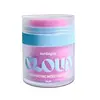
This barrier-repair moisturizer is formulated around Saccharide Isomerate and Sodium Hyaluronate to strengthen the skin barrier and hydrate skin.
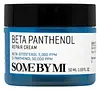
This barrier-repair moisturizer is formulated around Panthenol and Beta-Sitosterol to strengthen the skin barrier and calm redness.


What's inside
What's inside
 Key Ingredients
Benefits
Concerns
Ingredients Side-by-side
Propylene Glycol
Humectant


Carbomer
Emulsion StabilisingPhenoxyethanol
Preservative
Saccharide Isomerate
Humectant

Glycerin
Humectant
Myrothamnus Flabellifolia Leaf/Stem Extract
HumectantCaprylic/Capric Triglyceride
Masking
Triethanolamine
BufferingSodium Hyaluronate
Humectant

Chlorphenesin
Antimicrobial
Cetyl-Pg Hydroxyethyl Palmitamide
Skin ConditioningHydrogenated Lecithin
Emulsifying
Cholesterol
Emollient
Ceramide NP
Skin Conditioning

Palmitoyl Tripeptide-5
Skin Conditioning

CI 42090
Cosmetic ColorantCI 14720
Cosmetic ColorantPropylene Glycol, Carbomer, Phenoxyethanol, Saccharide Isomerate, Glycerin, Myrothamnus Flabellifolia Leaf/Stem Extract, Caprylic/Capric Triglyceride, Triethanolamine, Sodium Hyaluronate, Chlorphenesin, Cetyl-Pg Hydroxyethyl Palmitamide, Hydrogenated Lecithin, Cholesterol, Ceramide NP, Palmitoyl Tripeptide-5, CI 42090, CI 14720
Water
Skin ConditioningPanthenol
Skin Conditioning
Dipropylene Glycol
HumectantPropanediol
Solvent
Methylpropanediol
SolventBetaine
Humectant
Octyldodecanol
Emollient
1,2-Hexanediol
Skin Conditioning
Candida Bombicola/Glucose/Methyl Rapeseedate Ferment
AntimicrobialPalmitic Acid
Emollient

Hydroxyethyl Acrylate/Sodium Acryloyldimethyl Taurate Copolymer
Emulsion StabilisingGlycerin
Humectant
Stearic Acid
Cleansing
Beta-Sitosterol 0.5%
Emulsion Stabilising
Squalane
Emollient
Vinyldimethicone

Ammonium Acryloyldimethyltaurate/Vp Copolymer
Jojoba Esters
Emollient
Glyceryl Stearate
Emollient
Stearyl Alcohol
Emollient
Cetyl Alcohol
Emollient
Polymethylsilsesquioxane
Phytosterols
Skin Conditioning
Helianthus Annuus Seed Wax
Skin Conditioning
Sodium Stearoyl Glutamate
CleansingEthylhexylglycerin
Skin ConditioningHelianthus Annuus Seed Oil
Emollient
Hydroxyethylcellulose
Emulsion StabilisingXanthan Gum
EmulsifyingDipotassium Glycyrrhizate
Humectant
Hydrogenated Lecithin
Emulsifying
Sorbitan Isostearate
Emulsifying
Sorbitan Olivate
Emulsifying
Adenosine
Skin Conditioning
Cetearyl Olivate
Citric Acid
Buffering

Musa Sapientum Fruit Extract
Skin ConditioningRosa Damascena Flower Water
Masking
Sodium Phytate
Pyrus Communis Fruit Extract
Skin ConditioningBiosaccharide Gum-1
Humectant
Prunus Domestica Fruit Extract
MoisturisingCucumis Melo Fruit Extract
Skin ConditioningCarthamus Tinctorius Seed Oil
Masking
Butyrospermum Parkii Butter
Skin Conditioning
Polyglycerin-3
Humectant
Butylene Glycol
Humectant
Hedera Helix Leaf/Stem Extract
AntimicrobialDisodium Phosphate
BufferingSodium Phosphate
BufferingTocopherol
Antioxidant


Lactococcus Ferment Lysate
Skin Conditioning
Bifida Ferment Lysate
Skin Conditioning
Acetyl Hexapeptide-8
Humectant
Lactobacillus Ferment Lysate
Skin Conditioning
Copper Tripeptide-1
Skin Conditioning
Palmitoyl Tripeptide-5
Skin Conditioning
Palmitoyl Tripeptide-1
Skin Conditioning
Palmitoyl Pentapeptide-4
Skin Conditioning
Nonapeptide-1
Skin Conditioning
Carnosine
Skin Conditioning
Acetyl Tetrapeptide-9
Skin Conditioning
Acetyl Tetrapeptide-5
Humectant
Acetyl Tetrapeptide-2
Skin Conditioning
Acetyl Octapeptide-3
Humectant
Acetyl Tetrapeptide-3
Skin Protecting
Water, Panthenol, Dipropylene Glycol, Propanediol, Methylpropanediol, Betaine, Octyldodecanol, 1,2-Hexanediol, Candida Bombicola/Glucose/Methyl Rapeseedate Ferment, Palmitic Acid, Hydroxyethyl Acrylate/Sodium Acryloyldimethyl Taurate Copolymer, Glycerin, Stearic Acid, Beta-Sitosterol 0.5%, Squalane, Vinyldimethicone, Ammonium Acryloyldimethyltaurate/Vp Copolymer, Jojoba Esters, Glyceryl Stearate, Stearyl Alcohol, Cetyl Alcohol, Polymethylsilsesquioxane, Phytosterols, Helianthus Annuus Seed Wax, Sodium Stearoyl Glutamate, Ethylhexylglycerin, Helianthus Annuus Seed Oil, Hydroxyethylcellulose, Xanthan Gum, Dipotassium Glycyrrhizate, Hydrogenated Lecithin, Sorbitan Isostearate, Sorbitan Olivate, Adenosine, Cetearyl Olivate, Citric Acid, Musa Sapientum Fruit Extract, Rosa Damascena Flower Water, Sodium Phytate, Pyrus Communis Fruit Extract, Biosaccharide Gum-1, Prunus Domestica Fruit Extract, Cucumis Melo Fruit Extract, Carthamus Tinctorius Seed Oil, Butyrospermum Parkii Butter, Polyglycerin-3, Butylene Glycol, Hedera Helix Leaf/Stem Extract, Disodium Phosphate, Sodium Phosphate, Tocopherol, Lactococcus Ferment Lysate, Bifida Ferment Lysate, Acetyl Hexapeptide-8, Lactobacillus Ferment Lysate, Copper Tripeptide-1, Palmitoyl Tripeptide-5, Palmitoyl Tripeptide-1, Palmitoyl Pentapeptide-4, Nonapeptide-1, Carnosine, Acetyl Tetrapeptide-9, Acetyl Tetrapeptide-5, Acetyl Tetrapeptide-2, Acetyl Octapeptide-3, Acetyl Tetrapeptide-3
Reviews
Ingredients Explained
These ingredients are found in both products.
Ingredients higher up in an ingredient list are typically present in a larger amount.
Glycerin (or glycerol) is a compound naturally found in your skin. It's a powerhouse humectant that pulls water into the stratum corneum.
Topically, glycerin does several things at once:
Your skin makes glycerin on its own (mostly from sebaceous oil breakdown) and shuttles it to your outermost layer of skin, or your epidermis, via aquaporin-3.
Aquaporin-3 is a transporter that is essential for normal skin hydration, elasticity, and repair. Interestingly, mice lacking in AQP3 have dry and less elastic skin that can be fully corrected with glycerin.
This ingredient is non-irritating, plays well with almost every ingredient, and works across all skin types. Typical use is anywhere between 3-10% but can go up to 79% in some leave-on products.
Just know very high concentrations (>40%) can feel tacky in low humidity.
Glycerin is the name for this ingredient in American English. British English uses Glycerol/Glycerine.
Learn more about GlycerinHydrogenated Lecithin is a more stable version of lecithin.
It's made by taking lecithin (a phospholipid commonly found in soybeans and egg yolks) and hydrogenating it. This just means the unsaturated fatty acids are turned into saturated ones so they don't go bad as easily.
This ingredient is an emollient, emulsifier, and penetration enhancer. As an emollient, it helps soften and hydrate skin by trapping moisture within. As an emulsifier, it prevents oil and water ingredients from separating.
Hydrogenated Lecithin can form tiny spherical structures made of phospholipid bilayers called liposomes. These liposomes are able to capture compounds inside their structure and deliver them through the skin barrier.
Because phospholipids are a natural component of our cell membranes, this ingredient is inherently compatible with skin.
A 2021 study found lecithin-based surfactants were less harsh and more tolerable comared to Sodium Lauryl Sulfate (SLS).
Learn more about Hydrogenated LecithinPalmitoyl Tripeptide-5 is a synthetic signal lipopeptide. This just means it is a three amino acid chain bolted onto a palmitic acid tail so it can slip through the skin's lipid barrier.
This peptide has a "build more, lose less" approach.
It's designed to mimic the collagen-stimulating activity in your skin by copying a snippet of one of your skin's own matrix proteins. This nudges fibroblasts into making more collagen while inhibiting the enzyme that breaks down skin protein.
The manufacturer's in vivo study of 45 volunteers found 1% and 2.5% reduced the appearance of wrinkles by 7% and 12% respectively, after using it twice daily for 84 days.
This is in the expected range for peptides; they're slow and cumulative actives and not overnight fixers.
Typical use levels range from 1-3% and this ingredient gets along with pretty much everything.
On the fungal acne front:
Although palmitic acid sits in the chain length that Malassezia can feed on, this ingredient has it locked in an amine bond. This makes it hard for Malassezia to access as a source of food, and therefore fungal acne safe.


