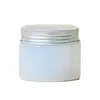
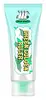
This anti-aging moisturizer is formulated around Butyrospermum Parkii Butter and Squalane to soften the look of wrinkles and strengthen the skin barrier.

What's inside
What's inside
 Key Ingredients
Benefits
Concerns
Ingredients Side-by-side
Water
Skin ConditioningButylene Glycol
Humectant

Butyrospermum Parkii Butter
Skin Conditioning




Caprylic/Capric Triglyceride
Masking
1,2-Hexanediol
Skin Conditioning
Glyceryl Stearate
Emollient
Cetearyl Alcohol
Emollient
Cetearyl Olivate
Arachidyl Alcohol
Emollient
Squalane
Emollient
Clitoria Ternatea Flower Extract
Skin ConditioningSorbitan Olivate
Emulsifying
Behenyl Alcohol
Emollient
Carbomer
Emulsion StabilisingArginine
Masking
Arachidyl Glucoside
EmulsifyingMethylpropanediol
SolventPullulan
Sodium Hyaluronate
Humectant

Hydrolyzed Hyaluronic Acid
Humectant
Hyaluronic Acid
Humectant
Pentylene Glycol
Skin Conditioning
Pimpinella Anisum Fruit Extract
MaskingVanilla Planifolia Fruit Extract
Skin Conditioning
Adenosine
Skin Conditioning
Malus Domestica Fruit Extract
Antioxidant
Polyglutamic Acid
Skin Conditioning
Melia Azadirachta Leaf Extract
Skin ConditioningMelia Azadirachta Flower Extract
Skin ConditioningSodium Phytate
Coccinia Indica Fruit Extract
Skin Conditioning
Cocos Nucifera Oil
Masking

Glucose
Humectant
Rosa Damascena Flower Water
Masking
Musa Sapientum Flower Extract
Skin ConditioningHedera Helix Leaf/Stem Extract
AntimicrobialSolanum Melongena Fruit Extract
Skin ConditioningAloe Barbadensis Flower Extract
EmollientSimmondsia Chinensis Seed Oil
Emollient
Fragaria Chiloensis Fruit Extract
Skin Conditioning
Curcuma Longa Root Extract
Antioxidant
Corallina Officinalis Extract
Skin Conditioning
Ocimum Sanctum Leaf Extract
Skin ConditioningWater, Butylene Glycol, Butyrospermum Parkii Butter, Caprylic/Capric Triglyceride, 1,2-Hexanediol, Glyceryl Stearate, Cetearyl Alcohol, Cetearyl Olivate, Arachidyl Alcohol, Squalane, Clitoria Ternatea Flower Extract, Sorbitan Olivate, Behenyl Alcohol, Carbomer, Arginine, Arachidyl Glucoside, Methylpropanediol, Pullulan, Sodium Hyaluronate, Hydrolyzed Hyaluronic Acid, Hyaluronic Acid, Pentylene Glycol, Pimpinella Anisum Fruit Extract, Vanilla Planifolia Fruit Extract, Adenosine, Malus Domestica Fruit Extract, Polyglutamic Acid, Melia Azadirachta Leaf Extract, Melia Azadirachta Flower Extract, Sodium Phytate, Coccinia Indica Fruit Extract, Cocos Nucifera Oil, Glucose, Rosa Damascena Flower Water, Musa Sapientum Flower Extract, Hedera Helix Leaf/Stem Extract, Solanum Melongena Fruit Extract, Aloe Barbadensis Flower Extract, Simmondsia Chinensis Seed Oil, Fragaria Chiloensis Fruit Extract, Curcuma Longa Root Extract, Corallina Officinalis Extract, Ocimum Sanctum Leaf Extract
Camellia Sinensis Leaf Water
Masking
Glycerin
Humectant
Caprylic/Capric Triglyceride
Masking
Butylene Glycol
Humectant
Hydrogenated Polyisobutene
EmollientDicaprylyl Carbonate
EmollientSucrose Stearate
EmollientWater
Skin Conditioning1,2-Hexanediol
Skin Conditioning
Behenyl Alcohol
Emollient
Glyceryl Stearate
Emollient
Arginine
Masking
Acrylates/C10-30 Alkyl Acrylate Crosspolymer
Emulsion StabilisingLactobacillus/Punica Granatum Fruit Ferment Extract
Antioxidant
Carbomer
Emulsion StabilisingBetaine
Humectant
Cannabis Sativa Seed Oil
Emollient
Panthenol
Skin Conditioning
Pyrus Communis Fruit Extract
Skin ConditioningLactobacillus Ferment Lysate
Skin Conditioning
Adenosine
Skin Conditioning
Cucumis Melo Fruit Extract
Skin ConditioningEthylhexylglycerin
Skin ConditioningPropanediol
Solvent
Pseudoalteromonas Ferment Extract
Humectant
Vetiveria Zizanoides Root Oil
Masking

Hedera Helix Leaf/Stem Extract
AntimicrobialDisodium EDTA
Hydrolyzed Sodium Hyaluronate
Skin Conditioning
Camellia Sinensis Leaf Extract
Antimicrobial


Caprylyl Glycol
Emollient
Sodium Hyaluronate Crosspolymer
Humectant
Hydrolyzed Hyaluronic Acid
Humectant
Sodium Hyaluronate
Humectant
Beta-Glucan
Skin Conditioning
Hyaluronic Acid
Humectant
Camellia Sinensis Leaf Water, Glycerin, Caprylic/Capric Triglyceride, Butylene Glycol, Hydrogenated Polyisobutene, Dicaprylyl Carbonate, Sucrose Stearate, Water, 1,2-Hexanediol, Behenyl Alcohol, Glyceryl Stearate, Arginine, Acrylates/C10-30 Alkyl Acrylate Crosspolymer, Lactobacillus/Punica Granatum Fruit Ferment Extract, Carbomer, Betaine, Cannabis Sativa Seed Oil, Panthenol, Pyrus Communis Fruit Extract, Lactobacillus Ferment Lysate, Adenosine, Cucumis Melo Fruit Extract, Ethylhexylglycerin, Propanediol, Pseudoalteromonas Ferment Extract, Vetiveria Zizanoides Root Oil, Hedera Helix Leaf/Stem Extract, Disodium EDTA, Hydrolyzed Sodium Hyaluronate, Camellia Sinensis Leaf Extract, Caprylyl Glycol, Sodium Hyaluronate Crosspolymer, Hydrolyzed Hyaluronic Acid, Sodium Hyaluronate, Beta-Glucan, Hyaluronic Acid
Reviews
Ingredients Explained
These ingredients are found in both products.
Ingredients higher up in an ingredient list are typically present in a larger amount.
1,2-Hexanediol is a synthetic liquid and another multi-functional powerhouse.
It is a:
- Humectant, drawing moisture into the skin
- Emollient, helping to soften skin
- Solvent, dispersing and stabilizing formulas
- Preservative booster, enhancing the antimicrobial activity of other preservatives
Adenosine is a purine nucleoside that your body already makes in every cell. In skincare, it acts mainly as a skin conditioning and anti-aging agent.
The way it works is fairly well mapped out:
Your skin has cells called fibroblasts that build collagen (the stuff that keeps skin firm and smooth). Adenosine basically flips a switch on these cells that tells them to get to work making more collagen and other proteins. These cells slow down on their own as skin ages, so Adenosine helps give them a little nudge to keep going.
The clinical backing is pretty solid too.
A blind, randomized, placebo-controlled trial of 126 women aged 45-65 tested a 0.1% cream twice daily and found real improvements in crow's feet and frown lines using a precise 3D skin-mapping technique; these changes showed up by week 3 and held at 2 months.
A later study using Adenosine-loaded dissolving microneedle patches reported gains in wrinkle depth, dermal density, elasticity, and hydration.
On concentrations, South Korea's Ministry of Food and Drug Safety has set 0.04% as the approved functional anti-wrinkle level. You'll typically see this ingredient used somewhere in the 0.04-0.1% range since it works at low doses.
This ingredient has been found safe for cosmetics with the data showing no irritation or sensitization.
Overall, this is a great ingredient for any anti-aging routine and has no photosensitizing effect, so it suits both AM and PM use.
Learn more about AdenosineArginine is a semi-essential amino acid. This just means our bodies can product a bit on its own, but sometimes needs a little boost from food sources.
It is a part of your skin's natural moisturizing factor (NMF), or the water-loving molecules in your outermost layer of skin (stratum corneum) that keeps everything hydrated and happy.
Here's an interesting thing about Arginine: your skin converts it into urea through the Krebs-Henseleit urea cycle. Urea is one of the most effective humectants your skin naturally produces.
A clinical study showed applying 2.5% arginine hydrochloride to atopic dermatitis skin showed significant urea levels in the stratum corneum and improved moisture in just four weeks.
Arginine is also a precursor to nitric oxide; nitric oxide improves microcirculation and supports wound healing and collagen synthesis.
One study found that an amino acid complex containing Arginine reduced skin irritation, improved hydration, and accelerated skin repair in clinical / in-vivo studies.
Arginine itself is an amino acid and not a fatty acid, oil, or ester. On its own, it's not a direct food source for Malassezia, or the yeast that causes fungal acne.
Learn more about ArginineBehenyl Alcohol is a type of fatty alcohol (these are different from the drying, solvent alcohols).
Fatty Alcohols have hydrating properties and are most often used as an emollient or to thicken a product. They are usually derived from natural fats and oils; behenyl alcohol is derived from the fats of vegetable oils.
Emollients help keep your skin soft and hydrated by creating a film that traps moisture in.
In 2000, Behenyl Alcohol was approved by the US as medicine to reduce the duration of cold sores.
Learn more about Behenyl AlcoholButylene Glycol (or BG) is used within cosmetic products for a few different reasons:
Overall, Butylene Glycol is a safe and well-rounded ingredient that works well with other ingredients.
Though this ingredient works well with most skin types, some people with sensitive skin may experience a reaction such as allergic rashes, closed comedones, or itchiness.
Learn more about Butylene GlycolCaprylic/Capric Triglyceride (aka MCT Oil) is a lightweight emollient, solvent, and texture enhancer. It is considered a skin-softener by helping to prevent moisture loss.
Though it behaves like an oil, it is not technically one due to its chemical composition. One perk of this ingredient is that it is very stable, resistant to oxidation, and unlikely to go rancid.
In practice, that translates to a long shelf life and a consistently elegant skin feel.
While there is an assumption Caprylic Triglyceride can clog pores due to it being derived from coconut oil, there is no research supporting this. Just patch test if you have concerns.
Fractionated coconut oil and MCT Oil are both listed as Caprylic/Capric Triglyceride according to INCI. This is because INCI names are based on the ingredient’s final chemical composition and not its marketing name or source.
This ingredient is treated as the gold standard fungal acne safe oil. Even though it is coconut derived, the problematic lauric acid is stripped out.
This leaves just caprylic (C8) and capric (C10) acid. These chain lengths actually trend antifungal; a 2020 study found caprylic acid was enough to disrupt Malassezia furfur cell membrane, with a caprylic acid derivative damaging membrane structures at concentrations as low as 0.2%.
Learn more about Caprylic/Capric TriglycerideCarbomer is a synthetic thickening and gelling agent. It's basically the ingredient that gives a lot of serums, gels, creams, and sunscreens their smooth, non-sticky texture.
Although legally permitted at very high levels, carbomers are normally used at concentrations below 1%.
It also needs to be neutralized to actually thicken, and because it is a large molecule, it doesn't really penetrate the skin barrier.
Allergy-wise, the risk is very low. Clinical studies show carbomers have low potential for skin irritation/sensitization even at concentrations up to 100%.
A 2024 UK study patch-tested 1,302 patients and found true allergy to the parent group of carbomer to be rare with no confirmed relevant reactions.
Learn more about CarbomerGlyceryl Stearate is made by reacting glycerin with stearic acid (typically sourced from plant oils like palm or coconut). It's an emulsifier, emollient, and mild occlusive.
Emulsifiers help ingredients like oil and water stay mixed so your formula stays nicely blended and uniform in texture.
This ingredient is typically used in concentrations between 1-10%. Studies have found it to be non-sensitizing, non-phototoxic, and non-photoallergenic.
A close cousin of this ingredient is Glyceryl Stearate SE ("self-emulsifying"). This just has a small amount of sodium or potassium stearate added so it can emulsify without a co-emulsifier.
Since this ingredient is an ester of a C18 fatty acid, it may not be fungal acne safe. The Malassezia yeast can potentially metabolize within the C11-C24 range.
Fun fact: The human body also creates Glyceryl Stearate naturally.
Learn more about Glyceryl StearateThis ingredient comes from the English Ivy, a climbing evergreen plant. The extract is rich in compounds that give it antioxidant, skin conditioning, and anti-inflammatory properties.
Two of the compounds, Alpha-Hederin and Hederasaponin-C, showed strong inhibition of shown to be effective at protecting against oxidative damage as well as synthetic antioxidants like butylated hydroxyanisole and BHT.
Hyaluronic acid (HA) is a glycosaminoglycan (basically a long sugar chain) that your skin already makes on its own. In your skin, HA lives in the extracellular matrix and acts as the body's moisture reservoir.
Topically, HA is a humectant that binds water and helps skin look more plump, smooth, and hydrated.
The only catch is that HA isn't a single thing; it actually comes in a wide range of molecular weights (~50 - 2,000+ kDA) and size matters.
Some clinical evidence links low molecular weight versions to improved wrinkle depth, elasticity, anti-inflammatory effects, and barrier repair.
This is why the best HA serums blend the two sizes together so you get the best of both worlds.
The majority of cosmetic HA is produced by bacterial fermentation, typically using Streptococcus or Bacillus strains. Typical use levels in skincare sit around 0.1-2%.
A clinical study using a 0.2% low-molecular weight HA gel showed improvement in facial seborrheic dermatitis with excellent tolerance.
These are some other common types of Hyaluronic Acid:
Learn more about Hyaluronic AcidHydrolyzed Hyaluronic Acid is hyaluronic acid (HA) that is broken down into lower molecular weight fragments.
It's a humectant that pulls and holds water in the skin to help with hydration, plumpness, and reduce transepidermal water loss.
Because hydrolyzed hyaluronic acid is smaller in size, it can slip past your outermost layer of skin more easily than full-sized HA.
Most formulations will combine all sizes to get the best of both worlds.
Typical usage levels range from 0.01-1%. Any percentage higher than 2% might become goopy and tacky.
Learn more about Hydrolyzed Hyaluronic AcidSodium Hyaluronate is the salt form of hyaluronic acid. It is a long sugar chain that is naturally found in your skin, joints, and connective tissue that maintains hydration and elasticity.
In skincare, it works as a humectant. It pulls water from the environment and deeper layers of skin and binds it to the surface.
Interestingly, the size of the molecule affects its behavior:
Some clinical evidence links low molecular weight versions to improved wrinkle depth, elasticity, anti-inflammatory effects, and barrier repair.
Many serums use a blend of both weights so you can get surface hydration plus longer-lasting and deeper effects.
You'll typically see concentrations between 0.1-2% for this ingredient.
Learn more about Sodium HyaluronateWater. It's the most common cosmetic ingredient of all. You'll usually see it at the top of ingredient lists, meaning that it makes up the largest part of the product.
So why is it so popular? Water most often acts as a solvent - this means that it helps dissolve other ingredients into the formulation.
You'll also recognize water as that liquid we all need to stay alive. If you see this, drink a glass of water. Remember to stay hydrated!
Learn more about Water

