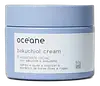
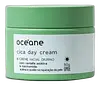
Oceane Hidratante Facial Com Fito-Retinol E Esqualano - Bakuchiol Cream Versus Oceane Cica Day Cream
This anti-aging moisturizer is formulated around Squalane and Bakuchiol to soften the look of wrinkles and hydrate skin.
This calming day moisturizer is formulated around Niacinamide and Centella Asiatica Extract to calm redness and strengthen the skin barrier.

What's inside
What's inside
 Key Ingredients
Benefits
Concerns
Ingredients Side-by-side
Water
Skin ConditioningSqualane
Emollient


Glycerin
Humectant
Propanediol
Solvent
1,2-Hexanediol
Skin Conditioning
PEG-5 Pentaerythrityl Ether
EmollientPolypentaerythrityl C5-10 Acid Esters
Bakuchiol
Antimicrobial







Dicaprylyl Carbonate
EmollientGlyceryl Polyacrylate
Hydroxyethyl Acrylate/Sodium Acryloyldimethyl Taurate Copolymer
Emulsion StabilisingSorbitan Isostearate
Emulsifying

Polysorbate 60
Emulsifying
Tocopheryl Acetate
Antioxidant
Ethylhexylglycerin
Skin ConditioningCarbon
Sodium Hydroxide
BufferingPolysorbate 20
Emulsifying
Glyceryl Stearate
Emollient
PEG-100 Stearate
Surfactant
Parfum
Masking



Linalool
Perfuming
Limonene
Perfuming
Water, Squalane, Glycerin, Propanediol, 1,2-Hexanediol, PEG-5 Pentaerythrityl Ether, Polypentaerythrityl C5-10 Acid Esters, Bakuchiol, Dicaprylyl Carbonate, Glyceryl Polyacrylate, Hydroxyethyl Acrylate/Sodium Acryloyldimethyl Taurate Copolymer, Sorbitan Isostearate, Polysorbate 60, Tocopheryl Acetate, Ethylhexylglycerin, Carbon, Sodium Hydroxide, Polysorbate 20, Glyceryl Stearate, PEG-100 Stearate, Parfum, Linalool, Limonene
Glycerin
Humectant
Phenyl Trimethicone
Skin Conditioning
Caprylic/Capric Triglyceride
Masking
Butylene Glycol
Humectant
Neopentyl Glycol Diheptanoate
EmollientOlea Europaea Fruit Oil
Masking

Niacinamide
Smoothing


Betaine
Humectant
Arachidyl Alcohol
Emollient
Diisostearyl Malate
EmollientCentella Asiatica Extract
Cleansing
Hydrogenated Phosphatidylcholine
Emulsifying
Asiaticoside
Antioxidant
Madecassic Acid
Skin Conditioning
Asiatic Acid
Skin Conditioning
Sucrose Stearate
EmollientMadecassoside
Antioxidant
Cholesterol
Emollient
Ceramide NP
Skin Conditioning
Dipropylene Glycol
HumectantGlycol Stearate Se
Emulsifying
Cetearyl Alcohol
Emollient
Stearic Acid
Cleansing
Hydrogenated Lecithin
Emulsifying
Behenyl Alcohol
Emollient
Arachidyl Glucoside
EmulsifyingDimethicone/Vinyl Dimethicone Crosspolymer
Skin Conditioning
Polyacrylate-13
Polyisobutene
Polysorbate 20
Emulsifying
Sorbitan Isostearate
Emulsifying
Glyceryl Stearate
Emollient
PEG-100 Stearate
Surfactant
Panthenol
Skin Conditioning
Glycosyl Trehalose
Emulsion StabilisingHydrogenated Starch Hydrolysate
HumectantXanthan Gum
EmulsifyingAllantoin
Skin Conditioning
Adenosine
Skin Conditioning
Disodium EDTA
Chelating1,2-Hexanediol
Skin Conditioning
Hydroxyacetophenone
Antioxidant
Parfum
Masking
Alpha-Isomethyl Ionone
Perfuming
Citronellol
Perfuming
Hydroxycitronellal
Perfuming
Linalool
Perfuming
Glycerin, Phenyl Trimethicone, Caprylic/Capric Triglyceride, Butylene Glycol, Neopentyl Glycol Diheptanoate, Olea Europaea Fruit Oil, Niacinamide, Betaine, Arachidyl Alcohol, Diisostearyl Malate, Centella Asiatica Extract, Hydrogenated Phosphatidylcholine, Asiaticoside, Madecassic Acid, Asiatic Acid, Sucrose Stearate, Madecassoside, Cholesterol, Ceramide NP, Dipropylene Glycol, Glycol Stearate Se, Cetearyl Alcohol, Stearic Acid, Hydrogenated Lecithin, Behenyl Alcohol, Arachidyl Glucoside, Dimethicone/Vinyl Dimethicone Crosspolymer, Polyacrylate-13, Polyisobutene, Polysorbate 20, Sorbitan Isostearate, Glyceryl Stearate, PEG-100 Stearate, Panthenol, Glycosyl Trehalose, Hydrogenated Starch Hydrolysate, Xanthan Gum, Allantoin, Adenosine, Disodium EDTA, 1,2-Hexanediol, Hydroxyacetophenone, Parfum, Alpha-Isomethyl Ionone, Citronellol, Hydroxycitronellal, Linalool
Ingredients Explained
These ingredients are found in both products.
Ingredients higher up in an ingredient list are typically present in a larger amount.
1,2-Hexanediol is a synthetic liquid and another multi-functional powerhouse.
It is a:
- Humectant, drawing moisture into the skin
- Emollient, helping to soften skin
- Solvent, dispersing and stabilizing formulas
- Preservative booster, enhancing the antimicrobial activity of other preservatives
Glycerin (or glycerol) is a compound naturally found in your skin. It's a powerhouse humectant that pulls water into the stratum corneum.
Topically, glycerin does several things at once:
Your skin makes glycerin on its own (mostly from sebaceous oil breakdown) and shuttles it to your outermost layer of skin, or your epidermis, via aquaporin-3.
Aquaporin-3 is a transporter that is essential for normal skin hydration, elasticity, and repair. Interestingly, mice lacking in AQP3 have dry and less elastic skin that can be fully corrected with glycerin.
This ingredient is non-irritating, plays well with almost every ingredient, and works across all skin types. Typical use is anywhere between 3-10% but can go up to 79% in some leave-on products.
Just know very high concentrations (>40%) can feel tacky in low humidity.
Glycerin is the name for this ingredient in American English. British English uses Glycerol/Glycerine.
Learn more about GlycerinGlyceryl Stearate is made by reacting glycerin with stearic acid (typically sourced from plant oils like palm or coconut). It's an emulsifier, emollient, and mild occlusive.
Emulsifiers help ingredients like oil and water stay mixed so your formula stays nicely blended and uniform in texture.
This ingredient is typically used in concentrations between 1-10%. Studies have found it to be non-sensitizing, non-phototoxic, and non-photoallergenic.
A close cousin of this ingredient is Glyceryl Stearate SE ("self-emulsifying"). This just has a small amount of sodium or potassium stearate added so it can emulsify without a co-emulsifier.
Since this ingredient is an ester of a C18 fatty acid, it may not be fungal acne safe. The Malassezia yeast can potentially metabolize within the C11-C24 range.
Fun fact: The human body also creates Glyceryl Stearate naturally.
Learn more about Glyceryl StearateLinalool is a small, naturally occurring scent molecule found in plants like lavender, coriander, bergamot, and more.
It is one of the two most-used fragrance ingredients in cosmetics and added purely for smell. Since it's not used for a skin benefit, there's no "effective dose". Concentration depends on the fragrance load of the product.
The EU requires it to be named on the label above 0.001% in leave-on and 0.01% in rinse-off products.
Fresh linalool is a weak sensitizer but air exposure turns some of it into hydroperoxides, which are strong sensitizers. Those oxidation products are the actual allergy concern.
Patch-test clinics see positive reactions to linalool hydroperoxides in about 4% to 12% of dermatitis patients depending on country and test concentration.
Resassuringly, one analytical study found hydroperoxide levels in real fragranced products to be orders of magnitude below what induced sensitization in animal studies with no evidence of oxidation building up during normal storage.
The practical takeaway is that linalool is fine for most people but worth avoiding if you have a confirmed fragrance contact allergy or a badly compromised barrier.
Products stored a long time after opening are also the high-risk scenario since that is when oxidation happens.
The scent of linalool is described as floral, spicy tropical, and citrus-like.
Learn more about LinaloolParfum is a catch-all term for an ingredient or more that is used to give a scent to products.
Also called "fragrance", this ingredient can be a blend of hundreds of chemicals or plant oils. This means every product with "fragrance" or "parfum" in the ingredients list is a different mixture.
For instance, Habanolide is a proprietary trade name for a specific aroma chemical. When used as a fragrance ingredient in cosmetics, most aroma chemicals fall under the broad labeling category of “FRAGRANCE” or “PARFUM” according to EU and US regulations.
The term 'parfum' or 'fragrance' is not regulated in many countries. In many cases, it is up to the brand to define this term.
For instance, many brands choose to label themselves as "fragrance-free" because they are not using synthetic fragrances. However, their products may still contain ingredients such as essential oils that are considered a fragrance by INCI standards.
One example is Calendula flower extract. Calendula is an essential oil that still imparts a scent or 'fragrance'.
Depending on the blend, the ingredients in the mixture can cause allergies and sensitivities on the skin. Some ingredients that are known EU allergens include linalool and citronellol.
Parfum can also be used to mask or cover an unpleasant scent.
The bottom line is: not all fragrances/parfum/ingredients are created equally. If you are worried about fragrances, we recommend taking a closer look at an ingredient. And of course, we always recommend speaking with a professional.
Learn more about ParfumPeg-100 Stearate is an emollient and emulsifier. As an emollient, it helps keep skin soft by trapping moisture in. On the other hand, emulsifiers help prevent oil and water from separating in a product.
PEGS are a hydrophilic polyether compound . There are 100 ethylene oxide monomers in Peg-100 Stearate. Peg-100 Stearate is polyethylene glycol ester of stearic acid.
Polysorbate 20 is a gentle, water-soluble emulsifier and mild surfactant. It stops oil and water from separating to keep your formulas blended and stable.
It also acts as a mild penetration enhancer by helping active ingredients absorb slightly better.
The common safety discussion around this ingredient involves a manufacturing byproduct called 1,4-dioxane.
Trace amounts can form during production but the EU's Scientific Committee on Consumer Safety has concluded that levels at/below 10 ppm in finished products are safe (commercial products consistently fall within acceptable margins).
True allergic reactions are uncommon and the CIR Expert Panel has confirmed this ingredient to be safe as used in cosmetics.
Because it is derived from lauric acid, it may not be fungal acne safe.
Learn more about Polysorbate 20Sorbitan Isostearate is an emulsifer. It is created from isostearic acid and sorbitol.
As an emulsifier, it keeps the water and oil ingredients from separating. This keeps formulas stable and smooth.
In a 24 hour occlusive patch test on 56 subjects, 10% sorbitan isostearate was completely non-irritating. Most formulas use less than 10%.
Because it's a fatty acid ester, it may not be fungal acne safe since the Malassezia yeast can utilize it as a nutrient source.
Learn more about Sorbitan Isostearate

