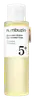
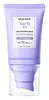
Numbuzin No.5 Glutathione Vitamin Concentrated Toner Versus Skintific Matte Fit Serum Sunscreen SPF 50+
This brightening toner is formulated around Niacinamide and 3-O-Ethyl Ascorbic Acid to fade the look of dark spots and brighten dull-looking skin.
This chemical sunscreen covers the full UV range and blocks ~98% of UVB at SPF 50.


What's inside
What's inside
 Key Ingredients
Benefits
Concerns
No concerns
Ingredients Side-by-side
Water
Skin ConditioningDipropylene Glycol
HumectantGlycerin
Humectant


Niacinamide
Smoothing









1,2-Hexanediol
Skin Conditioning
Butylene Glycol
Humectant
Polyglycerin-3
Humectant
Hippophae Rhamnoides Water
Masking
Acrylates/C10-30 Alkyl Acrylate Crosspolymer
Emulsion StabilisingTromethamine
BufferingErythritol
Humectant
Pentylene Glycol
Skin Conditioning
Ethylhexylglycerin
Skin Conditioning3-O-Ethyl Ascorbic Acid
Skin Conditioning
Polyglyceryl-4 Caprate
EmulsifyingAdenosine
Skin Conditioning
Hydrogenated Lecithin
Emulsifying
Glutathione
Disodium EDTA
ChelatingMadecassoside
Antioxidant
Coptis Japonica Root Extract
Skin ConditioningDecyl Glucoside
Cleansing
Caprylyl Glycol
Emollient
Ceramide NP
Skin Conditioning
Bisabolol
Antioxidant
Tocopherol
Antioxidant
Panthenol
Skin Conditioning
Ascorbic Acid
Antioxidant
Arbutin
Antioxidant
Palmitoyl Tetrapeptide-7
Skin Conditioning
Palmitoyl Pentapeptide-4
Skin Conditioning
Hexapeptide-9
Skin Conditioning
Palmitoyl Tripeptide-1
Skin Conditioning
Acetyl Hexapeptide-8
Humectant
Nonapeptide-1
Skin Conditioning
Water, Dipropylene Glycol, Glycerin, Niacinamide, 1,2-Hexanediol, Butylene Glycol, Polyglycerin-3, Hippophae Rhamnoides Water, Acrylates/C10-30 Alkyl Acrylate Crosspolymer, Tromethamine, Erythritol, Pentylene Glycol, Ethylhexylglycerin, 3-O-Ethyl Ascorbic Acid, Polyglyceryl-4 Caprate, Adenosine, Hydrogenated Lecithin, Glutathione, Disodium EDTA, Madecassoside, Coptis Japonica Root Extract, Decyl Glucoside, Caprylyl Glycol, Ceramide NP, Bisabolol, Tocopherol, Panthenol, Ascorbic Acid, Arbutin, Palmitoyl Tetrapeptide-7, Palmitoyl Pentapeptide-4, Hexapeptide-9, Palmitoyl Tripeptide-1, Acetyl Hexapeptide-8, Nonapeptide-1
Water
Skin ConditioningEthylhexyl Methoxycinnamate
UV Absorber


Diethylamino Hydroxybenzoyl Hexyl Benzoate
UV Filter
Butylene Glycol
Humectant
Methyl Methacrylate Crosspolymer
Ethylhexyl Triazone
UV Absorber
Bis-Ethylhexyloxyphenol Methoxyphenyl Triazine
UV Absorber
Glycereth-26
Humectant
Ethylhexyl Palmitate
Emollient




Isononyl Isononanoate
EmollientDimethicone
Emollient
Fomes Officinalis Extract
Skin ProtectingCetyl Alcohol
Emollient
Glyceryl Stearate
Emollient
1,2-Hexanediol
Skin Conditioning
Sorbitan Oleate
Emulsifying
Silica
Abrasive
Hydroxyacetophenone
Antioxidant
Sodium Polyacrylate
Absorbent
PEG-75 Stearate
Surfactant
Acrylates/C10-30 Alkyl Acrylate Crosspolymer
Emulsion StabilisingPotassium Cetyl Phosphate
EmulsifyingTocopheryl Acetate
Antioxidant
Ceteth-20
CleansingSteareth-20
CleansingEctoin
Skin Conditioning
Avena Sativa Kernel Extract
Abrasive
Zinc PCA
Humectant
Sodium Hydroxide
BufferingXanthan Gum
EmulsifyingGentiana Scabra Root Extract
Skin ConditioningPhenoxyethanol
Preservative
Disodium EDTA
ChelatingTocopherol
Antioxidant
PEG-40 Hydrogenated Castor Oil
Emulsifying
BHT
Antioxidant
Pentylene Glycol
Skin Conditioning
Water, Ethylhexyl Methoxycinnamate, Diethylamino Hydroxybenzoyl Hexyl Benzoate, Butylene Glycol, Methyl Methacrylate Crosspolymer, Ethylhexyl Triazone, Bis-Ethylhexyloxyphenol Methoxyphenyl Triazine, Glycereth-26, Ethylhexyl Palmitate, Isononyl Isononanoate, Dimethicone, Fomes Officinalis Extract, Cetyl Alcohol, Glyceryl Stearate, 1,2-Hexanediol, Sorbitan Oleate, Silica, Hydroxyacetophenone, Sodium Polyacrylate, PEG-75 Stearate, Acrylates/C10-30 Alkyl Acrylate Crosspolymer, Potassium Cetyl Phosphate, Tocopheryl Acetate, Ceteth-20, Steareth-20, Ectoin, Avena Sativa Kernel Extract, Zinc PCA, Sodium Hydroxide, Xanthan Gum, Gentiana Scabra Root Extract, Phenoxyethanol, Disodium EDTA, Tocopherol, PEG-40 Hydrogenated Castor Oil, BHT, Pentylene Glycol
Reviews
Ingredients Explained
These ingredients are found in both products.
Ingredients higher up in an ingredient list are typically present in a larger amount.
1,2-Hexanediol is a synthetic liquid and another multi-functional powerhouse.
It is a:
- Humectant, drawing moisture into the skin
- Emollient, helping to soften skin
- Solvent, dispersing and stabilizing formulas
- Preservative booster, enhancing the antimicrobial activity of other preservatives
Acrylates/C10-30 Alkyl Acrylate Crosspolymer is a synthetic polymer. It is used to thicken, emulsify, and improve the texture of products.
As an emulsifier, it helps stabilize oil-in-water emulsions to give products an elegant feel when applied.
It can also form a thin protective film on skin. One study found that a formula using this polymer helped slow down how quickly other ingredients (like DEET) were absorbed through skin.
A 2024 study of over 1,300 patients confirmed that sensitization to this ingredient is rare. It is also non-mutagenic and has a clean track record.
Learn more about Acrylates/C10-30 Alkyl Acrylate CrosspolymerButylene Glycol (or BG) is used within cosmetic products for a few different reasons:
Overall, Butylene Glycol is a safe and well-rounded ingredient that works well with other ingredients.
Though this ingredient works well with most skin types, some people with sensitive skin may experience a reaction such as allergic rashes, closed comedones, or itchiness.
Learn more about Butylene GlycolDisodium EDTA is a chelating agent. It grabs onto and deactivates metal ions that sneak into your products from water, packaging, or air.
This ingredient mainly works behind the scenes and helps with:
On top of that, this ingredient can counteract the effects of hard water by binding to the minerals in it.
One thing worth knowing is that Disodium EDTA has been shown to be a mild penetration enhancer. It can help other ingredients absorb into skin more effectively which can be a double-edged sword (great for actives, but can also make the active too strong if you have sensitive skin).
Clinical patch testing showed no significant skin irritation at typical use concentrations and minimal dermal absorption.
You'll most likely see this ingredient near the end of an ingredient list. It's typically found in concentrations less than 1%.
Learn more about Disodium EDTAPentylene Glycol (1,2-pentanediol) is a multitasking little diol with three main roles in a formula:
Research on alkanediols (the family pentylene glycol belongs to) show they work by disrupting microbial cell membranes. This disruption helps the primary preservative system in a product work more effectively at lower doses.
On the safety side, the Cosmetic Ingredient Review Expert Panel has concluded this ingredient to be safe as used in current cosmetic practices + concentrations.
Typical use levels in a formula run about 1-5%.
Learn more about Pentylene GlycolTocopherol is a fat-soluble antioxidant known as Vitamin E.
You'll find this ingredient in the vast majority of skincare (for good reason). It works to neutralize free radicals, or unstable molecules generated by UV exposure, pollution, and other environmental stressors, before they can cause oxidative damage to your skin cells.
Topically applied tocopherol has been shown to protect against UV damage by ramping up the skin's own natural defense enzymes.
It also acts as a skin conditioning agent; some studies show that regular topical use can improve the skin's water-binding capacity over 2-4 weeks.
This ingredient is especially loved for being a team player. When combined with Vitamin C, the photoprotective effect of both ingredients roughly doubles and the combo also helps reduce UV-induced DNA damage.
This ingredient has some brightening potential but it's more of a prevention ingredient than spot-fader. Cell studies show it can slow down melanin production but it's worth noting that it's not the most powerful brightener out there.
In formulations, it also serves as a stabilizer that helps protect other oxidation-prone ingredients from degrading.
Concentrations usually range from 0.1-1% in most leave-on products.
Learn more about TocopherolWater. It's the most common cosmetic ingredient of all. You'll usually see it at the top of ingredient lists, meaning that it makes up the largest part of the product.
So why is it so popular? Water most often acts as a solvent - this means that it helps dissolve other ingredients into the formulation.
You'll also recognize water as that liquid we all need to stay alive. If you see this, drink a glass of water. Remember to stay hydrated!
Learn more about Water

