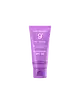
This chemical sunscreen covers most of the UV range, lighter on the deep UVA that drives aging.
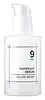
This anti-aging serum is formulated around Niacinamide and Palmitoyl Tripeptide-5 to soften the look of wrinkles.

What's inside
What's inside
 Key Ingredients
Benefits
Concerns
Ingredients Side-by-side
Water
Skin ConditioningButyloctyl Salicylate
Skin Conditioning

Glycerin
Humectant


Dimethicone
Emollient
Poly C10-30 Alkyl Acrylate
Emulsion StabilisingVp/Eicosene Copolymer
Niacinamide
Smoothing









Cetearyl Alcohol
Emollient






Sodium Stearoyl Glutamate
CleansingAmmonium Polyacryloyldimethyl Taurate
Emulsion StabilisingPhenoxyethanol
Preservative
Hydroxyacetophenone
Antioxidant
Tocopheryl Acetate
Antioxidant
Panthenol
Skin Conditioning
Xanthan Gum
EmulsifyingAllantoin
Skin Conditioning
Hydrolyzed Collagen
Emollient
Glycyrrhiza Glabra Root Extract
Bleaching
Butylene Glycol
Humectant
Propanediol
Solvent
1,2-Hexanediol
Skin Conditioning
Houttuynia Cordata Extract
Skin Conditioning
Sodium Hyaluronate
Humectant
Acetyl Tyrosine
Skin ConditioningBetula Alba Juice
AstringentCentella Asiatica Extract
Cleansing
Resveratrol
Antioxidant
Proline
Skin Conditioning
Adenosine Triphosphate
Skin ConditioningHydrolyzed Vegetable Protein
Skin ConditioningNicotinamide Adenine Dinucleotide
Skin ConditioningEthylhexylglycerin
Skin ConditioningEucalyptus Globulus Leaf Extract
Perfuming
Polyglutamic Acid
Skin Conditioning
Hyaluronic Acid
Humectant
Hydrolyzed Hyaluronic Acid
Humectant
Hydrolyzed Sodium Hyaluronate
Skin Conditioning
Hydroxypropyltrimonium Hyaluronate
Potassium Hyaluronate
Skin ConditioningSodium Hyaluronate Crosspolymer
Humectant
Pentylene Glycol
Skin Conditioning
Sodium Acetylated Hyaluronate
Humectant
Acetyl Hexapeptide-8
Humectant
Acetyl Octapeptide-3
Humectant
Copper Tripeptide-1
Skin Conditioning
Palmitoyl Pentapeptide-4
Skin Conditioning
Palmitoyl Tetrapeptide-7
Skin Conditioning
Palmitoyl Tripeptide-1
Skin Conditioning
Tripeptide-1
Skin Conditioning
Tripeptide-2
Skin Conditioning
Tripeptide-3
Skin Conditioning
Butyl Methoxydibenzoylmethane
UV Absorber
Homosalate
Skin Conditioning
Ethylhexyl Salicylate
UV Absorber
Octocrylene
UV Absorber
Water, Butyloctyl Salicylate, Glycerin, Dimethicone, Poly C10-30 Alkyl Acrylate, Vp/Eicosene Copolymer, Niacinamide, Cetearyl Alcohol, Sodium Stearoyl Glutamate, Ammonium Polyacryloyldimethyl Taurate, Phenoxyethanol, Hydroxyacetophenone, Tocopheryl Acetate, Panthenol, Xanthan Gum, Allantoin, Hydrolyzed Collagen, Glycyrrhiza Glabra Root Extract, Butylene Glycol, Propanediol, 1,2-Hexanediol, Houttuynia Cordata Extract, Sodium Hyaluronate, Acetyl Tyrosine, Betula Alba Juice, Centella Asiatica Extract, Resveratrol, Proline, Adenosine Triphosphate, Hydrolyzed Vegetable Protein, Nicotinamide Adenine Dinucleotide, Ethylhexylglycerin, Eucalyptus Globulus Leaf Extract, Polyglutamic Acid, Hyaluronic Acid, Hydrolyzed Hyaluronic Acid, Hydrolyzed Sodium Hyaluronate, Hydroxypropyltrimonium Hyaluronate, Potassium Hyaluronate, Sodium Hyaluronate Crosspolymer, Pentylene Glycol, Sodium Acetylated Hyaluronate, Acetyl Hexapeptide-8, Acetyl Octapeptide-3, Copper Tripeptide-1, Palmitoyl Pentapeptide-4, Palmitoyl Tetrapeptide-7, Palmitoyl Tripeptide-1, Tripeptide-1, Tripeptide-2, Tripeptide-3, Butyl Methoxydibenzoylmethane, Homosalate, Ethylhexyl Salicylate, Octocrylene
Water
Skin ConditioningGlycerin
Humectant
Hydrogenated Poly(C6-14 Olefin)
EmollientPropanediol
Solvent
Pentaerythrityl Tetraethylhexanoate
Emollient
Niacinamide
Smoothing
Dimethicone
Emollient
Butylene Glycol
Humectant
Butyrospermum Parkii Butter
Skin Conditioning
Hydrogenated Vegetable Oil
Emollient
Hydroxypropyltrimonium Hyaluronate
Hydrolyzed Hyaluronic Acid
Humectant
Palmitoyl Tripeptide-5
Skin Conditioning
Acetyl Hexapeptide-8
Humectant
Lavandula Angustifolia Oil
Masking

Citrus Aurantium Dulcis Peel Oil
Masking
Rosmarinus Officinalis Leaf Oil
Masking
Cedrus Atlantica Bark Oil
Masking
Adenosine
Skin Conditioning
Glyceryl Stearate Citrate
Emollient
Polyglyceryl-3 Methylglucose Distearate
Emulsifying
Glyceryl Stearate
Emollient
Cetearyl Alcohol
Emollient
Palmitic Acid
Emollient
Stearic Acid
Cleansing
Dimethicone/Vinyl Dimethicone Crosspolymer
Skin Conditioning
Glyceryl Caprylate
EmollientSodium Polyacrylate
Absorbent
Xanthan Gum
EmulsifyingCaprylyl Glycol
Emollient
1,2-Hexanediol
Skin Conditioning
Ethylhexylglycerin
Skin ConditioningDisodium EDTA
ChelatingCarbomer
Emulsion StabilisingTromethamine
BufferingLinalool
Perfuming
Limonene
Perfuming
Water, Glycerin, Hydrogenated Poly(C6-14 Olefin), Propanediol, Pentaerythrityl Tetraethylhexanoate, Niacinamide, Dimethicone, Butylene Glycol, Butyrospermum Parkii Butter, Hydrogenated Vegetable Oil, Hydroxypropyltrimonium Hyaluronate, Hydrolyzed Hyaluronic Acid, Palmitoyl Tripeptide-5, Acetyl Hexapeptide-8, Lavandula Angustifolia Oil, Citrus Aurantium Dulcis Peel Oil, Rosmarinus Officinalis Leaf Oil, Cedrus Atlantica Bark Oil, Adenosine, Glyceryl Stearate Citrate, Polyglyceryl-3 Methylglucose Distearate, Glyceryl Stearate, Cetearyl Alcohol, Palmitic Acid, Stearic Acid, Dimethicone/Vinyl Dimethicone Crosspolymer, Glyceryl Caprylate, Sodium Polyacrylate, Xanthan Gum, Caprylyl Glycol, 1,2-Hexanediol, Ethylhexylglycerin, Disodium EDTA, Carbomer, Tromethamine, Linalool, Limonene
Reviews
Ingredients Explained
These ingredients are found in both products.
Ingredients higher up in an ingredient list are typically present in a larger amount.
1,2-Hexanediol is a synthetic liquid and another multi-functional powerhouse.
It is a:
- Humectant, drawing moisture into the skin
- Emollient, helping to soften skin
- Solvent, dispersing and stabilizing formulas
- Preservative booster, enhancing the antimicrobial activity of other preservatives
Acetyl Hexapeptide-8 (also known as Argireline) is a synthetic hexapeptide that is often called a "topical Botox alternative".
It works by mimicking how Botox relaxes muscles; it interferes with the signaling process that tells your facial muscles to contract. This can help soften expression lines like forehead wrinkles or crow's feet over time.
The comparison to Botox does have limits because the molecule is water-loving and relatively large.
Acetyl Hexapeptide-8 has a hard time absorbing deeply enough through the skin's outer barrier to actually reach the muscles.
So whether it truly works the way Botox does at a biological level is still up for debate, but early clinical outcomes are fairly encouraging.
A 12 week human study of a multi-ingredient regimen containing this ingredient saw:
While some studies have observed improvements in wrinkle appearance, it is important to note that more consistent results are seen in multi-ingredient formulations (vs just Acetyl Hexapeptide-8 alone).
Some research studies also used higher concentrations (up to 10%) while this ingredient is usually found in concentrations up to 0.005% in leave-on formulations.
Learn more about Acetyl Hexapeptide-8Butylene Glycol (or BG) is used within cosmetic products for a few different reasons:
Overall, Butylene Glycol is a safe and well-rounded ingredient that works well with other ingredients.
Though this ingredient works well with most skin types, some people with sensitive skin may experience a reaction such as allergic rashes, closed comedones, or itchiness.
Learn more about Butylene GlycolCetearyl alcohol is a waxy mixture of two fatty alcohols: cetyl alcohol and stearyl alcohol. It is an emollient and emulsifier.
Despite having "alcohol" in its name, it has nothing to do with drying solvent alcohols; the FDA also allows "alcohol-free" products to contain fatty alcohols like this ingredient.
It plays several roles in a formula:
Typical use levels for this ingredient sit around 1-10% and the Cosmetic Ingredient Review Expert Panel has affirmed safety at concentrations up to 25% in leave-on products.
Multiple assessments have found it to be non-irritating and non-sensitizing to most people.
However, there have been some cases of allergic contact dermatitis in patients with chronically compromised skin barriers.
Cetearyl alcohol has a comedogenic rating of 2 and irritancy rating of 1. Both of these numbers come from the 1989 study that used rabbit ears; a "2" means mildly comedogenic and a "1" means low irritancy.
Here's the catch: rabbit skin is more sensitive than human skin and throws a lot of false positives. A 1996 reappraisal found that ingredients rated 1-2 in the rabbit ear tests are generally safe for humans.
Remember comedogenic ratings are unable to assess the entire formula of a product or how it will react on your skin. Just be sure to patch test if you are unsure about certain ingredients.
This ingredient is not fungal acne safe. Cetearyl alcohol is a fatty alcohol with chain lengths that fall within the range that Malassezia can metabolize.
A 2019 study has also observed Malassezia growth in the presence of this ingredient, confirming it to be not-fungal acne safe.
Learn more about Cetearyl AlcoholDimethicone is a type of synthetic silicone created from natural materials such as quartz. It is also known as polydimethylsiloxane.
What it does:
Dimethicone comes in different viscosities:
Depending on the viscosity, dimethicone has different properties.
Ingredients lists don't always show which type is used, so we recommend reaching out to the brand if you have questions about the viscosity.
This ingredient is unlikely to cause irritation because it does not get absorbed into skin. However, people with silicone allergies should be careful about using this ingredient.
Note: Dimethicone may contribute to pilling. This is because it is not oil or water soluble, so pilling may occur when layered with products. When mixed with heavy oils in a formula, the outcome is also quite greasy.
Learn more about DimethiconeEthylhexylglycerin is created from glycerin. It is a multitasker ingredient that:
The CIR Expert Panel found minimal skin absorption or sensitization of any kind in a safety assessment. Though this ingredient is considered well-tolerated, a small number of cases of allergic dermatitis have been published since 2002. Just be sure to patch test if you are unsure.
Industry-reported use ranges from 8% in rinse-off products and 2% in leave-on formulations.
Learn more about EthylhexylglycerinGlycerin (or glycerol) is a compound naturally found in your skin. It's a powerhouse humectant that pulls water into the stratum corneum.
Topically, glycerin does several things at once:
Your skin makes glycerin on its own (mostly from sebaceous oil breakdown) and shuttles it to your outermost layer of skin, or your epidermis, via aquaporin-3.
Aquaporin-3 is a transporter that is essential for normal skin hydration, elasticity, and repair. Interestingly, mice lacking in AQP3 have dry and less elastic skin that can be fully corrected with glycerin.
This ingredient is non-irritating, plays well with almost every ingredient, and works across all skin types. Typical use is anywhere between 3-10% but can go up to 79% in some leave-on products.
Just know very high concentrations (>40%) can feel tacky in low humidity.
Glycerin is the name for this ingredient in American English. British English uses Glycerol/Glycerine.
Learn more about GlycerinHydrolyzed Hyaluronic Acid is hyaluronic acid (HA) that is broken down into lower molecular weight fragments.
It's a humectant that pulls and holds water in the skin to help with hydration, plumpness, and reduce transepidermal water loss.
Because hydrolyzed hyaluronic acid is smaller in size, it can slip past your outermost layer of skin more easily than full-sized HA.
Most formulations will combine all sizes to get the best of both worlds.
Typical usage levels range from 0.01-1%. Any percentage higher than 2% might become goopy and tacky.
Learn more about Hydrolyzed Hyaluronic AcidHydroxypropyltrimonium Hyaluronate is a positively charged version of hyaluronic acid.
This small change does a lot in a formula:
Regular hyaluronic acid carries a negative charge and so does the surface of your skin. This means the two repel each other and hyaluronic acid can be washed away easily. The positive charge here does the opposite: it makes the ingredient cling to your skin (also called "substantivity") so it keeps hydrating even in rinse-off products where it lays down a light, moisture-holding film.
The research backs this up too; a 2025 clinical study on a shower gel containing 0.1% positively charged hyaluronic acid increased skin hydration by 6.6% versus the baseline and 11.1% versus the placebo. This was measured 6 hours after 1 minute of contact and rinse, and on volunteers with very dry skin.
The same team's lab work showed it adhered to skin far better than unmodified hyaluronic acid (+107% vs. low molecular weight, +23% versus high molecular weight). They also found it increased two proteins tied to skin hydration, aquaporin-3 by 16% and filaggrin by 35%.
A separate 2024 study reached a similar conclusion and credited the hydrating benefits to its film-forming properties.
Both studies used the ingredient at 0.1% which also matches how much it usually shows up in products (at fractions of a percent).
One honesty note worth keeping in mind: the published research comes from the company that manufactures the ingredient so independent data would strengthen the picture. However, the results are consistent and the mechanism makes sense.
As a Hyaluronic Acid derivative, it has a well-tolerated profile and suits most skin types.
Learn more about Hydroxypropyltrimonium HyaluronateNiacinamide is a multitasking form of vitamin B3 that strengthens the skin barrier, reduces pores and dark spots, regulates oil, and improves signs of aging.
And the best part? It's gentle and well-tolerated by most skin types, including sensitive and reactive skin.
You might have heard of "niacin flush", or the reddening of skin that causes itchiness. Niacinamide has not been found to cause this.
In very rare cases, some individuals may not be able to tolerate niacinamide at all or experience an allergic reaction to it.
If you are experiencing flaking, irritation, and dryness with this ingredient, be sure to double check all your products as this ingredient can be found in all categories of skincare.
When incorporating niacinamide into your routine, look out for concentration amounts. Typically, 5% niacinamide provides benefits such as fading dark spots. However, if you have sensitive skin, it is better to begin with a smaller concentration.
When you apply niacinamide to your skin, your body converts it into nicotinamide adenine dinucleotide (NAD). NAD is an essential coenzyme that is already found in your cells as "fuel" and powers countless biological processes.
In your skin, NAD helps repair cell damage, produce new healthy cells, support collagen production, strengthen the skin barrier, and fight environmental stressors (like UV and pollution).
Our natural NAD levels start to decline with age, leading to slower skin repair, visible aging, and a weaker skin barrier. By providing your skin niacinamide, you're recharging your skin's NAD levels. This leads to stronger, healthier, and younger looking skin.
Another name for vitamin B3 is nicotinamide. This vitamin is water-soluble and our bodies don't store it. We obtain Vitamin B3 from either food or skincare. Meat, fish, wheat, yeast, and leafy greens contain vitamin B3.
The type of niacinamide used in skincare is synthetically created.
Learn more about NiacinamidePropanediol is an all-star ingredient. It softens, hydrates, and smooths the skin.
It’s often used to:
Propanediol is not likely to cause sensitivity and considered safe to use. It is derived from corn or petroleum with a clear color and no scent.
Learn more about PropanediolWater. It's the most common cosmetic ingredient of all. You'll usually see it at the top of ingredient lists, meaning that it makes up the largest part of the product.
So why is it so popular? Water most often acts as a solvent - this means that it helps dissolve other ingredients into the formulation.
You'll also recognize water as that liquid we all need to stay alive. If you see this, drink a glass of water. Remember to stay hydrated!
Learn more about WaterXanthan gum is used as a stabilizer and thickener within cosmetic products. It helps give products a sticky, thick feeling - preventing them from being too runny.
On the technical side of things, xanthan gum is a polysaccharide - a combination consisting of multiple sugar molecules bonded together.
Xanthan gum is a pretty common and great ingredient. It is a natural, non-toxic, non-irritating ingredient that is also commonly used in food products.
Learn more about Xanthan Gum

