This chemical sunscreen covers most of the UV range, lighter on the deep UVA that drives aging.
This chemical sunscreen covers most of the UV range, lighter on the deep UVA that drives aging.


What's inside
What's inside
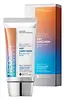 Key Ingredients
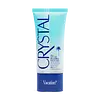
Benefits
Concerns
Ingredients Side-by-side
Water
Skin ConditioningOctocrylene
UV Absorber



Homosalate
Skin Conditioning
Isododecane
EmollientDipropylene Glycol
HumectantSilica
Abrasive


Butyl Methoxydibenzoylmethane
UV Absorber
1,2-Hexanediol
Skin Conditioning
Octyldodeceth-16
EmulsifyingAcrylates/C10-30 Alkyl Acrylate Crosspolymer
Emulsion StabilisingTromethamine
BufferingEthylhexylglycerin
Skin ConditioningTocopheryl Acetate
Antioxidant


Coptis Japonica Extract
AntimicrobialButylene Glycol
Humectant
Xanthan Gum
EmulsifyingCitrus Aurantium Dulcis Peel Oil
Masking

Litsea Cubeba Fruit Oil
Masking

Citrus Aurantium Bergamia Fruit Oil
Masking
Pelargonium Graveolens Flower Oil
Masking
Lavandula Angustifolia Oil
Masking
Melaleuca Alternifolia Leaf Oil
Antioxidant
Citrus Aurantifolia Oil
Cleansing
Eugenia Caryophyllus Leaf Oil
Masking
Cinnamomum Camphora Bark Oil
Masking
Maltodextrin
Absorbent
Persea Gratissima Fruit Extract
EmollientOenothera Biennis Flower Extract
AstringentPinus Palustris Leaf Extract
TonicUlmus Davidiana Root Extract
Skin Conditioning
Pueraria Lobata Root Extract
HumectantCitrus Limon Fruit Extract
Masking
Glycerin
Humectant
Rosa Damascena Extract
MaskingLippia Citriodora Leaf Extract
Astringent
Adansonia Digitata Leaf Extract
Skin ConditioningRubus Idaeus Fruit Extract
AstringentPortulaca Oleracea Extract
Skin Conditioning
Vaccinium Angustifolium Fruit Extract
Skin Protecting
Achillea Millefolium Extract
CleansingArnica Montana Flower Extract
Masking
Aloe Barbadensis Leaf Extract
Emollient
Artemisia Capillaris Extract
Euterpe Oleracea Fruit Extract
Phellinus Linteus Extract
Skin ConditioningSodium Hyaluronate
Humectant

Hibiscus Sabdariffa Flower Extract
Skin ConditioningBeta-Glucan
Skin Conditioning
Water, Octocrylene, Homosalate, Isododecane, Dipropylene Glycol, Silica, Butyl Methoxydibenzoylmethane, 1,2-Hexanediol, Octyldodeceth-16, Acrylates/C10-30 Alkyl Acrylate Crosspolymer, Tromethamine, Ethylhexylglycerin, Tocopheryl Acetate, Coptis Japonica Extract, Butylene Glycol, Xanthan Gum, Citrus Aurantium Dulcis Peel Oil, Litsea Cubeba Fruit Oil, Citrus Aurantium Bergamia Fruit Oil, Pelargonium Graveolens Flower Oil, Lavandula Angustifolia Oil, Melaleuca Alternifolia Leaf Oil, Citrus Aurantifolia Oil, Eugenia Caryophyllus Leaf Oil, Cinnamomum Camphora Bark Oil, Maltodextrin, Persea Gratissima Fruit Extract, Oenothera Biennis Flower Extract, Pinus Palustris Leaf Extract, Ulmus Davidiana Root Extract, Pueraria Lobata Root Extract, Citrus Limon Fruit Extract, Glycerin, Rosa Damascena Extract, Lippia Citriodora Leaf Extract, Adansonia Digitata Leaf Extract, Rubus Idaeus Fruit Extract, Portulaca Oleracea Extract, Vaccinium Angustifolium Fruit Extract, Achillea Millefolium Extract, Arnica Montana Flower Extract, Aloe Barbadensis Leaf Extract, Artemisia Capillaris Extract, Euterpe Oleracea Fruit Extract, Phellinus Linteus Extract, Sodium Hyaluronate, Hibiscus Sabdariffa Flower Extract, Beta-Glucan
Butyl Methoxydibenzoylmethane 3%
UV Absorber
Homosalate 7.3%
Skin Conditioning
Ethylhexyl Salicylate 5%
UV Absorber
Octocrylene 9%
UV Absorber
Aloe Barbadensis Leaf Juice
Skin Conditioning
Bisabolol
Antioxidant
Butyloctyl Salicylate
Skin Conditioning
Caprylic/Capric Triglyceride
Masking
Centella Asiatica Leaf Extract
Skin Conditioning
Ceramide NP
Skin Conditioning
Cereus Grandiflorus Flower Extract
Skin ConditioningDimethicone Crosspolymer
Emulsion Stabilising
Dimethicone/Bis-Isobutyl PPG-20 Crosspolymer
Emollient
Ethyl Ferulate
Antioxidant
Helianthus Annuus Seed Oil
Emollient
Hyaluronic Acid
Humectant
Isododecane
EmollientPalmitoyl Tripeptide-1
Skin Conditioning

Polyamide-3
Propanediol
Solvent
Squalane
Emollient
Trimethylpentanediol/Adipic Acid/Glycerin Crosspolymer
Skin ConditioningVp/Hexadecene Copolymer
Water
Skin ConditioningButyl Methoxydibenzoylmethane 3%, Homosalate 7.3%, Ethylhexyl Salicylate 5%, Octocrylene 9%, Aloe Barbadensis Leaf Juice, Bisabolol, Butyloctyl Salicylate, Caprylic/Capric Triglyceride, Centella Asiatica Leaf Extract, Ceramide NP, Cereus Grandiflorus Flower Extract, Dimethicone Crosspolymer, Dimethicone/Bis-Isobutyl PPG-20 Crosspolymer, Ethyl Ferulate, Helianthus Annuus Seed Oil, Hyaluronic Acid, Isododecane, Palmitoyl Tripeptide-1, Polyamide-3, Propanediol, Squalane, Trimethylpentanediol/Adipic Acid/Glycerin Crosspolymer, Vp/Hexadecene Copolymer, Water
Reviews
Ingredients Explained
These ingredients are found in both products.
Ingredients higher up in an ingredient list are typically present in a larger amount.
Also known as Avobenzone, this ingredient is an oil-soluble used to absorb the full spectrum of UVA rays (peak 357 nm).
It's one of the most effective UVA filters available but has a major caveat of photostability: avobenzone is susceptible to photodegradation.
This means it can lose efficacy when exposed to sunlight without the help of a stabilizing agent.
Studies show antioxidants (like vitamin E or vitamin C) and some UV filters (like octocrylene and Tinosorb S) can meaningfully improve its stability in a formulation.
The maximum allowable concentration according to regulation is 3% in the US + Canada, and 5% in the EU, Australia, China, Korea, and ASEAN countries.
It has a well-support safety profile: a comprehensive 2025 review found minimal toxicity with no evidence of carcinogenicity.
Overall, avobenzone is a safe and regulated ingredient used in sunscreen for over 40 years.
Learn more about Butyl MethoxydibenzoylmethaneHomosalate is an oil-soluble organic UVB filter that has been a sunscreen staple for decades. Its job is to absorb UVB rays (~295-315 nm) and protect your skin against sunburn,
This is one of the more photostable organic UV filters; it holds up pretty well under UV and a 2022 quantum-chemistry study found it stays stable in sunlight.
It's actually so reliable that formulators often pair it with shakier ingredients like oxybenzone and avobenzone. Formulators also use it to help dissolve the other UV filters into the oil phase.
One thing to keep in mind: "stable" isn't the same as "strong". On its own, homosalate is actually a pretty weak UV filter so it's better off as a helpful team player that helps boost overall SPF protection.
The safety picture is a bit nuanced but not scary.
This ingredient has a long track record of being gentle and regulators agree it isn't an irritant; EU's Scientific Committee on Consumer Safety found that homosalate is not considered a skin irritant and doesn't raise eye-irritation flags either.
There's talk about homosalate because your skin absorbs a little bit of it into your bloodstream. A 2020 FDA-backed study found homosalate showed up in people's blood levels at the level where the FDA decides to double check.
The EU's Scientific Committee on Consumer Safety (SCCS) also found small amounts in blood and breast milk. They estimated that about 5% of what you apply gets absorbed through the skin.
Due to the debate about whether it might mess with hormones, the SCCS recommended a maximum limit of 0.5% in most products of 7.3% in face creams/pump sprays.
One important thing to keep in mind: in the US, Homosalate is currently labeled "non-GRASE" by the FDA. This sounds alarming but really just means the FDA wants more data to confirm it's safe. It's not confidently saying this ingredient is harmful.
As of now, homosalate is still completely legal and widely used while that research gets done.
The current maximum limits are:
Learn more about HomosalateIsododecane is a fragrance, emollient, and solvent.
As an emollient, it helps your skin stay soft and hydrated. Emollients help trap moisture into your skin.
Isododecane's role as a solvent makes it a great texture enhancer. It spreads smoothly on skin and does not leave a sticky feeling behind. Isododecane also helps prevent color transfer in makeup products.
Isododecane is not absorbed into skin.
The chemical name for this ingredient is 2,2,4,6,6-PENTAMETHYLHEPTANE.
Learn more about IsododecaneOctocrylene is an oil-soluble organic UV filter that mainly absorbs UVB and short wave UVA II light.
Its real superpower is teamwork: octocrylene is remarkably photostable and is most famous for stabilizing avobenzone (the workhorse UVA filter).
This ingredient is commonly used to enhance both UVB and UVA protection due to its unique property in stabilizing avobenzone. It also pulls double duty by boosting water resistance and giving formulas a smooth, spreadable feel.
The EU's Scientific Committee on Consumer Safety (SCCS) has deemed octocrylene to be safe as a UV-filter at concentrations up to 10% (capped at 9% in propellant sprays). The US also permits it up to 10%.
Two things worth knowing:
You'll usually see this ingredient used in concentrations between 2-10% (higher amounts when used as a stabilizer for avobenzone).
Learn more about OctocryleneWater. It's the most common cosmetic ingredient of all. You'll usually see it at the top of ingredient lists, meaning that it makes up the largest part of the product.
So why is it so popular? Water most often acts as a solvent - this means that it helps dissolve other ingredients into the formulation.
You'll also recognize water as that liquid we all need to stay alive. If you see this, drink a glass of water. Remember to stay hydrated!
Learn more about Water

