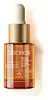
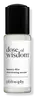
Natura Serum Antioxidante Intensivo Vitamina C - Chronos Versus Philosophy Dose of Wisdom Bouncy Skin Reactivating Serum
This brightening serum is formulated around Ascorbic Acid and 3-O-Ethyl Ascorbic Acid to brighten dull-looking skin and soften the look of wrinkles.
This hydrating serum is formulated around 3-O-Ethyl Ascorbic Acid and Squalane to hydrate skin and soften the look of wrinkles.


What's inside
What's inside
 Key Ingredients
Benefits
Concerns
Ingredients Side-by-side
Water
Skin ConditioningAscorbic Acid
Antioxidant






3-O-Ethyl Ascorbic Acid
Skin Conditioning

Glycerin
Humectant

Propanediol
Solvent
Alcohol
Antimicrobial




Citric Acid
Buffering
PEG-40 Hydrogenated Castor Oil
Emulsifying

Tocopherol
Antioxidant
Parfum
Masking

Panthenol
Skin Conditioning
Sodium Hydroxide
BufferingTriethyl Citrate
Masking
Caprylyl Glycol
Emollient
1,2-Hexanediol
Skin Conditioning
Ferulic Acid
Antimicrobial
Sodium Citrate
BufferingDimethicone
Emollient
Disodium EDTA
ChelatingCitronellol
Perfuming
Inga Edulis Leaf Extract
Antioxidant
Euterpe Oleracea Seed Extract
Antioxidant
Silica
Abrasive

Theobroma Cacao Seed Extract
Antioxidant
Alpha-Isomethyl Ionone
Perfuming
Casearia Sylvestris Leaf Extract
Skin ConditioningSodium Carbonate
BufferingGeraniol
Perfuming
Conobea Scoparioides Leaf Oil
Masking
Malonic Acid
BufferingVanillin
Masking
Hydroxyacetophenone
Antioxidant
Sodium Chloride
MaskingPhenoxyethanol
Preservative
Water, Ascorbic Acid, 3-O-Ethyl Ascorbic Acid, Glycerin, Propanediol, Alcohol, Citric Acid, PEG-40 Hydrogenated Castor Oil, Tocopherol, Parfum, Panthenol, Sodium Hydroxide, Triethyl Citrate, Caprylyl Glycol, 1,2-Hexanediol, Ferulic Acid, Sodium Citrate, Dimethicone, Disodium EDTA, Citronellol, Inga Edulis Leaf Extract, Euterpe Oleracea Seed Extract, Silica, Theobroma Cacao Seed Extract, Alpha-Isomethyl Ionone, Casearia Sylvestris Leaf Extract, Sodium Carbonate, Geraniol, Conobea Scoparioides Leaf Oil, Malonic Acid, Vanillin, Hydroxyacetophenone, Sodium Chloride, Phenoxyethanol
Water
Skin ConditioningGlycerin
Humectant
Pentaerythrityl Tetraethylhexanoate
Emollient
Propanediol
Solvent
Alcohol Denat.
Antimicrobial
Xanthan Gum
Emulsifying3-O-Ethyl Ascorbic Acid
Skin Conditioning
Hydroxyacetophenone
Antioxidant
Caprylic/Capric Triglyceride
Masking
Hydroxyethyl Acrylate/Sodium Acryloyldimethyl Taurate Copolymer
Emulsion StabilisingMaltodextrin
Absorbent
Squalane
Emollient
1,2-Hexanediol
Skin Conditioning
Caprylyl Glycol
Emollient
Methylpropanediol
SolventSodium Citrate
BufferingCitric Acid
Buffering
Parfum
Masking
Plantago Lanceolata Leaf Extract
AntimicrobialCarbomer
Emulsion StabilisingLactobacillus
Skin ConditioningSodium PCA
Humectant
Sodium Hydroxide
BufferingPolysorbate 60
Emulsifying
Adenosine
Skin Conditioning
PEG-8
HumectantMica
Cosmetic ColorantSorbitan Isostearate
Emulsifying
Tocopherol
Antioxidant
Biosaccharide Gum-1
Humectant
Pentylene Glycol
Skin Conditioning
Limonene
Perfuming
Silica
Abrasive
Dimethylmethoxy Chromanol
Antioxidant
Ethylhexylglycerin
Skin ConditioningHordeum Vulgare Extract
EmollientHyaluronic Acid
Humectant
Ganoderma Lucidum Stem Extract
Skin ConditioningSilanetriol
Ascorbyl Palmitate
Antioxidant
Agave Americana Leaf Extract
Skin ConditioningCitral
Perfuming
Rosmarinus Officinalis Leaf Extract
AntimicrobialAscorbic Acid
Antioxidant
Sodium Benzoate
Masking
Potassium Sorbate
Preservative
Titanium Dioxide
Cosmetic Colorant

Water, Glycerin, Pentaerythrityl Tetraethylhexanoate, Propanediol, Alcohol Denat., Xanthan Gum, 3-O-Ethyl Ascorbic Acid, Hydroxyacetophenone, Caprylic/Capric Triglyceride, Hydroxyethyl Acrylate/Sodium Acryloyldimethyl Taurate Copolymer, Maltodextrin, Squalane, 1,2-Hexanediol, Caprylyl Glycol, Methylpropanediol, Sodium Citrate, Citric Acid, Parfum, Plantago Lanceolata Leaf Extract, Carbomer, Lactobacillus, Sodium PCA, Sodium Hydroxide, Polysorbate 60, Adenosine, PEG-8, Mica, Sorbitan Isostearate, Tocopherol, Biosaccharide Gum-1, Pentylene Glycol, Limonene, Silica, Dimethylmethoxy Chromanol, Ethylhexylglycerin, Hordeum Vulgare Extract, Hyaluronic Acid, Ganoderma Lucidum Stem Extract, Silanetriol, Ascorbyl Palmitate, Agave Americana Leaf Extract, Citral, Rosmarinus Officinalis Leaf Extract, Ascorbic Acid, Sodium Benzoate, Potassium Sorbate, Titanium Dioxide
Ingredients Explained
These ingredients are found in both products.
Ingredients higher up in an ingredient list are typically present in a larger amount.
1,2-Hexanediol is a synthetic liquid and another multi-functional powerhouse.
It is a:
- Humectant, drawing moisture into the skin
- Emollient, helping to soften skin
- Solvent, dispersing and stabilizing formulas
- Preservative booster, enhancing the antimicrobial activity of other preservatives
3-O-Ethyl Ascorbic Acid is one of the most popular "stable" vitamin C derivatives in skincare.
Plain ascorbic acid is fantastic but notoriously fragile; it browns, oxidizes, and loses potency fast. So attaching an ethyl group to the third carbon of the molecule gives it some cool perks:
In a formula, it does the 3 classic vitamin C jobs: it acts as an antioxidant, helps brighten skin tone by inhibiting tyrosinase, and supports collagen.
The evidence is reasonably solid for a cosmetic ingredient; Liao and colleagues (2018) showed it's significantly more stable than ascorbic acid while still being effective.
A 2021 study by Zerbinati and colleagues tested a serum with 30% 3-O-ethyl-l-ascorbic acid and 1% lactic acid significantly increased collagen production, reduced UVB-induced DNA damage, and decreased melanin on a reconstructed pigmented skin model.
Typical real world usage sits around 0.5-5% (and 1-2% is common for daily serums).
Amounts up to 30% have been shown to be non-irritating on human skin samples, but two isolated cases reported allergic contact dermatitis so a patch test is sensible if you have reactive skin.
Learn more about 3-O-Ethyl Ascorbic AcidAscorbic Acid is is pure Vitamin C and is the biologically active form used directly by skin.
Not only is vitamin C great for your overall health and immune system, but it also has plenty of benefits for your skin. It is best supported by academic literature for:
Topical vitamin C has been shown to help neutralize oxidative stress from UV and pollution, helping to improve photoaging and hyperpigmentation when used consistently.
One clinical study found that using 5% topical vitamin C for six months improved signs of photodamaged skin, both on the surface and in the deeper structural layers of the skin.
While vitamin C doesn’t replace sunscreen, studies show it can boost photoprotection when combined with Vitamin E and ferulic acid. These two ingredients help improve stability and protective effects.
The big downside of this ingredient is formulation difficulty. Vitamin C is prone to oxidation and doesn't penetrate the skin unless formulated correctly. Research found that vitamin C absorbs into the skin best at a low pH (< 3.5) with about 20% being the upper limit for effective absorption.
Skin levels can saturate after repeated application; this means your skin won’t keep absorbing more once it’s full of vitamin C. This is why more isn’t always better with vitamin C and why very high concentrations don’t necessarily give extra benefits.
Ascorbic acid generally works well with many skincare ingredients but can be irritating when combined with other active ingredients. Strong oxidizing acne treatments like benzoyl peroxide can reduce the effectiveness of vitamin C if they are used at the same time; they are often recommended for use at different times of day.
Read more about other types of Vitamin C:
Foods rich with vitamin C include oranges, strawberries, broccoli, bell peppers, and more. When consuming Vitamin C, your skin receives a portion of the nutrients.
Learn more about Ascorbic AcidCaprylyl Glycol is a humectant, skin conditioner, emollient, and preservative booster derived from either caprylic acid or synthetically created.
Typical use levels vary from 0.3-1% as a preservative booster and go up to 2% to condition skin.
Because it is not a free-fatty acid, this ingredient is fungal acne safe (there's nothing for Malassezia to feed on).
Learn more about Caprylyl GlycolCitric Acid is an alpha hydroxy acid (AHA) naturally found in citrus fruits like oranges, lemons, and limes.
Like other AHAs, citric acid can exfoliate skin by breaking down the bonds that hold dead skin cells together. This helps reveal smoother and brighter skin underneath.
However, this exfoliating effect only happens at high concentrations (20%) which can be hard to find in cosmetic products.
Due to this, citric acid is usually included in small amounts as a pH adjuster. This helps keep products slightly more acidic and compatible with skin's natural pH.
In skincare formulas, citric acid can:
While it can provide some skin benefits, research shows lactic acid and glycolic acid are generally more effective and less irritating exfoliants.
Most citric acid used in skincare today is made by fermenting sugars (usually from molasses). This synthetic version is identical to the natural citrus form but easier to stabilize and use in formulations.
Rosacea skin has a lower threshold for acids generally, with 62.5% of rosacea subjects in one study reacting to lactic acid in a sting test. This is why we mark citric acid as a potential rosacea trigger.
However, this ingredient shows up as a pH adjuster or chelator at roughly 0.1-1% in many products. These low levels are unlikely to be an issue for rosacea skin and becomes a potential trigger at exfoliating concentrations (20%). Because everybody's skin is unique, we recommend a patch test if you are unsure.
Learn more about Citric AcidGlycerin (or glycerol) is a compound naturally found in your skin. It's a powerhouse humectant that pulls water into the stratum corneum.
Topically, glycerin does several things at once:
Your skin makes glycerin on its own (mostly from sebaceous oil breakdown) and shuttles it to your outermost layer of skin, or your epidermis, via aquaporin-3.
Aquaporin-3 is a transporter that is essential for normal skin hydration, elasticity, and repair. Interestingly, mice lacking in AQP3 have dry and less elastic skin that can be fully corrected with glycerin.
This ingredient is non-irritating, plays well with almost every ingredient, and works across all skin types. Typical use is anywhere between 3-10% but can go up to 79% in some leave-on products.
Just know very high concentrations (>40%) can feel tacky in low humidity.
Glycerin is the name for this ingredient in American English. British English uses Glycerol/Glycerine.
Learn more about GlycerinHydroxyacetophenone is a small phenolic molecule that earns its place in a formulas as an antioxidant and preservative booster.
As a phenol, it is able to neutralize free radicals to protect both the product and the skin from oxidative stress.
Though it can't kill microbes on its own, it works as a good supporting agent when combined with other preservatives like Phenoxyethanol or 1,2-Hexanediol.
This ingredient naturally occurs as piceol in Norwegian spruce needles (~0.4-1.1% dry weight and in cloudberries). Though the cosmetic-grade material is synthesized for purity and consistency.
You'll usually see it used at low levels and suppliers recommend up to 1% added to a water phase.
Safety testing was done at concentrations like 0.05% in SPF products and 0.5% in a Human Repeated Insult Patch Test. The safety evidence is assuring; this ingredient is safe for cosmetics in current use and also holds safety status as a food flavoring as well.
An honest caveat: the "soothing" and "anti-inflammatory" claims come mostly from supplier marketing rather than published clinical trials. The Cosmetic Ingredient Review's own literature search found no useful efficacy studies on this ingredient.
So the antioxidant and preservative-boosting roles are the well supported ones while the calming benefit is plausible but thinly evidenced.
Overall, this is a well-tolerated, low-irritation multitasker that quietly helps a formula stay fresh and stable.
Learn more about HydroxyacetophenoneParfum is a catch-all term for an ingredient or more that is used to give a scent to products.
Also called "fragrance", this ingredient can be a blend of hundreds of chemicals or plant oils. This means every product with "fragrance" or "parfum" in the ingredients list is a different mixture.
For instance, Habanolide is a proprietary trade name for a specific aroma chemical. When used as a fragrance ingredient in cosmetics, most aroma chemicals fall under the broad labeling category of “FRAGRANCE” or “PARFUM” according to EU and US regulations.
The term 'parfum' or 'fragrance' is not regulated in many countries. In many cases, it is up to the brand to define this term.
For instance, many brands choose to label themselves as "fragrance-free" because they are not using synthetic fragrances. However, their products may still contain ingredients such as essential oils that are considered a fragrance by INCI standards.
One example is Calendula flower extract. Calendula is an essential oil that still imparts a scent or 'fragrance'.
Depending on the blend, the ingredients in the mixture can cause allergies and sensitivities on the skin. Some ingredients that are known EU allergens include linalool and citronellol.
Parfum can also be used to mask or cover an unpleasant scent.
The bottom line is: not all fragrances/parfum/ingredients are created equally. If you are worried about fragrances, we recommend taking a closer look at an ingredient. And of course, we always recommend speaking with a professional.
Learn more about ParfumPropanediol is an all-star ingredient. It softens, hydrates, and smooths the skin.
It’s often used to:
Propanediol is not likely to cause sensitivity and considered safe to use. It is derived from corn or petroleum with a clear color and no scent.
Learn more about PropanediolSilica, also known as silicon dioxide, is a naturally occurring mineral. It is used as a fine, spherical, and porous powder in cosmetics.
Though it has exfoliant properties, the function of silica varies depending on the product.
The unique structure of silica enhances the spreadability and adds smoothness, making it a great texture enhancer.
It is also used as an active carrier, emulsifier, and mattifier due to its ability to absorb excess oil.
In some products, tiny microneedles called spicules are made from silica or hydrolyzed sponge. When you rub them in, they lightly polish away dead skin layers and enhance the penetration of active ingredients.
Learn more about SilicaSodium Citrate is the sodium salts of citric acid. In skincare, it is used to alter pH levels and acts as a preservative.
Its main functions are to maintain the pH of a product and neutralize metal ions.
The acidity of our skin is maintained by our glands and skin biome; normal pH level of skin is slightly acidic (~4.75-5.5).
Being slightly acidic allows our skin to create an "acid mantle". This acid mantle is a thin barrier that protects our skin from bacteria and contaminants.
Learn more about Sodium CitrateSodium Hydroxide is also known as lye or caustic soda. It is used to adjust the pH of products; many ingredients require a specific pH to be effective.
In small amounts, sodium hydroxide is considered safe to use. However, large amounts may cause chemical burns due to its high alkaline.
Your skin has a natural pH and acid mantle. This acid mantle helps prevent harmful bacteria from breaking through. The acid mantle also helps keep your skin hydrated.
"Alkaline" refers to a high pH level. A low pH level would be considered acidic.
Learn more about Sodium HydroxideTocopherol is a fat-soluble antioxidant known as Vitamin E.
You'll find this ingredient in the vast majority of skincare (for good reason). It works to neutralize free radicals, or unstable molecules generated by UV exposure, pollution, and other environmental stressors, before they can cause oxidative damage to your skin cells.
Topically applied tocopherol has been shown to protect against UV damage by ramping up the skin's own natural defense enzymes.
It also acts as a skin conditioning agent; some studies show that regular topical use can improve the skin's water-binding capacity over 2-4 weeks.
This ingredient is especially loved for being a team player. When combined with Vitamin C, the photoprotective effect of both ingredients roughly doubles and the combo also helps reduce UV-induced DNA damage.
This ingredient has some brightening potential but it's more of a prevention ingredient than spot-fader. Cell studies show it can slow down melanin production but it's worth noting that it's not the most powerful brightener out there.
In formulations, it also serves as a stabilizer that helps protect other oxidation-prone ingredients from degrading.
Concentrations usually range from 0.1-1% in most leave-on products.
Learn more about TocopherolWater. It's the most common cosmetic ingredient of all. You'll usually see it at the top of ingredient lists, meaning that it makes up the largest part of the product.
So why is it so popular? Water most often acts as a solvent - this means that it helps dissolve other ingredients into the formulation.
You'll also recognize water as that liquid we all need to stay alive. If you see this, drink a glass of water. Remember to stay hydrated!
Learn more about Water

