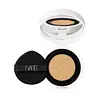
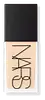
NARS Cosmetics Light Reflecting Serum Cushion Foundation SPF 50+ Versus NARS Cosmetics Light Reflecting Advanced Skincare Foundation

What's inside
What's inside
 Key Ingredients
Benefits
Concerns
Ingredients Side-by-side
Water
Skin ConditioningTitanium Dioxide
Cosmetic Colorant

Decyl Cocoate
Emollient




Propanediol
Solvent

Polyglyceryl-6 Polyricinoleate
Emulsifying
Glycerin
Humectant
C15-19 Alkane
SolventPentylene Glycol
Skin Conditioning
Synthetic Fluorphlogopite
Polyglyceryl-4 Oleate
Emulsifying
Isoamyl Laurate
Emollient
Cetyl Ethylhexanoate
EmollientDioctyldodecyl Dimer Dilinoleate
EmollientGlyceryl Oleate
Emollient

Sorbitan Isostearate
Emulsifying
Butyloctyl Salicylate
Skin Conditioning
Polyglyceryl-10 Pentaisostearate
Emollient
Camellia Japonica Flower Extract
EmollientPrunus Domestica Fruit Extract
MoisturisingCitrus Junos Peel Extract
Skin ConditioningMoringa Oleifera Seed Extract
Skin Conditioning
Terminalia Ferdinandiana Fruit Extract
Antioxidant
Theobroma Cacao Seed Extract
Antioxidant
Stearic Acid
Cleansing
Alumina
Abrasive
Aluminum Hydroxide
EmollientSodium Lauroyl Glutamate
SurfactantLysine
Skin ConditioningMagnesium Chloride
Hydrogenated Rapeseed Alcohol
Emollient
Butylene Glycol
Humectant
1,2-Hexanediol
Skin Conditioning
Ethylhexylglycerin
Skin ConditioningCoco-Caprylate/Caprate
Emollient
Triheptanoin
Skin ConditioningC9-12 Alkane
SolventDilinoleic Acid/Butanediol Copolymer
Castor Oil/Ipdi Copolymer

Lactobacillus Ferment Lysate
Skin Conditioning
Disodium Phosphate
BufferingCitric Acid
Buffering

Magnesium Sulfate
Stearalkonium Hectorite
Gel FormingTrisodium Ethylenediamine Disuccinate
ChelatingParfum
Masking
Benzyl Salicylate
Perfuming
Citronellol
Perfuming
Geraniol
Perfuming
Limonene
Perfuming
CI 77491
Cosmetic ColorantCI 77492
Cosmetic ColorantCI 77499
Cosmetic ColorantCI 77891
Cosmetic ColorantWater, Titanium Dioxide, Decyl Cocoate, Propanediol, Polyglyceryl-6 Polyricinoleate, Glycerin, C15-19 Alkane, Pentylene Glycol, Synthetic Fluorphlogopite, Polyglyceryl-4 Oleate, Isoamyl Laurate, Cetyl Ethylhexanoate, Dioctyldodecyl Dimer Dilinoleate, Glyceryl Oleate, Sorbitan Isostearate, Butyloctyl Salicylate, Polyglyceryl-10 Pentaisostearate, Camellia Japonica Flower Extract, Prunus Domestica Fruit Extract, Citrus Junos Peel Extract, Moringa Oleifera Seed Extract, Terminalia Ferdinandiana Fruit Extract, Theobroma Cacao Seed Extract, Stearic Acid, Alumina, Aluminum Hydroxide, Sodium Lauroyl Glutamate, Lysine, Magnesium Chloride, Hydrogenated Rapeseed Alcohol, Butylene Glycol, 1,2-Hexanediol, Ethylhexylglycerin, Coco-Caprylate/Caprate, Triheptanoin, C9-12 Alkane, Dilinoleic Acid/Butanediol Copolymer, Castor Oil/Ipdi Copolymer, Lactobacillus Ferment Lysate, Disodium Phosphate, Citric Acid, Magnesium Sulfate, Stearalkonium Hectorite, Trisodium Ethylenediamine Disuccinate, Parfum, Benzyl Salicylate, Citronellol, Geraniol, Limonene, CI 77491, CI 77492, CI 77499, CI 77891
Water
Skin ConditioningC9-12 Alkane
SolventButylene Glycol
Humectant
Undecane
EmollientTridecane
Perfuming
Isodecyl Neopentanoate
EmollientHydrogenated Polyisobutene
EmollientPolyglyceryl-6 Polyricinoleate
Emulsifying
Polyglyceryl-2 Diisostearate
Emulsifying
Disteardimonium Hectorite
StabilisingDiisostearyl Malate
EmollientGlycerin
Humectant
Synthetic Wax
Abrasive
Sodium Chloride
MaskingOphiopogon Japonicus Root Extract
Skin ConditioningAscophyllum Nodosum Extract
Skin Conditioning
Theobroma Cacao Seed Extract
Antioxidant
Curcuma Longa Root Extract
Antioxidant
Silybum Marianum Fruit Extract
Skin Conditioning
Aluminum Hydroxide
EmollientMagnesium Chloride
Sodium Dilauramidoglutamide Lysine
HumectantTocopherol
Antioxidant


Coco-Caprylate/Caprate
Emollient
Ethylhexylglycerin
Skin ConditioningPentylene Glycol
Skin Conditioning
Hydroxyphenyl Propamidobenzoic Acid
Skin ConditioningAscorbyl Palmitate
Antioxidant
Citric Acid
Buffering
Maris Aqua
HumectantTrisodium EDTA
ChelatingCI 77120
Cosmetic ColorantAlumina
Abrasive
Chlorphenesin
Antimicrobial
Phenoxyethanol
Preservative
Potassium Sorbate
Preservative
CI 77491
Cosmetic ColorantCI 77492
Cosmetic ColorantCI 77499
Cosmetic ColorantMica
Cosmetic ColorantCI 77891
Cosmetic ColorantWater, C9-12 Alkane, Butylene Glycol, Undecane, Tridecane, Isodecyl Neopentanoate, Hydrogenated Polyisobutene, Polyglyceryl-6 Polyricinoleate, Polyglyceryl-2 Diisostearate, Disteardimonium Hectorite, Diisostearyl Malate, Glycerin, Synthetic Wax, Sodium Chloride, Ophiopogon Japonicus Root Extract, Ascophyllum Nodosum Extract, Theobroma Cacao Seed Extract, Curcuma Longa Root Extract, Silybum Marianum Fruit Extract, Aluminum Hydroxide, Magnesium Chloride, Sodium Dilauramidoglutamide Lysine, Tocopherol, Coco-Caprylate/Caprate, Ethylhexylglycerin, Pentylene Glycol, Hydroxyphenyl Propamidobenzoic Acid, Ascorbyl Palmitate, Citric Acid, Maris Aqua, Trisodium EDTA, CI 77120, Alumina, Chlorphenesin, Phenoxyethanol, Potassium Sorbate, CI 77491, CI 77492, CI 77499, Mica, CI 77891
Reviews
Ingredients Explained
These ingredients are found in both products.
Ingredients higher up in an ingredient list are typically present in a larger amount.
Alumina (aka aluminum oxide) is an inorganic mineral powder refined from bauxite that works as a quiet workhorse in a formula.
It shows up often as an abrasive, absorbent, anticaking, bulking, and viscosity-controlling agent.
One of its most common jobs is acting as a pigment carrier and dispersant.
Alumina platelets are often blended with inorganic sunscreens like Titanium Dioxide (or with colorants) and then coated with a silicone such as Triethoxycaprylylsilane so the pigment spreads evenly and smoothly.
In makeup, it can also double as a light-diffusing powder or oil absorber to keep formulas from looking greasy.
The Cosmetic Ingredient Review Expert Panel has concluded alumina to be safe in present practices of use and concentration.
They note it's a stable, oxidized compound and scientific research has failed to establish links to health issues.
Concentrations vary depending on the product:
Learn more about AluminaAluminum Hydroxide is a form of aluminum. It can be naturally found in nature as the mineral gibbsite. In cosmetics, Aluminum Hydroxide is used as a colorant, pH adjuster, and absorbent.
As a colorant, Aluminum Hydroxide may add opacity, or reduce the transparency. Aluminum hydroxide is contains both basic and acidic properties.
According to manufacturers, this ingredient is an emollient and humectant. This means it helps hydrate the skin.
In medicine, this ingredient is used to help relieve heartburn and help heal ulcers.
There is currently no credible scientific evidence linking aluminum hydroxide in cosmetics to increased cancer risk.
Major health organizations allow the use of aluminum hydroxide in personal care products and have not flagged it as a carcinogenic risk at typical usage levels.
Learn more about Aluminum HydroxideButylene Glycol (or BG) is used within cosmetic products for a few different reasons:
Overall, Butylene Glycol is a safe and well-rounded ingredient that works well with other ingredients.
Though this ingredient works well with most skin types, some people with sensitive skin may experience a reaction such as allergic rashes, closed comedones, or itchiness.
Learn more about Butylene GlycolC9-12 Alkane is synethically created using alkanes, or paraffins. It is added to products as a solvent. This means its main purpose is to help dissolve ingredients and create even texture.
Ci 77491 is also hydrated iron III oxide. It's sole purpose is to give a red/pink hue to products.
Iron III oxides are classified as inorganic chemicals for coloring.
Synthetically created Ci 77491 is considered safer than those naturally found. This is because the synthetically created version may contain less impurities. Iron oxides are generally non-toxic and non-allergenic.
Learn more about CI 77491CI 77492 is also hydrated iron III oxide. It's sole purpose is to give a yellow hue to products.
Iron III oxides are classified as inorganic chemicals for coloring.
Synthetically created CI 77492 is considered safer than those naturally found. This is because the synthetically created version may contain less impurities. Iron oxides are generally non-toxic and non-allergenic.
Learn more about CI 77492Ci 77499 is also hydrated iron III oxide. It is created from mixing red and black iron oxides. This helps give shades of darkness to a product.
Iron III oxides are classified as inorganic chemicals for coloring.
Ci 77891 is a white pigment from Titanium dioxide. It is naturally found in minerals such as rutile and ilmenite.
It's main function is to add a white color to cosmetics. It can also be mixed with other colors to create different shades.
Ci 77891 is commonly found in sunscreens due to its ability to block UV rays.
Learn more about CI 77891Citric Acid is an alpha hydroxy acid (AHA) naturally found in citrus fruits like oranges, lemons, and limes.
Like other AHAs, citric acid can exfoliate skin by breaking down the bonds that hold dead skin cells together. This helps reveal smoother and brighter skin underneath.
However, this exfoliating effect only happens at high concentrations (20%) which can be hard to find in cosmetic products.
Due to this, citric acid is usually included in small amounts as a pH adjuster. This helps keep products slightly more acidic and compatible with skin's natural pH.
In skincare formulas, citric acid can:
While it can provide some skin benefits, research shows lactic acid and glycolic acid are generally more effective and less irritating exfoliants.
Most citric acid used in skincare today is made by fermenting sugars (usually from molasses). This synthetic version is identical to the natural citrus form but easier to stabilize and use in formulations.
Rosacea skin has a lower threshold for acids generally, with 62.5% of rosacea subjects in one study reacting to lactic acid in a sting test. This is why we mark citric acid as a potential rosacea trigger.
However, this ingredient shows up as a pH adjuster or chelator at roughly 0.1-1% in many products. These low levels are unlikely to be an issue for rosacea skin and becomes a potential trigger at exfoliating concentrations (20%). Because everybody's skin is unique, we recommend a patch test if you are unsure.
Learn more about Citric AcidCoco-Caprylate/Caprate is a lightweight ester created from coconut oil fatty acids, caprylic acid, and capric acid.
It is an emollient that helps soften skin and reduce transepidermal water loss (TEWL). What sets it apart from heavier emollients is its ultralight, non-greasy feel.
Once applied, this ingredient dries down quickly and leaves a dry, silky finish behind. This also helps improve spreadability and texture.
This ingredient has an excellent safety-record and is non-irritating.
Typical concentrations for cosmetics range from 0.5-62%.
Research on Malassezia growth found no growth on fatty acid esters with chain lengths shorter than 12 carbons (it prefers C11-24).
Since Coco-Caprylate/Caprate is built on C8 and C10 fatty acids, it is out of the range that Malassezia metabolizes, and therefore safe for fungal acne.
Learn more about Coco-Caprylate/CaprateEthylhexylglycerin is created from glycerin. It is a multitasker ingredient that:
The CIR Expert Panel found minimal skin absorption or sensitization of any kind in a safety assessment. Though this ingredient is considered well-tolerated, a small number of cases of allergic dermatitis have been published since 2002. Just be sure to patch test if you are unsure.
Industry-reported use ranges from 8% in rinse-off products and 2% in leave-on formulations.
Learn more about EthylhexylglycerinGlycerin (or glycerol) is a compound naturally found in your skin. It's a powerhouse humectant that pulls water into the stratum corneum.
Topically, glycerin does several things at once:
Your skin makes glycerin on its own (mostly from sebaceous oil breakdown) and shuttles it to your outermost layer of skin, or your epidermis, via aquaporin-3.
Aquaporin-3 is a transporter that is essential for normal skin hydration, elasticity, and repair. Interestingly, mice lacking in AQP3 have dry and less elastic skin that can be fully corrected with glycerin.
This ingredient is non-irritating, plays well with almost every ingredient, and works across all skin types. Typical use is anywhere between 3-10% but can go up to 79% in some leave-on products.
Just know very high concentrations (>40%) can feel tacky in low humidity.
Glycerin is the name for this ingredient in American English. British English uses Glycerol/Glycerine.
Learn more about GlycerinMagnesium chloride is a mineral salt made from magnesium and chloride. It is mainly used to control product stability and texture in cosmetics.
This ingredient can also play a role in soothing the skin and supporting normal skin function.
Magnesium chloride is water-soluble, generally well tolerated, and does not act as a strong “active” ingredient on its own.
Learn more about Magnesium ChloridePentylene Glycol (1,2-pentanediol) is a multitasking little diol with three main roles in a formula:
Research on alkanediols (the family pentylene glycol belongs to) show they work by disrupting microbial cell membranes. This disruption helps the primary preservative system in a product work more effectively at lower doses.
On the safety side, the Cosmetic Ingredient Review Expert Panel has concluded this ingredient to be safe as used in current cosmetic practices + concentrations.
Typical use levels in a formula run about 1-5%.
Learn more about Pentylene GlycolPolyglyceryl-6 Polyricinoleate isn't fungal acne safe.
Theobroma Cacao Seed Extract comes from the Theobroma cacoa, or Cacao tree. Cacao trees are native to tropical landscapes.
Cacao seed extract contains antioxidants known as polyphenols.
Water. It's the most common cosmetic ingredient of all. You'll usually see it at the top of ingredient lists, meaning that it makes up the largest part of the product.
So why is it so popular? Water most often acts as a solvent - this means that it helps dissolve other ingredients into the formulation.
You'll also recognize water as that liquid we all need to stay alive. If you see this, drink a glass of water. Remember to stay hydrated!
Learn more about Water

