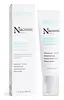
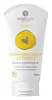
Nacomi Multi-Level Hydration Face Cream Versus BasicLab Krem nawilżający do twarzy bogata konsystencja
This barrier-repair moisturizer is formulated around Persea Gratissima Oil and Niacinamide to strengthen the skin barrier and hydrate skin.
This barrier-repair moisturizer is formulated around Macadamia Ternifolia Seed Oil and Aloe Barbadensis Leaf Juice to strengthen the skin barrier and hydrate skin.

What's inside
What's inside
 Key Ingredients
Benefits
Concerns
Ingredients Side-by-side
Water
Skin ConditioningPropanediol
Solvent

Cetyl Alcohol
Emollient



Persea Gratissima Oil
Skin Conditioning


Caprylic/Capric Triglyceride
Masking
Cetearyl Alcohol
Emollient
Glyceryl Stearate
Emollient
Butyrospermum Parkii Butter
Skin Conditioning
Niacinamide
Smoothing










Prunus Amygdalus Dulcis Oil
Skin Conditioning
Shorea Stenoptera Seed Butter
Emollient
Tocopheryl Acetate
Antioxidant

Sorbitol
Humectant
Stearic Acid
Cleansing
Adansonia Digitata Seed Oil
Emollient
Serine
Masking
Algin
MaskingPullulan
Trehalose
Humectant
Urea
Buffering
Allantoin
Skin Conditioning
Olea Europaea Fruit Oil
Masking
Ascorbyl Palmitate
Antioxidant
Phytosterols
Skin Conditioning
Hyaluronic Acid
Humectant
Sodium Hyaluronate
Humectant
Hydrolyzed Hyaluronic Acid
Humectant
Sodium Hyaluronate Crosspolymer
Humectant
Hydrolyzed Glycosaminoglycans
HumectantLactic Acid
Buffering

Glycerin
Humectant
Ethylhexylglycerin
Skin ConditioningRaspberry Ketone
Masking
Sorbitan Oleate
Emulsifying
Benzyl Glycol
SolventCaprylyl Glycol
Emollient
Disodium Phosphate
BufferingPolyglyceryl-3 PCA
EmollientPentylene Glycol
Skin Conditioning
Glyceryl Polyacrylate
Parfum
Masking
Potassium Phosphate
BufferingSodium Lauroyl Glutamate
SurfactantDehydroacetic Acid
Preservative
Benzyl Alcohol
Perfuming

Water, Propanediol, Cetyl Alcohol, Persea Gratissima Oil, Caprylic/Capric Triglyceride, Cetearyl Alcohol, Glyceryl Stearate, Butyrospermum Parkii Butter, Niacinamide, Prunus Amygdalus Dulcis Oil, Shorea Stenoptera Seed Butter, Tocopheryl Acetate, Sorbitol, Stearic Acid, Adansonia Digitata Seed Oil, Serine, Algin, Pullulan, Trehalose, Urea, Allantoin, Olea Europaea Fruit Oil, Ascorbyl Palmitate, Phytosterols, Hyaluronic Acid, Sodium Hyaluronate, Hydrolyzed Hyaluronic Acid, Sodium Hyaluronate Crosspolymer, Hydrolyzed Glycosaminoglycans, Lactic Acid, Glycerin, Ethylhexylglycerin, Raspberry Ketone, Sorbitan Oleate, Benzyl Glycol, Caprylyl Glycol, Disodium Phosphate, Polyglyceryl-3 PCA, Pentylene Glycol, Glyceryl Polyacrylate, Parfum, Potassium Phosphate, Sodium Lauroyl Glutamate, Dehydroacetic Acid, Benzyl Alcohol
Water
Skin ConditioningMacadamia Ternifolia Seed Oil
Emollient
Aloe Barbadensis Leaf Juice
Skin Conditioning
Cetearyl Alcohol
Emollient
Glycerin
Humectant
Glyceryl Stearate Citrate
Emollient
Pentylene Glycol
Skin Conditioning
Butyrospermum Parkii Butter
Skin Conditioning
Borago Officinalis Seed Oil
Emollient
Sodium Hyaluronate
Humectant
Cucumis Sativus Fruit Extract
Emollient
Nelumbo Nucifera Flower Extract
Skin ConditioningNymphaea Coerulea Flower Extract
Skin ConditioningRosa Damascena Flower Water
Masking
Trehalose
Humectant
Allantoin
Skin Conditioning
Calcium Gluconate
HumectantCopper Gluconate
Skin Conditioning
Gluconolactone
Chelating
Hydroxyacetophenone
Antioxidant
Magnesium Aspartate
Skin ConditioningPanthenol
Skin Conditioning
Propanediol
Solvent
Potassium Sorbate
Preservative
Sodium Benzoate
Masking
Tocopherol
Antioxidant
Zinc Gluconate
Skin Conditioning
Water, Macadamia Ternifolia Seed Oil, Aloe Barbadensis Leaf Juice, Cetearyl Alcohol, Glycerin, Glyceryl Stearate Citrate, Pentylene Glycol, Butyrospermum Parkii Butter, Borago Officinalis Seed Oil, Sodium Hyaluronate, Cucumis Sativus Fruit Extract, Nelumbo Nucifera Flower Extract, Nymphaea Coerulea Flower Extract, Rosa Damascena Flower Water, Trehalose, Allantoin, Calcium Gluconate, Copper Gluconate, Gluconolactone, Hydroxyacetophenone, Magnesium Aspartate, Panthenol, Propanediol, Potassium Sorbate, Sodium Benzoate, Tocopherol, Zinc Gluconate
Ingredients Explained
These ingredients are found in both products.
Ingredients higher up in an ingredient list are typically present in a larger amount.
Allantoin is a soothing ingredient known for its protective and moisturizing properties; it's basically a quiet workhorse ingredient you can find in a huge range of cosmetics.
Though it can be derived from the comfrey plant, allantoin is produced synthetically for cosmetic products to ensure purity.
Research shows it can encourage your skin cells to turn over and renew by stimulating keratinocyte and fibroblast proliferation.
It also has mild keratolytic properties to help loosen and shed dead skin cells without being harsh.
Studies also suggest allantoin can help calm inflammation by dialing down some of the chemical signals your skin sends out when it is irritated.
This ingredient is typically used in the 0.1-0.5% range, and the FDA recognizes it as a skin protectant in OTC products up to 2%.
Overall, allantoin is a wonderful addition to most routines; it is stable across a wide pH range (~4-8), works well with other ingredients, and is considered non-sensitizing/non-irritating.
Fun fact: Allantoin is naturally occurring in comfrey root, beets, chamomile, and wheat sprouts. Our bodies even produce it as a byproduct of uric acid metabolism.
Learn more about AllantoinThis ingredient is also known as shea butter. It is a plant-derived extract from the nuts of the Africa shea tree and one of the most well-studied emollients.
Because it has a high concentration of fatty acids (primarily oleic, stearic, and linoleic) it is able to form a protective barrier on the skin's surface. This helps seal in moisture and prevents transepidermal water loss (TEWL).
In vitro research found an increase in skin hydration by 58% and a decrease in TEWL by 37.8% after 24 hours of applying this ingredient (pretty impressive for a single ingredient!).
Besides hydration, shea butter also contains triterpenes that have anti-inflammatory potential. In particule, lupeol cinnamate has shown the highest anti-inflammatory activity in vivo.
Shea butter also contains vitamins A and E which may contribute to antioxidant activity.
While Shea Butter has an SPF rating of about 3-4, it is not a sunscreen replacement.
This ingredient may not be fungal acne safe because its fatty acids fall within the C11-C24 range that the Malassezia yeast can metabolize.
This ingredient shows up on a lot of "pore-clogging" lists but there's no real evidence behind that. It doesn't even have a comedogenic rating from an actual study; the numbers you'll find online come from blogs citing other blogs.
Ratings for other ingredients mostly come from a 1980s rabbit ear test. This test doesn't translate well to human skin or to real products because the ingredient sits at a much lower percentage.
Some people still find it breaks them out. So if that's you, definitely trust your skin. Just know this one's based on experience and not evidence.
Learn more about Butyrospermum Parkii ButterCetearyl alcohol is a waxy mixture of two fatty alcohols: cetyl alcohol and stearyl alcohol. It is an emollient and emulsifier.
Despite having "alcohol" in its name, it has nothing to do with drying solvent alcohols; the FDA also allows "alcohol-free" products to contain fatty alcohols like this ingredient.
It plays several roles in a formula:
Typical use levels for this ingredient sit around 1-10% and the Cosmetic Ingredient Review Expert Panel has affirmed safety at concentrations up to 25% in leave-on products.
Multiple assessments have found it to be non-irritating and non-sensitizing to most people.
However, there have been some cases of allergic contact dermatitis in patients with chronically compromised skin barriers.
Cetearyl alcohol has a comedogenic rating of 2 and irritancy rating of 1. Both of these numbers come from the 1989 study that used rabbit ears; a "2" means mildly comedogenic and a "1" means low irritancy.
Here's the catch: rabbit skin is more sensitive than human skin and throws a lot of false positives. A 1996 reappraisal found that ingredients rated 1-2 in the rabbit ear tests are generally safe for humans.
Remember comedogenic ratings are unable to assess the entire formula of a product or how it will react on your skin. Just be sure to patch test if you are unsure about certain ingredients.
This ingredient is not fungal acne safe. Cetearyl alcohol is a fatty alcohol with chain lengths that fall within the range that Malassezia can metabolize.
A 2019 study has also observed Malassezia growth in the presence of this ingredient, confirming it to be not-fungal acne safe.
Learn more about Cetearyl AlcoholGlycerin (or glycerol) is a compound naturally found in your skin. It's a powerhouse humectant that pulls water into the stratum corneum.
Topically, glycerin does several things at once:
Your skin makes glycerin on its own (mostly from sebaceous oil breakdown) and shuttles it to your outermost layer of skin, or your epidermis, via aquaporin-3.
Aquaporin-3 is a transporter that is essential for normal skin hydration, elasticity, and repair. Interestingly, mice lacking in AQP3 have dry and less elastic skin that can be fully corrected with glycerin.
This ingredient is non-irritating, plays well with almost every ingredient, and works across all skin types. Typical use is anywhere between 3-10% but can go up to 79% in some leave-on products.
Just know very high concentrations (>40%) can feel tacky in low humidity.
Glycerin is the name for this ingredient in American English. British English uses Glycerol/Glycerine.
Learn more about GlycerinPentylene Glycol (1,2-pentanediol) is a multitasking little diol with three main roles in a formula:
Research on alkanediols (the family pentylene glycol belongs to) show they work by disrupting microbial cell membranes. This disruption helps the primary preservative system in a product work more effectively at lower doses.
On the safety side, the Cosmetic Ingredient Review Expert Panel has concluded this ingredient to be safe as used in current cosmetic practices + concentrations.
Typical use levels in a formula run about 1-5%.
Learn more about Pentylene GlycolPropanediol is an all-star ingredient. It softens, hydrates, and smooths the skin.
It’s often used to:
Propanediol is not likely to cause sensitivity and considered safe to use. It is derived from corn or petroleum with a clear color and no scent.
Learn more about PropanediolSodium Hyaluronate is the salt form of hyaluronic acid. It is a long sugar chain that is naturally found in your skin, joints, and connective tissue that maintains hydration and elasticity.
In skincare, it works as a humectant. It pulls water from the environment and deeper layers of skin and binds it to the surface.
Interestingly, the size of the molecule affects its behavior:
Some clinical evidence links low molecular weight versions to improved wrinkle depth, elasticity, anti-inflammatory effects, and barrier repair.
Many serums use a blend of both weights so you can get surface hydration plus longer-lasting and deeper effects.
You'll typically see concentrations between 0.1-2% for this ingredient.
Learn more about Sodium HyaluronateTrehalose is a disaccharide made of two glucose molecules (glucose is sugar!). Trehalose is used to help moisturize skin. It also has antioxidant properties.
As a humectant, trehalose helps draw moisture from the air to your skin. This helps keep your skin hydrated.
Due to its antioxidant properties, trehalose may help with signs of aging. Antioxidants help fight free-radical molecules, unstable molecules that may damage your skin.
In medicine, trehalose and hyaluronic acid are used to help treat dry eyes.
Some animals, plants, and bacteria create trehalose as a source of energy to survive freeze or lack of water.
Learn more about TrehaloseWater. It's the most common cosmetic ingredient of all. You'll usually see it at the top of ingredient lists, meaning that it makes up the largest part of the product.
So why is it so popular? Water most often acts as a solvent - this means that it helps dissolve other ingredients into the formulation.
You'll also recognize water as that liquid we all need to stay alive. If you see this, drink a glass of water. Remember to stay hydrated!
Learn more about Water

