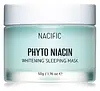
This brightening overnight mask is formulated around Niacinamide and Ceramide NP to brighten dull-looking skin and strengthen the skin barrier.
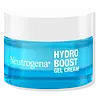
This barrier-repair moisturizer is formulated around Sodium Hyaluronate to strengthen the skin barrier and hydrate skin.


What's inside
What's inside
 Key Ingredients
Benefits
Concerns
Ingredients Side-by-side
Water
Skin ConditioningButylene Glycol
Humectant

Niacinamide 5%
Smoothing










Cyclopentasiloxane
Emollient
Glycerin
Humectant
1,2-Hexanediol
Skin Conditioning
Cyclohexasiloxane
Emollient
Dimethicone
Emollient
Ammonium Acryloyldimethyltaurate/Vp Copolymer
Trehalose
Humectant
Polyglyceryl-3 Methylglucose Distearate
Emulsifying

Tromethamine
BufferingDimethicone/Vinyl Dimethicone Crosspolymer
Skin Conditioning
PEG-20 Sorbitan Cocoate
Emulsifying


Carbomer
Emulsion StabilisingButyrospermum Parkii Butter
Skin Conditioning

Olea Europaea Fruit Oil
Masking

Caprylic/Capric Triglyceride
Masking
Squalane
Emollient
Hydrogenated Lecithin
Emulsifying
Dimethiconol
Emollient
Disodium EDTA
ChelatingMelia Azadirachta Leaf Extract
Skin ConditioningMelia Azadirachta Flower Extract
Skin ConditioningCoccinia Indica Fruit Extract
Skin Conditioning
Solanum Melongena Fruit Extract
Skin ConditioningSodium Hyaluronate
Humectant
Aloe Barbadensis Flower Extract
EmollientEchinacea Angustifolia Leaf Extract
MoisturisingHydrolyzed Sodium Hyaluronate
Skin Conditioning
Hydrolyzed Hyaluronic Acid
Humectant
Hyaluronic Acid
Humectant
Rosa Damascena Flower Water
Masking
Ceramide NP
Skin Conditioning
Cholesterol
Emollient
Sodium Hyaluronate Crosspolymer
Humectant
Hydroxypropyltrimonium Hyaluronate
Ocimum Sanctum Leaf Extract
Skin ConditioningPhytosphingosine
Skin Conditioning
Sodium Acetylated Hyaluronate
Humectant
Curcuma Longa Root Extract
Antioxidant
Corallina Officinalis Extract
Skin Conditioning
Centella Asiatica Extract
Cleansing
Camellia Sinensis Leaf Extract
Antimicrobial
Pentylene Glycol
Skin Conditioning
Madecassoside
Antioxidant
Hippophae Rhamnoides Fruit Extract
Skin Conditioning
Water, Butylene Glycol, Niacinamide 5%, Cyclopentasiloxane, Glycerin, 1,2-Hexanediol, Cyclohexasiloxane, Dimethicone, Ammonium Acryloyldimethyltaurate/Vp Copolymer, Trehalose, Polyglyceryl-3 Methylglucose Distearate, Tromethamine, Dimethicone/Vinyl Dimethicone Crosspolymer, PEG-20 Sorbitan Cocoate, Carbomer, Butyrospermum Parkii Butter, Olea Europaea Fruit Oil, Caprylic/Capric Triglyceride, Squalane, Hydrogenated Lecithin, Dimethiconol, Disodium EDTA, Melia Azadirachta Leaf Extract, Melia Azadirachta Flower Extract, Coccinia Indica Fruit Extract, Solanum Melongena Fruit Extract, Sodium Hyaluronate, Aloe Barbadensis Flower Extract, Echinacea Angustifolia Leaf Extract, Hydrolyzed Sodium Hyaluronate, Hydrolyzed Hyaluronic Acid, Hyaluronic Acid, Rosa Damascena Flower Water, Ceramide NP, Cholesterol, Sodium Hyaluronate Crosspolymer, Hydroxypropyltrimonium Hyaluronate, Ocimum Sanctum Leaf Extract, Phytosphingosine, Sodium Acetylated Hyaluronate, Curcuma Longa Root Extract, Corallina Officinalis Extract, Centella Asiatica Extract, Camellia Sinensis Leaf Extract, Pentylene Glycol, Madecassoside, Hippophae Rhamnoides Fruit Extract
Water
Skin ConditioningGlycerin
Humectant
Dimethicone
Emollient
Cetearyl Olivate
Sorbitan Olivate
Emulsifying
Sodium Hyaluronate
Humectant
Serine
Masking
Glycine
Buffering
Alanine
Masking
Threonine
Arginine
Masking
Proline
Skin Conditioning
Lysine Hcl
Skin Conditioning
Glutamic Acid
Humectant
Sodium PCA
Humectant
PCA
Humectant
Sodium Lactate
Buffering
Urea
Buffering
Sodium Chloride
MaskingCitric Acid
Buffering
Betaine
Humectant
Allantoin
Skin Conditioning
Fructose
Humectant
Maltose
MaskingTrehalose
Humectant
Glucose
Humectant
Pentylene Glycol
Skin Conditioning
Synthetic Beeswax
Emulsion Stabilising
Polyacrylate Crosspolymer-6
Emulsion StabilisingDimethicone Crosspolymer
Emulsion Stabilising
Dimethiconol
Emollient
Ethylhexylglycerin
Skin ConditioningCaprylyl Glycol
Emollient
Sodium Hydroxide
BufferingWater, Glycerin, Dimethicone, Cetearyl Olivate, Sorbitan Olivate, Sodium Hyaluronate, Serine, Glycine, Alanine, Threonine, Arginine, Proline, Lysine Hcl, Glutamic Acid, Sodium PCA, PCA, Sodium Lactate, Urea, Sodium Chloride, Citric Acid, Betaine, Allantoin, Fructose, Maltose, Trehalose, Glucose, Pentylene Glycol, Synthetic Beeswax, Polyacrylate Crosspolymer-6, Dimethicone Crosspolymer, Dimethiconol, Ethylhexylglycerin, Caprylyl Glycol, Sodium Hydroxide
Reviews
Ingredients Explained
These ingredients are found in both products.
Ingredients higher up in an ingredient list are typically present in a larger amount.
Dimethicone is a type of synthetic silicone created from natural materials such as quartz. It is also known as polydimethylsiloxane.
What it does:
Dimethicone comes in different viscosities:
Depending on the viscosity, dimethicone has different properties.
Ingredients lists don't always show which type is used, so we recommend reaching out to the brand if you have questions about the viscosity.
This ingredient is unlikely to cause irritation because it does not get absorbed into skin. However, people with silicone allergies should be careful about using this ingredient.
Note: Dimethicone may contribute to pilling. This is because it is not oil or water soluble, so pilling may occur when layered with products. When mixed with heavy oils in a formula, the outcome is also quite greasy.
Learn more about DimethiconeDimethiconol is a silicone that resembles the popular dimethicone. Like other silicones, it is an emollient. Emollients create a thin film on skin to prevent moisture from escaping.
This ingredient helps to create a silky texture and improve spreadability. Due to its high molecular weight and thickness, it is often combined with cyclopentasiloxane.
Glycerin (or glycerol) is a compound naturally found in your skin. It's a powerhouse humectant that pulls water into the stratum corneum.
Topically, glycerin does several things at once:
Your skin makes glycerin on its own (mostly from sebaceous oil breakdown) and shuttles it to your outermost layer of skin, or your epidermis, via aquaporin-3.
Aquaporin-3 is a transporter that is essential for normal skin hydration, elasticity, and repair. Interestingly, mice lacking in AQP3 have dry and less elastic skin that can be fully corrected with glycerin.
This ingredient is non-irritating, plays well with almost every ingredient, and works across all skin types. Typical use is anywhere between 3-10% but can go up to 79% in some leave-on products.
Just know very high concentrations (>40%) can feel tacky in low humidity.
Glycerin is the name for this ingredient in American English. British English uses Glycerol/Glycerine.
Learn more about GlycerinPentylene Glycol (1,2-pentanediol) is a multitasking little diol with three main roles in a formula:
Research on alkanediols (the family pentylene glycol belongs to) show they work by disrupting microbial cell membranes. This disruption helps the primary preservative system in a product work more effectively at lower doses.
On the safety side, the Cosmetic Ingredient Review Expert Panel has concluded this ingredient to be safe as used in current cosmetic practices + concentrations.
Typical use levels in a formula run about 1-5%.
Learn more about Pentylene GlycolSodium Hyaluronate is the salt form of hyaluronic acid. It is a long sugar chain that is naturally found in your skin, joints, and connective tissue that maintains hydration and elasticity.
In skincare, it works as a humectant. It pulls water from the environment and deeper layers of skin and binds it to the surface.
Interestingly, the size of the molecule affects its behavior:
Some clinical evidence links low molecular weight versions to improved wrinkle depth, elasticity, anti-inflammatory effects, and barrier repair.
Many serums use a blend of both weights so you can get surface hydration plus longer-lasting and deeper effects.
You'll typically see concentrations between 0.1-2% for this ingredient.
Learn more about Sodium HyaluronateTrehalose is a disaccharide made of two glucose molecules (glucose is sugar!). Trehalose is used to help moisturize skin. It also has antioxidant properties.
As a humectant, trehalose helps draw moisture from the air to your skin. This helps keep your skin hydrated.
Due to its antioxidant properties, trehalose may help with signs of aging. Antioxidants help fight free-radical molecules, unstable molecules that may damage your skin.
In medicine, trehalose and hyaluronic acid are used to help treat dry eyes.
Some animals, plants, and bacteria create trehalose as a source of energy to survive freeze or lack of water.
Learn more about TrehaloseWater. It's the most common cosmetic ingredient of all. You'll usually see it at the top of ingredient lists, meaning that it makes up the largest part of the product.
So why is it so popular? Water most often acts as a solvent - this means that it helps dissolve other ingredients into the formulation.
You'll also recognize water as that liquid we all need to stay alive. If you see this, drink a glass of water. Remember to stay hydrated!
Learn more about Water

