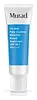
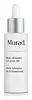
Murad Oil and Pore Control Mattifier Broad Spectrum SPF 45 PA++++ Versus Murad Multi-Vitamin Infusion Oil
This chemical sunscreen covers most of the UV range, lighter on the deep UVA that drives aging.
This brightening oil is formulated around Tetrahexyldecyl Ascorbate and Retinyl Propionate to brighten dull-looking skin.

What's inside
What's inside
 Key Ingredients
Benefits
Concerns
Ingredients Side-by-side
Butyl Methoxydibenzoylmethane 3%
UV Absorber
Homosalate 10%
Skin Conditioning
Ethylhexyl Salicylate 5%
UV Absorber
Octocrylene 5%
UV Absorber

Water
Skin ConditioningTapioca Starch
Polysilicone-11


Methyl Methacrylate Crosspolymer
Propanediol Dicaprylate
EmollientButylene Glycol
Humectant

Coconut Alkanes
Emollient

Cetearyl Alcohol
Emollient



C20-22 Alkyl Phosphate
EmulsifyingEnantia Chlorantha Bark Extract
Skin ConditioningButyl Avocadate
Skin Conditioning
Retinyl Palmitate
Skin Conditioning



Tocopheryl Acetate
Antioxidant

Ascorbyl Palmitate
Antioxidant
Sodium Hyaluronate
Humectant


Allantoin
Skin Conditioning
Zinc Gluconate
Skin Conditioning


Glycerin
Humectant
Oleanolic Acid
Skin ConditioningUrea
Buffering

Yeast Amino Acids
HumectantTrehalose
Humectant
Inositol
Humectant
Taurine
BufferingBetaine
Humectant
Coco-Caprylate/Caprate
Emollient
Hydrogenated Lecithin
Emulsifying
Coco-Glucoside
Cleansing
C20-22 Alcohols
Emulsion Stabilising
Laureth-12
EmulsifyingPolyacrylate Crosspolymer-6
Emulsion StabilisingSodium Hydroxide
BufferingDisodium EDTA
ChelatingEthylhexylglycerin
Skin ConditioningPhenoxyethanol
Preservative
Parfum
Masking

Limonene
Perfuming
Linalool
Perfuming
Citral
Perfuming
Butyl Methoxydibenzoylmethane 3%, Homosalate 10%, Ethylhexyl Salicylate 5%, Octocrylene 5%, Water, Tapioca Starch, Polysilicone-11, Methyl Methacrylate Crosspolymer, Propanediol Dicaprylate, Butylene Glycol, Coconut Alkanes, Cetearyl Alcohol, C20-22 Alkyl Phosphate, Enantia Chlorantha Bark Extract, Butyl Avocadate, Retinyl Palmitate, Tocopheryl Acetate, Ascorbyl Palmitate, Sodium Hyaluronate, Allantoin, Zinc Gluconate, Glycerin, Oleanolic Acid, Urea, Yeast Amino Acids, Trehalose, Inositol, Taurine, Betaine, Coco-Caprylate/Caprate, Hydrogenated Lecithin, Coco-Glucoside, C20-22 Alcohols, Laureth-12, Polyacrylate Crosspolymer-6, Sodium Hydroxide, Disodium EDTA, Ethylhexylglycerin, Phenoxyethanol, Parfum, Limonene, Linalool, Citral
Coconut Alkanes
Emollient
Simmondsia Chinensis Seed Oil
Emollient
Cocos Nucifera Oil
Masking
Moringa Oleifera Seed Oil
Emollient
Coco-Caprylate/Caprate
Emollient
Ethylene/Propylene/Styrene Copolymer
Tocopheryl Acetate
Antioxidant
Tetrahexyldecyl Ascorbate
Antioxidant
Cannabis Sativa Seed Oil
Emollient
Rosa Canina Seed Oil
Emollient
Retinyl Propionate
Skin Conditioning
Linoleic Acid
Cleansing
Linolenic Acid
Cleansing
Tocopherol
Antioxidant
Panthenyl Triacetate
Hexylresorcinol
Antimicrobial
7-Dehydrocholesterol
Emulsion StabilisingSalicylic Acid
Masking

Punica Granatum Sterols
Skin Conditioning
Rosmarinus Officinalis Leaf Extract
AntimicrobialOryza Sativa Bran Extract
Skin Conditioning
Helianthus Annuus Extract
Emollient
Zea Mays Oil
Emulsifying
Butylene/Ethylene/Styrene Copolymer
Parfum
Masking
Citral
Perfuming
Linalool
Perfuming
Limonene
Perfuming
Coconut Alkanes, Simmondsia Chinensis Seed Oil, Cocos Nucifera Oil, Moringa Oleifera Seed Oil, Coco-Caprylate/Caprate, Ethylene/Propylene/Styrene Copolymer, Tocopheryl Acetate, Tetrahexyldecyl Ascorbate, Cannabis Sativa Seed Oil, Rosa Canina Seed Oil, Retinyl Propionate, Linoleic Acid, Linolenic Acid, Tocopherol, Panthenyl Triacetate, Hexylresorcinol, 7-Dehydrocholesterol, Salicylic Acid, Punica Granatum Sterols, Rosmarinus Officinalis Leaf Extract, Oryza Sativa Bran Extract, Helianthus Annuus Extract, Zea Mays Oil, Butylene/Ethylene/Styrene Copolymer, Parfum, Citral, Linalool, Limonene
Reviews
Ingredients Explained
These ingredients are found in both products.
Ingredients higher up in an ingredient list are typically present in a larger amount.
Citral is the molecule responsible for the fresh lemon scent in lemon, lime, and lemongrass. It is a fragrance ingredient that can be created from plant essential oils or synthetically.
Though Citral has documented antimicrobial activity against acne bacteria (which is where the marketing claims about it being good for acne-prone skin originate), real formulas use it at fragrance-level concentrations under 1% so there's likely no skin benefit.
You should know this ingredient is a known EU fragrance allergen.
Animal studies classifies this ingredient as a weak-to-moderate skin sensitizer and clinical patch testing on eczema patients confirmed it to be both a contact allergen and irritant.
The term 'citral' is a collective term for two geometric isomers: geranial/Citral A and neral/Citral B.
The term 'fragrance' is not regulated in many countries. In many cases, it is up to the brand to define this term. For instance, many brands choose to label themselves as "fragrance-free" because they are not using synthetic fragrances. However, their products may still contain ingredients such as essential oils that are considered a fragrance.
Learn more about CitralCoco-Caprylate/Caprate is a lightweight ester created from coconut oil fatty acids, caprylic acid, and capric acid.
It is an emollient that helps soften skin and reduce transepidermal water loss (TEWL). What sets it apart from heavier emollients is its ultralight, non-greasy feel.
Once applied, this ingredient dries down quickly and leaves a dry, silky finish behind. This also helps improve spreadability and texture.
This ingredient has an excellent safety-record and is non-irritating.
Typical concentrations for cosmetics range from 0.5-62%.
Research on Malassezia growth found no growth on fatty acid esters with chain lengths shorter than 12 carbons (it prefers C11-24).
Since Coco-Caprylate/Caprate is built on C8 and C10 fatty acids, it is out of the range that Malassezia metabolizes, and therefore safe for fungal acne.
Learn more about Coco-Caprylate/CaprateThis is a lightweight, plant-derived emollient and solvent made from the fatty acids of coconut oil.
It spreads easily and adds a soft, silky, non-greasy slip, then evaporates rather than sinking into skin. Due to this behavior, it's prized as a natural and renewable replacement for silicones.
Typical use concentrations can go anywhere up to 20%.
The CIR Expert Panel has reviewed coconut oil and its hydrogenated derivatives and found them to be safe as used in cosmetics. It's a low-irritating and well-tolerated ingredient with no notable sensitization concerns.
Because it's a pure saturated hydrocarbon and not a free fatty acid or ester in the C11-24 range that Malassezia can feed on, it doesn't provide the lipids for Malassezia to feed on. This ingredient is generally regarded as safe for fungal acne.
There's no comedogenicity data for this specific ingredient; the "coconut clogs pores" reputation comes from coconut oil which scored high on the old rabbit ear assay.
That method tested pure ingredients on rabbit ears and later work showed the results translate inconsistently to human skin.
Some people still find it breaks them out. So if that's you, definitely trust your skin.
Learn more about Coconut AlkanesLimonene is the compound that gives citrus peel its smell.
In skincare, it shows up as a standalone fragrance ingredient or as a natural compound of citrus and other essential oils.
You'll typically see this ingredient used in very small amounts; anything above 0.001% in a leave-on product or 0.01% in a rinse-off has to be named on the label in the EU. The citrus oils that carry it sit around 0.5-1% in a finished formula.
Fresh limonene is a weak allergen; the real issue is that it slowly reacts with air and then breaks down from oxidation to create hydroperoxides (which are strong sensitizers). This is why suppliers are required to keep the peroxide value below 20 mmol.
Positive reactions in people being investigated for eczema vary:
It's worth skipping if you have a known fragrance allergy or a compromised barrier, but the risk is low for most people.
Older or long-opened products are also more likely to bother you than fresh ones due to oxidation.
Learn more about LimoneneLinalool is a small, naturally occurring scent molecule found in plants like lavender, coriander, bergamot, and more.
It is one of the two most-used fragrance ingredients in cosmetics and added purely for smell. Since it's not used for a skin benefit, there's no "effective dose". Concentration depends on the fragrance load of the product.
The EU requires it to be named on the label above 0.001% in leave-on and 0.01% in rinse-off products.
Fresh linalool is a weak sensitizer but air exposure turns some of it into hydroperoxides, which are strong sensitizers. Those oxidation products are the actual allergy concern.
Patch-test clinics see positive reactions to linalool hydroperoxides in about 4% to 12% of dermatitis patients depending on country and test concentration.
Resassuringly, one analytical study found hydroperoxide levels in real fragranced products to be orders of magnitude below what induced sensitization in animal studies with no evidence of oxidation building up during normal storage.
The practical takeaway is that linalool is fine for most people but worth avoiding if you have a confirmed fragrance contact allergy or a badly compromised barrier.
Products stored a long time after opening are also the high-risk scenario since that is when oxidation happens.
The scent of linalool is described as floral, spicy tropical, and citrus-like.
Learn more about LinaloolParfum is a catch-all term for an ingredient or more that is used to give a scent to products.
Also called "fragrance", this ingredient can be a blend of hundreds of chemicals or plant oils. This means every product with "fragrance" or "parfum" in the ingredients list is a different mixture.
For instance, Habanolide is a proprietary trade name for a specific aroma chemical. When used as a fragrance ingredient in cosmetics, most aroma chemicals fall under the broad labeling category of “FRAGRANCE” or “PARFUM” according to EU and US regulations.
The term 'parfum' or 'fragrance' is not regulated in many countries. In many cases, it is up to the brand to define this term.
For instance, many brands choose to label themselves as "fragrance-free" because they are not using synthetic fragrances. However, their products may still contain ingredients such as essential oils that are considered a fragrance by INCI standards.
One example is Calendula flower extract. Calendula is an essential oil that still imparts a scent or 'fragrance'.
Depending on the blend, the ingredients in the mixture can cause allergies and sensitivities on the skin. Some ingredients that are known EU allergens include linalool and citronellol.
Parfum can also be used to mask or cover an unpleasant scent.
The bottom line is: not all fragrances/parfum/ingredients are created equally. If you are worried about fragrances, we recommend taking a closer look at an ingredient. And of course, we always recommend speaking with a professional.
Learn more about ParfumTocopheryl Acetate is a stable, shelf-friendly form of vitamin E.
Formulators love it because plain vitamin E oxidizes quickly once it hits air. This acetate version stays stable and resists going off, helping to extend a product's shelf life.
It's actually inactive on its own and works like a slow-release "storage" form; the enzymes in your skin called esterases gradually convert it into active vitamin E over time.
One in vivo study showed 5% of the acetate in the living layer of the epidermis converted to vitamin E after 5 days of application. This study also found the skin gained protection against UV damage even though the conversion was slow and small.
Once converted, vitamin E acts as a skin's main fat-soluble antioxidant that fights free radicals to protect skin from damage.
Topical vitamin E generally boosts the skin's photoprotection, and it reduced UV-damage in animal models.
This ingredient has some brightening potential but it's more of a prevention ingredient than spot-fader. Cell studies show it can slow down melanin production but it's worth noting that it's not the most powerful brightener out there.
Overall, it has a pretty solid safety profile and has been found to be non-irritating and non-comedogenic. Allergic reactions may happen but stay rare due to how widely the ingredient gets used.
The concentration will vary depending on the formula; industry data shows 0.1% in baby lotions, 3% in lipsticks, and 5% in foot powders. You can also find this ingredient at 100% in a pure vitamin E oil.
Most leave-on skincare keeps it at the lower end, often between 0.5-1%.
Learn more about Tocopheryl Acetate

