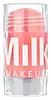
This brightening serum is formulated around Citrullus Lanatus Fruit Extract and Palmitoyl Tetrapeptide-7 to brighten dull-looking skin.
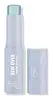
This hydrating serum is formulated around Squalane and Cucumis Sativus Fruit Extract to hydrate skin and strengthen the skin barrier.

What's inside
What's inside
 Key Ingredients
Benefits
Concerns
Ingredients Side-by-side
Water
Skin ConditioningButylene Glycol
Humectant

Bis-PEG-18 Methyl Ether Dimethyl Silane
EmollientSodium Stearate
CleansingPentylene Glycol
Skin Conditioning
Glycerin
Humectant
Oleth-2
EmulsifyingPhenoxyethanol
Preservative
Polysorbate 20
Emulsifying

Citrullus Lanatus Fruit Extract
Skin Conditioning
Pyrus Malus Fruit Extract
Skin Conditioning
Lens Esculenta Fruit Extract
Skin ConditioningCaprylyl Glycol
Emollient
Sea Water
HumectantStearic Acid
Cleansing
Hexylene Glycol
EmulsifyingSodium Lactate
Buffering
Lecithin
Emollient
Hydrolyzed Rice Protein
Skin ConditioningCarbomer
Emulsion StabilisingSodium PCA
Humectant
Tocopheryl Acetate
Antioxidant


Citrus Aurantium Amara Flower Water
MaskingBHT
Antioxidant
Potassium Sorbate
Preservative
Sodium Benzoate
Masking
Lepidium Sativum Sprout Extract
Skin ConditioningFragaria Vesca Fruit Extract
AstringentPalmitoyl Tetrapeptide-7
Skin Conditioning


Prunus Domestica Fruit Extract
MoisturisingCichorium Intybus Root Extract
MaskingLens Esculenta Seed Extract
Skin ProtectingChlorphenesin
Antimicrobial
Acacia Senegal Gum
MaskingPalmitoyl Tripeptide-1
Skin Conditioning
Opuntia Ficus-Indica Stem Extract
Skin Conditioning
Citric Acid
Buffering
Sodium Hyaluronate
Humectant

Ethylhexylglycerin
Skin ConditioningXanthan Gum
EmulsifyingAscorbic Acid
Antioxidant

Sorbic Acid
Preservative
CI 16035
Cosmetic ColorantCI 19140
Cosmetic ColorantWater, Butylene Glycol, Bis-PEG-18 Methyl Ether Dimethyl Silane, Sodium Stearate, Pentylene Glycol, Glycerin, Oleth-2, Phenoxyethanol, Polysorbate 20, Citrullus Lanatus Fruit Extract, Pyrus Malus Fruit Extract, Lens Esculenta Fruit Extract, Caprylyl Glycol, Sea Water, Stearic Acid, Hexylene Glycol, Sodium Lactate, Lecithin, Hydrolyzed Rice Protein, Carbomer, Sodium PCA, Tocopheryl Acetate, Citrus Aurantium Amara Flower Water, BHT, Potassium Sorbate, Sodium Benzoate, Lepidium Sativum Sprout Extract, Fragaria Vesca Fruit Extract, Palmitoyl Tetrapeptide-7, Prunus Domestica Fruit Extract, Cichorium Intybus Root Extract, Lens Esculenta Seed Extract, Chlorphenesin, Acacia Senegal Gum, Palmitoyl Tripeptide-1, Opuntia Ficus-Indica Stem Extract, Citric Acid, Sodium Hyaluronate, Ethylhexylglycerin, Xanthan Gum, Ascorbic Acid, Sorbic Acid, CI 16035, CI 19140
Octyldodecanol
Emollient
Neopentyl Glycol Diheptanoate
EmollientPropylene Glycol Dicaprylate/Dicaprate
EmollientDicaprylyl Carbonate
EmollientSqualane
Emollient
Isopropyl Isostearate
Emollient

Dibutyl Lauroyl Glutamide
Skin ConditioningCaprylic/Capric Triglyceride
Masking
Dibutyl Ethylhexanoyl Glutamide
Skin ConditioningCucumis Sativus Fruit Extract
Emollient
Cucumis Sativus Seed Oil
Emollient
Sodium Hyaluronate
Humectant
Tocopherol
Antioxidant
Camellia Sinensis Leaf Extract
Antimicrobial

Cananga Odorata Flower Extract
Perfuming


Cucumis Melo Fruit Extract
Skin ConditioningCucumis Melo Cantalupensis Fruit Extract
AstringentJasminum Officinale Flower/Leaf Extract
Masking
Pyrus Malus Fruit Extract
Skin Conditioning
Rose Extract
Skin ConditioningRicinus Communis Seed Oil
Masking
Rosmarinus Officinalis Leaf Extract
AntimicrobialLavandula Angustifolia Flower/Leaf/Stem Extract
Masking
Ethylhexyl Palmitate
Emollient
Coffea Arabica Seed Extract
Masking
Oryza Sativa Bran Extract
Skin Conditioning
Tribehenin
Emollient
Helianthus Annuus Extract
Emollient
Sorbitan Isostearate
Emulsifying
Caffeine
Skin Conditioning
Palmitoyl Tripeptide-1
Skin Conditioning
Rubus Idaeus Fruit Extract
AstringentSalvia Officinalis Leaf Extract
CleansingSantalum Album Wood Extract
Perfuming
Helianthus Annuus Seed Wax
Skin Conditioning
Phenoxyethanol
Preservative
CI 42090
Cosmetic ColorantMica
Cosmetic ColorantCI 60725
Cosmetic ColorantOctyldodecanol, Neopentyl Glycol Diheptanoate, Propylene Glycol Dicaprylate/Dicaprate, Dicaprylyl Carbonate, Squalane, Isopropyl Isostearate, Dibutyl Lauroyl Glutamide, Caprylic/Capric Triglyceride, Dibutyl Ethylhexanoyl Glutamide, Cucumis Sativus Fruit Extract, Cucumis Sativus Seed Oil, Sodium Hyaluronate, Tocopherol, Camellia Sinensis Leaf Extract, Cananga Odorata Flower Extract, Cucumis Melo Fruit Extract, Cucumis Melo Cantalupensis Fruit Extract, Jasminum Officinale Flower/Leaf Extract, Pyrus Malus Fruit Extract, Rose Extract, Ricinus Communis Seed Oil, Rosmarinus Officinalis Leaf Extract, Lavandula Angustifolia Flower/Leaf/Stem Extract, Ethylhexyl Palmitate, Coffea Arabica Seed Extract, Oryza Sativa Bran Extract, Tribehenin, Helianthus Annuus Extract, Sorbitan Isostearate, Caffeine, Palmitoyl Tripeptide-1, Rubus Idaeus Fruit Extract, Salvia Officinalis Leaf Extract, Santalum Album Wood Extract, Helianthus Annuus Seed Wax, Phenoxyethanol, CI 42090, Mica, CI 60725
Alternatives
Ingredients Explained
These ingredients are found in both products.
Ingredients higher up in an ingredient list are typically present in a larger amount.
Palmitoyl Tripeptide-1 (aka Pal-GHK) is a synthetic signal peptide made of three amino acids attached to palmitic acid.
That fatty acid attachment is the key: it boosts the peptide's ability to penetrate the skin barrier. This puts it closer to the dermal cells where it can actually make a difference.
Once there, it acts as a matrikine, a signaling peptide that prompts fibroblasts to produce more collagen, fibronectin, and hyaluronic acid.
In vitro studies show it can boost collagen production in skin cells even when UV-damaged skin samples were treated with it at a tiny concentration (it almost fully restored dermal collagen at 5ppm). It achieved this at 100x lower concentration than retinoic acid, which needed 500 ppm to do the same thing.
Human clinical data is promising, but modest:
A study of 23 female volunteers found a small but statistically significant increase (~4%) in skin thickness after treatment at 4 ppm.
A separate small trial of 15 women showed statistically significant reductions in wrinkle length, depth, and skin roughness after applying it twice daily for four weeks.
You'll likely see Pal-GHK paired with Palmitoyl Tetrapeptide-7 as part of the Matrixyl 3000 complex.
Fungal acne note:
Usually a palmitic acid component can feed Malassezia in unbound form, but here is is covalently bonded to the peptide. This means it is very difficult for Malassezia to access, and therefore very unlikely to cause fungal acne.
Phenoxyethanol is one of the most widely used preservatives in skincare (and for good reason!).
It has a large spectrum of antimicrobial activity and especially effective bacteria, yeast, and mold while only having a weak effect on your skin's natural microbiome.
On a cellular level, it disrupts the cell membranes of microbes by poking holes that make the cell leak. This shuts down the chemical reactions the microbe needs to make energy so it can no longer survive.
Another perk of this ingredient is that it stays functional across a wide pH range (3-10).
You'll often see it paired with boosters like Ethylhexylglycerin; one study showed that a 1:9 ratio of Ethylhexylglycerin to Phenoxyethanol damages bacterial membranes as effectively as doubling the Phenoxyethanol concentration on its own.
Typical use concentrations range from 0.3-1% depending on the formula, and this ingredient is capped at 1% int the EU.
Safety-wise, the fear mongering does not hold up to the evidence. The EU's Scientific Committee on Consumer Safety and FDA consider it safe as a preservative at up to 1%, including for children of all ages.
Adverse systemic effects only showed up in animal studies at exposures roughly 200x higher than what people get from cosmetics. And despite its very widespread use, this ingredient is a rare sensitizer and allergic reactions are uncommon.
Learn more about PhenoxyethanolPyrus Malus Fruit Extract is extract from Apples. Apples are rich in Vitamin C, sugars, and antioxidants.
The sugar in Apples are humectants and help hydrate the skin. On top of that, apples also contain some acids, such as malic acid. These acids may have a mild exfoliating effect.
Last, the phytochemicals found in apples are strong antioxidants. These antioxidants help with anti-aging as they protect your skin cells against oxidative damage.
Learn more about Pyrus Malus Fruit ExtractSodium Hyaluronate is the salt form of hyaluronic acid. It is a long sugar chain that is naturally found in your skin, joints, and connective tissue that maintains hydration and elasticity.
In skincare, it works as a humectant. It pulls water from the environment and deeper layers of skin and binds it to the surface.
Interestingly, the size of the molecule affects its behavior:
Some clinical evidence links low molecular weight versions to improved wrinkle depth, elasticity, anti-inflammatory effects, and barrier repair.
Many serums use a blend of both weights so you can get surface hydration plus longer-lasting and deeper effects.
You'll typically see concentrations between 0.1-2% for this ingredient.
Learn more about Sodium Hyaluronate

