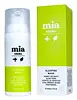
This hydrating overnight mask is formulated around Aloe Barbadensis Leaf Juice and Niacinamide to hydrate skin and strengthen the skin barrier.
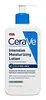
This barrier-repair moisturizer is formulated around Butyrospermum Parkii Butter and Ceramide NP to strengthen the skin barrier and hydrate skin.


What's inside
What's inside
 Key Ingredients
Benefits
Concerns
Ingredients Side-by-side
Water
Skin ConditioningGlycerin
Humectant


Aloe Barbadensis Leaf Juice
Skin Conditioning

Niacinamide
Smoothing







Propylene Glycol
Humectant

Centella Asiatica Leaf Extract
Skin Conditioning
Mel Extract
MoisturisingSorbitol
Humectant
Sodium Hyaluronate
Humectant
Hydrolyzed Hyaluronic Acid
Humectant
Hyaluronic Acid
Humectant
Panthenol
Skin Conditioning
Acrylates/C10-30 Alkyl Acrylate Crosspolymer
Emulsion StabilisingPropanediol
Solvent
Citric Acid
Buffering
Hydrolyzed Glycosaminoglycans
HumectantSodium Benzoate
Masking
Sodium Hyaluronate Crosspolymer
Humectant
Benzoic Acid
Masking
Dehydroacetic Acid
Preservative
Potassium Sorbate
Preservative
Ethylhexylglycerin
Skin ConditioningPhenoxyethanol
Preservative
Water, Glycerin, Aloe Barbadensis Leaf Juice, Niacinamide, Propylene Glycol, Centella Asiatica Leaf Extract, Mel Extract, Sorbitol, Sodium Hyaluronate, Hydrolyzed Hyaluronic Acid, Hyaluronic Acid, Panthenol, Acrylates/C10-30 Alkyl Acrylate Crosspolymer, Propanediol, Citric Acid, Hydrolyzed Glycosaminoglycans, Sodium Benzoate, Sodium Hyaluronate Crosspolymer, Benzoic Acid, Dehydroacetic Acid, Potassium Sorbate, Ethylhexylglycerin, Phenoxyethanol
Water
Skin ConditioningGlycerin
Humectant
Butyrospermum Parkii Butter
Skin Conditioning


Hydroxyethyl Urea
Humectant
Isopropyl Palmitate
Emollient
Propanediol
Solvent
Cetearyl Alcohol
Emollient

Octyldodecanol
Emollient
C15-19 Alkane
SolventGlycine
Buffering
Stearic Acid
Cleansing
Ceramide NP
Skin Conditioning
Ceramide AP
Skin Conditioning
Ceramide EOP
Skin Conditioning
Sorbitan Tristearate
EmulsifyingSorbitan Oleate
Emulsifying
Carbomer
Emulsion StabilisingGlyceryl Stearate
Emollient
Dimethicone
Emollient
Behentrimonium Methosulfate
SurfactantTriethyl Citrate
Masking

Isohexadecane
EmollientSodium PCA
Humectant
Serine
Masking
Sodium Lauroyl Lactylate
EmulsifyingSodium Hydroxide
BufferingMyristic Acid
Cleansing
Sodium Hyaluronate
Humectant
Cholesterol
Emollient
Palmitic Acid
Emollient
Alanine
Masking
Tocopherol
Antioxidant

Hydroxyacetophenone
Antioxidant
Caprylyl Glycol
Emollient
Hydroxyethylpiperazine Ethane Sulfonic Acid
BufferingTrisodium Ethylenediamine Disuccinate
Xanthan Gum
EmulsifyingPentaerythrityl Tetra-Di-T-Butyl Hydroxyhydrocinnamate
Antioxidant
Phytosphingosine
Skin Conditioning
Acrylamide/Sodium Acryloyldimethyltaurate Copolymer
Emulsion StabilisingAcrylates/C10-30 Alkyl Acrylate Crosspolymer
Emulsion StabilisingPolysorbate 80
Emulsifying
Benzoic Acid
Masking
PEG-100 Stearate
Surfactant
PEG-20 Methyl Glucose Sesquistearate
Emulsifying
Water, Glycerin, Butyrospermum Parkii Butter, Hydroxyethyl Urea, Isopropyl Palmitate, Propanediol, Cetearyl Alcohol, Octyldodecanol, C15-19 Alkane, Glycine, Stearic Acid, Ceramide NP, Ceramide AP, Ceramide EOP, Sorbitan Tristearate, Sorbitan Oleate, Carbomer, Glyceryl Stearate, Dimethicone, Behentrimonium Methosulfate, Triethyl Citrate, Isohexadecane, Sodium PCA, Serine, Sodium Lauroyl Lactylate, Sodium Hydroxide, Myristic Acid, Sodium Hyaluronate, Cholesterol, Palmitic Acid, Alanine, Tocopherol, Hydroxyacetophenone, Caprylyl Glycol, Hydroxyethylpiperazine Ethane Sulfonic Acid, Trisodium Ethylenediamine Disuccinate, Xanthan Gum, Pentaerythrityl Tetra-Di-T-Butyl Hydroxyhydrocinnamate, Phytosphingosine, Acrylamide/Sodium Acryloyldimethyltaurate Copolymer, Acrylates/C10-30 Alkyl Acrylate Crosspolymer, Polysorbate 80, Benzoic Acid, PEG-100 Stearate, PEG-20 Methyl Glucose Sesquistearate
Reviews
Ingredients Explained
These ingredients are found in both products.
Ingredients higher up in an ingredient list are typically present in a larger amount.
Acrylates/C10-30 Alkyl Acrylate Crosspolymer is a synthetic polymer. It is used to thicken, emulsify, and improve the texture of products.
As an emulsifier, it helps stabilize oil-in-water emulsions to give products an elegant feel when applied.
It can also form a thin protective film on skin. One study found that a formula using this polymer helped slow down how quickly other ingredients (like DEET) were absorbed through skin.
A 2024 study of over 1,300 patients confirmed that sensitization to this ingredient is rare. It is also non-mutagenic and has a clean track record.
Learn more about Acrylates/C10-30 Alkyl Acrylate CrosspolymerBenzoic Acid is an organic acid that shows up in cosmetics as a preservative. It helps keep a product from spoiling by holding back the growth of yeast, mold, and some bacteria.
This ingredient also functions as a fragrance ingredient that helps mask the unpleasant scent of other ingredients.
The way it works is worth understanding; benzoic acid works when the formula is acidic. It is able to sneak into a microbe's cell and mess up how it functions to stop it from growing in an acidic product.
However, the acid switches to an inactive form and stops working if a product isn't acidic enough (above ~5 pH). This is why you'll often see it in low pH products or teamed up with other preservatives to cover the gap.
Safety wise, it's one of the better studied preservatives out there.
The Cosmetic Ingredient Review Expert Panel has concluded this ingredient to be safe for use in cosmetic formulations at concentrations up to 5%.
A large international review found this ingredient had no effects on the human body and had low irritation potential.
Just so you know, real world use is usually much lower than the 5% ceiling (usually 1% of less).
The EU caps it at 2.5% in rinse-off products, 1.7% in oral care, and 0.5% in leave-on products.
One thing worth mentioning (it's nothing to worry about): some people get a little stinging or flushing where they apply it. This isn't a true allergy; it's a temporary and harmless reaction. This is the same kind of mild tingle you might notice from sorbic acid.
Learn more about Benzoic AcidGlycerin (or glycerol) is a compound naturally found in your skin. It's a powerhouse humectant that pulls water into the stratum corneum.
Topically, glycerin does several things at once:
Your skin makes glycerin on its own (mostly from sebaceous oil breakdown) and shuttles it to your outermost layer of skin, or your epidermis, via aquaporin-3.
Aquaporin-3 is a transporter that is essential for normal skin hydration, elasticity, and repair. Interestingly, mice lacking in AQP3 have dry and less elastic skin that can be fully corrected with glycerin.
This ingredient is non-irritating, plays well with almost every ingredient, and works across all skin types. Typical use is anywhere between 3-10% but can go up to 79% in some leave-on products.
Just know very high concentrations (>40%) can feel tacky in low humidity.
Glycerin is the name for this ingredient in American English. British English uses Glycerol/Glycerine.
Learn more about GlycerinPropanediol is an all-star ingredient. It softens, hydrates, and smooths the skin.
It’s often used to:
Propanediol is not likely to cause sensitivity and considered safe to use. It is derived from corn or petroleum with a clear color and no scent.
Learn more about PropanediolSodium Hyaluronate is the salt form of hyaluronic acid. It is a long sugar chain that is naturally found in your skin, joints, and connective tissue that maintains hydration and elasticity.
In skincare, it works as a humectant. It pulls water from the environment and deeper layers of skin and binds it to the surface.
Interestingly, the size of the molecule affects its behavior:
Some clinical evidence links low molecular weight versions to improved wrinkle depth, elasticity, anti-inflammatory effects, and barrier repair.
Many serums use a blend of both weights so you can get surface hydration plus longer-lasting and deeper effects.
You'll typically see concentrations between 0.1-2% for this ingredient.
Learn more about Sodium HyaluronateWater. It's the most common cosmetic ingredient of all. You'll usually see it at the top of ingredient lists, meaning that it makes up the largest part of the product.
So why is it so popular? Water most often acts as a solvent - this means that it helps dissolve other ingredients into the formulation.
You'll also recognize water as that liquid we all need to stay alive. If you see this, drink a glass of water. Remember to stay hydrated!
Learn more about Water

