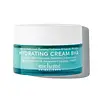
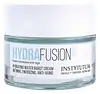
Melumé Skinscience Hydrating Cream 8HA Versus Instytutum Hydrating Hydrafusion 4D HA Water Burst Cream
This barrier-repair moisturizer is formulated around Squalane and Hydrolyzed Sodium Hyaluronate to strengthen the skin barrier and hydrate skin.


What's inside
What's inside
 Key Ingredients
Benefits
Concerns
Ingredients Side-by-side
Water
Skin ConditioningGlycerin
Humectant


Squalane
Emollient
Butylene Glycol
Humectant
Hydrolyzed Yeast Extract
Skin ConditioningPrunus Armeniaca Kernel Oil
Masking




Sodium Acrylates Copolymer
Undecane
EmollientMyristyl Myristate
Emollient
Melilotus Officinalis Extract
AstringentDolichos Biflorus Callus Extract
Skin ProtectingPolyglucuronic Acid
Skin ConditioningHydrolyzed Sodium Hyaluronate
Skin Conditioning
Hydrolyzed Hyaluronic Acid
Humectant
Sodium Acetylated Hyaluronate
Humectant
Sodium Hyaluronate Crosspolymer
Humectant
Sodium Hyaluronate
Humectant
Hydrolyzed Jojoba Esters
Skin Conditioning
Allantoin
Skin Conditioning
Tocopherol
Antioxidant



Lecithin
Emollient
Biosaccharide Gum-1
Humectant
Tridecane
Perfuming

Cetyl Hydroxyethylcellulose
Emulsion StabilisingPentylene Glycol
Skin Conditioning
Propanediol
Solvent
Maltodextrin
Absorbent
Ethylhexylglycerin
Skin ConditioningCaprylyl Glycol
Emollient
Glyceryl Caprylate
EmollientAlcohol
Antimicrobial


Potassium Sorbate
Preservative
Sodium Benzoate
Masking
Water, Glycerin, Squalane, Butylene Glycol, Hydrolyzed Yeast Extract, Prunus Armeniaca Kernel Oil, Sodium Acrylates Copolymer, Undecane, Myristyl Myristate, Melilotus Officinalis Extract, Dolichos Biflorus Callus Extract, Polyglucuronic Acid, Hydrolyzed Sodium Hyaluronate, Hydrolyzed Hyaluronic Acid, Sodium Acetylated Hyaluronate, Sodium Hyaluronate Crosspolymer, Sodium Hyaluronate, Hydrolyzed Jojoba Esters, Allantoin, Tocopherol, Lecithin, Biosaccharide Gum-1, Tridecane, Cetyl Hydroxyethylcellulose, Pentylene Glycol, Propanediol, Maltodextrin, Ethylhexylglycerin, Caprylyl Glycol, Glyceryl Caprylate, Alcohol, Potassium Sorbate, Sodium Benzoate
Water
Skin ConditioningGlycerin
Humectant
Squalane
Emollient
Prunus Armeniaca Kernel Oil
Masking
Butylene Glycol
Humectant
Undecane
EmollientSodium Acrylates Copolymer
Tocopheryl Acetate
Antioxidant
Panthenol
Skin Conditioning
Phenoxyethanol
Preservative
Tridecane
Perfuming
Lecithin
Emollient
Hydrolyzed Jojoba Esters
Skin Conditioning
Disodium Adenosine Triphosphate
Skin ConditioningParfum
Masking
Ethylhexylglycerin
Skin ConditioningDisodium EDTA
ChelatingSclerotium Gum
Emulsion StabilisingPentylene Glycol
Skin Conditioning
Alcohol
Antimicrobial
Caprylic/Capric Triglyceride
Masking
Algin
MaskingCarica Papaya Fruit Extract
Skin ConditioningSodium Hydroxide
BufferingSodium Acetylated Hyaluronate
Humectant
Sodium Hyaluronate
Humectant
Benzyl Alcohol
Perfuming
Linalool
Perfuming
Sodium Hyaluronate Crosspolymer
Humectant
Pantolactone
Humectant
Benzyl Salicylate
Perfuming
Ascorbyl Palmitate
Antioxidant
Hydrolyzed Sodium Hyaluronate
Skin Conditioning
Tetradecyl Aminobutyroylvalylaminobutyric Urea Trifluoroacetate
Skin ConditioningAlpha-Isomethyl Ionone
Perfuming
Citric Acid
Buffering
Limonene
Perfuming
Citronellol
Perfuming
Magnesium Chloride
Ascorbic Acid
Antioxidant
Tocopherol
Antioxidant
Helianthus Annuus Seed Oil
Emollient
CI 42090
Cosmetic ColorantCI 60730
Cosmetic ColorantWater, Glycerin, Squalane, Prunus Armeniaca Kernel Oil, Butylene Glycol, Undecane, Sodium Acrylates Copolymer, Tocopheryl Acetate, Panthenol, Phenoxyethanol, Tridecane, Lecithin, Hydrolyzed Jojoba Esters, Disodium Adenosine Triphosphate, Parfum, Ethylhexylglycerin, Disodium EDTA, Sclerotium Gum, Pentylene Glycol, Alcohol, Caprylic/Capric Triglyceride, Algin, Carica Papaya Fruit Extract, Sodium Hydroxide, Sodium Acetylated Hyaluronate, Sodium Hyaluronate, Benzyl Alcohol, Linalool, Sodium Hyaluronate Crosspolymer, Pantolactone, Benzyl Salicylate, Ascorbyl Palmitate, Hydrolyzed Sodium Hyaluronate, Tetradecyl Aminobutyroylvalylaminobutyric Urea Trifluoroacetate, Alpha-Isomethyl Ionone, Citric Acid, Limonene, Citronellol, Magnesium Chloride, Ascorbic Acid, Tocopherol, Helianthus Annuus Seed Oil, CI 42090, CI 60730
Ingredients Explained
These ingredients are found in both products.
Ingredients higher up in an ingredient list are typically present in a larger amount.
This ingredient is also called ethanol or ethyl alcohol. It is denatured, meaning made undrinkable for cosmetic use.
In formulas, it:
Is it bad for your skin?
The answer comes down to concentration. Patch and wash studies have found highly concentrated alcohol-based hand rubs (60-100%) cause less barrier disruption than washing with a basic detergent like SLS. The only measurable effect in these studies was a temporary dip in skin hydration.
Concentrations below 12-15% in leave-on cosmetics is generally well-tolerated. Concentrations above start to see increased transepidermal water loss (TEWL) and reduced hydration.
In concentrations about 58%, it creates temporary channels in your skin's lipid layers to become more permeable and allow other ingredients to slip through easily.
This ingredient can be up to 80% of the formula in alcohol-based perfumes.
Overall, this ingredient is probably harmless if found lower down an ingredients list but worth side-eyeing if it's high up (especially if your barrier is already struggling).
Alcohol can worsen dry skin, eczema, and oily skin, especially at higher concentrations. This is because it can increase transepidermal water loss and decrease hydration to disrupt the skin barrier.
According to the National Rosacea Society based in the US, you should be mindful of products with these alcohols in the top half of ingredients.
True allergic contact dermatitis to ethanol is uncommon, but be sure to patch test if you have dry or sensitive skin.
Learn more about AlcoholButylene Glycol (or BG) is used within cosmetic products for a few different reasons:
Overall, Butylene Glycol is a safe and well-rounded ingredient that works well with other ingredients.
Though this ingredient works well with most skin types, some people with sensitive skin may experience a reaction such as allergic rashes, closed comedones, or itchiness.
Learn more about Butylene GlycolEthylhexylglycerin is created from glycerin. It is a multitasker ingredient that:
The CIR Expert Panel found minimal skin absorption or sensitization of any kind in a safety assessment. Though this ingredient is considered well-tolerated, a small number of cases of allergic dermatitis have been published since 2002. Just be sure to patch test if you are unsure.
Industry-reported use ranges from 8% in rinse-off products and 2% in leave-on formulations.
Learn more about EthylhexylglycerinGlycerin (or glycerol) is a compound naturally found in your skin. It's a powerhouse humectant that pulls water into the stratum corneum.
Topically, glycerin does several things at once:
Your skin makes glycerin on its own (mostly from sebaceous oil breakdown) and shuttles it to your outermost layer of skin, or your epidermis, via aquaporin-3.
Aquaporin-3 is a transporter that is essential for normal skin hydration, elasticity, and repair. Interestingly, mice lacking in AQP3 have dry and less elastic skin that can be fully corrected with glycerin.
This ingredient is non-irritating, plays well with almost every ingredient, and works across all skin types. Typical use is anywhere between 3-10% but can go up to 79% in some leave-on products.
Just know very high concentrations (>40%) can feel tacky in low humidity.
Glycerin is the name for this ingredient in American English. British English uses Glycerol/Glycerine.
Learn more about GlycerinHydrolyzed Jojoba Esters (HJE) are an emollient and skin-conditioning agent made by breaking down jojoba oil into a blend of fatty acids and fatty alcohols.
Jojoba is pretty cool because it's a liquid wax ester rather than a triglyceride like most plant oils. Its structure closely resembles the wax esters in human sebum so it slots nicely into the skin's own lipid layer.
In cosmetics, HJE works mainly to soften skin, reinforce the barrier, and lock in moisture by reducing water loss. This ingredient also holds onto the skin even after rinsing which is why you'll see it in cleansers or wipes.
There's a decent clinical backing for the moisturizing claims: a small controlled study found that pairing HJE with glycerin lowered transepidermal water loss significantly than glycerin alone (and this effect lasted up to 24 hours).
Follow-up work showed HJE appear to "trap" glycerin in the film they form on skin to boost its hydrating power.
Typical use levels are low: the glycering-synergy research used around 1.25% (a common pairing is roughly 1.25% HJE and 3.75% glycerin).
This ingredient has been found safe as used in cosmetics with low irritation risk.
As for fungal acne, the fatty acids and alcohols in jojoba fall in roughly the C18-24 range. This overlaps the C11-24 window that Malassezia yeast can feed on in lab studies, so this ingredient may not be fungal acne safe.
Learn more about Hydrolyzed Jojoba EstersThis ingredient is created by putting sodium hyaluronate through hydrolysis.
You might know this as 'mini' or 'ultra low-molecular weight' hyaluronic acid. The small molecule size means it is able to travel deeper in the skin.
According to studies, low molecular-weight hyaluronic acid can:
One study from 2011 found ultra-low weight HA to show pro-inflammatory properties. Another study from 2022 found it to downregulate UV-B induced inflammation.
Hydrolysis is a process of changing a molecule using water or enzymes.
This ingredient is water-soluble.
Learn more about Hydrolyzed Sodium HyaluronateLecithin is a term for a group of substances found in the cell membranes of plants, animals, and humans. They are made up of phospholipids.
Thanks to its amphiphilic structure (water-loving head and oil-loving tail), it is a true multitasker:
It plays well with most ingredients and is typically used at 0.1-1%. However, concentrations up to 50% have been reported in moisturizers.
Learn more about LecithinPentylene Glycol (1,2-pentanediol) is a multitasking little diol with three main roles in a formula:
Research on alkanediols (the family pentylene glycol belongs to) show they work by disrupting microbial cell membranes. This disruption helps the primary preservative system in a product work more effectively at lower doses.
On the safety side, the Cosmetic Ingredient Review Expert Panel has concluded this ingredient to be safe as used in current cosmetic practices + concentrations.
Typical use levels in a formula run about 1-5%.
Learn more about Pentylene GlycolThis ingredient is also known as Apricot kernel oil, and it comes form the seed kernels of apricot (a member of the Rosaceae family like almond, peach, cherry, and plum).
It's mostly made up of triglycerides: oleic acid (43.9-78.5%), linoleic acid (9.7-37%), and palmitic acid (4.9-7.3%). These numbers vary depending on the variety of Prunus and the ripeness of the fruit; oleic tends to go up at late harvest while linoleic goes down.
Vitamin E is also prevalent in this ingredient and the most dominant form is gamma-tocopherol.
These compounds give the ingredient emollient and skin conditioning properties that keep the skin soft and hydrated.
There's no regulatory maximum cap for this ingredient so you'll see it across a huge concentration range (100% as a single ingredient facial oil).
On allergies: refined cosmetic-grade oils carry almost no protein. The CIR notes that people allergic to a food generally do not react to the refined oil because the allergenic protein does not partition into it (though cold-pressed grades retain more).
However, it's worth patch testing if you have a stone fruit or tree nut allergy because manufacturer processes for removing the protein can vary.
Malassezia lacks the cytosolic fatty acid synthase gene so the yeast cannot make palmitate on its own and instead uses lipases and phospholipases to release fatty acids from host lipids. Since apricot kernel oil is entirely C16-18 (right in the usable range of C11-24), this ingredient may not be fungal acne safe.
Old rabbit-ear testing did assign this ingredient a comedogenic rating of 1-2. The original author has stated that testing on rabbit ears is not an ideal model for human comedogenicity.
Human testing has proved that any finished product with a comedogenic ingredient won't automatically make you break out; it really comes down to concentration, formula, and your skin.
Just know high-oleic oils tend to feel heavier on oily skin so it's worth patch testing.
Learn more about Prunus Armeniaca Kernel OilSodium Acetylated Hyaluronate is a type of Hyaluronic Acid.
Hyaluronic Acids help moisturize, soothe, and protect the skin.
Read about common types of Hyaluronic Acid here:
Learn more about Sodium Acetylated HyaluronateThis ingredient is a synthetic, salt form polymer built from acrylic acid, ethacrylic acid, or their simple esters. It works as a binder, film former, and viscosity increasing agent.
Typical concentrations start at around 0.5% but can go up to 25% for film-forming or binding.
The CIR Expert Panel assessed the safety of 126 acrylates copolymers and concluded they are safe in cosmetics at current use levels when formulated to be non-irritating. They also noted the levels present in finished cosmetic products are not considered a safety risk and Genotoxicity testing (Ames tests, chromosomal aberration assays) has come back negative across the board.
Though the raw building blocks (like acrylic acid) can be irritating on their own, cosmetic-grade versions go through purification to keep levels extremely low.
Sodium Acrylates Copolymer is a large molecule that doesn't penetrate skin barrier in any meaningful way.
Learn more about Sodium Acrylates CopolymerSodium Hyaluronate is the salt form of hyaluronic acid. It is a long sugar chain that is naturally found in your skin, joints, and connective tissue that maintains hydration and elasticity.
In skincare, it works as a humectant. It pulls water from the environment and deeper layers of skin and binds it to the surface.
Interestingly, the size of the molecule affects its behavior:
Some clinical evidence links low molecular weight versions to improved wrinkle depth, elasticity, anti-inflammatory effects, and barrier repair.
Many serums use a blend of both weights so you can get surface hydration plus longer-lasting and deeper effects.
You'll typically see concentrations between 0.1-2% for this ingredient.
Learn more about Sodium HyaluronateSodium Hyaluronate Crosspolymer is a crosslinked version of sodium hyaluronate. This just means it's linked into a 3D mesh network that lets it be more stable and sit on skin as a cohesive, gel-like film rather than sinking into skin.
A 2016 human skin study found crosslinked HA increased epidermal water content by 7.6% over the control group and reduced transepidermal water loss by 27.8%.
A follow-up clinical trial found that a topical crosslinked HA serum applied after fillers, microneedling, or chemical peels was well-tolerated and enhanced skin quality at 14 / 28 days.
More recent research suggests that concentrations as low as 0.03% can act as a penetration enhancer for other skincare actives.
Learn more about Sodium Hyaluronate CrosspolymerSqualane is the hydrogenated and shelf-stable form of squalene (a lipid that naturally occurs in human sebum).
It is an emollient and skin conditioning agent that is able to integrate seamlessly into the skin's lipid barrier without clogging pores.
This is due to how structurally similar it is to what your skin already produces.
Though it is mostly an emollient that helps soften and hydrate skin, it also has some humectant and occlusive action. Humectants help the skin retain moisture while occlusives seal it in, making squalane a triple-threat moisturizer.
Research shows it has antioxidant capabilities that help protect against stressors like UV exposure, specifically UVA induced oxidative stress. This study also found that it supports collagen biosynthesis in human dermal fibroblasts.
No clinical study has reported significant adverse effects and irritation reactions are very rare from this ingredient (even at 100% concentration).
Overall, it's a fantastic ingredient for hydration and is suitable for all skin types.
This depends on the source. Squalane can be derived from both plants and animals. Most squalane used in skincare comes from plants.
Please note: the source of squalane is only known if disclosed by the brand. We recommend reaching out to the brand if you have any questions about their squalane.
Read more about squalene with an "e".
Though squalane is often called an oil, it’s technically not one. It is a hydrocarbon, meaning it is only made of carbon and hydrogen. True oils are triglycerides and made of fatty acids and glycerol.
The term “oil-free” isn’t regulated so companies can define it however they want. Some exclude all oils, while others just avoid mineral oil or comedogenic oils.
Squalane has a comedogenic rating of 1 from the original 1972 study that tested raw ingredients under occlusion on rabbit ears. This system is not standardized or peer-reviewed, and using the raw ingredients is very different from how diluted cosmetic formulations are used on human skin.
A comedogenic rating of 1 means it is "unlikely to clog pores" according to the original rating system.
The overall formula of a product matters more than the individual ingredients on whether or not it will cause clogged pores.
Learn more about SqualaneTocopherol is a fat-soluble antioxidant known as Vitamin E.
You'll find this ingredient in the vast majority of skincare (for good reason). It works to neutralize free radicals, or unstable molecules generated by UV exposure, pollution, and other environmental stressors, before they can cause oxidative damage to your skin cells.
Topically applied tocopherol has been shown to protect against UV damage by ramping up the skin's own natural defense enzymes.
It also acts as a skin conditioning agent; some studies show that regular topical use can improve the skin's water-binding capacity over 2-4 weeks.
This ingredient is especially loved for being a team player. When combined with Vitamin C, the photoprotective effect of both ingredients roughly doubles and the combo also helps reduce UV-induced DNA damage.
This ingredient has some brightening potential but it's more of a prevention ingredient than spot-fader. Cell studies show it can slow down melanin production but it's worth noting that it's not the most powerful brightener out there.
In formulations, it also serves as a stabilizer that helps protect other oxidation-prone ingredients from degrading.
Concentrations usually range from 0.1-1% in most leave-on products.
Learn more about TocopherolTridecane is a lightweight emollient and fragrancing ingredient. It is a paraffin and often called a silicone alternative.
According to official INCI guidelines, this ingredient is used to give a light odor to raw materials. It is often used as a starter ingredient to create parfum.
This ingredient can be derived from palm oil, or coconut oil. It is also naturally found in certain species of organisms.
According to the NOAA, this ingredient can cause skin sensitivity with prolonged use. However, this warning is taken from the Coast Guard and no studies have been done on this in relation to cosmetics.
Tridecane is not water soluble.
Learn more about TridecaneUndecane is an emollient and helps create a lightweight base for products.
Is is not soluble in water and naturally occurring in some species.
Water. It's the most common cosmetic ingredient of all. You'll usually see it at the top of ingredient lists, meaning that it makes up the largest part of the product.
So why is it so popular? Water most often acts as a solvent - this means that it helps dissolve other ingredients into the formulation.
You'll also recognize water as that liquid we all need to stay alive. If you see this, drink a glass of water. Remember to stay hydrated!
Learn more about Water

