

What's inside
What's inside
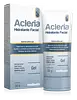 Key Ingredients
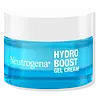
Benefits
Concerns
Ingredients Side-by-side
Water
Skin ConditioningGlycerin
Humectant


Galactoarabinan

Phenoxyethanol
Preservative
Potassium Sorbate
Preservative
Sodium Acrylates Crosspolymer-2
AbsorbentLecithin
Emollient
Pentylene Glycol
Skin Conditioning
Tocopherol
Antioxidant




Sodium Hydroxide
BufferingIsostearyl Isostearate
Emollient


Isopentyldiol
Humectant
Glycolic Acid
Buffering






Lactic Acid
Buffering
Sodium Magnesium Silicate
Citric Acid
Buffering
Xanthan Gum
EmulsifyingHydrolyzed Wheat Protein
Skin ConditioningZinc Chloride
AntimicrobialCinnamomum Zeylanicum Bark Extract
Antimicrobial
Thymus Vulgaris Extract
Perfuming
Malva Sylvestris Flower/Leaf/Stem Extract
Skin ConditioningHamamelis Virginiana Extract
Antiseborrhoeic
Benzyl Alcohol
Perfuming


Dehydroacetic Acid
Preservative
Lactobacillus Ferment Lysate
Skin Conditioning
Sodium Benzoate
Masking
Aloe Barbadensis Leaf Juice
Skin Conditioning
Butylene Glycol
Humectant
Hyaluronic Acid
Humectant
Silanetriol
Sorbic Acid
Preservative
Hydroxyethyl Acrylate/Sodium Acryloyldimethyl Taurate Copolymer
Emulsion StabilisingPolysorbate 80
Emulsifying
Sorbitan Isostearate
Emulsifying
Hydroxyacetophenone
Antioxidant
Methyl Gluceth-20
Humectant
Caprylic/Capric Triglyceride
Masking
Morinda Citrifolia Callus Culture Lysate
Skin ConditioningZinc PCA
Humectant
Ganoderma Lucidum Extract
Skin Protecting
Propanediol
Solvent
1,2-Hexanediol
Skin Conditioning
Caprylyl Glycol
Emollient
Silica
Abrasive
Polyacrylate Crosspolymer-6
Emulsion StabilisingT-Butyl Alcohol
Perfuming
Hydroxyphenyl Propamidobenzoic Acid
Skin ConditioningAscorbyl Palmitate
Antioxidant
Panthenol
Skin Conditioning
Maltodextrin
Absorbent
Bixa Orellana Seed Extract
MaskingTitanium Dioxide
Cosmetic Colorant

Mica
Cosmetic ColorantTin Oxide
Abrasive
Disodium EDTA
Parfum
Masking
Water, Glycerin, Galactoarabinan, Phenoxyethanol, Potassium Sorbate, Sodium Acrylates Crosspolymer-2, Lecithin, Pentylene Glycol, Tocopherol, Sodium Hydroxide, Isostearyl Isostearate, Isopentyldiol, Glycolic Acid, Lactic Acid, Sodium Magnesium Silicate, Citric Acid, Xanthan Gum, Hydrolyzed Wheat Protein, Zinc Chloride, Cinnamomum Zeylanicum Bark Extract, Thymus Vulgaris Extract, Malva Sylvestris Flower/Leaf/Stem Extract, Hamamelis Virginiana Extract, Benzyl Alcohol, Dehydroacetic Acid, Lactobacillus Ferment Lysate, Sodium Benzoate, Aloe Barbadensis Leaf Juice, Butylene Glycol, Hyaluronic Acid, Silanetriol, Sorbic Acid, Hydroxyethyl Acrylate/Sodium Acryloyldimethyl Taurate Copolymer, Polysorbate 80, Sorbitan Isostearate, Hydroxyacetophenone, Methyl Gluceth-20, Caprylic/Capric Triglyceride, Morinda Citrifolia Callus Culture Lysate, Zinc PCA, Ganoderma Lucidum Extract, Propanediol, 1,2-Hexanediol, Caprylyl Glycol, Silica, Polyacrylate Crosspolymer-6, T-Butyl Alcohol, Hydroxyphenyl Propamidobenzoic Acid, Ascorbyl Palmitate, Panthenol, Maltodextrin, Bixa Orellana Seed Extract, Titanium Dioxide, Mica, Tin Oxide, Disodium EDTA, Parfum
Water
Skin ConditioningGlycerin
Humectant
Dimethicone
Emollient
Cetearyl Olivate
Sorbitan Olivate
Emulsifying
Sodium Hyaluronate
Humectant
Serine
Masking
Glycine
Buffering
Alanine
Masking
Threonine
Arginine
Masking
Proline
Skin Conditioning
Lysine Hcl
Skin Conditioning
Glutamic Acid
Humectant
Sodium PCA
Humectant
PCA
Humectant
Sodium Lactate
Buffering
Urea
Buffering
Sodium Chloride
MaskingCitric Acid
Buffering
Betaine
Humectant
Allantoin
Skin Conditioning
Fructose
Humectant
Maltose
MaskingTrehalose
Humectant
Glucose
Humectant
Pentylene Glycol
Skin Conditioning
Synthetic Beeswax
Emulsion Stabilising
Polyacrylate Crosspolymer-6
Emulsion StabilisingDimethicone Crosspolymer
Emulsion Stabilising
Dimethiconol
Emollient
Ethylhexylglycerin
Skin ConditioningCaprylyl Glycol
Emollient
Sodium Hydroxide
BufferingWater, Glycerin, Dimethicone, Cetearyl Olivate, Sorbitan Olivate, Sodium Hyaluronate, Serine, Glycine, Alanine, Threonine, Arginine, Proline, Lysine Hcl, Glutamic Acid, Sodium PCA, PCA, Sodium Lactate, Urea, Sodium Chloride, Citric Acid, Betaine, Allantoin, Fructose, Maltose, Trehalose, Glucose, Pentylene Glycol, Synthetic Beeswax, Polyacrylate Crosspolymer-6, Dimethicone Crosspolymer, Dimethiconol, Ethylhexylglycerin, Caprylyl Glycol, Sodium Hydroxide
Reviews
Ingredients Explained
These ingredients are found in both products.
Ingredients higher up in an ingredient list are typically present in a larger amount.
Caprylyl Glycol is a humectant, skin conditioner, emollient, and preservative booster derived from either caprylic acid or synthetically created.
Typical use levels vary from 0.3-1% as a preservative booster and go up to 2% to condition skin.
Because it is not a free-fatty acid, this ingredient is fungal acne safe (there's nothing for Malassezia to feed on).
Learn more about Caprylyl GlycolCitric Acid is an alpha hydroxy acid (AHA) naturally found in citrus fruits like oranges, lemons, and limes.
Like other AHAs, citric acid can exfoliate skin by breaking down the bonds that hold dead skin cells together. This helps reveal smoother and brighter skin underneath.
However, this exfoliating effect only happens at high concentrations (20%) which can be hard to find in cosmetic products.
Due to this, citric acid is usually included in small amounts as a pH adjuster. This helps keep products slightly more acidic and compatible with skin's natural pH.
In skincare formulas, citric acid can:
While it can provide some skin benefits, research shows lactic acid and glycolic acid are generally more effective and less irritating exfoliants.
Most citric acid used in skincare today is made by fermenting sugars (usually from molasses). This synthetic version is identical to the natural citrus form but easier to stabilize and use in formulations.
Read more about some other popular AHA's here:
Learn more about Citric AcidGlycerin (or glycerol) is a compound naturally found in your skin. It's a powerhouse humectant that pulls water into the stratum corneum.
Topically, glycerin does several things at once:
Your skin makes glycerin on its own (mostly from sebaceous oil breakdown) and shuttles it to your outermost layer of skin, or your epidermis, via aquaporin-3.
Aquaporin-3 is a transporter that is essential for normal skin hydration, elasticity, and repair. Interestingly, mice lacking in AQP3 have dry and less elastic skin that can be fully corrected with glycerin.
This ingredient is non-irritating, plays well with almost every ingredient, and works across all skin types. Typical use is anywhere between 3-10% but can go up to 79% in some leave-on products.
Just know very high concentrations (>40%) can feel tacky in low humidity.
Glycerin is the name for this ingredient in American English. British English uses Glycerol/Glycerine.
Learn more about GlycerinPentylene glycol is typically used within a product to thicken it. It also adds a smooth, soft, and moisturizing feel to the product. It is naturally found in plants such as sugar beets.
The hydrophilic trait of Pentylene Glycol makes it a humectant. As a humectant, Pentylene Glycol helps draw moisture from the air to your skin. This can help keep your skin hydrated.
This property also makes Pentylene Glycol a great texture enhancer. It can also help thicken or stabilize a product.
Pentylene Glycol also acts as a mild preservative and helps to keep a product microbe-free.
Some people may experience mild eye and skin irritation from Pentylene Glycol. We always recommend speaking with a professional about using this ingredient in your routine.
Pentylene Glycol has a low molecular weight and is part of the 1,2-glycol family.
Learn more about Pentylene GlycolPolyacrylate Crosspolymer-6 is a texture enhancer and pH adjuster.
It is be used to thicken water-based products and create a gel-texture with a velvet feel.
One manufacturer claims this ingredient to have a pH range of 2-8 and to be biodegradable.
This ingredient is also known as Sepimax Zen.
Learn more about Polyacrylate Crosspolymer-6Sodium Hydroxide is also known as lye or caustic soda. It is used to adjust the pH of products; many ingredients require a specific pH to be effective.
In small amounts, sodium hydroxide is considered safe to use. However, large amounts may cause chemical burns due to its high alkaline.
Your skin has a natural pH and acid mantle. This acid mantle helps prevent harmful bacteria from breaking through. The acid mantle also helps keep your skin hydrated.
"Alkaline" refers to a high pH level. A low pH level would be considered acidic.
Learn more about Sodium HydroxideWater. It's the most common cosmetic ingredient of all. You'll usually see it at the top of ingredient lists, meaning that it makes up the largest part of the product.
So why is it so popular? Water most often acts as a solvent - this means that it helps dissolve other ingredients into the formulation.
You'll also recognize water as that liquid we all need to stay alive. If you see this, drink a glass of water. Remember to stay hydrated!
Learn more about Water
