

What's inside
What's inside
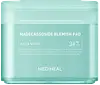 Key Ingredients
Benefits
Concerns
Ingredients Side-by-side
Water
Skin ConditioningDipropylene Glycol
HumectantGlycereth-26
Humectant
Niacinamide
Smoothing











Glycerin
Humectant
1,2-Hexanediol
Skin Conditioning
Diphenyl Dimethicone
Emollient
Triethylhexanoin
MaskingHydroxyacetophenone
Antioxidant
Hydrogenated Lecithin
Emulsifying
Polyglyceryl-10 Oleate
Skin Conditioning
Centella Asiatica Extract
Cleansing
Dipotassium Glycyrrhizate
Humectant
Sodium Citrate
BufferingAllantoin
Skin Conditioning
Octyldodeceth-16
EmulsifyingCitric Acid
Buffering

Disodium EDTA
Polyglyceryl-10 Laurate
Skin Conditioning
Juniperus Virginiana Oil
Masking



Butylene Glycol
Humectant
Artemisia Vulgaris Oil
Perfuming
Pogostemon Cablin Leaf Oil
Masking
Madecassoside
Antioxidant
Rosmarinus Officinalis Leaf Oil
Masking
Viola Odorata Leaf Extract
MaskingCentella Asiatica Root Extract
Skin Conditioning
Centella Asiatica Leaf Extract
Skin Conditioning
Saccharomyces Ferment
Skin Conditioning
Mangifera Indica Fruit Extract
Skin ConditioningLactobacillus Ferment
Skin Conditioning
Asiaticoside
Antioxidant
Madecassic Acid
Skin Conditioning
Asiatic Acid
Skin Conditioning
Water, Dipropylene Glycol, Glycereth-26, Niacinamide, Glycerin, 1,2-Hexanediol, Diphenyl Dimethicone, Triethylhexanoin, Hydroxyacetophenone, Hydrogenated Lecithin, Polyglyceryl-10 Oleate, Centella Asiatica Extract, Dipotassium Glycyrrhizate, Sodium Citrate, Allantoin, Octyldodeceth-16, Citric Acid, Disodium EDTA, Polyglyceryl-10 Laurate, Juniperus Virginiana Oil, Butylene Glycol, Artemisia Vulgaris Oil, Pogostemon Cablin Leaf Oil, Madecassoside, Rosmarinus Officinalis Leaf Oil, Viola Odorata Leaf Extract, Centella Asiatica Root Extract, Centella Asiatica Leaf Extract, Saccharomyces Ferment, Mangifera Indica Fruit Extract, Lactobacillus Ferment, Asiaticoside, Madecassic Acid, Asiatic Acid
Water
Skin ConditioningHamamelis Virginiana Water
Astringent

Ethoxydiglycol
HumectantPropanediol
Solvent
Glycerin
Humectant
Magnesium Chloride
Niacinamide
Smoothing
Acer Saccharum Extract
Skin ConditioningAlcohol
Antimicrobial
Ananas Sativus Fruit Extract
Skin ConditioningAnhydroxylitol
Humectant
Caprylyl Glycol
Emollient
Carica Papaya Fruit Extract
Skin ConditioningCitrus Aurantium Dulcis Fruit Extract
MaskingCitrus Limon Fruit Extract
Masking
Disodium Phosphate
BufferingEthylhexylglycerin
Skin ConditioningGlucose
Humectant
Glycolic Acid
Buffering
Hydrolyzed Sodium Hyaluronate
Skin Conditioning
Hydroxyethylcellulose
Emulsion StabilisingLactic Acid
Buffering
Lactobacillus Ferment
Skin Conditioning
Lactobacillus/Pumpkin Fruit Ferment Filtrate
Skin ConditioningLeuconostoc/Radish Root Ferment Filtrate
Antimicrobial
Myosotis Sylvatica Flower/Leaf/Stem Extract
Skin ConditioningPentylene Glycol
Skin Conditioning
Polysorbate 20
Emulsifying
Polysorbate 60
Emulsifying
Pyrus Malus Fruit Extract
Skin Conditioning
Saccharum Officinarum Extract
MoisturisingSodium Acetylated Hyaluronate
Humectant
Sodium Hyaluronate
Humectant
Sodium Hyaluronate Crosspolymer
Humectant
Sodium Hydroxide
BufferingSodium Phosphate
BufferingSodium Phytate
Vaccinium Myrtillus Fruit Extract
Skin ConditioningVitis Vinifera Seed Oil
Emollient
Xylitol
Humectant
Xylitylglucoside
Humectant
Benzoic Acid
Masking
Salicylic Acid
Masking
Water, Hamamelis Virginiana Water, Ethoxydiglycol, Propanediol, Glycerin, Magnesium Chloride, Niacinamide, Acer Saccharum Extract, Alcohol, Ananas Sativus Fruit Extract, Anhydroxylitol, Caprylyl Glycol, Carica Papaya Fruit Extract, Citrus Aurantium Dulcis Fruit Extract, Citrus Limon Fruit Extract, Disodium Phosphate, Ethylhexylglycerin, Glucose, Glycolic Acid, Hydrolyzed Sodium Hyaluronate, Hydroxyethylcellulose, Lactic Acid, Lactobacillus Ferment, Lactobacillus/Pumpkin Fruit Ferment Filtrate, Leuconostoc/Radish Root Ferment Filtrate, Myosotis Sylvatica Flower/Leaf/Stem Extract, Pentylene Glycol, Polysorbate 20, Polysorbate 60, Pyrus Malus Fruit Extract, Saccharum Officinarum Extract, Sodium Acetylated Hyaluronate, Sodium Hyaluronate, Sodium Hyaluronate Crosspolymer, Sodium Hydroxide, Sodium Phosphate, Sodium Phytate, Vaccinium Myrtillus Fruit Extract, Vitis Vinifera Seed Oil, Xylitol, Xylitylglucoside, Benzoic Acid, Salicylic Acid
Reviews
Ingredients Explained
These ingredients are found in both products.
Ingredients higher up in an ingredient list are typically present in a larger amount.
Glycerin (or glycerol) is a compound naturally found in your skin. It's a powerhouse humectant that pulls water into the stratum corneum.
Topically, glycerin does several things at once:
Your skin makes glycerin on its own (mostly from sebaceous oil breakdown) and shuttles it to your outermost layer of skin, or your epidermis, via aquaporin-3.
Aquaporin-3 is a transporter that is essential for normal skin hydration, elasticity, and repair. Interestingly, mice lacking in AQP3 have dry and less elastic skin that can be fully corrected with glycerin.
This ingredient is non-irritating, plays well with almost every ingredient, and works across all skin types. Typical use is anywhere between 3-10% but can go up to 79% in some leave-on products.
Just know very high concentrations (>40%) can feel tacky in low humidity.
Glycerin is the name for this ingredient in American English. British English uses Glycerol/Glycerine.
Learn more about GlycerinThis ingredient is made when the Lactobacillus bacteria (the same kind that makes yogurt and kimchi) are allowed to ferment a nutrient medium.
As it ferments, it collects lactic acid, peptides, enzymes, and other bioactive metabolites to provide:
A 2023 review noted that probiotic fermentation ingredients like this one can enhance antioxidant capacity, reduce UV-induced oxidative damage, and support barrier function.
One clinical study from the same year showed a Lactobacillus ferment lysate significantly reduced transepidermal water loss and improved skin hydration.
Another review highlighted that topical Lactobacillus-based preparations can improve ceramide levels in the stratum corneum, support barrier integrity, and even help reduce S. aureus colonization in atopic dermatitis.
Why is this so cool?
Basically, your skin's outer layer works as a brick wall; skin cells are bricks and ceramides are the mortar holding it together. Moisture escapes, irritants get in, and your skin gets dry and reactive when ceramide levels drop. On top of that, "bad" skin bacteria S. aureus loves to move in when your barrier is weak to make inflammation and irritation worse.
So Lactobacillus ferment is basically patching the wall and evicting the troublemaker when it boosts ceramide production and help keep S. aureus in check.
On top of all this, it also acts as a mild antimicrobial preservative booster.
Just so you know, most studies focus on specific strains or the lysate form rather than this generic "Lactobacillus Ferment", so results can vary.
Though it's a promising ingredient, it doesn't have decades of robust clinical data behind it just yet.
Lactobacillus Ferment is generally considered safe for fungal-acne prone skin. The key thing to understand is that it comes from bacteria, not yeast or fungus.
Yeast-derived ferments (like galactomyces) have been shown to activate a protein that's linked to Malassezia-related skin issues whereas lactobacillus doesn't have that problem.
Its byproducts also don't contain the types of fatty acids (C11-24 chain lengths) that Malassezia feeds on.
Learn more about Lactobacillus FermentNiacinamide is a multitasking form of vitamin B3 that strengthens the skin barrier, reduces pores and dark spots, regulates oil, and improves signs of aging.
And the best part? It's gentle and well-tolerated by most skin types, including sensitive and reactive skin.
You might have heard of "niacin flush", or the reddening of skin that causes itchiness. Niacinamide has not been found to cause this.
In very rare cases, some individuals may not be able to tolerate niacinamide at all or experience an allergic reaction to it.
If you are experiencing flaking, irritation, and dryness with this ingredient, be sure to double check all your products as this ingredient can be found in all categories of skincare.
When incorporating niacinamide into your routine, look out for concentration amounts. Typically, 5% niacinamide provides benefits such as fading dark spots. However, if you have sensitive skin, it is better to begin with a smaller concentration.
When you apply niacinamide to your skin, your body converts it into nicotinamide adenine dinucleotide (NAD). NAD is an essential coenzyme that is already found in your cells as "fuel" and powers countless biological processes.
In your skin, NAD helps repair cell damage, produce new healthy cells, support collagen production, strengthen the skin barrier, and fight environmental stressors (like UV and pollution).
Our natural NAD levels start to decline with age, leading to slower skin repair, visible aging, and a weaker skin barrier. By providing your skin niacinamide, you're recharging your skin's NAD levels. This leads to stronger, healthier, and younger looking skin.
Another name for vitamin B3 is nicotinamide. This vitamin is water-soluble and our bodies don't store it. We obtain Vitamin B3 from either food or skincare. Meat, fish, wheat, yeast, and leafy greens contain vitamin B3.
The type of niacinamide used in skincare is synthetically created.
Learn more about NiacinamideWater. It's the most common cosmetic ingredient of all. You'll usually see it at the top of ingredient lists, meaning that it makes up the largest part of the product.
So why is it so popular? Water most often acts as a solvent - this means that it helps dissolve other ingredients into the formulation.
You'll also recognize water as that liquid we all need to stay alive. If you see this, drink a glass of water. Remember to stay hydrated!
Learn more about Water
