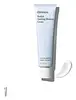
This calming night moisturizer is formulated around Panthenol and Ceramide NP to calm redness and hydrate skin.
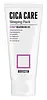
This calming night moisturizer is formulated around Centella Asiatica Extract and Panthenol to calm redness and strengthen the skin barrier.

What's inside
What's inside
 Key Ingredients
Benefits
Concerns
No concerns
Ingredients Side-by-side
Water
Skin ConditioningGlycerin
Humectant


Propanediol
Solvent
Butylene Glycol
Humectant
Panthenol
Skin Conditioning

Caprylyl Methicone
Skin Conditioning
Phenyl Trimethicone
Skin Conditioning
Dicaprylyl Ether
Emollient
Caprylic/Capric Triglyceride
Masking
Pentylene Glycol
Skin Conditioning
Vinyldimethicone
Adansonia Digitata Seed Extract
Skin ConditioningPolymethylsilsesquioxane
1,2-Hexanediol
Skin Conditioning
Sodium Hyaluronate
Humectant

Hyaluronic Acid
Humectant
Hydrolyzed Hyaluronic Acid
Humectant
Xylitylglucoside
Humectant
Xylitol
Humectant
Hydroxypropyltrimonium Hyaluronate
Sodium Acetylated Hyaluronate
Humectant
Hydrolyzed Sodium Hyaluronate
Skin Conditioning
Sodium Hyaluronate Crosspolymer
Humectant
Potassium Hyaluronate
Skin ConditioningCoccinia Indica Fruit Extract
Skin Conditioning
Ceramide NP
Skin Conditioning
Tocopherol
Antioxidant



Aloe Barbadensis Flower Extract
EmollientSolanum Melongena Fruit Extract
Skin ConditioningCorallina Officinalis Extract
Skin Conditioning

Curcuma Longa Root Extract
Antioxidant
Ocimum Sanctum Leaf Extract
Skin ConditioningChitosan
Hydrolyzed Collagen
Emollient
Cetearyl Olivate


Sorbitan Olivate
Emulsifying
Lactobionic Acid
Buffering




Acrylates/Ethylhexyl Acrylate Copolymer
Ethylhexylglycerin
Skin ConditioningSodium Citrate
BufferingTromethamine
BufferingDipotassium Glycyrrhizate
Humectant
Ammonium Acryloyldimethyltaurate/Vp Copolymer
Polyacrylate Crosspolymer-6
Emulsion StabilisingSodium Phytate
ChelatingAnhydroxylitol
Humectant
Dipropylene Glycol
HumectantHydrogenated Lecithin
Emulsifying
Phytosterols
Skin Conditioning
Palmitoyl Tripeptide-5
Skin Conditioning
Copper Tripeptide-1
Skin Conditioning
Acetyl Hexapeptide-8
Humectant
Carbomer
Emulsion StabilisingXanthan Gum
EmulsifyingCholeth-24
EmulsifyingMelia Azadirachta Leaf Extract
Skin ConditioningMelia Azadirachta Flower Extract
Skin ConditioningSimmondsia Chinensis Seed Oil
Emollient
Water, Glycerin, Propanediol, Butylene Glycol, Panthenol, Caprylyl Methicone, Phenyl Trimethicone, Dicaprylyl Ether, Caprylic/Capric Triglyceride, Pentylene Glycol, Vinyldimethicone, Adansonia Digitata Seed Extract, Polymethylsilsesquioxane, 1,2-Hexanediol, Sodium Hyaluronate, Hyaluronic Acid, Hydrolyzed Hyaluronic Acid, Xylitylglucoside, Xylitol, Hydroxypropyltrimonium Hyaluronate, Sodium Acetylated Hyaluronate, Hydrolyzed Sodium Hyaluronate, Sodium Hyaluronate Crosspolymer, Potassium Hyaluronate, Coccinia Indica Fruit Extract, Ceramide NP, Tocopherol, Aloe Barbadensis Flower Extract, Solanum Melongena Fruit Extract, Corallina Officinalis Extract, Curcuma Longa Root Extract, Ocimum Sanctum Leaf Extract, Chitosan, Hydrolyzed Collagen, Cetearyl Olivate, Sorbitan Olivate, Lactobionic Acid, Acrylates/Ethylhexyl Acrylate Copolymer, Ethylhexylglycerin, Sodium Citrate, Tromethamine, Dipotassium Glycyrrhizate, Ammonium Acryloyldimethyltaurate/Vp Copolymer, Polyacrylate Crosspolymer-6, Sodium Phytate, Anhydroxylitol, Dipropylene Glycol, Hydrogenated Lecithin, Phytosterols, Palmitoyl Tripeptide-5, Copper Tripeptide-1, Acetyl Hexapeptide-8, Carbomer, Xanthan Gum, Choleth-24, Melia Azadirachta Leaf Extract, Melia Azadirachta Flower Extract, Simmondsia Chinensis Seed Oil
Water
Skin ConditioningGlycerin
Humectant
Dipropylene Glycol
HumectantButylene Glycol
Humectant
Trehalose
Humectant
Betaine
Humectant
Cetyl Ethylhexanoate
EmollientDicaprylyl Carbonate
EmollientCentella Asiatica Extract
Cleansing
Protease
Exfoliating
Panthenol
Skin Conditioning
Moringa Oleifera Seed Extract
Skin Conditioning
Aloe Barbadensis Leaf Extract
Emollient
Propanediol
Solvent
Glyceryl Polyacrylate
Dipotassium Glycyrrhizate
Humectant
Allantoin
Skin Conditioning
Xanthan Gum
EmulsifyingSaussurea Involucrata Extract
HumectantRubus Chamaemorus Fruit Extract
Antioxidant
Selaginella Lepidophylla Extract
EmollientTropolone
Skin ConditioningSodium Polyacryloyldimethyl Taurate
Emulsion StabilisingSodium Polyacrylate
Absorbent
Hydrogenated Polydecene
EmollientCaprylic/Capric Triglyceride
Masking
Trideceth-10
CleansingCaprylhydroxamic Acid
Chelating1,2-Hexanediol
Skin Conditioning
Boswellia Serrata Resin Extract
SmoothingBrassica Oleracea Italica Extract
AstringentLithospermum Erythrorhizon Root Oil
Skin Conditioning
Bioflavonoids
Skin ConditioningGeranium Maculatum Oil
Masking
Water, Glycerin, Dipropylene Glycol, Butylene Glycol, Trehalose, Betaine, Cetyl Ethylhexanoate, Dicaprylyl Carbonate, Centella Asiatica Extract, Protease, Panthenol, Moringa Oleifera Seed Extract, Aloe Barbadensis Leaf Extract, Propanediol, Glyceryl Polyacrylate, Dipotassium Glycyrrhizate, Allantoin, Xanthan Gum, Saussurea Involucrata Extract, Rubus Chamaemorus Fruit Extract, Selaginella Lepidophylla Extract, Tropolone, Sodium Polyacryloyldimethyl Taurate, Sodium Polyacrylate, Hydrogenated Polydecene, Caprylic/Capric Triglyceride, Trideceth-10, Caprylhydroxamic Acid, 1,2-Hexanediol, Boswellia Serrata Resin Extract, Brassica Oleracea Italica Extract, Lithospermum Erythrorhizon Root Oil, Bioflavonoids, Geranium Maculatum Oil
Reviews
Ingredients Explained
These ingredients are found in both products.
Ingredients higher up in an ingredient list are typically present in a larger amount.
1,2-Hexanediol is a synthetic liquid and another multi-functional powerhouse.
It is a:
- Humectant, drawing moisture into the skin
- Emollient, helping to soften skin
- Solvent, dispersing and stabilizing formulas
- Preservative booster, enhancing the antimicrobial activity of other preservatives
Butylene Glycol (or BG) is used within cosmetic products for a few different reasons:
Overall, Butylene Glycol is a safe and well-rounded ingredient that works well with other ingredients.
Though this ingredient works well with most skin types, some people with sensitive skin may experience a reaction such as allergic rashes, closed comedones, or itchiness.
Learn more about Butylene GlycolCaprylic/Capric Triglyceride (aka MCT Oil) is a lightweight emollient, solvent, and texture enhancer. It is considered a skin-softener by helping to prevent moisture loss.
Though it behaves like an oil, it is not technically one due to its chemical composition. One perk of this ingredient is that it is very stable, resistant to oxidation, and unlikely to go rancid.
In practice, that translates to a long shelf life and a consistently elegant skin feel.
While there is an assumption Caprylic Triglyceride can clog pores due to it being derived from coconut oil, there is no research supporting this. Just patch test if you have concerns.
Fractionated coconut oil and MCT Oil are both listed as Caprylic/Capric Triglyceride according to INCI. This is because INCI names are based on the ingredient’s final chemical composition and not its marketing name or source.
This ingredient is treated as the gold standard fungal acne safe oil. Even though it is coconut derived, the problematic lauric acid is stripped out.
This leaves just caprylic (C8) and capric (C10) acid. These chain lengths actually trend antifungal; a 2020 study found caprylic acid was enough to disrupt Malassezia furfur cell membrane, with a caprylic acid derivative damaging membrane structures at concentrations as low as 0.2%.
Learn more about Caprylic/Capric TriglycerideDipotassium Glycyrrhizate comes from licorice root.
Extracts of licorice have demonstrated to have antibacterial, anti‐inflammatory, antiviral, antioxidant properties.
One component, glabridin, has extra potent antioxidant and soothing properties. It has also been found to block pigmentation from UVB rays in guinea pigs.
Licorice Root also contains a flavonoid. Flavonoids are a natural substance from in plants. Flavonoids also have antioxidant properties.
Another component, glycyrrhizin, has been found to have anti-inflammatory and antimicrobial benefits. This may make licorice root extract effective at treating acne. However, more research is needed to support this.
Liquiritin is one of the flavone compounds found in licorice. It has been found to help lighten skin by preventing tyrosinase from reacting with tyrosine. When the two react, protein is converted to melanin. Melanin is the substance in your body that gives your features pigmentation.
Licorice root is native to Southern Europe and Asia. It has been used in traditional Chinese medicine to help with respiratory issues.
Learn more about Dipotassium GlycyrrhizateDipropylene Glycol is a synthetically created humectant, stabilizer, and solvent.
This ingredient helps:
Dipropylene glycol is technically an alcohol, but it belongs to the glycol family (often considered part of the ‘good’ alcohols). This means it is hydrating and gentle on skin unlike drying solvent alcohols like denatured alcohol.
As a masking agent, Dipropylene Glycol can be used to cover the smell of other ingredients. However, it does not have a scent.
Studies show Dipropylene Glycol is considered safe to use in skincare.
Learn more about Dipropylene GlycolGlycerin (or glycerol) is a compound naturally found in your skin. It's a powerhouse humectant that pulls water into the stratum corneum.
Topically, glycerin does several things at once:
Your skin makes glycerin on its own (mostly from sebaceous oil breakdown) and shuttles it to your outermost layer of skin, or your epidermis, via aquaporin-3.
Aquaporin-3 is a transporter that is essential for normal skin hydration, elasticity, and repair. Interestingly, mice lacking in AQP3 have dry and less elastic skin that can be fully corrected with glycerin.
This ingredient is non-irritating, plays well with almost every ingredient, and works across all skin types. Typical use is anywhere between 3-10% but can go up to 79% in some leave-on products.
Just know very high concentrations (>40%) can feel tacky in low humidity.
Glycerin is the name for this ingredient in American English. British English uses Glycerol/Glycerine.
Learn more about GlycerinPanthenol is a common ingredient that helps hydrate and soothe the skin. It is found naturally in our skin and hair.
There are two forms of panthenol: D and L.
D-panthenol is also known as dexpanthenol. Most cosmetics use dexpanthenol or a mixture of D and L-panthenol.
Panthenol is famous due to its ability to go deeper into the skin's layers. Using this ingredient has numerous pros (and no cons):
Like hyaluronic acid, panthenol is a humectant. Humectants are able to bind and hold large amounts of water to keep skin hydrated.
This ingredient works well for wound healing. It works by increasing tissue in the wound and helps close open wounds.
Once oxidized, panthenol converts to pantothenic acid. Panthothenic acid is found in all living cells.
This ingredient is also referred to as pro-vitamin B5.
Learn more about PanthenolPropanediol is an all-star ingredient. It softens, hydrates, and smooths the skin.
It’s often used to:
Propanediol is not likely to cause sensitivity and considered safe to use. It is derived from corn or petroleum with a clear color and no scent.
Learn more about PropanediolWater. It's the most common cosmetic ingredient of all. You'll usually see it at the top of ingredient lists, meaning that it makes up the largest part of the product.
So why is it so popular? Water most often acts as a solvent - this means that it helps dissolve other ingredients into the formulation.
You'll also recognize water as that liquid we all need to stay alive. If you see this, drink a glass of water. Remember to stay hydrated!
Learn more about WaterXanthan gum is used as a stabilizer and thickener within cosmetic products. It helps give products a sticky, thick feeling - preventing them from being too runny.
On the technical side of things, xanthan gum is a polysaccharide - a combination consisting of multiple sugar molecules bonded together.
Xanthan gum is a pretty common and great ingredient. It is a natural, non-toxic, non-irritating ingredient that is also commonly used in food products.
Learn more about Xanthan Gum

